
What is a commissary kitchen? A commissary kitchen is a licensed, commercial kitchen facility that food entrepreneurs can rent to prepare, store, and package their food products. Can I operate a food business without a commissary kitchen? In most areas, yes, but it’s often required for certain types of food businesses that need to meet health and safety standards. Who is a commissary kitchen for? It’s for anyone looking to start or expand a food business, including caterers, bakers, food truck operators, and packaged food producers, who need access to professional kitchen facilities without the high cost of building their own.
Starting a food business is a dream for many, but the initial investment in a commercial kitchen can be a significant barrier. This is where a commissary kitchen, also known as a shared kitchen or ghost kitchen, becomes an invaluable resource. This guide will walk you through the essential steps of launching your own commissary kitchen, transforming your idea into a thriving operation.
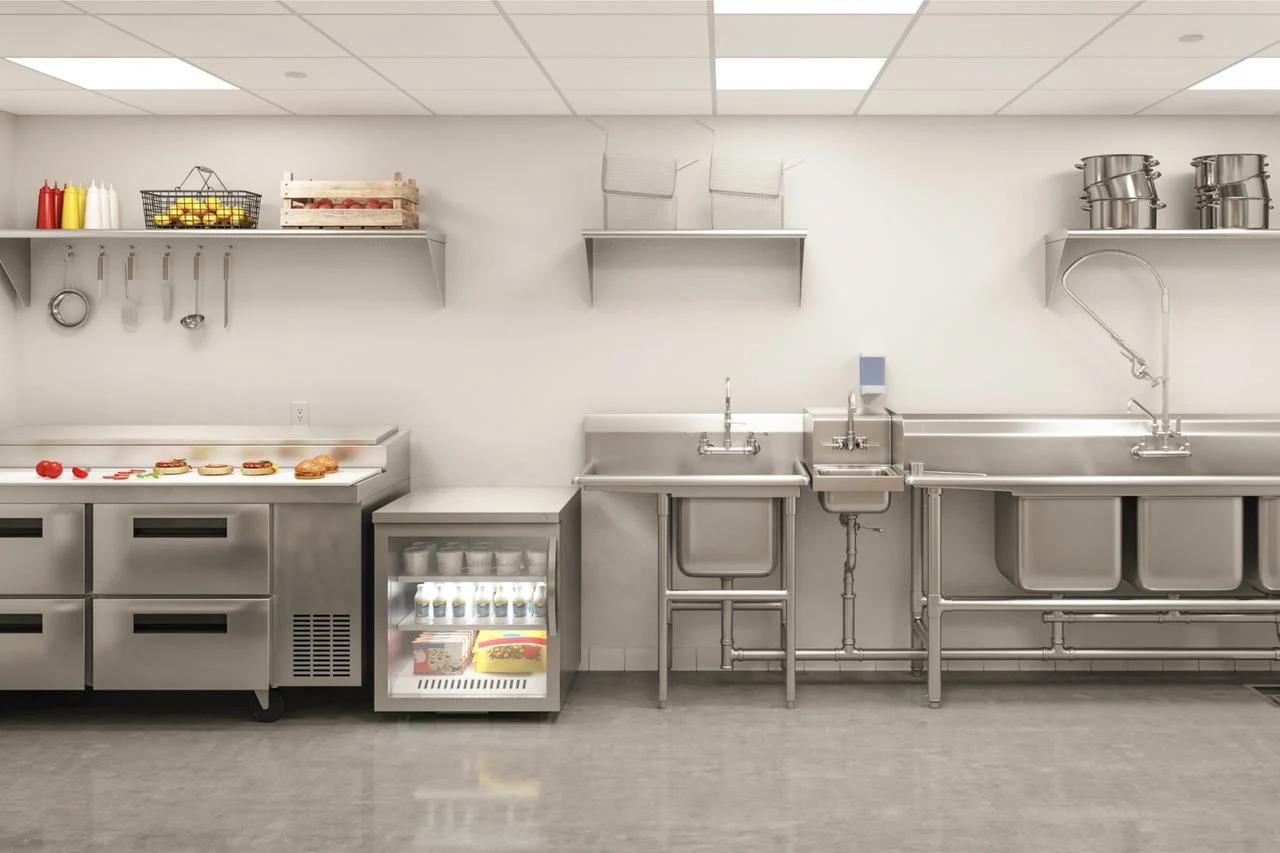
Image Source: cloudkitchens.com
The Genesis of Your Commissary Kitchen Idea
Every successful venture begins with a clear vision. Before diving into the nitty-gritty, take time to solidify your concept.
Defining Your Niche and Target Audience
What kind of food businesses will you serve? Will you focus on:
* Bakers and Pastry Chefs: Requiring ample oven space, proofing areas, and decorating stations.
* Caterers: Needing large prep areas, hot holding equipment, and efficient dishwashing facilities.
* Food Truck Operators: Demanding convenient access for loading, unloading, and daily operations.
* Packaged Food Producers: Needing specialized equipment for bottling, sealing, and labeling.
* Specialty Diet Foods: Such as gluten-free or vegan, requiring strict cross-contamination protocols.
Identifying your primary clientele will shape your kitchen layout, equipment selection, and overall service offerings.
Developing Your Commissary Kitchen Business Plan
A robust commissary kitchen business plan is your roadmap to success. It forces you to think critically about every aspect of your operation. Your plan should include:
- Executive Summary: A brief overview of your business concept, mission, and financial projections.
- Company Description: Details about your legal structure, mission statement, and values.
- Market Analysis: Research on the local food scene, competitor analysis, and identifying your target market.
- Services and Offerings: What amenities and support will you provide? (e.g., 24/7 access, storage, equipment rental, business support services).
- Marketing and Sales Strategy: How will you attract and retain clients?
- Management Team: Who will run the operation?
- Financial Projections: Startup costs, operating expenses, revenue forecasts, and funding requirements.
Estimating Commissary Kitchen Startup Costs
The financial commitment to launching a commissary kitchen is substantial. A detailed breakdown of commissary kitchen startup costs is crucial for securing funding and managing your budget.
| Category | Estimated Cost Range | Notes |
|---|---|---|
| Real Estate/Leasehold Improvements | $50,000 – $500,000+ | Depends on location, size, and existing infrastructure. |
| Kitchen Equipment | $30,000 – $250,000+ | Ovens, ranges, mixers, refrigeration, prep tables, dishwashers. |
| Permits and Licenses | $1,000 – $10,000+ | Varies significantly by local and state regulations. |
| Utilities & Initial Setup | $5,000 – $20,000 | Plumbing, electrical, gas, initial utility deposits. |
| Insurance | $2,000 – $10,000+ | General liability, property insurance, workers’ compensation. |
| Legal and Accounting Fees | $2,000 – $15,000 | Business formation, contract drafting, financial advice. |
| Marketing and Branding | $1,000 – $10,000 | Website development, signage, initial advertising. |
| Working Capital | $20,000 – $100,000+ | To cover initial operating expenses before revenue is consistent. |
| Contingency Fund (10-20%) | Varies | For unexpected expenses. |
Note: These figures are estimates and can vary widely based on your specific location, the size of your facility, and the quality of equipment purchased.
Laying the Foundation: Legal and Regulatory Compliance
Navigating the legal landscape is paramount to operating a legitimate and safe commissary kitchen.
Deciphering Commissary Kitchen Regulations
Commissary kitchen regulations are designed to ensure food safety and public health. These typically include:
- Health Department Permits: Obtaining permits from your local health department is non-negotiable. This involves inspections of your facility to ensure compliance with sanitation standards, food handling practices, and waste disposal.
- Zoning Laws: Ensure your chosen location is zoned for commercial kitchen operations.
- Fire Safety Codes: Adherence to fire codes, including proper ventilation, fire suppression systems, and emergency exits.
- Business Licenses: Registering your business with the state and local authorities.
Securing Food Business Licensing and Permits
The process for food business licensing will vary by jurisdiction. Be prepared for:
- Food Handler Permits: For all staff working in the kitchen.
- ServSafe Certification: Often required for kitchen managers.
- Building and Health Permits: Specific to the facility.
- Business Registration: As a legal entity.
It’s advisable to consult with your local health department early in the planning process to get a clear understanding of all required permits and licenses.
Building Your Culinary Hub: Facility and Equipment
The physical space and the tools within it are the heart of your commissary kitchen.
Designing Your Commercial Kitchen Rental Space
When designing your commercial kitchen rental space, think about functionality and efficiency for your diverse clientele.
Layout Considerations:
- Zoning and Flow: Separate prep areas from cooking areas, and dishwashing stations from storage.
- Ventilation: Robust hood systems are essential for removing smoke, grease, and heat.
- Sanitation Stations: Easily accessible handwashing sinks, dishwashing areas, and sanitizing stations.
- Storage Solutions: Ample dry storage, refrigerated, and freezer space. Consider dedicated lockable storage for individual clients.
- Loading Docks/Access: Crucial for food trucks and deliveries.
Creating a Shared Kitchen Space Atmosphere:
A shared kitchen space should foster a sense of community and professionalism. This involves clear signage, well-maintained common areas, and efficient scheduling systems.
Identifying Essential Kitchen Equipment Needs
Your kitchen equipment needs will depend on your target market, but a general list includes:
- Cooking Equipment: Commercial ranges, ovens (convection, deck), griddles, fryers.
- Refrigeration: Walk-in coolers, freezers, reach-in refrigerators.
- Preparation Equipment: Commercial mixers, food processors, slicers, immersion blenders.
- Work Surfaces: Stainless steel prep tables, cutting boards.
- Dishwashing: Commercial dishwashers, three-compartment sinks.
- Ventilation: Hood systems with fire suppression.
- Storage: Shelving units, ingredient bins.
- Safety Equipment: Fire extinguishers, first-aid kits.
Consider purchasing both new and used equipment to manage costs.
Operating Your Commissary Kitchen: Services and Management
Once your facility is ready, focus on creating a seamless operational experience for your clients.
Defining Your Rental Models and Pricing
How will clients access your renting commercial kitchen services? Common models include:
- Hourly Rental: Ideal for businesses with variable needs.
- Daily Rental: For longer projects or intensive prep days.
- Monthly Retainer: Offering dedicated access for a set number of hours or days.
- Dedicated Space: For businesses requiring a consistent presence.
Pricing should reflect the cost of utilities, equipment maintenance, insurance, and your desired profit margin. Research competitor pricing to remain competitive.
Offering Ancillary Services
To enhance your value proposition, consider offering:
- Storage: Dry, refrigerated, and freezer space.
- Equipment Rental: Specialized tools beyond the basic kitchen setup.
- Janitorial Services: Regular cleaning and sanitation of common areas.
- Waste Disposal: Efficient and compliant removal of food waste and recyclables.
- Business Support: Referrals to suppliers, marketing assistance, or business development workshops.
- Catering Logistics: Assisting with loading/unloading for caterers.
These services can create additional revenue streams and attract a wider range of food entrepreneurship.
Implementing Scheduling and Access Control
Efficient scheduling is key to maximizing your shared commercial kitchen’s utilization and preventing conflicts.
- Online Booking System: A user-friendly platform allows clients to book time slots, manage their schedules, and pay for services.
- Keycard or Code Access: For secure and convenient entry, especially for clients with after-hours needs.
- Clear Usage Policies: Outline rules for equipment use, cleaning protocols, and waste disposal to maintain a harmonious environment.
Marketing Your Commissary Kitchen
Attracting and retaining clients is vital for the sustainability of your business.
Reaching Your Target Food Entrepreneurs
- Online Presence: Develop a professional website showcasing your facility, services, pricing, and available equipment. Optimize it for local search terms like “commercial kitchen rental near me.”
- Social Media Marketing: Engage with local food communities on platforms like Instagram, Facebook, and LinkedIn.
- Local Partnerships: Connect with culinary schools, food incubators, farmers’ markets, and business development organizations.
- Direct Outreach: Contact local food businesses that could benefit from your services.
- Open Houses and Tours: Invite potential clients to see your facility firsthand.
Building Client Relationships
- Excellent Customer Service: Be responsive, helpful, and proactive in addressing client needs.
- Feedback Mechanisms: Regularly solicit feedback to identify areas for improvement.
- Community Building: Foster a supportive environment where clients can network and share knowledge.
Frequently Asked Questions (FAQ)
Q: What are the typical monthly costs for renting space in a commissary kitchen?
A: Monthly costs can vary widely, from a few hundred dollars for limited hours to several thousand dollars for dedicated, extended access. Factors include the size of the space, the hours of access, and the services included.
Q: Can I store my raw ingredients and finished products at a commissary kitchen?
A: Yes, most commissary kitchens offer dedicated dry, refrigerated, and freezer storage for their clients. This is a core service provided.
Q: What kind of insurance do I need to operate a commissary kitchen?
A: You will typically need general liability insurance, property insurance, and potentially workers’ compensation insurance if you have employees. Clients renting space will also need their own business insurance.
Q: How do I find a suitable location for my commissary kitchen?
A: Look for locations zoned for commercial use, with good access to utilities, adequate parking, and ideally near your target clientele. Proximity to highways or business districts can also be a plus.
Q: What are the most common challenges when starting a commissary kitchen?
A: Common challenges include managing diverse client needs, ensuring consistent equipment maintenance, navigating complex commissary kitchen regulations, and maintaining profitability while keeping rental rates competitive.
Q: Is a commissary kitchen a good investment for a new food entrepreneur?
A: For many, it’s an excellent entry point. It significantly lowers the upfront cost of starting a food business compared to building or leasing a dedicated commercial kitchen, allowing entrepreneurs to focus on product development and sales.
Q: What is the difference between a commissary kitchen and a shared commercial kitchen?
A: While often used interchangeably, “shared commercial kitchen” can sometimes imply a more collaborative or flexible arrangement, whereas “commissary kitchen” often refers to a more formal facility with established rules and services designed to support specific types of food businesses, like those for food trucks or packaged goods. The core concept of providing licensed, professional kitchen space for rent remains the same.
Starting and operating a commissary kitchen is a demanding yet rewarding endeavor. By meticulously planning, adhering to regulations, and focusing on client needs, you can build a successful hub for food entrepreneurship and contribute significantly to your local culinary ecosystem.