
What is a soup kitchen? A soup kitchen is a place where meals are served to people who cannot afford them. Can I start a soup kitchen? Yes, you can start a soup kitchen with careful planning and dedication. Who is a soup kitchen for? Primarily, it serves those experiencing food insecurity, including the homeless, low-income families, and seniors.
Starting a soup kitchen is a deeply rewarding endeavor that directly addresses hunger and provides a sense of community for those in need. It’s more than just serving food; it’s about offering dignity, hope, and a warm meal to individuals facing hardship. This guide will walk you through the essential steps, from the initial spark of an idea to making a tangible impact in your community.
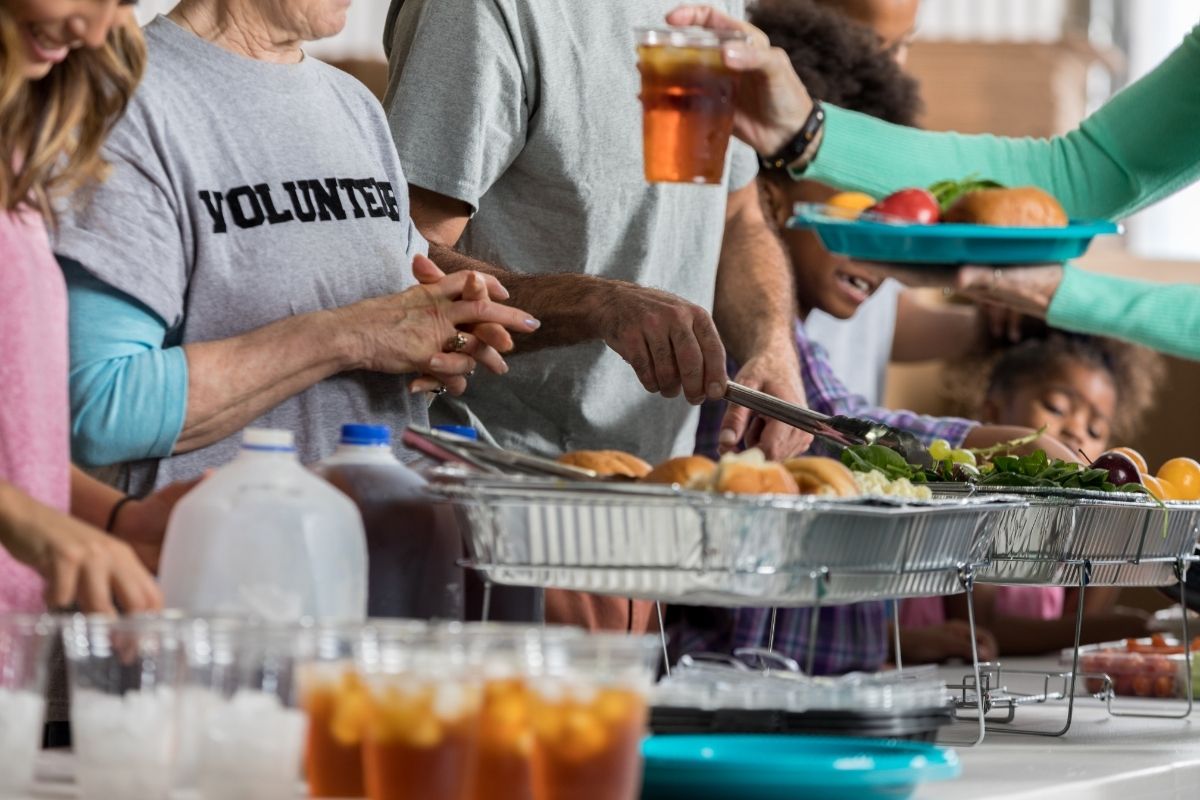
Image Source: ofhsoupkitchen.org
The Genesis of Your Initiative
Every great soup kitchen begins with a clear vision and a deep-seated desire to help. Before you even think about cans of soup or volunteer schedules, you need to solidify your purpose.
Defining Your Mission and Vision
Your mission statement is the core of your organization. It should clearly articulate what you do, who you serve, and why. For example: “To provide nutritious meals and a welcoming environment for all individuals facing food insecurity in [Your City/Town], fostering community and alleviating hunger.”
Your vision is your aspirational future state. It’s what you hope to achieve in the long term. Perhaps it’s: “A community where no one goes hungry, and everyone has access to healthy food and supportive services.”
Identifying Your Target Population
While often associated with feeding the homeless, soup kitchens can serve a broader demographic. Consider:
- Low-income families: Families struggling to make ends meet may need supplemental meals.
- Seniors: Elderly individuals on fixed incomes may find it difficult to afford regular meals.
- Unemployed individuals: Those out of work often face financial strain that impacts their ability to buy food.
- Students: Some students may lack reliable access to nutritious meals outside of school.
Researching the specific needs within your community is crucial. Are there particular groups facing greater hardship? This will inform your service model.
Assessing Community Needs
A thorough needs assessment is non-negotiable. This involves looking at local statistics on poverty, food insecurity, and homelessness. Talk to local shelters, social workers, community leaders, and even potential beneficiaries.
- What are the current food assistance programs?
- Are there gaps in service?
- What types of meals are most needed? (e.g., hot meals, take-away options, culturally appropriate dishes)
- What are the peak times of need?
This research will help you tailor your services and avoid duplicating existing efforts.
Laying the Groundwork: Legal and Structural Foundations
Establishing a solid organizational structure and navigating legal requirements are critical for long-term sustainability and credibility.
Choosing Your Organizational Structure
The most common structure for charitable organizations is a non-profit entity. This often takes the form of a 501(c)(3) in the United States, which allows for tax-exempt status and the ability to receive tax-deductible donations.
- Sole Proprietorship/Partnership: Generally not suitable for this type of endeavor due to liability and fundraising limitations.
- Non-profit Corporation: The standard for soup kitchens and other charities. Requires filing articles of incorporation with your state.
- Fiscal Sponsorship: If forming your own non-profit feels overwhelming initially, you can partner with an existing non-profit that can act as a fiscal sponsor, allowing you to receive donations under their tax-exempt status.
Navigating Soup Kitchen Legal Requirements
Operating a food service, even a charitable one, comes with specific legal obligations.
- Business Licenses and Permits: You’ll likely need local and state business licenses.
- Food Handler Permits: All staff and volunteers handling food must have appropriate certifications.
- Health and Safety Regulations: Adherence to local health department codes for food storage, preparation, and serving is paramount. This includes proper sanitation, temperature control, and pest management.
- Insurance: Liability insurance is essential to protect against potential accidents or claims.
- Non-profit Registration: Filing for 501(c)(3) status (or equivalent in your country) is a significant step. This involves an application process with the relevant tax authorities.
Developing a Business Plan
While you’re a non-profit, a business plan is still vital. It acts as your roadmap.
- Executive Summary: A brief overview of your mission, services, and goals.
- Organization Description: Your legal structure, mission, vision, and values.
- Market Analysis: Your assessment of community needs and existing services.
- Service Delivery Plan: How you will operate, including meal times, types of food, and service model.
- Marketing and Outreach: How you will connect with beneficiaries and supporters.
- Management Team: Who is involved and their roles.
- Financial Plan: Start-up costs, operating budget, funding sources, and projected expenses.
Establishing Your Operations: The Practicalities of Running a Soup Kitchen
This is where the idea begins to take tangible shape, focusing on the physical space, resources, and day-to-day functioning.
Finding a Suitable Location
The location of your soup kitchen is a key factor in accessibility and cost.
- Accessibility: Is it easily reachable by public transport? Is it close to areas where your target population congregates?
- Visibility: While not always essential, some visibility can aid in outreach.
- Facilities: The space needs to accommodate a kitchen, dining area, storage, and restrooms. It must also meet health department regulations.
- Cost: Rent or mortgage payments can be significant. Consider donated spaces or partnerships with existing community centers, churches, or schools.
Equipping Your Kitchen
You don’t need the most high-end professional kitchen, but it must be functional, safe, and compliant.
Essential Kitchen Equipment:
- Commercial-grade stoves and ovens
- Refrigerators and freezers for safe food storage
- Food preparation surfaces (stainless steel is preferred)
- Sinks (multiple for handwashing, dishwashing, and food prep)
- Dishwashers (commercial if possible)
- Pots, pans, utensils, and cooking tools
- Serving equipment (trays, bowls, cutlery, cups)
- Storage containers
Prioritize safety and ease of cleaning. Second-hand equipment can be a cost-effective option.
Sourcing Food for the Soup Kitchen
Reliable and consistent food sourcing is the lifeblood of your operation.
- Food Donation Management:
- Establish relationships with local grocery stores, restaurants, and food banks.
- Organize regular food drives.
- Communicate specific needs clearly to donors.
- Ensure proper storage and handling of donated items.
- Wholesale Purchasing: For staples and items not readily donated, purchasing in bulk from wholesale suppliers can be cost-effective.
- Community Gardens: Partnering with or starting a community garden can provide fresh produce.
- Government Programs: Explore partnerships with programs like the Emergency Food Assistance Program (TEFAP).
Table: Food Sourcing Strategies
| Strategy | Pros | Cons | Best For |
|---|---|---|---|
| Food Banks/Pantries | Large quantities, diverse items, low cost | Limited control over specific items, scheduling | Staple goods, produce, proteins |
| Grocery Store Donations | Fresh produce, dairy, bakery items | Variable availability, often near expiration | Perishables, bread, baked goods |
| Restaurant Partnerships | Prepared meals, surplus ingredients | Requires strict handling, potential for waste | Hot meals, specific ingredients |
| Food Drives | Community engagement, non-perishable items | Seasonal, can be inconsistent, lower nutritional value | Canned goods, pasta, rice, cereal |
| Wholesale Purchasing | Guaranteed availability, bulk pricing | Requires upfront cost, storage capacity | Staples, specialized ingredients |
| Community Gardens | Fresh, local produce, community involvement | Seasonal, labor-intensive, weather dependent | Seasonal produce, herbs |
Creating a Community Meal Program Schedule
Consistency is key for the people you serve and your volunteers.
- Days and Hours of Operation: Determine when you will be open. Consider peak need times.
- Meal Service: Will you serve one meal a day, or multiple? Will it be dine-in, take-away, or both?
- Menu Planning: Create balanced, nutritious, and appealing menus. Consider dietary restrictions and allergies where possible. Rotate menus to offer variety.
Building Your Team: Volunteers and Staff
A soup kitchen relies heavily on the dedication and hard work of its people.
Volunteer Recruitment for Soup Kitchen
Volunteers are the backbone of most soup kitchens. Effective recruitment is essential.
- Define Volunteer Roles: Clearly outline tasks like food prep, serving, cleaning, donation sorting, and administrative support.
- Reach Out:
- Contact local universities, colleges, high schools, and community groups.
- Utilize online volunteer platforms (e.g., VolunteerMatch, Idealist).
- Post on social media and community bulletin boards.
- Partner with religious institutions and civic organizations.
- Onboarding and Training: Provide thorough orientation on your mission, safety procedures, food handling, and how to interact respectfully with guests.
Managing Volunteers
Keeping volunteers engaged and appreciated is crucial for retention.
- Scheduling: Use a clear and easy-to-use scheduling system.
- Appreciation: Regularly thank your volunteers. Host appreciation events or provide small tokens of gratitude.
- Feedback: Solicit feedback from volunteers to improve their experience.
- Clear Communication: Keep volunteers informed about any changes or special needs.
Staffing Considerations
While many soup kitchens are volunteer-run, some may require paid staff, especially for leadership or specialized roles.
- Volunteer Coordinator: Manages volunteer recruitment, scheduling, and engagement.
- Kitchen Manager/Chef: Oversees food preparation, inventory, and kitchen operations.
- Executive Director/Manager: Handles overall administration, fundraising, and partnerships.
Fundraising and Financial Sustainability
Securing the necessary funds is paramount for the continuous operation of your soup kitchen.
Developing a Fundraising Strategy
A multi-faceted approach is most effective.
- Individual Donations:
- Direct mail campaigns
- Online donation platforms (your website, Give Lively, etc.)
- Peer-to-peer fundraising events
- Grants:
- Research grants from local foundations, community foundations, and government agencies focused on hunger relief initiatives.
- Develop compelling grant proposals that highlight your impact and needs.
- Corporate Sponsorships: Partner with local businesses for financial or in-kind donations.
- Events: Host fundraising events like benefit dinners, bake sales, or sponsored walks.
- In-Kind Donations: Solicit donations of food, supplies, and equipment.
Creating a Budget
A detailed budget will guide your financial planning and fundraising efforts.
Sample Soup Kitchen Budget Categories:
| Category | Estimated Monthly Cost | Notes |
|---|---|---|
| Rent/Utilities | $X,XXX | Electricity, water, gas, internet |
| Food Costs | $X,XXX | When donations are insufficient |
| Supplies | $XXX | Utensils, cleaning supplies, paper goods |
| Insurance | $XXX | Liability, property |
| Salaries/Stipends | $X,XXX | If applicable |
| Permits/Licenses | $XX | Annual renewals |
| Marketing/Outreach | $XX | Printing flyers, website hosting |
| Maintenance/Repairs | $XX | Equipment upkeep |
| Contingency Fund | $XXX | Unexpected expenses |
| TOTAL ESTIMATED MONTHLY EXPENSES | $XX,XXX |
Financial Management and Transparency
Maintain accurate financial records and be transparent with your donors and stakeholders.
- Bookkeeping: Keep meticulous records of all income and expenses.
- Reporting: Provide regular financial reports to your board of directors and annual reports to your community.
- Accountability: Ensure that funds are used efficiently and effectively to further your mission.
Marketing and Outreach: Connecting with Those in Need and Supporters
Effective communication is key to reaching both beneficiaries and those who can support your work.
Reaching Your Beneficiaries
- Community Partnerships: Collaborate with social service agencies, homeless shelters, and religious organizations that already serve your target population.
- Flyers and Posters: Distribute informational materials in community centers, libraries, bus stops, and areas frequented by those in need.
- Word-of-Mouth: Encourage satisfied guests to spread the word.
Engaging Your Supporters
- Website and Social Media: Create a professional website and active social media presence to share your story, impact, and needs.
- Newsletters: Send regular email newsletters to keep supporters updated on your activities and successes.
- Public Relations: Reach out to local media outlets to share stories about your work.
- Volunteer Opportunities: Clearly advertise how people can get involved.
- Impact Stories: Share testimonials and stories that highlight the difference you are making.
Measuring Your Impact
Demonstrating your effectiveness is crucial for ongoing support and improvement.
Key Metrics to Track
- Number of Meals Served: The most basic measure of output.
- Number of Guests Served: Tracks the reach of your program.
- Volunteer Hours: Quantifies community engagement.
- Food Donated (by weight or value): Tracks resource acquisition.
- Funds Raised: Monitors financial health and growth.
- Guest Feedback: Gather qualitative data on satisfaction and perceived impact.
Continuous Improvement
Regularly review your operations, gather feedback, and adapt your strategies to better serve your community and operate more efficiently. This might involve adjusting meal times, improving menu variety, or enhancing volunteer training.
Frequently Asked Questions (FAQ)
Q1: Do I need to be a chef to start a soup kitchen?
A1: No, you do not need to be a chef. While culinary skills are valuable, you can hire a chef or kitchen manager, or rely on experienced volunteers to lead food preparation. The key is to have a team that understands food safety and nutrition.
Q2: How much money do I need to start a soup kitchen?
A2: The initial costs can vary significantly based on location, existing resources, and the scale of your operation. You’ll need to budget for permits, insurance, kitchen equipment (which can be purchased used), initial food supplies, and potentially rent. A detailed budget is essential, and starting with a lean model can reduce initial financial burdens.
Q3: What are the most important legal requirements for a soup kitchen?
A3: Key legal requirements typically include obtaining necessary business licenses and permits, adhering to local health and safety codes for food service, ensuring all food handlers have appropriate certifications, and securing liability insurance. Registering as a non-profit organization is also crucial for tax benefits and fundraising.
Q4: How can I get food donations consistently?
A4: Building strong relationships with local food banks, grocery stores, restaurants, and community gardens is vital. Organize regular food drives and clearly communicate your needs to potential donors. Establish a system for accepting, storing, and tracking donations safely and efficiently.
Q5: How do I find volunteers for a soup kitchen?
A5: Effective volunteer recruitment involves reaching out through community organizations, educational institutions, online platforms, and social media. Clearly defining volunteer roles and providing a positive and rewarding experience will help in retention.
Q6: What kind of food should I serve?
A6: Aim for nutritious, balanced, and appealing meals. Consider the dietary needs and preferences of your guests as much as possible. Staple ingredients like pasta, rice, beans, and canned vegetables are often affordable and versatile. Fresh produce is also important. Rotating menus can prevent monotony.
Starting a soup kitchen is a journey that requires passion, planning, and persistence. By following these steps, you can transform an idea into a vital community meal program that makes a profound difference in the lives of those struggling with hunger. Your efforts in hunger relief initiatives can create lasting positive change, feeding the homeless and many others, and building a stronger, more compassionate community.