
Can you survive a kitchen remodel? Yes, you absolutely can! With smart planning and a few key strategies, you can navigate the chaos and emerge with the kitchen of your dreams. This guide will equip you with essential kitchen remodel tips and kitchen renovation advice to make the process smoother.
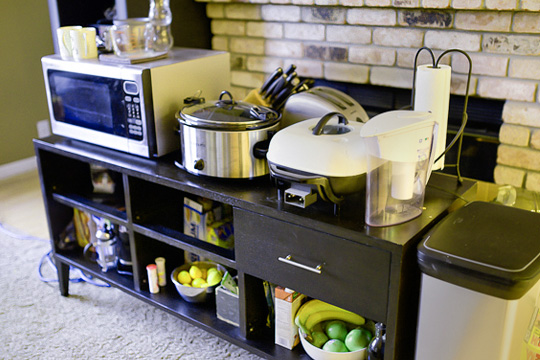
Image Source: www.houselogic.com
The Pre-Remodel Playbook: Laying the Groundwork
Before the first hammer swings, meticulous kitchen remodel planning is your greatest ally. This phase is crucial for surviving a kitchen renovation with your sanity intact. Think of it as building the blueprint for your survival.
Defining Your Vision: What Do You Really Want?
This is where dreams meet reality. Take time to really think about how you use your kitchen.
Functionality First
- Workflow: Where do you prep, cook, and clean? Is the current layout efficient? Consider the “kitchen triangle” (sink, stove, refrigerator) but also modern needs like a baking station or a dedicated coffee bar.
- Storage: Do you have enough cabinet space? What about pantry needs? Think about specialized storage like pull-out shelves, spice racks, or a trash/recycling center.
- Appliances: What are your must-have appliances? Are they the right size and energy efficiency for your needs and budget?
- Lighting: Good lighting is essential. Consider task lighting for prep areas, ambient lighting for general atmosphere, and accent lighting for features.
Style and Aesthetics
- Inspiration Gathering: Browse magazines, Pinterest, Houzz, and Instagram. Save images of kitchens you love. What elements consistently appeal to you?
- Color Palette: Decide on your primary colors, accent colors, and the overall mood you want to create (e.g., warm and cozy, sleek and modern, bright and airy).
- Materials: Explore cabinet styles, countertop options (granite, quartz, marble, laminate, butcher block), backsplash materials, and flooring choices.
Budgeting: The Reality Check
A kitchen remodel can be a significant investment. Be realistic about what you can spend.
Key Budget Considerations
- Contingency Fund: Always set aside 10-20% of your total budget for unexpected issues that inevitably arise during remodeling a kitchen.
- Appliance Costs: These can be a major chunk of the budget.
- Cabinetry: This is often the most expensive element.
- Countertops: Prices vary significantly by material.
- Labor Costs: If you’re not doing a DIY kitchen remodel, factor in contractor fees.
- Flooring: Consider durability and style.
- Lighting Fixtures: Don’t forget to budget for new lights.
- Plumbing and Electrical: Any changes to these systems can add costs.
- Permits: Check with your local municipality if permits are required.
Tracking Your Spending
Use a spreadsheet or budgeting app to meticulously track every expense. This will help you stay on track and make informed decisions if you need to adjust your spending.
Choosing Your Team: Professionals vs. DIY
This is a critical decision that impacts the kitchen remodel process and your overall experience.
When to Hire Professionals
- Complex Tasks: If you’re not comfortable with plumbing, electrical work, structural changes, or intricate tile setting, hire specialists.
- Time Constraints: If you have a tight deadline or limited free time, professionals can expedite the kitchen remodel process.
- Experience: They have the expertise to avoid costly mistakes and ensure quality workmanship.
The Allure of a DIY Kitchen Remodel
- Cost Savings: Doing it yourself can significantly reduce labor costs.
- Personal Satisfaction: The pride of creating something with your own hands is immense.
- Control: You have direct control over every aspect of the project.
Tips for a DIY Approach
- Start Small: If you’re new to DIY, consider tackling smaller projects first.
- Research Thoroughly: Watch tutorials, read guides, and understand each step before you begin.
- Gather the Right Tools: Invest in or rent quality tools.
- Ask for Help: Don’t be afraid to ask friends or family with experience for assistance.
- Know Your Limits: Be honest about what you can and cannot do. Hire professionals for tasks beyond your skill set.
Selecting Your Contractor
If you opt for professional help, choosing the right contractor is paramount for dealing with kitchen remodel challenges effectively.
Finding a Reputable Contractor
- Recommendations: Ask friends, family, and neighbors for referrals.
- Online Reviews: Check platforms like Google, Yelp, and Angie’s List.
- Professional Organizations: Look for contractors who are members of industry associations.
- Get Multiple Quotes: Obtain at least three detailed bids from different contractors.
- Check Licenses and Insurance: Ensure they are properly licensed and insured.
Interviewing Contractors
- Experience: How long have they been in business? Do they specialize in kitchen remodels?
- Portfolio: Ask to see examples of their previous work.
- References: Speak with past clients.
- Communication: Do they communicate clearly and promptly?
- Contract: Review the contract thoroughly. It should detail the scope of work, timeline, payment schedule, and warranties.
The Remodel Zone: Navigating the Chaos
This is where the rubber meets the road. Remodeling a kitchen can be disruptive, but with the right strategies, you can minimize the impact on your daily life.
Setting Up Your Temporary Kitchen
Losing your primary kitchen is a major adjustment. Create a functional temporary setup.
Essential Kitchen Remodel Essentials for Survival
- Portable Cooktop: A portable induction or electric cooktop is invaluable.
- Microwave: Essential for quick meals and reheating.
- Mini-Fridge or Cooler: Store perishables.
- Electric Kettle/Coffee Maker: For your morning brew and hot beverages.
- Utensils and Cookware: Keep a basic set of essential pots, pans, and utensils in a designated area.
- Dishwashing Station: A large plastic tub with a drain can serve as a sink for washing dishes.
- Trash and Recycling Bins: Keep them easily accessible.
Strategic Placement
Set up your temporary kitchen in a convenient location, like the dining room or living room. Ensure it’s away from the main construction zone to minimize dust and disruption.
Dealing with Kitchen Remodel Dust and Debris
Dust is the constant companion of any kitchen renovation. Proper containment is key.
Dust Containment Strategies
- Plastic Sheeting: Seal off doorways and vents leading to other parts of the house with plastic sheeting and painter’s tape.
- Zippered Doorways: Install zippered plastic doorways for access to the remodel area without spreading dust.
- Air Purifiers: Run HEPA air purifiers in adjacent rooms to capture airborne particles.
- Regular Cleaning: Frequently vacuum and wipe down surfaces in areas outside the construction zone.
- Drop Cloths: Use heavy-duty drop cloths to protect floors and furniture.
Maintaining Your Sanity
This is where the mental fortitude comes in. Surviving a kitchen renovation is as much about mental preparation as it is about practical solutions.
Meal Planning Strategies
- Embrace Simplicity: Focus on meals that require minimal cooking or assembly. Think sandwiches, salads, pre-made meals, or takeout.
- Batch Cooking: Prepare larger batches of food before the remodel starts or during less disruptive phases.
- Outdoor Cooking: If weather permits, utilize your grill or a portable outdoor stove.
- Support System: Lean on friends and family for meal support if possible.
Managing Noise and Disruption
- Headphones: Noise-canceling headphones can be a lifesaver during loud demolition or construction periods.
- Schedule Awareness: Communicate with your contractor about their work schedule and any particularly noisy activities.
- Temporary Retreat: If possible, plan to spend time away from the house during the most disruptive periods.
Navigating the Kitchen Remodel Process Day-by-Day
Each phase of the kitchen remodel process brings its own set of challenges and requires a different approach.
Demolition Day
- Preparation is Key: Clear out all cabinets, countertops, appliances, and anything else that needs to be removed.
- Protect Your Belongings: Cover or remove furniture and belongings from adjacent rooms.
- Be Prepared for Noise: This is often the loudest and most disruptive day.
Rough-In Plumbing and Electrical
- Walls are Open: This is the time for any significant layout changes, moving plumbing lines, or adding new electrical outlets and lighting.
- Inspection: Ensure all rough-in work is inspected by the relevant authorities if permits are required.
Cabinet Installation
- Precision Matters: Cabinet installation requires accuracy for a seamless look.
- Check Alignment: Ensure cabinets are level and properly aligned.
Countertop Installation
- Templating: This usually happens after cabinets are installed.
- Seams: Discuss seam placement with your installer for the most aesthetic result.
Backsplash and Flooring
- Finishing Touches: These elements add personality and complete the look.
- Grout Lines: Ensure grout lines are consistent and properly sealed.
Appliance Installation and Final Touches
- Hook-Ups: Appliances are connected to plumbing and electrical.
- Final Inspections: Ensure all work is completed to satisfaction.
- Clean-Up: A thorough clean-up is essential to reveal your new kitchen.
Post-Remodel Paradise: Enjoying Your New Kitchen
The remodel is done! Now it’s time to savor the fruits of your labor.
The Grand Reveal
Take a moment to appreciate the transformation. You’ve earned it!
Maintaining Your New Kitchen
Proper care will ensure your new kitchen stays beautiful and functional for years to come.
Care for Your New Surfaces
- Countertops: Follow manufacturer recommendations for cleaning and sealing.
- Cabinets: Use appropriate cleaners for your cabinet finish.
- Flooring: Vacuum regularly and use the recommended cleaning products for your flooring type.
Appliance Care
- Read Manuals: Familiarize yourself with the operation and maintenance of your new appliances.
- Regular Cleaning: Keep appliances clean to ensure optimal performance.
Embracing the Lifestyle
A kitchen remodel isn’t just about aesthetics; it’s about enhancing your lifestyle.
- Cook More: With a functional and beautiful space, you’ll likely find yourself wanting to cook more often.
- Entertain with Ease: Your new kitchen is now a welcoming space for guests.
- Enjoy the Process: Reflect on the journey and the satisfaction of creating your dream kitchen.
Common Kitchen Remodel Challenges and Solutions
Even with the best planning, kitchen remodel challenges can arise. Here’s how to tackle them.
Challenge: Delays
- Solution: Build buffer time into your schedule. Communicate regularly with your contractor about potential delays and their causes. Have a backup plan for meals if it takes longer than expected.
Challenge: Unexpected Costs
- Solution: Maintain that contingency fund. Prioritize what’s most important if you need to make cuts. Discuss any potential cost overruns with your contractor immediately.
Challenge: Decision Fatigue
- Solution: Break down decisions into smaller, manageable chunks. Limit your choices initially by focusing on specific elements. Take breaks when you feel overwhelmed.
Challenge: Living Without a Kitchen
- Solution: Embrace the temporary kitchen setup. Explore new dining options. Focus on the end result to stay motivated.
Challenge: Communication Breakdowns
- Solution: Establish clear communication channels with your contractor from the start. Use email or a project management app to keep a record of discussions and decisions.
Frequently Asked Questions About Kitchen Remodels
Q: How long does a typical kitchen remodel take?
A: A minor remodel can take 2-3 months, while a major remodel can take 6 months or longer, depending on the scope of work, contractor availability, and material lead times.
Q: Should I remodel my kitchen during a specific season?
A: While there’s no “perfect” season, some homeowners prefer to remodel in spring or summer when weather is more conducive to outdoor work or temporary setups. However, this can also mean higher demand for contractors.
Q: What are the most common mistakes people make during a kitchen remodel?
A: Common mistakes include poor planning, inadequate budgeting, not hiring the right professionals, and overlooking the importance of lighting and storage.
Q: Can I live in my house during a kitchen remodel?
A: Yes, it’s possible, but it requires careful planning for temporary living arrangements and dust control. Many people opt to stay elsewhere during the most disruptive phases.
Q: How much does a kitchen remodel cost?
A: Costs vary widely depending on the size of the kitchen, the quality of materials, labor costs in your area, and the scope of the project. A national average can range from $25,000 to $50,000, but high-end remodels can easily exceed $100,000.
Q: What are the best materials for kitchen countertops?
A: Popular and durable options include quartz, granite, marble, and solid surface materials. The best choice depends on your budget, maintenance preferences, and desired aesthetic.
Q: Do I need a permit for a kitchen remodel?
A: It depends on the extent of the remodel and your local building codes. Significant structural changes, electrical work, or plumbing modifications usually require permits. Always check with your local municipality.
Conclusion: Your Dream Kitchen Awaits
Surviving a kitchen renovation is an achievable goal. By focusing on meticulous kitchen remodel planning, setting up a functional temporary kitchen, implementing good kitchen remodel tips, and staying organized, you can navigate the kitchen remodel process with confidence. Remember that even with DIY kitchen remodel efforts, professional help is often necessary for certain tasks. The kitchen remodel challenges are real, but they are surmountable. With the right kitchen renovation advice and a positive attitude, you’ll soon be enjoying your beautiful, functional new kitchen.