
The standard kitchen counter width typically falls between 24 and 30 inches. This dimension is crucial for both functionality and aesthetics in your kitchen design. But what about the other dimensions, and how do they impact your kitchen workspace? Let’s dive deep into the world of countertop dimensions to help you make informed decisions for your home.
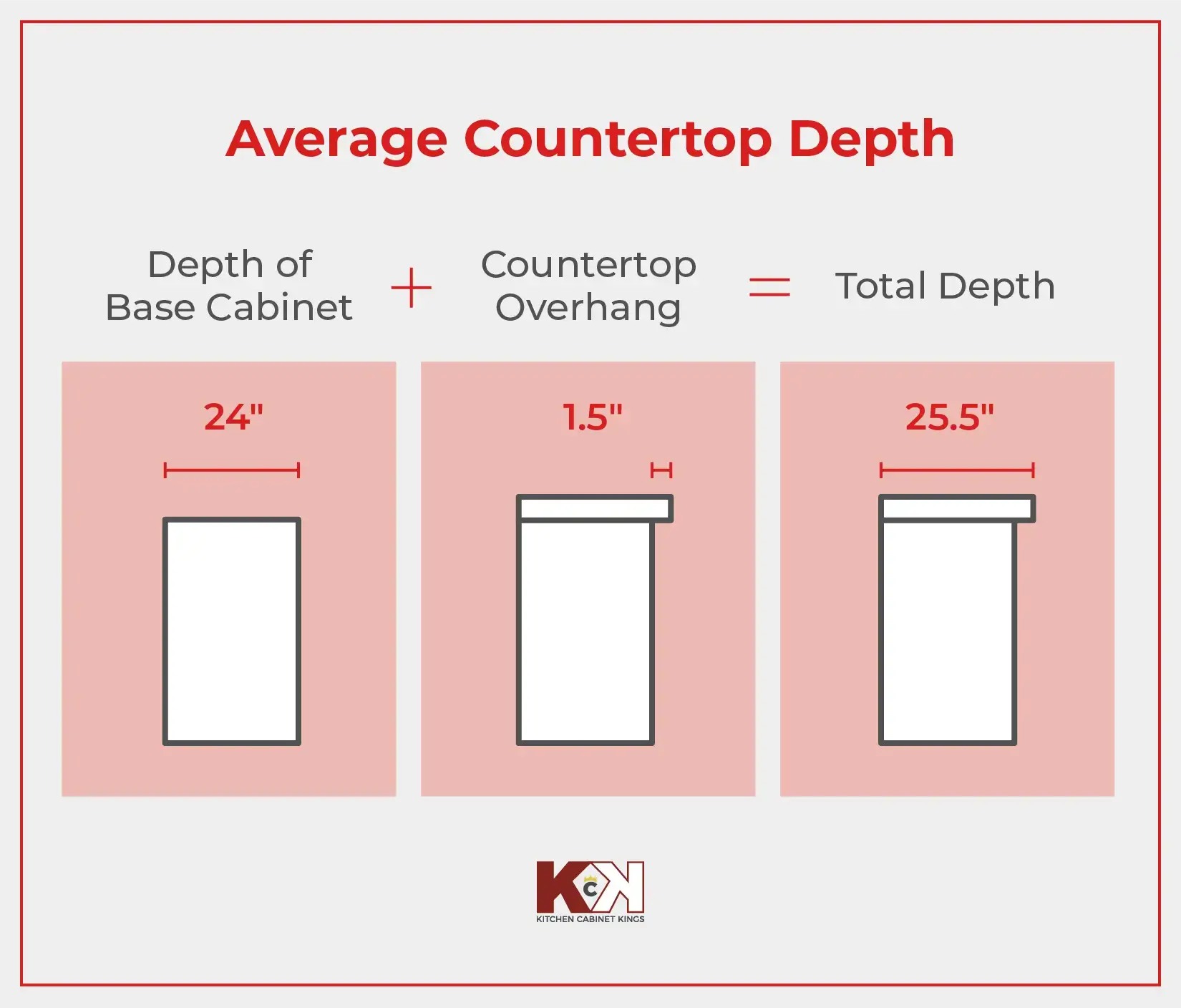
Image Source: cdn.kitchencabinetkings.com
Determining Standard Countertop Depths
When we talk about kitchen counters, we’re usually thinking about depth. The average kitchen counter depth is a vital consideration for everyday tasks.
The 25-Inch Standard
The most common kitchen counter depth you’ll find in kitchens is 25 inches. This depth provides a good balance between having enough space to prepare food and not making the kitchen feel cramped. It’s deep enough to comfortably fit standard-sized appliances like toasters and blenders, while still allowing ample room for chopping vegetables or rolling out dough.
Deeper Options for More Space
Some kitchens opt for a deeper counter, often 30 inches. This extra depth can be incredibly useful if you have a larger kitchen or if you frequently engage in extensive meal preparation. A 30-inch deep counter offers more elbow room and can accommodate larger cutting boards and more ingredients simultaneously. This is a great choice for serious home chefs.
When Less is More: Small Kitchen Counter Width Considerations
For smaller kitchens, every inch counts. In these spaces, you might find that the small kitchen counter width is adjusted. While 25 inches is standard, some smaller kitchens might utilize slightly shallower depths to maximize the walkway space, though this is less common for the main prep areas. The focus here is on creating a functional layout without sacrificing too much precious floor space.
Unpacking Standard Kitchen Counter Widths
While depth is a primary concern, the width of your counter sections also plays a significant role in how you use your kitchen.
The Backbone of the Kitchen: Standard Widths
The standard kitchen counter width for a typical cabinet base is 24 inches. However, you can find cabinet bases in a variety of widths, commonly ranging from 12 inches to 48 inches, and even larger. The counter will usually overhang the cabinet by about 1.5 inches on each side, extending the total countertop dimensions. This overhang offers a finished look and protects the cabinet edges.
How Width Affects Your Workspace
The width of your counter sections directly impacts your kitchen workspace width. Wider counter spans mean more uninterrupted surface area for cooking and cleaning. A long, continuous counter is ideal for tasks that require a lot of movement, like assembling multiple dishes or having several people work in the kitchen at once.
The Rise of Kitchen Islands: Width Matters
Kitchen islands have become a staple in modern kitchens, and their width is a critical design element. The kitchen island width can vary greatly depending on the overall kitchen size and the intended use of the island.
Common Kitchen Island Widths
- Standard Island Width: Many islands are designed to be around 36 to 42 inches wide. This provides a comfortable working surface and allows for seating on one side.
- Larger Islands: For bigger kitchens, islands can easily reach 48 inches or even 60 inches in width. This allows for more substantial cabinetry, larger sinks, or built-in appliances.
- Narrower Islands: In more compact spaces, a narrower island, perhaps 30 to 36 inches wide, can still offer valuable counter space and a place to gather without overwhelming the room.
Island Width and Functionality
The width of your kitchen island dictates its function. A wider island can accommodate a larger sink, a cooktop, or more extensive seating. A narrower island might primarily serve as a prep surface or a breakfast bar. It’s also essential to consider the clearance around the island. You generally need at least 36 inches of clearance on all sides for comfortable movement, and 42-48 inches is even better, especially if you have multiple people using the kitchen. This clearance is a crucial part of the overall kitchen workspace width.
Custom Kitchen Counter Widths: Beyond the Standard
Not everyone fits into the standard mold, and that’s where custom kitchen counter width comes into play.
Tailoring to Your Needs
If the standard countertop dimensions don’t suit your lifestyle or kitchen layout, custom options are available. You might need a longer counter section to fit a specific wall, or perhaps you want an extra-deep counter for a specialized task. Custom counters allow you to optimize your kitchen’s functionality precisely to your needs.
When Customization is Key
- Unique Layouts: Kitchens with unusual shapes or architectural features might require custom counter widths to ensure a seamless fit.
- Specific Appliances: If you have an unusually sized appliance that needs to be integrated into your countertop, custom dimensions are essential.
- Personal Preferences: Some homeowners simply prefer a wider or narrower counter than the standard offers for their own comfort and workflow.
The Impact of Customization on Kitchen Counter Height and Width
When going custom, you can adjust both the kitchen counter height and width. While standard heights are also important, custom heights can be specified for ergonomic benefits or to match existing furniture. The width, of course, can be extended or reduced as needed.
Exploring Different Countertop Materials and Their Dimensions
The material you choose for your countertops can also influence the available dimensions.
Granite and Quartz: Versatile Choices
Granite and quartz are popular choices, often available in large slabs. This means that you can often get very long, continuous counter runs without seams, contributing to a cleaner look and a more expansive kitchen workspace width. The standard slab sizes can influence the maximum seamless width, but fabricators can often cut and join these materials to fit almost any desired countertop dimensions.
Laminate: Budget-Friendly and Adaptable
Laminate countertops are incredibly versatile and can be cut to a wide range of sizes. This makes them a great option for achieving specific small kitchen counter width requirements or for creating custom-sized kitchen islands. They are generally available in standard depths, but custom cuts are common.
Solid Surface: Seamless Integration
Solid surface materials like Corian can be fabricated into virtually any shape and size, allowing for truly custom countertop dimensions. They are known for their seamless appearance, meaning sinks can often be integrated directly into the countertop without visible seams, which adds to the aesthetic appeal and can be an advantage when considering the overall kitchen counter depth.
Butcher Block: Warmth and Workability
Butcher block countertops offer a warm, natural look. They are typically available in standard widths, but they can also be custom-made or joined to create longer sections. The average kitchen counter depth for butcher block is similar to other materials, but the thickness can vary, which can impact the overall feel of the counter.
Stainless Steel: Professional Appeal
Stainless steel countertops are a favorite in professional kitchens and are increasingly popular in homes. They can be fabricated to precise countertop dimensions, offering a sleek, durable, and hygienic surface. This material is excellent for maximizing kitchen workspace width with minimal seams.
Kitchen Counter Height and Width: A Complete Picture
It’s important to consider both kitchen counter height and width together for optimal ergonomics and flow.
The Standard Height Equation
The standard kitchen counter height is 36 inches from the floor to the top of the counter. This height is generally considered comfortable for most adults for a variety of tasks. However, this height is measured to the top of the countertop, and the cabinet base is usually around 34.5 inches, with the countertop itself being 1.5 inches thick.
Adjusting for Comfort and Function
- Ergonomics: If you are particularly tall or short, adjusting the kitchen counter height can significantly improve comfort and reduce strain during food preparation.
- Appliance Integration: The height of your countertop needs to accommodate standard appliance heights, like dishwashers, which are typically 34 inches tall, allowing for a 2-inch gap for the countertop to sit over.
- Baking Stations: Some homeowners opt for a lower countertop section specifically for baking, which can be around 30-32 inches high, making kneading and rolling dough much easier.
How Width Complements Height
The standard kitchen counter width of 25 inches, paired with the 36-inch height, creates a functional and accessible workspace. When you consider a kitchen island width of, say, 42 inches, it offers a substantial area for multiple users or tasks. The interplay between height and width creates the overall usability of your kitchen.
Maximizing Your Kitchen Workspace Width
Effective use of your kitchen workspace width is key to an efficient kitchen.
Strategic Layout
Think about how you move around your kitchen. Placing your primary prep area between the refrigerator and the sink, with ample counter space on either side, is a common and effective strategy. This ensures you have a good kitchen workspace width right where you need it.
The Importance of Clearance
As mentioned, adequate clearance is crucial. This isn’t just about how wide your counters are, but also how much space you have to move around them. Aim for at least 36 inches between counters or cabinets. This applies to kitchen island width as well.
Accessory Placement
Consider how accessories like microwaves, coffee makers, or toaster ovens will fit into your countertop dimensions. Ensure there’s enough dedicated counter space for these items without them encroaching on your primary prep areas.
Countertops for Specific Needs: Bar Counter Width and More
Beyond the main kitchen area, other countertop surfaces have their own dimensional considerations.
The Bar Counter Width
A bar counter width is typically designed for seating and socializing. While the height is often higher than standard kitchen counters (usually 40-42 inches for a bar, or 30-36 inches for a counter-height seating area), the depth is often shallower. A common bar counter width or depth might be around 12-18 inches for a simple ledge, allowing guests to comfortably rest drinks and plates. If it’s a more substantial island bar, the depth might increase to 24 inches or more to incorporate storage or appliances.
Small Kitchen Counter Width Solutions
In tight spaces, creativity is key. Consider:
- Pull-out cutting boards: These can be integrated into cabinets, providing extra kitchen workspace width only when needed.
- Fold-down counters: These offer flexible counter space that can be stored away when not in use.
- Narrower islands: A slim island can provide much-needed counter and storage space without blocking traffic flow.
Custom Kitchen Counter Width for Unique Needs
For specialized hobbies or professional kitchens within a home, custom dimensions are often necessary. This could involve:
- Extra-deep counters: For hobbies like sewing or crafting that require more surface area.
- Specific heights: For ergonomic comfort during prolonged standing tasks.
- Unusual widths: To accommodate built-in equipment or to maximize the use of a particular wall.
Frequently Asked Questions About Kitchen Counter Dimensions
Here are some common questions about kitchen counter sizes:
What is the standard depth of a kitchen counter?
The average kitchen counter depth is 25 inches, though 30-inch depths are also common.
Can I have kitchen counters that are not standard sizes?
Yes, custom kitchen counter width and depth are readily available to fit specific needs and kitchen layouts.
How much overhang should my kitchen counters have?
A typical overhang is 1.5 inches on the sides and the front. This should be factored into your countertop dimensions.
What is the ideal width for a kitchen island?
The ideal kitchen island width depends on your kitchen size, but 36 to 42 inches is common for functional islands with seating.
How does kitchen counter height and width affect usability?
Both kitchen counter height and width are crucial for ergonomics and workflow. Proper dimensions ensure comfort and efficiency during cooking and other kitchen tasks, contributing to an optimal kitchen workspace width.
What are typical countertop dimensions for a small kitchen?
For a small kitchen counter width, you might see slightly shallower depths or narrower islands to maximize walkway space, but standard 25-inch depths are still common for main prep areas.
By carefully considering these dimensions – the standard kitchen counter width, kitchen counter depth, and how they relate to kitchen island width and other countertop dimensions – you can create a kitchen that is not only beautiful but also highly functional and a joy to work in. Whether you opt for standard sizes or explore custom kitchen counter width options, thoughtful planning of your kitchen workspace width and overall kitchen counter height and width is key to success.