
So, what’s the ideal width for your kitchen island? While there’s no single answer, most kitchen islands range from 3 feet (36 inches) to 5 feet (60 inches) wide. This is a great starting point, but the perfect width for your kitchen depends on several factors, including your kitchen’s overall size, how you plan to use the island, and the flow you want to achieve.
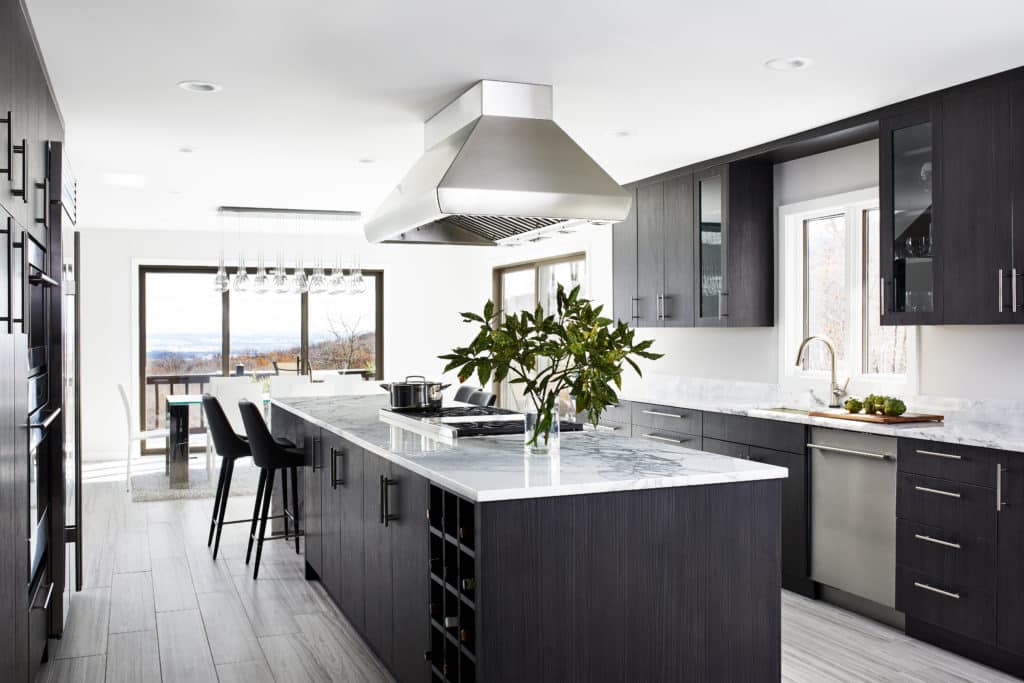
Image Source: jackrosen.com
Deciphering Kitchen Island Dimensions
Choosing the right size for your kitchen island is a crucial step in creating a functional and beautiful kitchen. It’s not just about aesthetics; the kitchen island dimensions directly impact how you move, cook, and entertain in your home. Too small, and it might feel lost or offer little practical benefit. Too large, and it can overpower the space and create awkward navigation. Let’s dive into the specifics to help you find the perfect fit.
Standard Kitchen Island Size: The Common Ground
When we talk about standard kitchen island size, we’re looking at what commonly works for many kitchens. Most manufacturers offer islands in a range of widths and depths that cater to typical kitchen layouts.
- Width: As mentioned, 3 to 5 feet (36 to 60 inches) is the most common range for the width of a kitchen island. This range provides a good balance of countertop space and maneuverability in most kitchens.
- Depth: Standard kitchen island depth often falls between 2 to 3 feet (24 to 36 inches). This depth allows for comfortable seating, storage, and workspace.
- Height: The standard height for a kitchen island is typically the same as your kitchen countertops, which is around 36 inches (91.4 cm). However, some islands incorporate a raised breakfast bar, which might be around 42 inches (107 cm) high.
These standard sizes are excellent guidelines, but they are not rigid rules. Your kitchen is unique, and so should be your island.
Minimum Kitchen Island Width: When Space is Tight
For smaller kitchens, the question often becomes, “What’s the minimum kitchen island width I can get away with?” It’s possible to have a functional island even in a compact space.
- Narrower Islands: You can find or customize islands as narrow as 2 feet (24 inches). These are often designed for more utilitarian purposes, like providing extra prep space or a small serving area.
- Consider Functionality: Even with a narrow island, think about what you want to achieve. If it’s just for a bit of extra workspace, 24 inches might be enough. If you want to tuck in a couple of stools, you’ll need to ensure there’s enough width for comfortable seating and clearance.
Small Kitchen Island Dimensions: Making the Most of Limited Space
When dealing with small kitchen island dimensions, every inch counts. The goal is to maximize utility without sacrificing flow.
- Compact Widths: Opt for islands in the 24 to 36-inch width range.
- Smart Depth: A depth of 24 inches is often sufficient for a functional island in a small kitchen. This allows for a standard countertop depth and potentially a shallow cabinet or open shelving.
- Wheeled Islands: Consider a kitchen island on wheels. These can be moved out of the way when not in use, offering flexibility. Their widths can vary, but many are designed to be compact.
- Butcher Block Tops: A narrower butcher block can add prep space without a bulky foundation.
Ideal Kitchen Island Width: Finding Your Sweet Spot
What is the ideal kitchen island width? This is where personal preference and usage patterns come into play. The ideal width is one that feels comfortable for your daily tasks and doesn’t obstruct your kitchen’s layout.
- Generous Workspace: If you love to cook, bake, or entertain, a wider island (4 to 5 feet or more) can provide ample prep space, room for multiple cooks, and a central gathering spot.
- Seating Considerations: Do you envision casual meals or morning coffee at your island? Factor in the width needed for comfortable seating. Each person typically needs about 24 inches of linear space at the counter.
- Appliance Integration: If you plan to incorporate appliances like a stovetop, sink, or dishwasher into your island, this will influence the minimum width required. A cooktop often needs at least 30 inches of width on its own, plus landing space on either side.
Kitchen Island Depth: More Than Just Surface Area
The kitchen island depth is as important as its width. It dictates how much you can do on its surface and how much storage you can incorporate.
- Standard Depth: As mentioned, 24 to 36 inches is standard.
- 24 inches: Suitable for simple prep space and potentially seating on one side, especially in tighter kitchens.
- 30 inches: Offers a good balance of workspace and allows for deeper cabinets on the working side.
- 36 inches: Provides substantial workspace and can accommodate deeper storage solutions, like pull-out shelves or specialized drawers.
- Seating Depth: If you plan to have seating on one side, ensure the depth is sufficient. A 15-inch overhang is generally considered comfortable for legroom when using a standard 36-inch high counter. If you have a taller bar height counter (42 inches), a 12-inch overhang is usually adequate.
Kitchen Island Clearance: The Unsung Hero of Layout
Achieving the right kitchen island clearance is paramount for a smooth-functioning kitchen. This refers to the space around the island, allowing for easy movement.
- Work Aisles: The most critical clearance is around the working areas of the kitchen.
- Between Island and Main Countertops/Appliances: Aim for at least 42 inches (107 cm) of clearance between the island and any opposing cabinets, countertops, or appliances. This allows one person to comfortably work and another to pass through.
- Ideal Clearance: For more generous movement, especially in a busy kitchen or if two people will frequently be working on opposite sides of the island, aim for 48 inches (122 cm) or more.
- Seating Clearance: If you have seating at your island, ensure there’s enough space for people to pull out chairs and get in and out comfortably.
- With Chairs Pulled Out: Allow at least 30 inches (76 cm) from the edge of the island to any obstruction for someone to sit and have enough legroom.
- Walkway Behind Seating: If there’s a walkway behind the seating area, ensure at least 36-48 inches of clearance from the island to the next obstruction (like a wall or another piece of furniture) when chairs are in use.
Balancing Width and Clearance
The width of your island and the necessary clearances are interconnected. A wider island will naturally require more space around it to maintain functional walkways.
- Example: If you have a 4-foot (48-inch) wide island and you need 42 inches of clearance on each side, your kitchen needs to be at least 48 inches (island) + 42 inches (clearance) + 42 inches (clearance) = 132 inches (11 feet) wide in that area.
Large Kitchen Island Size: Grand Statements
For spacious kitchens, a large kitchen island size can be a stunning focal point and offer incredible functionality.
- Extended Widths: Islands can easily extend to 6 feet (72 inches), 8 feet (96 inches), or even longer. These larger islands can accommodate multiple seating areas, extensive storage, and even integrated features like a beverage center or a built-in wine fridge.
- Consider Proportion: While ample space is great, ensure the island’s size is proportionate to the overall kitchen. An oversized island in a moderately sized kitchen can make the space feel cramped.
- Traffic Flow: With a larger island, careful planning of the kitchen island layout width is crucial to maintain good traffic flow throughout the kitchen and adjoining areas.
Custom Kitchen Island Width: Tailoring to Your Needs
When standard sizes don’t quite fit, custom kitchen island width is your answer. This allows you to design an island that perfectly matches your kitchen’s dimensions and your specific needs.
- Measure Your Space Precisely: Before designing, measure your kitchen multiple times. Consider doorways, windows, and existing traffic patterns.
- Define Your Usage: Will it be primarily a prep zone, a dining area, a social hub, or a combination? This will dictate the ideal dimensions.
- Work with a Designer: Kitchen designers or cabinet makers can help you create a custom island that maximizes your space and meets your aesthetic and functional requirements. They can advise on optimal widths and depths based on your kitchen’s footprint.
Kitchen Island Layout Width: Integrating into Your Design
The kitchen island layout width is about how the island’s dimensions integrate with the rest of your kitchen’s design.
- Galley Kitchens: In a galley kitchen, a narrower island with ample clearance on both sides is often necessary to allow passage. Aim for at least 48 inches of clearance in a galley layout.
- L-Shaped and U-Shaped Kitchens: These layouts often have more flexibility for island placement and size. You can often accommodate wider islands in these configurations, provided there’s still adequate clearance.
- Open-Concept Kitchens: In open-concept spaces, the island often serves as a visual divider between the kitchen and living or dining areas. Its width can influence the perceived size and flow of the entire space.
Factors Influencing Your Kitchen Island Width Choice
Beyond basic measurements, several factors will sway your decision on the ideal island width.
Kitchen Size and Shape
This is perhaps the most significant determinant.
- Small Kitchens (Under 150 sq ft): Focus on compact designs.
- Width: 24-36 inches.
- Depth: 24-30 inches.
- Clearance: Minimum 36 inches, ideally 42 inches where possible.
- Medium Kitchens (150-250 sq ft): More flexibility.
- Width: 36-48 inches.
- Depth: 30-36 inches.
- Clearance: Aim for 42-48 inches.
- Large Kitchens (Over 250 sq ft): Can accommodate substantial islands.
- Width: 48 inches and up, potentially 60 inches or more.
- Depth: 36 inches or more.
- Clearance: 48 inches or more is recommended for comfortable movement.
Consider the shape of your kitchen too. A long, narrow kitchen might benefit from a longer, narrower island, while a square kitchen can accommodate a more proportionate, squarer island.
Intended Use and Functionality
How you plan to use your island will dictate its required dimensions.
- Prep and Cooking Zone: If your island is the primary workspace, you’ll want ample countertop surface. This might mean a wider island with more depth to accommodate appliances, cutting boards, and plating.
- Dining and Seating Area: If you plan to seat 2-4 people, you’ll need to factor in the width required for comfortable seating (24 inches per person) and the overhang for legroom. A depth of at least 30-36 inches is typically needed to accommodate seating and potentially storage behind it.
- Storage Hub: Islands can offer significant storage. Deeper islands (36 inches) allow for deeper cabinets or specialized pull-out storage. The width will determine how many cabinets or drawers you can fit.
- Appliance Integration:
- Sink: Typically requires at least 30-36 inches of cabinet space, plus countertop space on either side for prep and drying.
- Cooktop: Needs at least 30 inches for the cooktop itself, plus landing space on both sides for placing hot pans. This often pushes the minimum island width to 36-48 inches.
- Dishwasher: Requires standard cabinet space (usually 24 inches wide).
Traffic Flow and Kitchen Layout
Good traffic flow is non-negotiable. An island that impedes movement will quickly become a nuisance.
- The Work Triangle: Even with an island, the concept of the work triangle (sink, stove, refrigerator) is still relevant. Ensure your island doesn’t disrupt the ease of movement between these key zones.
- Entryways and Exits: Make sure the island doesn’t block main pathways into or out of the kitchen, or to other rooms.
- Clearance is Key: As detailed earlier, maintaining adequate clearance is vital. Always measure from the edge of your island to the nearest obstruction.
Aesthetics and Visual Balance
The island should complement the overall design of your kitchen.
- Proportion: A massive island can overwhelm a small kitchen, while a tiny island can look lost in a grand space. Ensure the island’s width and depth are in proportion to the room’s size.
- Visual Weight: Consider the style and material of the island. A chunky, solid island will have more visual weight than a sleek, open-design island. This can influence how large it appears.
- Centerpiece vs. Functional Element: Decide if the island will be a dominant centerpiece or a more subtle, functional addition. This will influence how bold you can be with its dimensions.
Practical Tips for Measuring and Planning
Getting the measurements right from the start can save you a lot of headaches later.
Measure Your Kitchen Accurately
- Use a good quality tape measure.
- Measure the entire length and width of your kitchen space.
- Note the location of windows, doors, and existing cabinetry.
- Mark out potential island locations on the floor using painter’s tape. This helps visualize the space.
- Consider ceiling height if you’re planning pendant lights above the island.
Visualize the Space with Tape
Once you have your potential island dimensions, use painter’s tape on the floor to mark out the proposed width, depth, and clearance zones. Walk around it, sit at it, and pretend to cook. This “mock-up” is invaluable for truly feeling the space.
Create a Functional Kitchen Island Layout
Your kitchen island layout width should prioritize functionality.
- Single-Person Workflow: If it’s mainly for one cook, 36-42 inches of clearance around the island is usually sufficient.
- Multi-Person Workflow: If multiple people cook or frequent the kitchen, 42-48 inches or more is ideal.
- Seating Areas: Ensure that when chairs are pulled out, there’s still adequate clearance for movement.
Common Island Width Mistakes to Avoid
- Not Enough Clearance: This is the most frequent error. An island that’s too close to cabinets or appliances creates a bottleneck.
- Overly Large Island in a Small Kitchen: This makes the space feel cluttered and difficult to navigate.
- Ignoring Traffic Flow: Placing an island in a main thoroughfare can disrupt the entire kitchen’s functionality.
- Not Considering Seating Needs: Underestimating the space needed for chairs and legroom can make island dining uncomfortable.
- Failing to Account for Appliance Needs: If you want a sink or cooktop, ensure the island is wide enough to accommodate it with proper landing space.
The Width Spectrum: From Compact to Capacious
Let’s recap the width spectrum to help you pinpoint what might work for you:
| Island Width Range | Typical Use Cases | Considerations |
|---|---|---|
| 24-30 inches | Small kitchens, prep islands, narrow walkways | Very limited workspace, may not accommodate seating comfortably. Best for specific, limited functions. |
| 30-36 inches | Compact kitchens, islands with seating on one side | Can offer some prep space and seating for 1-2. Requires careful planning for clearance. |
| 36-48 inches | Medium kitchens, versatile prep & dining, some storage | A popular choice for good balance of workspace, seating for 2-3, and storage. Allows decent clearance. |
| 48-60 inches | Larger kitchens, primary prep & gathering space | Excellent for multiple cooks, ample seating, and integrated appliances. Requires more overall kitchen space. |
| 60+ inches | Very large kitchens, extensive workspaces, entertaining | Can be multi-functional with sinks, cooktops, seating, and extensive storage. Needs substantial room. |
FAQs
What is the minimum clearance around a kitchen island?
The minimum clearance around a kitchen island, especially for walkways between the island and cabinets or appliances, is generally considered to be 36 inches (91.4 cm). However, 42 inches (107 cm) is highly recommended for comfortable movement and working. For areas where traffic will be heavier or two people will frequently be working near each other, 48 inches (122 cm) is ideal.
Can I fit a kitchen island in a small kitchen?
Yes, you can! For small kitchens, look for small kitchen island dimensions, often in the 24-36 inch width range. Consider islands on wheels, narrow designs, or ones with a smaller footprint that prioritize functionality without overwhelming the space.
What is a standard kitchen island depth?
A standard kitchen island depth typically ranges from 24 inches (61 cm) to 36 inches (91.4 cm). A 24-inch depth is common for islands that are primarily for prep or seating on one side, while 30-36 inches allows for deeper storage and more substantial workspace.
How much space do I need behind island seating?
You need adequate space for chairs to be pulled out and for people to walk behind them. For comfortable seating, allow at least 30 inches (76 cm) from the edge of the island to the nearest obstruction for legroom. If there’s a walkway behind the seating area, ensure there’s at least 36-48 inches (91.4-122 cm) of clearance from the island to the next obstruction when chairs are in use.
How wide should an island be if I want to add a sink?
If you plan to install a sink in your island, you’ll need to consider the cabinet size required for the sink, plus countertop space on either side for prep and drying. A common recommendation for an island with a sink is a minimum width of 48 inches (122 cm), but 60 inches (152.4 cm) or more is often preferred to provide ample workspace.
What is the ideal kitchen island width for seating four people?
To seat four people comfortably, you’ll need approximately 24 inches of linear space per person. This means your island’s width needs to be at least 96 inches (8 feet) if all four are seated on one side. If you have seating on two sides, you could achieve this with a narrower island. Always factor in the overhang for legroom, which typically requires an additional 10-15 inches of depth.
By carefully considering these dimensions and clearances, you can select or design a kitchen island that perfectly balances style, functionality, and flow for your unique kitchen.