
So, you’ve found ants in your kitchen. This is a common problem for many homeowners. Ants get into kitchens because they are looking for food, water, and shelter, all of which are readily available in most kitchens.
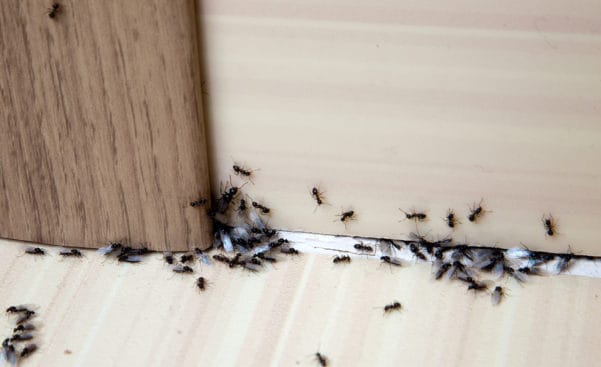
Image Source: www.callnorthwest.com
Deciphering the Presence of Ants in Your Kitchen
Ants in the kitchen are a nuisance, but they also signal a potential problem that needs addressing. These tiny invaders are not just appearing out of nowhere; they are drawn by specific attractants. Fathoming why ants are in your kitchen is the first step towards effective kitchen ant control.
Common Culprits: Identifying Kitchen Ants
Before you can effectively combat an ant problem, you need to know what you’re dealing with. Different ant species have different habits and preferences, which influences the best approach for eliminating ants kitchen.
Common Kitchen Ants You Might Find:
- Odorous House Ants: These ants are small, dark brown to black, and known for emitting a foul, coconut-like smell when crushed. They are opportunistic foragers and will eat almost anything, especially sweets.
- Carpenter Ants: These are larger ants, often black or reddish-black, and they don’t eat wood but tunnel into it to build nests. If you see larger ants, check for damaged wood or moisture issues.
- Pavement Ants: Typically black or brown, these ants are about 1/8 inch long and often nest outdoors in cracks of sidewalks or driveways. They find their way indoors seeking food.
- Pharaoh Ants: These are very small, light brown to reddish ants. They are attracted to sweets, fats, and proteins. They can be particularly difficult to control as they often create satellite nests.
- Sugar Ants: This is a more general term for ants that are attracted to sugary foods. They are typically small and range in color from light brown to black.
The Allure of Your Kitchen: Causes of Ants in Kitchen
Your kitchen is a veritable buffet for ants. Several factors make it an irresistible destination for these tiny pests.
1. Food Sources
This is the biggest draw. Ants are constantly searching for sustenance to feed their colony.
- Sweet Temptations: Spilled sugary drinks, crumbs from cookies or pastries, sticky residue on countertops, and even unsealed jars of jam or honey are prime targets.
- Grease and Fats: Small amounts of grease left on stovetops, around sinks, or from cooking can attract ants.
- Protein: Leftover pet food, crumbs from meat products, and even dead insects can be a protein source.
- Moisture: Ants, like all living creatures, need water. Leaky faucets, condensation on pipes under the sink, and standing water in pet bowls are attractive sources.
2. Entry Points
Ants are masters of infiltration. They can squeeze through incredibly small openings to gain access to your home.
- Cracks and Crevices: Tiny gaps in walls, around windows and doors, or where pipes enter your home are common entry points.
- Openings: Unscreened windows, doors left ajar, or even gaps around utility lines can allow ants to enter.
- Carried In: Sometimes, ants or their eggs can be accidentally brought into your home on potted plants, groceries, or even used furniture.
3. Shelter and Nesting Sites
While your kitchen might be the feeding ground, ants may also establish nests within or near your home if conditions are favorable.
- Moist Areas: Areas with high humidity, like under sinks, behind appliances, or in damp wall voids, can be attractive nesting sites.
- Warmth: Ants seek warmth, especially during cooler months, making attics, wall cavities, and even the insides of appliances potential nesting areas.
Navigating the Invasion: Ant Trails in Kitchen
One of the most definitive signs of an ant problem is the presence of ant trails in kitchen. These trails are not random wanderings; they are carefully orchestrated highways built by scout ants.
The Science Behind Ant Trails
Scout ants, upon finding a food source, will lay down a chemical scent trail made of pheromones as they return to their colony. Other ants then follow this scent to the food. This creates the visible lines of ants you often see marching across your countertops or floors.
- Pheromone Communication: Ants use these chemical signals to communicate vital information, including the location of food, water, and potential dangers.
- Efficiency: These trails ensure that foraging efforts are efficient, directing multiple ants to the same valuable resource.
Strategies for Eliminating Ants in Kitchen
Once you’ve identified the problem and the likely attractants, it’s time to implement eliminating ants kitchen strategies. A multi-pronged approach is usually the most effective.
Step 1: Cleanliness is Key
This is the most crucial step in both eliminating current ant infestations and preventing future ones.
- Sanitize Surfaces: Wipe down all countertops, tables, and stovetops regularly with a mild cleaner. Pay special attention to sticky spills or crumbs.
- Sweep and Mop: Keep floors clean by sweeping or vacuuming daily and mopping regularly to remove any fallen food particles.
- Secure Food: Store all food, especially sweets and open packages, in airtight containers. This includes pet food.
- Empty Trash Regularly: Ensure your kitchen trash can has a tight-fitting lid and empty it frequently. Rinse out the bin itself to remove any sticky residue.
- Deal with Leaks: Fix any leaky faucets or pipes immediately to eliminate water sources.
- Clean Pet Bowls: Wash pet food and water bowls daily.
Step 2: Disrupting Trails
Simply killing the ants you see won’t solve the problem because new ants will follow the pheromone trails. You need to disrupt these pathways.
- Vinegar Solution: A mixture of equal parts white vinegar and water can be used to wipe down surfaces. The vinegar smell can disrupt pheromone trails, and it also cleans effectively.
- Soapy Water: A simple solution of dish soap and water can also be used to wipe down trails. The soap breaks down the pheromones.
Step 3: Baiting for Control
Ant baits are designed to be carried back to the colony, effectively targeting the queen and other ants that don’t venture out.
- How Baits Work: Ants are attracted to the bait, which contains a slow-acting poison mixed with a sweet or protein-based attractant. They consume it and take it back to the nest.
- Placement: Place baits in areas where you see ant trails in kitchen, but out of reach of children and pets.
Types of Ant Baits:
- Gel Baits: These are often applied in small dots or lines in areas where ants are active.
- Liquid Baits: Placed in small bait stations, these mimic sweet liquids that ants consume.
- Granule Baits: These can be scattered in areas where ants are seen foraging.
Important Considerations for Baits:
- Patience: Baits take time to work as they need to be carried back to the colony. You may see an initial increase in ant activity as they are drawn to the bait.
- Don’t Spray: Avoid spraying insecticides near baits, as this can deter ants from taking the bait.
Step 4: Targeted Insecticides
For immediate knockdown of visible ants, targeted sprays can be used, but they should be a supplementary measure to baiting and sanitation.
- Spot Treatment: Use sprays specifically designed for ant control and apply them directly to visible ant activity or entry points.
- Read Labels Carefully: Always follow the instructions on the product label for safe and effective use.
Ant Prevention Kitchen: Keeping Them Out for Good
Prevention is always better than cure, especially when it comes to ant infestations. Implementing consistent preventive measures will significantly reduce your chances of seeing ants in your kitchen again.
Proactive Cleaning Habits
- Wipe Up Spills Immediately: Don’t let sugary or greasy spills sit. Clean them up as soon as they happen.
- Rinse Dishes: Rinse dirty dishes before placing them in the dishwasher or sink to remove food residue.
- Clean Pet Food Areas: Keep areas where pets eat clean and free of stray kibble or spilled water.
Sealing Entry Points
- Caulk Cracks: Inspect your kitchen for any small cracks or gaps in walls, around windows, doors, and where pipes enter the house. Seal these with caulk.
- Weatherstripping: Ensure doors and windows have proper weatherstripping to prevent ants from entering.
Managing Outdoor Attractions
Ants often start their journey from outside your home.
- Trim Vegetation: Keep branches and shrubs trimmed away from your house. Ants can use these as bridges to reach your home.
- Manage Trash: Ensure outdoor trash cans are sealed and kept away from the house if possible.
- Eliminate Water Sources: Fix any outdoor leaks or standing water that might attract ants.
Monitoring and Early Intervention
- Regular Inspections: Periodically check common ant entry points and areas where you’ve seen them before.
- Address Small Problems: If you see just a few ants, clean the area thoroughly and consider placing a bait station as a precautionary measure.
Best Ant Killer Kitchen: Choosing the Right Solution
When you need to tackle an ant problem, selecting the best ant killer kitchen depends on the severity of the infestation and your preferred method of control.
Baiting Systems: A Colony Approach
- Pros: Highly effective for eliminating the entire colony, targets the source, generally safer around pets and children when used as directed.
- Cons: Takes time to work, requires patience.
- Examples: Terro Ant Baits, Advion Ant Gel Bait, Raid Ant Baits.
Insecticide Sprays: Quick Knockdown
- Pros: Kills ants on contact, provides immediate visible results.
- Cons: Doesn’t address the colony, can be harmful if misused, may deter ants from bait if sprayed nearby.
- Examples: Raid Ant and Roach Killer, Terro Ant Killer Spray.
Natural and DIY Solutions
- Pros: Less toxic, readily available ingredients.
- Cons: Effectiveness can vary, may require frequent reapplication.
- Examples:
- Vinegar: Disrupts pheromone trails.
- Diatomaceous Earth: Food-grade DE can be sprinkled in cracks and crevices; it dehydrates ants.
- Peppermint Oil: Ants dislike the strong scent.
- Borax and Sugar: A homemade bait (use with extreme caution around pets and children, as borax is toxic).
Table: Ant Killer Options and Considerations
| Type of Killer | Primary Mechanism | Best For | Considerations |
|---|---|---|---|
| Ant Baits | Ingestion and transfer to colony | Eliminating entire ant infestations | Takes time, requires placement where ants can access, do not spray near baits |
| Insecticide Sprays | Contact kill, residual effect | Quick knockdown of visible ants | Potential harm to non-target organisms, doesn’t solve colony issue |
| Diatomaceous Earth | Physical abrasion/dehydration of exoskeleton | Creating barriers, treating cracks/crevices | Safe for pets/children if food-grade, can be messy, less effective outdoors |
| Natural Repellents | Odor deterrence | Discouraging ants from certain areas | Less effective for eliminating active infestations, requires reapplication |
When to Call the Professionals
If you have a persistent ant infestation that you cannot control with DIY methods, or if you suspect you are dealing with carpenter ants, it’s time to call a pest control professional. They have access to stronger treatments and can identify nesting sites you might miss.
Frequently Asked Questions About Kitchen Ants
Q1: Can I get rid of ants in my kitchen using only natural methods?
While natural methods like vinegar, peppermint oil, and diatomaceous earth can help deter ants and disrupt trails, they are often not enough to eliminate a significant ant infestation. For a complete solution, especially for larger colonies, baits or professional intervention may be necessary.
Q2: How do I find the ant nest?
Ant nests can be tricky to locate. Often, they are found in wall voids, under floors, in insulation, or even outdoors in the soil. Following the ant trails in kitchen can sometimes lead you closer to the entry point, which may be near the nest. Observing where ants are coming from and going to is key.
Q3: Why do ants keep coming back even after I clean?
Ants are persistent. If you clean but don’t eliminate the food source or seal entry points, they will continue to find their way in. Also, if the colony is nearby and has a well-established foraging route, they will keep returning until the colony itself is dealt with, often through effective baiting.
Q4: Is it safe to use ant killer if I have pets or children?
It is crucial to read and follow all product labels carefully. Many ant baits are designed to be less toxic to mammals than insects, but they should still be placed out of reach of children and pets. Natural methods are generally safer, but even these require careful handling.
Q5: What is the best ant killer kitchen solution for a severe infestation?
For a severe ant infestation, a combination of thorough cleaning, strategic baiting, and potentially professional pest control is the most effective approach. Baits are often considered the best ant killer kitchen solution because they target the entire colony, including the queen.
By employing diligent cleaning, strategic prevention, and the right control methods, you can reclaim your kitchen from unwelcome ant visitors.