
Do you find tiny invaders marching across your countertops or disappearing into cupboards? If you’re asking, “Why do I have ants in my kitchen?” the answer is usually that they’ve found a reliable source of food, water, or shelter. The most common kitchen ants you’ll encounter are typically small and brown or black, like Odorous House Ants, Pavement Ants, or Pharaoh Ants, all drawn by the appealing aromas and readily available resources your kitchen provides.
Discovering an ant infestation in your kitchen can be frustrating, but it’s a common problem with many solutions. This comprehensive guide will delve into the reasons behind their presence, help you identify the culprits, and offer effective strategies for kitchen ant control, from simple fixes to professional intervention.
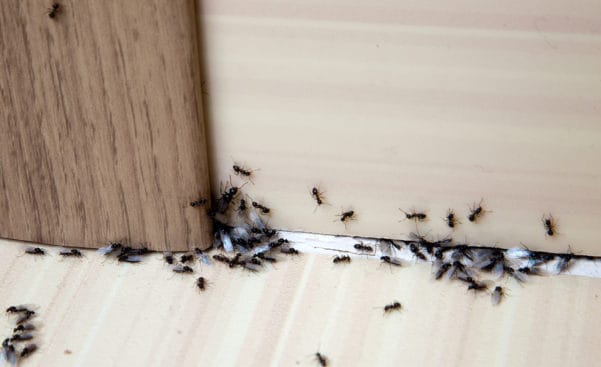
Image Source: www.callnorthwest.com
Deciphering Ant Attraction Factors
Ants are tiny explorers, constantly searching for what they need to survive and thrive. Your kitchen, with its abundance of crumbs, spills, and moisture, is often a prime destination. Let’s break down what draws them in:
Sweet Temptations
Ants have a particular fondness for sugar. Any sticky residue from spilled juice, jam, honey, or even a single sugar granule left on the counter can act as a beacon. They are particularly attracted to:
- Sugary drinks: Open soda cans, forgotten coffee cups, or even sweet residue in the bottom of a glass.
- Fruit: Overripe fruit left on the counter can be a major attractant.
- Sweet snacks: Crumbs from cookies, cakes, pastries, or candies.
- Pet food: Many pet foods contain sugars and other ingredients that appeal to ants.
Protein and Fats
While sweets are a favorite, ants also seek out protein and fats. These are crucial for their colony, especially for feeding the young. Look for:
- Grease and oil: Residue from cooking on stovetops, backsplashes, or in sinks.
- Meats and cheeses: Leftover scraps or crumbs from meals.
- Pet food: As mentioned, pet food is a double threat, often containing both sugars and proteins.
Water Sources
Ants, like all living creatures, need water to survive. Even small amounts of moisture can be enough to attract them. Common water sources in a kitchen include:
- Leaky pipes: Dripping faucets under the sink or behind appliances.
- Condensation: Around refrigerators or dishwashers.
- Pet water bowls: Even a small amount of spilled water.
- Damp sponges or dishrags: Left sitting out.
- Sink drains: Standing water can be a water source.
Shelter and Nesting Sites
While your kitchen might not seem like a cozy home, ants can find surprisingly small spaces to establish nests. They are often attracted to:
- Warmth: Near appliances like refrigerators or ovens.
- Moisture: In damp areas, such as under sinks or behind dishwashers.
- Dark, undisturbed spaces: Cracks and crevices in walls, behind cabinets, or even inside electrical appliances.
Identifying Common Kitchen Ants
Knowing which type of ant is visiting your kitchen can help tailor your control methods. Here are some of the most frequent culprits:
Odorous House Ants (Tapinoma sessile)
These are perhaps the most common ants found in kitchens.
- Appearance: Small (about 2.5 to 3.3 mm long), dark brown to black.
- Behavior: They are often seen in large numbers, forming distinct ant trails leading to food sources. When crushed, they emit a strong, unpleasant odor, often described as rotten coconut or pungent.
- Nesting: They can nest in a variety of locations, both indoors and outdoors, including wall voids, under sinks, and even in potted plants.
Pavement Ants (Tetramorium caespitum)
These ants are commonly found nesting in and around building foundations.
- Appearance: Small (about 2.5 to 4 mm long), dark brown to black, with lighter legs and antennae. They have a stinger but are generally not aggressive.
- Behavior: They tend to forage in ant trails and are attracted to sweets, grease, and proteins. You might see them marching in a line from an exterior crack into your kitchen.
- Nesting: Primarily nest outdoors under sidewalks, patios, and building foundations. However, they can easily enter homes through small cracks and crevices, often seeking food and water indoors.
Pharaoh Ants (Monomorium pharaonis)
These tiny ants are a more persistent problem.
- Appearance: Very small (about 1.5 to 2 mm long), light brown to yellowish or reddish.
- Behavior: They are attracted to sweets, proteins, and fats. Unlike other ants, they don’t leave easily visible ant trails. They are also notorious for their ability to spread to multiple locations within a structure, making them difficult to eradicate.
- Nesting: They can nest in numerous hidden locations, including wall voids, electrical outlets, behind baseboards, and even in piles of debris. Their small size allows them to access incredibly tight spaces.
Carpenter Ants (Camponotus spp.)
While less common as a primary kitchen pest for food raiding, they are a significant structural concern.
- Appearance: Larger than most other common ants, ranging from 6 to 20 mm long, and can be black, red, or a combination of both.
- Behavior: They don’t eat wood but tunnel through it to create nests. You might see them foraging for food, especially sweets, proteins, and other insects. Their presence can indicate moisture damage or wood rot.
- Nesting: Primarily nest in damp or decaying wood. In kitchens, this could mean wooden cabinets, window frames, or areas with hidden moisture.
Dealing with Ants in the Pantry
Your pantry is a treasure trove for ants, offering easy access to a variety of food sources. Ants in pantry situations are extremely common.
What Attracts Ants to the Pantry?
- Open or leaky packaging: Cereals, sugar, flour, cookies, and any food not stored in airtight containers.
- Spilled ingredients: A forgotten grain of rice, a sprinkle of sugar, or a drop of jam can be enough to start an infestation.
- Moisture: Damp areas in the pantry, perhaps from a leaky ceiling or condensation, can also be an attractant.
How to Keep Ants Out of Your Pantry
- Airtight Storage: Transfer all dry goods (flour, sugar, pasta, cereal, crackers, etc.) into airtight containers made of glass, metal, or sturdy plastic. This is one of the most effective ant prevention tips.
- Cleanliness is Key: Immediately wipe up any spills or crumbs. Regularly sweep and vacuum the pantry floor and shelves.
- Regular Audits: Periodically check all items for signs of damage or ant activity. Dispose of any infested food items promptly and securely outside your home.
- Seal Entry Points: Inspect the pantry for any small cracks or gaps where ants might be entering. Seal these with caulk.
Tracing Ant Trails: Your Detective Work
Observing ant trails is crucial for effective kitchen ant control. These trails are pathways that scout ants create, marking the route to a food source and back to the colony. They use pheromones (scent chemicals) to guide other ants.
Why Trails Matter
- Locating the Nest: By following the trail, you can often determine where the ants are coming from, which may lead you to their nest or a more significant entry point into your kitchen.
- Identifying Food Sources: The trails will lead you directly to what the ants are seeking, helping you eliminate the attractant.
How to Observe Ant Trails
- Patience: Watch quietly. Ants are less likely to scatter if they don’t feel threatened.
- Follow the Line: See where they are coming from and going to. Are they emerging from a crack in the wall, a gap in the baseboard, or a vent?
- Mark the Path (Carefully): If you need to remember the path, you can gently place a small, unobtrusive marker, but avoid disturbing the ants’ movement too much initially.
Natural Ant Remedies and Deterrents
Before reaching for harsh chemicals, consider these natural ant remedies and deterrents. These can be effective for minor infestations or as part of a broader prevention strategy.
Essential Oils
Certain essential oils have scents that ants dislike and can disrupt their pheromone trails.
- Peppermint Oil: A few drops on cotton balls placed near entry points can deter ants.
- Tea Tree Oil: Similar to peppermint, its strong scent is an effective repellent.
- Cinnamon Oil: Ants reportedly dislike the strong smell of cinnamon.
Vinegar
Vinegar is a powerful cleaning agent that also disrupts ant pheromones.
- Solution: Mix equal parts white vinegar and water in a spray bottle.
- Application: Spray directly on ant trails, entry points, and areas where you’ve seen ant activity. Wipe down surfaces with this solution after cleaning up spills.
Citrus Peels
The oils in citrus peels, particularly lemon and orange, can act as ant deterrents.
- Method: Place fresh citrus peels in areas where ants are present, such as near windowsills or pantry shelves.
- Note: Replace the peels every few days as they dry out.
Diatomaceous Earth (Food Grade)
This is a natural powder made from fossilized aquatic organisms.
- How it Works: When ants walk over it, the sharp edges of the fossil fragments scratch their exoskeletons, causing them to dehydrate and die.
- Application: Sprinkle a thin layer in dry areas where ants travel, such as along baseboards, under appliances, or in the pantry. Ensure it’s food-grade if you have pets or children.
Spices and Herbs
Several common kitchen spices can deter ants.
- Cinnamon: Sprinkle ground cinnamon along ant trails and entry points.
- Black Pepper: Similar to cinnamon, pepper can disrupt their paths.
- Cayenne Pepper: A more potent option, use with caution.
- Bay Leaves: Placing bay leaves in cupboards and pantries can deter ants.
- Chalk: Drawing a chalk line across entry points can sometimes deter ants, as they are reluctant to cross it.
Effective Kitchen Ant Control Strategies
When natural methods aren’t enough, or for more persistent infestations, you’ll need to employ more direct kitchen ant control methods.
Ant Baits
Ant baits are one of the most effective ways to eliminate an entire colony.
- How They Work: Baits contain a slow-acting poison mixed with a substance ants find attractive (usually sweet). Worker ants carry the bait back to the colony, feeding it to the queen and other ants, eventually killing the colony.
- Placement: Place baits near ant trails and entry points, but out of reach of children and pets.
- Patience is Key: It can take several days or even a week or two for baits to be fully effective, as the ants need time to transport the poison back to the colony. Avoid spraying insecticides near bait stations, as this can deter ants from taking the bait.
Ant Sprays and Powders
These can provide a quick knockdown of visible ants.
- Contact Sprays: Kill ants on contact but do not address the colony. Use these sparingly and strategically, focusing on visible trails or entry points.
- Residual Sprays: Leave a residue that continues to kill ants for a period after application.
- Insecticidal Powders: Can be applied to cracks, crevices, and voids where ants nest.
Important Considerations for Sprays and Powders:
- Read Labels Carefully: Always follow product instructions and safety precautions.
- Ventilation: Ensure good ventilation when using sprays.
- Targeted Application: Aim to apply products directly to ant trails and entry points rather than broadly spraying surfaces.
- Avoid Bait Interference: Do not use sprays near bait stations.
Comprehensive Ant Prevention Tips
The best way to deal with ants is to prevent them from entering your kitchen in the first place. These ant prevention tips are vital for long-term success:
Seal Entry Points
- Inspect Thoroughly: Walk around the exterior of your home and your kitchen, looking for any cracks or holes in walls, foundations, window frames, and door seals.
- Use Caulk: Seal any gaps and cracks with caulk. Pay special attention to areas where pipes or wires enter the house.
- Weather Stripping: Ensure doors and windows have good weather stripping.
Maintain a Clean Kitchen
This cannot be stressed enough! A clean kitchen is the most effective ant prevention tip.
- Wipe Down Surfaces Daily: Clean countertops, tables, and stovetops after every meal or snack preparation.
- Sweep and Vacuum Regularly: Don’t forget to clean under appliances and cabinets.
- Clean Spills Immediately: Even a small drop of sugary liquid can attract ants.
- Empty Trash Frequently: Use a trash can with a tight-fitting lid and empty it daily, especially if it contains food scraps.
- Rinse Dishes Promptly: Don’t leave dirty dishes in the sink. Rinse them, or place them in the dishwasher immediately.
- Clean Pet Food Bowls: Wash pet bowls regularly and don’t leave pet food out longer than necessary.
Manage Moisture
- Fix Leaks: Repair any leaky faucets or pipes promptly.
- Dry Wet Areas: Ensure sinks and countertops are dried after use. Don’t leave damp sponges or dishcloths lying around.
- Ventilation: Ensure good ventilation in areas prone to moisture, like under the sink.
Proper Food Storage
- Airtight Containers: As mentioned for pantry protection, this is crucial for all food items, including sugar, honey, cereal, and snacks.
- Store Pet Food Properly: Keep pet food in sealed containers.
Exterior Maintenance
- Trim Vegetation: Keep bushes and tree branches trimmed away from your house, as they can provide a bridge for ants to access your home.
- Remove Debris: Clear away leaf litter, woodpiles, and other debris from around your foundation, as these can provide nesting sites for ants.
When to Call for Professional Ant Removal
While many ant problems can be managed with DIY methods, there are times when you should consider calling in the experts.
Signs You Need Professional Help
- Persistent Infestations: If you’ve tried various methods and the ants keep returning, it’s likely a larger colony or a more complex issue.
- Difficulty Identifying the Ant: If you can’t pinpoint the source or type of ant, professionals have the expertise and tools for identifying kitchen ants.
- Carpenter Ants: If you suspect carpenter ants, it’s crucial to call a professional immediately. Their tunneling can cause significant structural damage to your home.
- Large Numbers of Ants: If you see a very large number of ants, it indicates a well-established colony that might be difficult to control on your own.
- Nests in Difficult Locations: If you suspect nests are in wall voids, attics, or other inaccessible areas, professional treatment is usually required.
What Professionals Offer
- Accurate Identification: Pest control professionals can accurately identify the species of ant, which is key to effective treatment.
- Targeted Treatment Plans: They develop customized plans based on the ant species, the severity of the infestation, and your home’s structure.
- Effective Products: Professionals have access to more potent and specialized insecticides and baits that are not available to the public.
- Guaranteed Results: Many pest control companies offer guarantees on their services.
- Preventative Measures: They can also advise on ongoing ant prevention tips to keep your home ant-free.
Frequently Asked Questions (FAQ)
Q1: Why are ants suddenly appearing in my kitchen?
Ants appear when they discover a readily available source of food, water, or shelter. This could be due to a spilled crumb, a leaky faucet, or new access points into your home.
Q2: Can I get rid of ants by just killing the ones I see?
No, killing visible ants won’t solve the problem. Ants you see are typically worker ants, and their colony, including the queen, continues to reproduce. You need to target the colony for effective control.
Q3: How long does it take for ant baits to work?
Ant baits can take anywhere from a few days to a couple of weeks to be fully effective. The ants need time to carry the bait back to the colony and distribute it, including to the queen.
Q4: Are ants in the kitchen dangerous?
Generally, common kitchen ants are more of a nuisance than a health hazard. However, they can contaminate food surfaces with bacteria they pick up from other environments. Carpenter ants, on the other hand, can cause structural damage.
Q5: What is the best way to prevent ants from coming back?
Consistent cleanliness, proper food storage in airtight containers, sealing entry points into your home, and managing moisture are the most effective ant prevention tips.
Q6: Can ants infest my electronics?
Yes, some ant species, particularly Pharaoh Ants, are known to nest in electrical equipment and appliances, attracted by the warmth and protected spaces.
Q7: My ant trails keep reappearing. What should I do?
If ant trails keep reappearing, it suggests that you haven’t fully eliminated the colony, or there are still attractive food or water sources. Re-evaluate your cleaning routine, food storage, and check for hidden moisture or entry points. Consider using baits strategically placed along the trails, and avoid using contact sprays that kill the ants before they reach the bait.
Q8: Is it safe to use insecticidal sprays around food?
It’s best to avoid spraying insecticides directly on food preparation surfaces or where food is stored. Always follow the product label for safe application areas and precautions. Natural remedies or baits placed in sealed bait stations are often safer alternatives for kitchens.
By following these detailed steps, you can effectively tackle any ant problem in your kitchen and enjoy a pest-free home. Remember that persistence and consistent ant prevention tips are your best allies.