
If you’re seeing cockroaches in your kitchen, it’s a common problem, and it generally means they’ve found a reliable source of food, water, and shelter. Identifying the specific type of cockroach and understanding their habits is the first step to effective control.
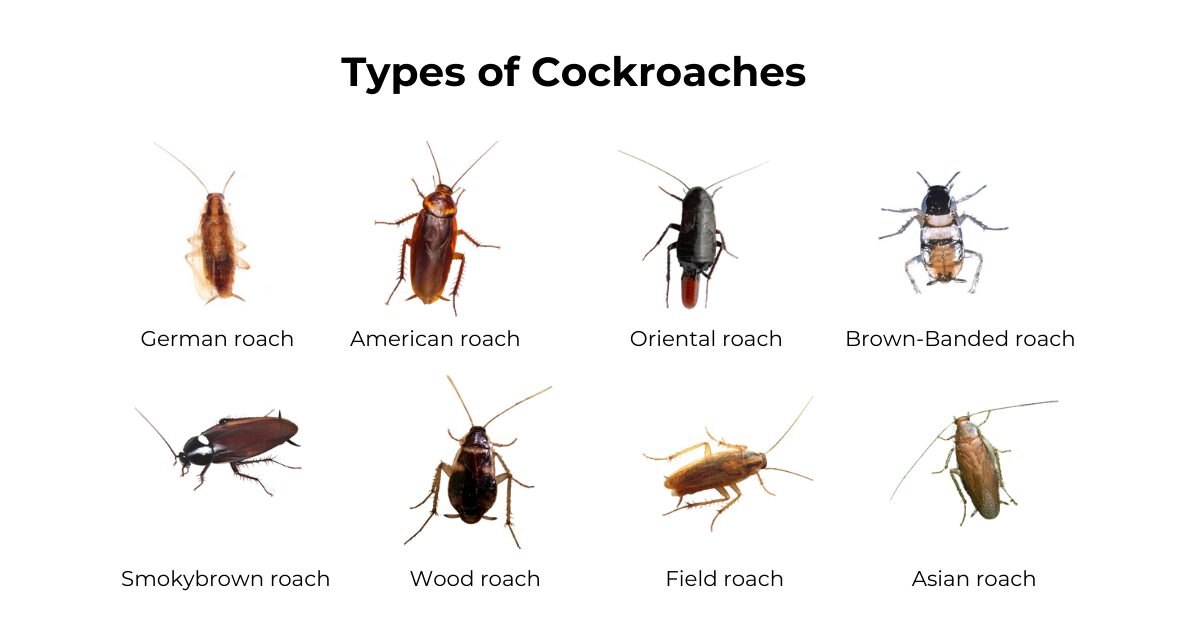
Image Source: smithspestmanagement.com
Decoding the Presence of Cockroaches
Seeing cockroaches in your kitchen is more than just an unpleasant sight; it’s a clear sign that these resilient pests have found your living space to be an ideal habitat. Why are cockroaches attracted to my kitchen? The answer usually boils down to the fundamental needs of any living organism: food, water, and shelter. Kitchens, with their constant supply of crumbs, spills, grease, and accessible water sources, are prime real estate for these unwelcome guests.
Identifying the Culprit: Recognizing Cockroach Species
Before you can effectively tackle a cockroach problem, it’s crucial to know which species you’re dealing with. Different types of cockroaches have varying sizes, behaviors, and preferred environments, which can influence the best approach for cockroach treatment.
German Cockroaches
- Size: Small, typically 1/2 to 5/8 inch long.
- Color: Light brown to tan with two dark parallel stripes on the pronotum (the shield-like area behind the head).
- Behavior: They are the most common household cockroach. They are highly attracted to warmth, humidity, and food sources. They can reproduce very quickly, leading to a significant cockroach infestation.
- Signs: You might see them scurrying when you turn on lights, especially at night. Look for droppings that resemble black pepper.
American Cockroaches
- Size: Large, typically 1 1/2 to 2 inches long.
- Color: Reddish-brown with a yellowish border on the pronotum.
- Behavior: These are the largest common cockroaches. They prefer dark, damp, and warm areas like basements, sewers, and crawl spaces, but they will venture into kitchens in search of food.
- Signs: Larger droppings, a musty odor, and seeing them in drains or utility areas.
Oriental Cockroaches
- Size: Medium to large, about 1 inch long.
- Color: Dark brown to black.
- Behavior: Known as “water bugs,” they thrive in cool, damp environments like basements, drains, and garbage areas. They are less agile than German cockroaches.
- Signs: A strong, unpleasant, musty odor is a key indicator. They are often found near water sources.
Brown-Banded Cockroaches
- Size: Small, about 1/2 inch long.
- Color: Light brown with two lighter, parallel bands across the wings and pronotum.
- Behavior: Unlike other species, they prefer drier, warmer areas and are often found higher up, in cabinets, behind pictures, and near electronics.
- Signs: Small droppings and egg cases (oothecae) that are often attached to surfaces.
Pinpointing Cockroach Hiding Places
Cockroaches are masters of concealment. Identifying their cockroach hiding places is essential for effective kitchen pest control. They prefer dark, warm, and humid environments with access to food and water.
- Under sinks: Leaky pipes and residual moisture make under-sink areas ideal.
- Inside cabinets and drawers: Especially those containing food items.
- Behind appliances: Refrigerators, stoves, dishwashers, and microwaves generate heat and can harbor food particles.
- Cracks and crevices: Along baseboards, in wall voids, around pipes, and behind loose wallpaper.
- In cluttered areas: Piles of paper, cardboard boxes, and general disarray provide ample hiding spots.
- Around trash cans: Food debris and moisture make these a hotspot.
- Drains and plumbing: Oriental cockroaches, in particular, can be found here.
The Allure of the Kitchen: Why They Are Drawn to Your Cooking Space
Your kitchen is a buffet for cockroaches. Let’s break down the primary attractants that make it such a desirable location.
Food Sources: A Never-Ending Buffet
- Crumbs and Spills: Even tiny, unseen crumbs from baking, cooking, or eating can sustain a cockroach population. Leftover food on countertops, floors, or inside cabinets is a direct invitation.
- Grease and Food Residue: The buildup of grease behind the stove, on exhaust fans, or in the microwave creates a rich food source.
- Dirty Dishes: Unwashed dishes left in the sink overnight are a five-star meal for cockroaches.
- Pet Food: Leftover pet food in bowls is a significant attractant.
- Garbage: Open garbage cans, even with liners, can emit odors that draw cockroaches.
Water Sources: The Essential Element
Cockroaches need water to survive, often more so than food.
- Leaky Pipes: Dripping faucets under sinks or behind appliances are constant water sources.
- Condensation: On refrigerator coils or pipes.
- Pet Water Bowls: Left full overnight.
- Moisture in Sponges and Dishcloths: These can hold enough moisture.
- Standing Water: In plant saucers or behind appliances.
Shelter and Warmth: Cozy Havens
Cockroaches seek out protected, warm environments.
- Warm Appliances: Refrigerators, ovens, and dishwashers provide warmth, especially when running.
- Dark Spaces: They are nocturnal and prefer to hide during the day in dark, undisturbed areas.
- Cracks and Crevices: These offer protection from predators and environmental changes.
Recognizing the Signs of Cockroaches
Early detection is key to preventing a full-blown cockroach infestation. Look out for these common signs of cockroaches:
Visual Sightings
- Live Cockroaches: Seeing them scurrying across the floor, especially during the day, is the most obvious sign. Daytime sightings often indicate a large infestation.
- Dead Cockroaches: While not as alarming as live ones, finding dead cockroaches can still signal their presence.
Droppings
Cockroach droppings are a tell-tale sign. Their appearance varies by species:
- German Cockroaches: Resemble black pepper or coffee grounds, scattered in small, dark specks.
- American and Oriental Cockroaches: Are larger and their droppings look more like dark, cylindrical pellets.
Egg Cases (Oothecae)
Female cockroaches carry their eggs in protective cases called oothecae. These are often found in hidden, undisturbed areas.
- German Cockroaches: Small, tan to brown capsules, about 1/4 inch long.
- American Cockroaches: Dark reddish-brown, oval-shaped, and about 3/8 inch long.
Musty Odors
A significant cockroach infestation can produce a distinct, unpleasant, musty odor. This is due to their pheromones and waste products accumulating.
Shed Skins
As cockroaches grow, they shed their exoskeletons (skins). Finding these shed skins can indicate the presence of nymphs and developing cockroaches.
Smears
In damp areas, cockroaches can leave dark, greasy smear marks on surfaces.
Tackling the Problem: Cockroach Treatment and Prevention
Once you’ve confirmed a cockroach presence, it’s time for action. A multi-pronged approach combining cockroach treatment and cockroach prevention is most effective.
Cockroach Treatment Strategies
Effective cockroach extermination requires a systematic approach.
Sanitation is Paramount
This is the most critical step. Without removing their food and water sources, any treatment will be temporary.
- Clean Thoroughly: Wipe down all surfaces daily, especially countertops, stove, and sink.
- Seal Food: Store all food in airtight containers. Never leave food out overnight.
- Deal with Dishes: Wash dishes immediately after use and do not leave them in the sink.
- Manage Trash: Empty trash cans daily and use bins with tight-fitting lids. Clean trash bins regularly.
- Fix Leaks: Repair any leaky pipes or faucets. Dry out damp areas.
- Regular Vacuuming: Vacuum carpets and upholstery regularly to remove crumbs and debris. Dispose of the vacuum bag outside.
Baits and Traps
- Gel Baits: These are highly effective for German cockroaches. Apply small dabs of bait in cockroach hiding places like under sinks, behind appliances, and in cracks. Cockroaches eat the bait and return to their harborage, where they die and can be eaten by other cockroaches, spreading the poison.
- Bait Stations: These are plastic containers holding bait. They offer a safer way to use baits, especially in homes with children or pets.
- Sticky Traps: These can help monitor the extent of the infestation and catch some cockroaches. Place them in areas where you’ve seen activity.
Insecticides
- Contact Sprays: These kill cockroaches on contact but offer little residual effect. Use them for direct kills, but focus on baits for long-term control.
- Residual Sprays: Applied to cracks, crevices, and harborage areas, these sprays leave a residue that kills cockroaches that come into contact with it. It’s important to use these according to label instructions and consider potential health impacts.
Professional Extermination
For severe cockroach infestations, professional cockroach extermination might be necessary. Pest control professionals have access to more potent treatments and the expertise to identify and treat all harborage areas effectively. They can develop a tailored kitchen pest control plan.
Cockroach Prevention: Keeping Them Out
Once you’ve cleared your kitchen, consistent cockroach prevention is key to keeping them from returning.
Maintain Impeccable Sanitation
- Daily Cleaning Routine: Make wiping down surfaces, sweeping floors, and washing dishes a non-negotiable part of your daily routine.
- Deep Cleans: Regularly clean behind appliances, inside cabinets, and under sinks.
- Pet Food Management: Remove pet food bowls at night and clean them.
Seal Entry Points
- Seal Cracks and Gaps: Use caulk to seal cracks and crevices in walls, baseboards, around pipes, and windows.
- Check for Gaps Around Doors and Windows: Ensure screens are intact and weather stripping is effective.
Moisture Control
- Fix Leaks Promptly: Address any plumbing issues immediately.
- Ventilate Damp Areas: Use exhaust fans in bathrooms and kitchens.
- Dry Surfaces: Wipe down sinks and countertops before bed.
Proper Food Storage
- Airtight Containers: Store all dry goods (flour, sugar, cereal, pasta) in glass, metal, or sturdy plastic containers with tight-fitting lids.
- Refrigerate if Necessary: Some items that might attract pests can be refrigerated.
Waste Management
- Secure Trash Cans: Use garbage cans with tight-fitting lids.
- Regular Trash Removal: Take out the trash regularly, especially food waste.
- Clean Trash Cans: Wash out trash cans periodically to remove residue.
Declutter Your Kitchen
- Minimize Cardboard: Cardboard boxes can harbor cockroaches. Store pantry items in plastic containers instead of their original packaging.
- Organize Cabinets: Keep cabinets clean and organized to eliminate hiding spots.
Cockroaches as Common Kitchen Pests: Why They Thrive
Cockroaches are among the most resilient and common kitchen pests globally. Their ability to adapt and reproduce quickly makes them a persistent threat. Understanding their life cycle and needs helps in creating a robust kitchen pest control strategy.
The Cockroach Lifecycle: A Fast Track to Infestation
- Eggs: A female cockroach can lay multiple egg cases (oothecae) in her lifetime. Each case can contain anywhere from 15 to 50 eggs, depending on the species.
- Nymphs: Once the eggs hatch, nymphs emerge. They resemble smaller versions of adult cockroaches but without wings. Nymphs go through several molts (shedding their skin) as they grow, which can take weeks to months.
- Adults: After the final molt, they become adults capable of reproduction, and the cycle begins anew.
This rapid reproduction cycle is a primary reason why even a few cockroaches can quickly turn into a significant cockroach infestation.
Frequently Asked Questions (FAQ)
Q1: Can cockroaches transmit diseases?
A1: Yes, cockroaches can carry bacteria and pathogens from unsanitary environments (like sewers) and transfer them to food preparation surfaces and food items. They have been linked to the spread of diseases like salmonella, dysentery, and gastroenteritis.
Q2: Are cockroaches attracted to dirty kitchens only?
A2: While dirty kitchens provide more food and water, cockroaches can be attracted to even clean kitchens if there are accessible water sources (leaky pipes, condensation) or entry points from outside. They are opportunists.
Q3: How quickly can cockroaches reproduce?
A3: Depending on the species and environmental conditions, a single female German cockroach can produce hundreds of offspring in a few months, leading to a rapid cockroach infestation.
Q4: What is the best way to get rid of cockroaches?
A4: The most effective approach involves a combination of excellent sanitation, sealing entry points, using cockroach baits, and, if necessary, professional cockroach treatment. Consistent prevention is key to long-term success.
Q5: Can I use essential oils to repel cockroaches?
A5: Some essential oils like peppermint, eucalyptus, and tea tree oil may have a mild repellent effect. However, they are generally not potent enough to eliminate an existing cockroach infestation or provide reliable long-term prevention. Chemical baits and professional treatments are far more effective.
Q6: What does a cockroach infestation look like?
A6: It can range from seeing a few cockroaches occasionally to finding them in large numbers, especially at night. Other signs include numerous droppings, egg cases, and a persistent musty odor.
Q7: Are cockroaches dangerous to pets?
A7: While cockroaches themselves are not directly harmful to pets if ingested, the pesticides used for cockroach extermination can be. Always follow product instructions carefully and consider pet-safe methods or professional help when dealing with infestations in homes with pets.
By following these guidelines for identification, treatment, and prevention, you can regain control of your kitchen and keep these common kitchen pests at bay.