
You’re asking, “Why do I have so many gnats in my kitchen?” The most common reason for a sudden surge in kitchen gnats, often mistaken for fruit flies, is the presence of moist, decaying organic matter, which serves as ideal breeding grounds.
It can be incredibly frustrating to see tiny flying insects buzzing around your kitchen, especially when you’ve cleaned thoroughly. These persistent pests, often identified as fungus gnats or fruit flies, seem to appear out of nowhere. If your kitchen has become a haven for these little nuisances, you’re likely wondering about the root cause of this gnat infestation. Let’s delve into the common culprits and effective strategies for kitchen gnat control.
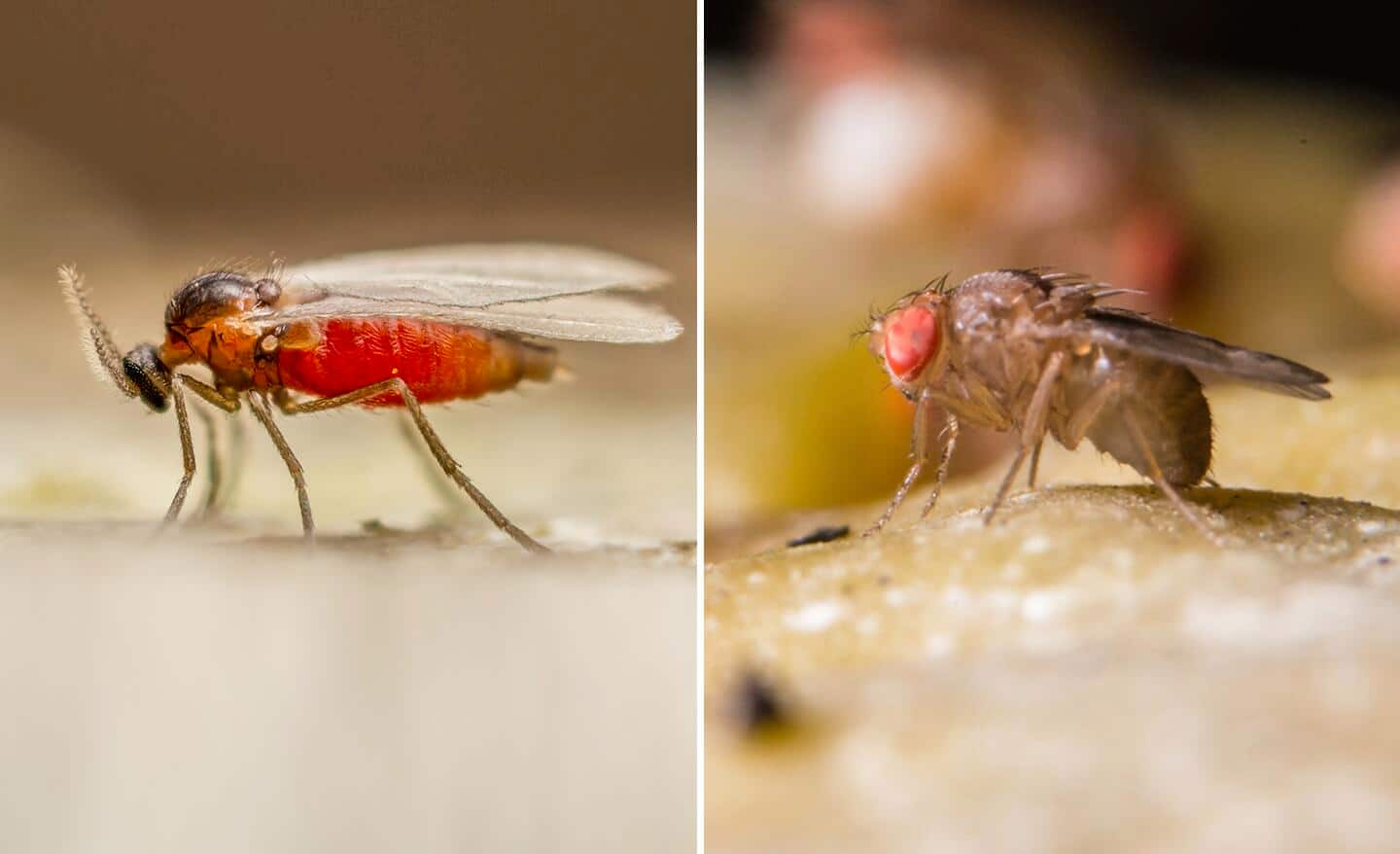
Image Source: dam.thdstatic.com
Deciphering the Appeal of Your Kitchen to Gnats
Gnats are attracted to kitchens for several key reasons. Their primary drivers are food sources and suitable breeding environments. When these elements are readily available, it creates a perfect storm for a gnat infestation.
Moisture and Decay: The Perfect Breeding Grounds
Gnats, particularly fungus gnats and fruit flies, thrive in damp, decaying organic matter. These are the places where they lay their eggs. A single female can lay hundreds of eggs, leading to a rapid population boom if the conditions remain favorable.
- Overripe Produce: Fruits and vegetables left on countertops or in bowls are prime targets. As they ripen and begin to spoil, they release a sweet aroma that attracts gnats. The soft, decaying flesh provides both a food source and a place to lay eggs.
- Dirty Drains: Kitchen sinks and garbage disposals can harbor stagnant water and food debris. This moist environment is a breeding haven for drain flies, which are often confused with fruit flies, and can also attract other gnat species.
- Spills and Residue: Sticky residues from spilled juice, soda, or sauces can accumulate on countertops, floors, or inside cabinets. Even a small amount of moisture and sugar can be enough for gnats to lay eggs.
- Damp Sponges and Mops: Kitchen sponges, dishcloths, and mops that aren’t properly dried and aired out can become breeding sites for gnats. These items retain moisture and can easily accumulate food particles.
- Garbage Cans: Unemptied garbage cans, especially those containing food scraps, are major attractants. The moist environment and decaying food provide an ideal nursery for gnats.
Food Sources Beyond Produce
While fruits and vegetables are common attractants, gnats are not picky eaters. They will readily feed on other organic materials found in the kitchen.
- Pet Food: Leftover wet pet food, especially if left out for extended periods, can become a breeding ground.
- Fermenting Liquids: Any open container with sugary liquids, such as wine, beer, or even the residue in empty soda cans, can attract gnats.
- Compost Bins: Kitchen compost bins, if not properly managed, can become a significant source of gnats, especially if they contain moist food scraps.
Identifying the Culprit: Common Kitchen Gnats
When you see tiny flying insects in your kitchen, it’s essential to identify them correctly to implement the most effective control measures. While often lumped together, different types of gnats have slightly different preferences and control methods.
Fungus Gnats
Fungus gnats are typically dark brown or black and have long legs and antennae. They are often found hovering around houseplants but can also be attracted to decaying organic matter in the kitchen.
- Appearance: Small, dark, slender-bodied insects with long legs and antennae.
- Habitat: They breed in moist soil, especially where organic matter is decomposing. In the kitchen, this can include damp sponges, potted plants, or even decaying food residue.
- Behavior: They tend to fly erratically and are often seen in swarms. They are more of a nuisance than a biting pest.
Fruit Flies (Drosophila melanogaster)
Fruit flies are a very common kitchen pest. They are small, with reddish-brown bodies and often red eyes. They are strongly attracted to fermenting fruits and vegetables.
- Appearance: Small, tan to brown flies, often with red eyes. They are a bit stouter than fungus gnats.
- Habitat: Primarily overripe or decaying fruits and vegetables, but also in drains with organic buildup, garbage disposals, and sticky spills.
- Behavior: They hover around ripening or fermenting foods and are known for their rapid reproduction cycle.
Drain Flies (Psychodidae)
Drain flies, also known as moth flies, are fuzzy and resemble tiny moths. As their name suggests, they are most commonly found in and around drains.
- Appearance: Small, fuzzy, moth-like appearance with broad, hairy wings.
- Habitat: They breed in the slimy organic film that accumulates in drains, garbage disposals, and rarely, in damp, stagnant areas.
- Behavior: They tend to fly in short, erratic bursts and often rest on surfaces near their breeding sites.
House Flies
While less common as a persistent kitchen gnat problem, house flies can certainly enter kitchens. They are larger than fruit flies and fungus gnats.
- Appearance: Larger than fruit flies, with gray bodies and red eyes.
- Habitat: Attracted to a wide range of decaying organic matter, including garbage and pet waste.
- Behavior: They are strong fliers and are known for their habit of landing on food.
Fathoming the Sources of Your Gnat Infestation
To effectively eliminate gnats, you first need to pinpoint their primary gnat breeding sites. This involves a thorough inspection of your kitchen.
The Produce Patrol
Your fruit bowl or vegetable crisper is often the first place to look.
- Overripe or Damaged Produce: Any fruit or vegetable showing signs of spoilage, bruising, or mold is a potential breeding ground. Even a single forgotten potato or onion can harbor a population.
- Unwashed Produce: Sometimes, produce can come home with tiny eggs or larvae already present.
The Drain and Disposal Deep Dive
Kitchen drains can be surprisingly dirty.
- Drain Slime: A sticky, dark film often builds up inside drain pipes. This film is made of food particles, grease, and bacteria, creating a perfect environment for drain flies and other gnats to lay eggs.
- Garbage Disposal Residue: If not regularly cleaned, food scraps can get lodged in the disposal, decaying and attracting gnats.
The Spill and Residue Scrutiny
Sticky situations can create hidden breeding grounds.
- Countertops and Backsplashes: Look for dried spills of sugary drinks, sauces, or even juice that may have dripped behind appliances or into crevices.
- Underneath Appliances: Food particles and moisture can accumulate under refrigerators, toasters, or other small appliances.
The Garbage and Compost Check
Your waste disposal systems are crucial areas.
- Trash Cans: Ensure your kitchen trash can is emptied regularly and that the bin itself is cleaned periodically to remove any lingering residue.
- Compost Pail: If you have a kitchen compost pail, make sure it’s emptied frequently and kept clean.
The Dampness Dilemma
Moisture is a key ingredient for gnat survival.
- Sponges and Dish Rags: These items should be wrung out thoroughly and allowed to dry completely between uses. Consider replacing them frequently.
- Mops and Buckets: Ensure mops are rinsed and hung to dry, and that mop buckets are cleaned and stored dry.
- Leaky Pipes or Faucets: Any persistent dampness, even from a slow leak under the sink, can create a suitable breeding environment.
Strategies for Effective Kitchen Gnat Control
Once you’ve identified the likely sources, you can implement targeted strategies to eliminate gnats. A multi-pronged approach is usually most effective.
Deep Cleaning: The First Line of Defense
A thorough cleaning is the most critical step in preventing gnats and eradicating an existing gnat infestation.
- Inspect and Discard: Go through your pantry, fruit bowl, and refrigerator. Discard any overripe, damaged, or decaying produce. Don’t forget about forgotten items at the back of shelves.
- Clean Surfaces: Wipe down all countertops, tables, and shelves with a good degreaser or all-purpose cleaner. Pay attention to any sticky spots or spills.
- Tackle Drains:
- Pour Boiling Water: Carefully pour boiling water down your drains to help dislodge organic matter.
- Vinegar and Baking Soda: Pour baking soda down the drain, followed by white vinegar. Let it fizz for about 10-15 minutes, then rinse with hot water.
- Specialized Drain Cleaners: Use enzyme-based drain cleaners specifically designed to break down organic matter in pipes. Avoid harsh chemical cleaners if possible, as they may not be effective against the gnat larvae and can be harmful.
- Sanitize Garbage Cans: Empty your trash can and wash it thoroughly with soap and hot water. Allow it to dry completely before replacing the liner. Consider a lid for your trash can.
- Wash Dishcloths and Sponges: Launder dishcloths and sponges in hot water. Replace sponges regularly.
- Clean Under Appliances: Pull out your refrigerator, stove, and other appliances and vacuum or wipe up any accumulated food debris or moisture.
Homemade Gnat Traps: Natural Solutions
You can easily create effective gnat traps using common household items. These are particularly good for catching fruit flies.
Apple Cider Vinegar Trap
This is a classic and highly effective method.
- What you need: A small bowl or jar, apple cider vinegar, a few drops of dish soap, and plastic wrap or a paper cone.
- How to make it:
- Pour about an inch of apple cider vinegar into the bowl or jar.
- Add a drop or two of liquid dish soap. The soap breaks the surface tension of the liquid, causing gnats to sink and drown.
- Cover the bowl tightly with plastic wrap and secure it with a rubber band. Poke several small holes in the plastic wrap with a toothpick. Gnats will be attracted to the vinegar, crawl through the holes, and get trapped.
- Alternatively, make a paper cone (like a funnel) and place it into the mouth of the jar, tape the edges to seal it. Ensure the narrow end of the cone is not touching the vinegar.
- Placement: Place these traps in areas where you see the most gnat activity.
Fruit Bait Trap
This method uses the gnats’ natural attraction to ripening fruit.
- What you need: A jar or bowl, a piece of ripe fruit (like banana or peach), and plastic wrap.
- How to make it:
- Place a small piece of ripe fruit at the bottom of the jar.
- Cover the opening with plastic wrap and secure it.
- Poke small holes in the plastic wrap.
- Placement: Similar to the vinegar trap, place these where gnats are most prevalent.
Commercial Gnat Traps and Solutions
If homemade traps aren’t enough, several commercial options are available.
- Sticky Traps: These are adhesive strips or cards that attract gnats with a light color or a specific scent. Gnats land on them and become stuck. They are great for monitoring and catching flying gnats.
- UV Light Traps: These devices use UV light to attract flying insects, including gnats, and then trap them on a sticky surface or electrocute them.
- Insecticides: While effective, chemical insecticides should be used as a last resort in a kitchen environment, especially around food. If you choose to use them, opt for products specifically labeled for indoor use and follow instructions meticulously. Look for products that target flying insects.
Preventing Gnats: Long-Term Solutions
The best way to deal with gnats is to prevent them from setting up shop in your kitchen in the first place. Consistent practices are key.
Produce Management
- Store Produce Properly: Refrigerate ripe fruits and vegetables as much as possible. If you leave them on the counter, consume them quickly or ensure they are not overripe.
- Wash Produce: Wash fruits and vegetables as soon as you bring them home from the grocery store, even if you plan to peel them. This removes potential eggs or larvae.
- Inspect Produce: Before purchasing, inspect fruits and vegetables for any signs of damage or spoilage.
Waste Management
- Regularly Empty Trash: Empty your kitchen trash can daily, especially if it contains food scraps.
- Rinse Recyclables: Rinse out cans and bottles before putting them in the recycling bin to remove sugary residues.
- Clean Garbage Disposal: Run your garbage disposal regularly with cold water and consider using a disposal cleaner or a mixture of ice and citrus peels to keep it clean.
Moisture Control
- Dry Sinks and Counters: Wipe down sinks and countertops after each use to eliminate standing water.
- Manage Sponges and Cloths: Wring out dishcloths and sponges thoroughly after use and allow them to dry completely. Consider using paper towels for very wet messes.
- Check for Leaks: Regularly inspect under your sink and around your dishwasher for any signs of leaks or dampness. Fix any plumbing issues promptly.
Maintaining Drains
- Regular Cleaning: Regularly clean your kitchen drains using the boiling water or vinegar and baking soda methods described earlier. This prevents the buildup of organic film.
Houseplant Care
If you have houseplants in or near your kitchen, this can be a source of fungus gnats.
- Avoid Overwatering: Allow the top inch or two of soil to dry out between waterings.
- Check Drainage: Ensure pots have adequate drainage and aren’t sitting in saucers of water.
- Top Dressing: Adding a layer of sand or gravel to the top of the soil can deter fungus gnats from laying eggs.
Differentiating Gnats from Other Tiny Flying Insects
It’s important to correctly identify the tiny flying insects in your kitchen because treatment methods can vary. While fruit flies, fungus gnats, and drain flies are the most common kitchen offenders, understanding their differences helps in targeted control.
| Insect Type | Appearance | Common Kitchen Locations | Primary Attractant |
|---|---|---|---|
| Fruit Fly | Small, tan to brown, often red eyes | Overripe fruit, drains, garbage, spills | Fermenting sugars, decaying fruit |
| Fungus Gnat | Small, dark brown/black, long legs, slender | Potted plants, damp organic matter, drains | Moist soil, decaying organic matter |
| Drain Fly | Small, fuzzy, moth-like, hairy wings | Sink drains, garbage disposals, damp areas | Slimy organic film in drains |
| House Fly | Larger than fruit flies, gray body, red eyes | Garbage, pet waste, decaying organic matter | Wide range of decaying matter |
Frequently Asked Questions About Kitchen Gnats
Q: Can gnats bite?
A: Generally, the common kitchen gnats like fruit flies and fungus gnats do not bite humans. They are more of a nuisance pest. However, some biting midges (which can be mistaken for gnats) can bite, but they are less likely to infest kitchens in large numbers.
Q: How long does it take to get rid of gnats?
A: The time it takes to eliminate gnats depends on the severity of the infestation and how quickly you address the breeding sources. With consistent cleaning and trapping, you should see a significant reduction within a week to ten days. However, it’s crucial to maintain good practices to prevent their return.
Q: Are kitchen gnats dangerous?
A: Kitchen gnats themselves are not considered a significant health hazard in terms of transmitting diseases directly to humans in the way that some other pests might. However, their presence indicates unsanitary conditions, and they can contaminate food with bacteria they pick up from decaying matter.
Q: I’ve cleaned everything, but the gnats are still here! What should I do?
A: Double-check all potential breeding sites. Sometimes, a small amount of forgotten produce, a damp sponge tucked away, or a build-up in a rarely used drain can be the culprit. Ensure you are thorough in your cleaning and consider using multiple gnat traps simultaneously. Persistent infestations might require consulting a pest control professional.
Q: Will leaving the kitchen light off help get rid of gnats?
A: While some flying insects are attracted to light, most common kitchen gnats like fruit flies and fungus gnats are attracted more by the smell of decaying food and moisture. Turning off the lights might reduce their visibility but won’t address the root cause of their presence.
Dealing with a gnat infestation in your kitchen can be a persistent problem, but by diligently identifying gnat breeding sites and implementing a consistent cleaning and prevention strategy, you can reclaim your kitchen. Remember, preventing gnats is far easier than eradicating them once they’ve established a foothold. By staying vigilant and addressing moisture and food sources promptly, you can keep these tiny flying insects at bay and enjoy a pest-free kitchen.