
A kitchen sink leaking underneath is usually caused by a loose plumbing connection, a deteriorated pipe sealant, a P-trap leak, a drain pipe crack, a supply line failure, a garbage disposal leak, or a faucet base leak. Can I fix a kitchen sink leak myself? Yes, minor leaks from loose connections can often be tightened or sealed by a homeowner, but more significant issues may require professional plumbing assistance. Who is responsible for fixing a kitchen sink leak? Typically, the homeowner is responsible for the repair, whether they do it themselves or hire a plumber.
Water under the sink is a frustrating and potentially damaging problem. That puddle forming in your sink cabinet isn’t just unsightly; it can lead to mold, mildew, and structural damage if left unaddressed. Pinpointing the exact source of the leak is the first crucial step towards a solution. This guide will delve into the common culprits behind a kitchen sink leaking underneath, providing you with the knowledge to identify the problem and take appropriate action.
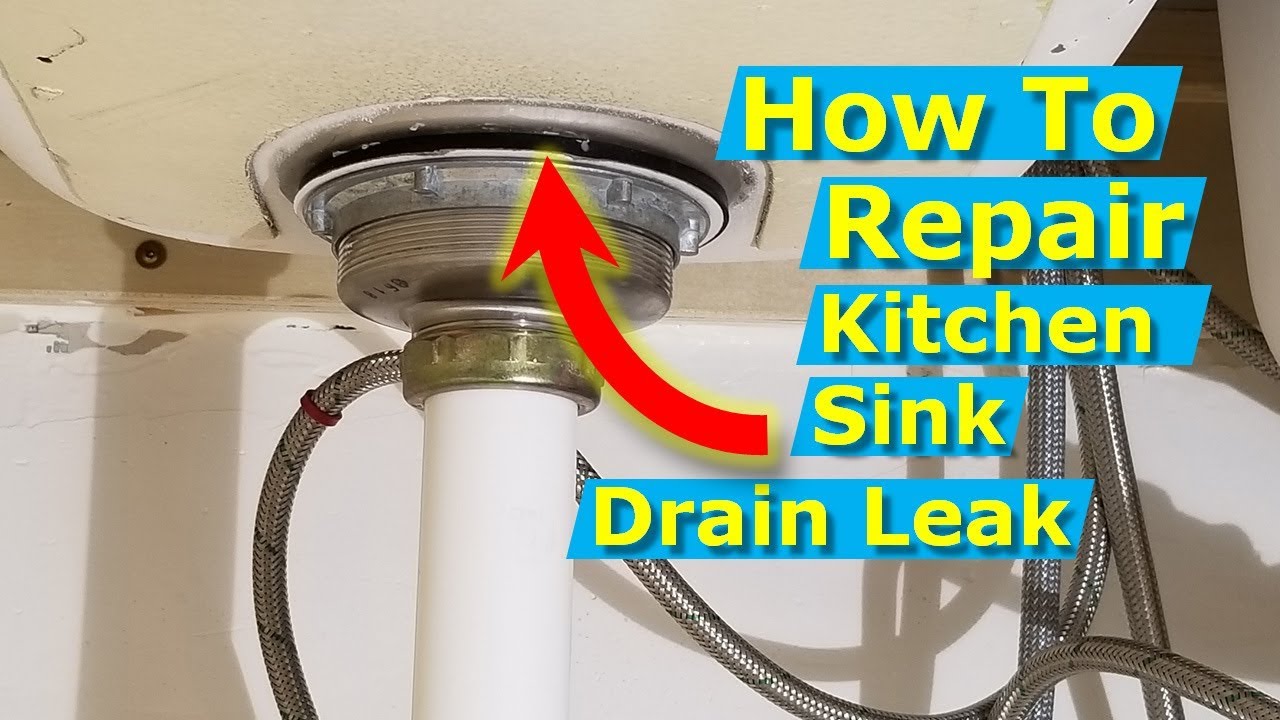
Image Source: i.ytimg.com
Fathoming the Causes of Water Under Your Sink
Several components work together to make your kitchen sink function. When one of these parts fails or loosens, you might find yourself dealing with water under the sink. Let’s explore the most frequent reasons for this issue.
The Humble P-Trap: A Common Culprit
The P-trap is that U-shaped pipe directly beneath your sink drain. Its primary purpose is to hold water, creating a seal that prevents sewer gases from entering your kitchen. However, this vital component can also be a source of leaks.
Why P-Traps Leak
- Loose Connections: The P-trap is usually assembled from several threaded pieces. Over time, these threads can loosen due to vibrations from water flow or simply from the natural settling of your home. If the nuts connecting the P-trap sections aren’t snug, water can escape.
- Cracked or Damaged Pipes: While often made of sturdy plastic, P-trap pipes can sometimes develop hairline cracks or even break, especially if they are old or have been subjected to significant stress, like dropping heavy items down the drain.
- Worn-Out Washers/Gaskets: Inside the threaded connections of the P-trap are rubber or plastic washers designed to create a watertight seal. These can become brittle, crack, or wear down over time, losing their sealing effectiveness.
Identifying a P-Trap Leak
- Visual Inspection: Get a flashlight and carefully examine the U-shaped pipe. Look for drips, water stains, or even just dampness around the threaded connections or along the pipe itself.
- Drying and Observation: Dry all visible parts of the P-trap thoroughly with a towel. Then, run water down the drain for a minute or two and re-check. Any new moisture appearing on the P-trap is a clear indicator.
The Integrity of Your Drain Pipe
Beyond the P-trap, the rest of your drain piping system can also spring leaks. These pipes carry wastewater away from your sink.
Common Drain Pipe Issues
- Drain Pipe Crack: Similar to the P-trap, longer sections of drain pipe can develop cracks. These might be caused by age, extreme temperature changes, or impacts. A crack can range from a tiny pinhole to a significant split.
- Loose Joints: Drain pipes are often joined together using solvent cement or rubber gaskets. If these joints are not properly sealed or if the cement deteriorates, leaks can occur at the seams.
- Blockages: While not a direct cause of leaks, severe drain blockages can increase the water pressure within the pipes. This heightened pressure can exacerbate existing small leaks or even force water out of weak points.
Detecting Drain Pipe Leaks
- Thorough Examination: Use your flashlight to inspect all visible sections of the drain pipe, not just the P-trap. Follow the pipes from the sink down and away.
- Flush Test: Run water down the drain and observe the entire length of the exposed pipe for any signs of water seeping out.
Sink Cabinet Water Damage: The Aftermath and Its Causes
The water damage you see in your sink cabinet is often a consequence of a leak occurring elsewhere in the plumbing system. However, the cabinet itself can also be a direct point of origin if a seal within the sink basin fails.
Sources of Cabinet Water Damage
- Leaking Sink Flange: The metal or plastic ring that seals the drain opening to the underside of your sink basin is called the sink flange. If the putty or sealant around this flange degrades or if the flange itself cracks, water from the sink can drip directly into the cabinet below.
- Overfilling the Sink: While less common, if you accidentally overfill your sink and the overflow drain is clogged or non-existent, water can spill over the edge and down into the cabinet.
- Condensation: In humid environments, condensation can form on the cold water pipes. While usually minor, significant condensation can accumulate and drip, mimicking a leak.
Addressing Sink Cabinet Water Damage
- Clean and Dry: The immediate priority is to thoroughly clean and dry the affected area to prevent mold and mildew growth. Use old towels or a wet/dry vacuum.
- Identify the Source: Once the area is dry, systematically check all plumbing components as described in other sections to find where the water is actually coming from.
The Peril of Loose Plumbing Connections
Plumbing systems rely on tight, secure connections to prevent water from escaping. When these connections loosen, leaks are almost inevitable.
Common Loose Connections
- Supply Line Connections: These are the flexible or rigid hoses that bring hot and cold water to your faucet. The points where these lines connect to the faucet and to the shut-off valves under the sink are prone to loosening.
- Drain Pipe Fittings: As mentioned earlier, the threaded connections on drain pipes, particularly those in the P-trap assembly, can loosen.
- Garbage Disposal Connections: If you have a garbage disposal, it connects to both the drainpipe and the sink flange. These connections can also become loose.
Tightening Connections: A DIY Approach
- Shut Off Water: Crucially, always turn off the main water supply to your house or at least the shut-off valves directly beneath the sink before attempting any tightening.
- Use the Right Tools: For supply lines, a pipe wrench or adjustable wrench might be needed. For drain pipes, channel-lock pliers are often effective.
- Gentle Tightening: Tighten connections only until they are snug. Over-tightening can strip threads or crack plastic components.
- Test for Leaks: After tightening, turn the water back on slowly and check for drips.
Deteriorated Pipe Sealant: The Silent Saboteur
Many plumbing joints, especially those involving threaded fittings, rely on sealants like pipe dope (thread sealant) or Teflon tape to create a watertight seal. Over time, these sealants can dry out, crack, or degrade, allowing water to seep through.
Sealant Degradation Issues
- Age: Sealants have a lifespan. As they age, they become less pliable and effective.
- Improper Application: If the sealant wasn’t applied correctly during installation, it might fail prematurely.
- Chemical Exposure: Certain cleaning chemicals can degrade some types of pipe sealants over time.
Repairing Sealant Failures
- Disassembly and Reapplication: Often, the best solution is to disassemble the leaking connection, clean both the threads and the mating surface, and then reapply fresh pipe dope or Teflon tape according to manufacturer instructions.
The Faucet Base Leak: A Seeping Source
Even if the leak appears to be coming from under the sink, the origin might actually be at the faucet itself, with water dripping down the underside of the sink and into the cabinet.
Why Faucet Bases Leak
- Worn O-rings or Gaskets: The base of your faucet, where it meets the sink, is sealed by O-rings and gaskets. When these wear out, water can seep through.
- Cracked Faucet Body: In rare cases, the faucet body itself might have a hairline crack that allows water to escape.
- Loose Mounting Hardware: If the nuts or bolts that secure the faucet to the sink are loose, it can compromise the seal at the base.
Spotting a Faucet Base Leak
- Dry Everything: Dry the area around the faucet base on top of the sink.
- Check Underside: Look for water dripping from the underside of the faucet assembly where it passes through the sink.
- Faucet Handle Issues: Sometimes, leaks at the faucet base can be related to issues with the handles or internal cartridges, allowing water to bypass seals.
Supply Line Failure: Bursting with Trouble
The flexible or rigid lines that bring water to your faucet are critical. When these fail, you can experience a significant leak.
Types of Supply Line Failures
- Cracks or Splits: The material of the supply line can degrade over time, leading to cracks or splits, especially under pressure.
- Corroded Fittings: The metal fittings at either end of the supply line can corrode, weakening the connection to the shut-off valve or faucet.
- Burst Lines: In extreme cases, supply lines can burst, releasing a large volume of water. This is more common with older, non-reinforced flexible lines.
Supply Line Leak Symptoms
- Drips from Connections: You’ll often see water dripping from where the supply line connects to the shut-off valve or the faucet tailpiece.
- Water Running Down the Line: If the line itself is cracked, water might be visibly seeping from the hose.
Garbage Disposal Leak: A Noisy Culprit
If your kitchen sink is equipped with a garbage disposal, it introduces another set of potential leak points.
Garbage Disposal Leak Sources
- Mounting Assembly: The disposal unit attaches to the sink flange with a mounting assembly. The seal at this connection can fail.
- Discharge Pipe Connection: The pipe that carries ground-up food waste away from the disposal can leak at its connection point to the disposal unit.
- Housing Cracks: The disposal unit’s housing can crack due to impacts or wear, leading to leaks.
- Water Inlet: Some disposals have a water inlet for certain models or dishwashers. This connection can also leak.
Diagnosing Garbage Disposal Leaks
- Dry and Observe: Dry the exterior of the disposal unit and the surrounding pipes. Run water and the disposal (if safe) to identify the source of the leak.
- Check All Connections: Pay close attention to where the disposal connects to the sink and the drainpipe.
Troubleshooting Steps for a Kitchen Sink Leaking Underneath
When you discover water under your sink, a systematic approach will help you find and fix the problem efficiently.
Step 1: Safety First – Shut Off the Water
Before you do anything else, locate the shut-off valves for your sink. These are typically found directly underneath the sink, connected to the supply lines. Turn them clockwise to shut off the water flow to the faucet. If you can’t find or operate these valves, you’ll need to shut off the main water supply to your house.
Step 2: Clear Out the Cabinet
Remove everything from the sink cabinet. This will give you unobstructed access to all the plumbing components and allow you to properly clean up any existing water.
Step 3: Dry the Area Completely
Use old towels, a mop, or a wet/dry vacuum to thoroughly dry the cabinet floor, walls, and all plumbing fixtures. This is crucial for accurately identifying the source of the leak.
Step 4: The Systematic Inspection Process
Now, armed with a good flashlight, begin your inspection.
Table: Common Leak Locations and What to Look For
| Component | Potential Leak Points | What to Observe |
|---|---|---|
| Faucet Assembly | Faucet base, under-sink connections to faucet | Drips from faucet body, water running down supply lines into cabinet |
| Supply Lines | Connections to shut-off valves, connections to faucet | Drips at threaded fittings, visible cracks or dampness on the hose itself |
| Drain Assembly | P-trap connections, drain pipe joints | Drips from threaded nuts, water seeping from pipe seams, cracks in pipes |
| Sink Flange/Strainer | Seal between sink and drain assembly, overflow connection | Water dripping from the underside of the sink around the drain opening |
| Garbage Disposal | Mounting assembly, discharge pipe connection, unit housing | Drips from the disposal unit, water at pipe connections, visible cracks in casing |
| Shut-off Valves | Handle stem, connection to pipe | Drips from the valve body or the connection to the wall pipe |
Step 5: The Water Test
- Slowly turn on the cold water supply valve only. Let the water run for a minute. Carefully inspect all the cold water supply components.
- Turn off the cold water.
- Slowly turn on the hot water supply valve only. Let the water run. Inspect all hot water supply components.
- Turn off the hot water.
- Fill the sink partly and then let it drain. This tests the drain assembly, including the P-trap and connections. Watch closely for any leaks during the draining process. If you have a garbage disposal, run it briefly while the sink is draining to test its connections as well.
Step 6: Tighten Suspect Connections
If you notice a drip from a threaded connection, try gently tightening it. Remember, snug is good; overtightening can cause more damage. Use a pipe wrench or channel-lock pliers.
Step 7: Consider Sealant Replacement
If tightening doesn’t stop the leak, the sealant or washers might be the problem. This usually requires disassembling the fitting, cleaning it, and reapplying Teflon tape or pipe dope, or replacing the rubber washer.
When to Call a Professional Plumber
While many minor leaks can be tackled by a DIY enthusiast, some situations warrant calling in a professional plumber:
- Uncertainty: If you’ve performed the inspection and still can’t locate the source of the leak, it’s best to get expert help.
- Significant Leaks: A burst supply line or a large crack in a pipe requires immediate attention from a professional.
- Complex Plumbing: Older homes or homes with specialized plumbing systems might require the expertise of a licensed plumber.
- Lack of Tools or Confidence: If you don’t have the right tools or don’t feel comfortable performing the repairs, it’s safer and often more efficient to hire a professional.
- Recurring Leaks: If you’ve tried to fix a leak yourself and it keeps coming back, there might be a more significant underlying issue.
Frequently Asked Questions (FAQ)
Q1: How do I know if the leak is from the faucet or the drain pipes?
A1: If the leak only appears when you use the faucet (hot or cold water), it’s likely related to the faucet or its supply lines. If the leak appears only when water is draining from the sink, it’s likely a drainpipe issue. If you see water even when no water is running, check for condensation or a slow drip from a constant supply line leak.
Q2: My sink cabinet smells musty. What should I do?
A2: A musty smell is a strong indicator of mold or mildew growth, usually caused by a persistent leak. You need to address the leak immediately, then thoroughly clean and dry the cabinet. You may need to treat the area with a mold inhibitor. If the mold is extensive, you might need to replace damaged parts of the cabinet.
Q3: Can a leaking P-trap cause serious damage?
A3: Yes, even a small P-trap leak can cause significant sink cabinet water damage over time. It can lead to rot in the cabinet’s wood, damage to flooring, and promote mold and mildew growth, which can affect air quality.
Q4: What’s the difference between Teflon tape and pipe dope?
A4: Both Teflon tape (PTFE tape) and pipe dope are thread sealants used to create watertight seals on threaded pipe connections. Teflon tape is a thin, flexible tape that wraps around the threads, while pipe dope is a paste-like compound applied with a brush. Both are effective when used correctly, but some plumbers have preferences based on the type of pipe and fitting.
Q5: Is it normal to have some condensation under my sink?
A5: A small amount of condensation on cold water pipes in humid conditions is normal. However, if you find puddles or significant dripping, it might indicate a larger issue or very high humidity levels. Ensure proper ventilation in your kitchen.
Dealing with a kitchen sink leaking underneath can be a common household headache. By systematically inspecting the various components—from the P-trap and drain pipe crack to the faucet base leak and supply line failure—you can often pinpoint the source of the water under the sink. Remember to prioritize safety by turning off the water supply, and don’t hesitate to call a professional plumber if the problem is beyond your comfort level or expertise. Addressing leaks promptly will save you from more extensive sink cabinet water damage and keep your kitchen in good working order.