
The standard kitchen counter depth is typically 24 inches. This dimension is widely accepted because it offers ample workspace while fitting comfortably in most kitchen layouts.
When planning your kitchen renovation or just looking to understand the nuts and bolts of kitchen design, one of the most fundamental questions that arises is about the dimensions of your countertops. Specifically, how deep are kitchen countertops? This isn’t just a minor detail; the depth of your countertops significantly impacts the usability and functionality of your kitchen. From prepping meals to storing appliances, every inch of that surface plays a crucial role. This guide aims to provide a comprehensive overview of kitchen countertop depths, exploring the standard measurements, variations, and the factors that influence these decisions, ensuring your kitchen workspace is both practical and pleasing.
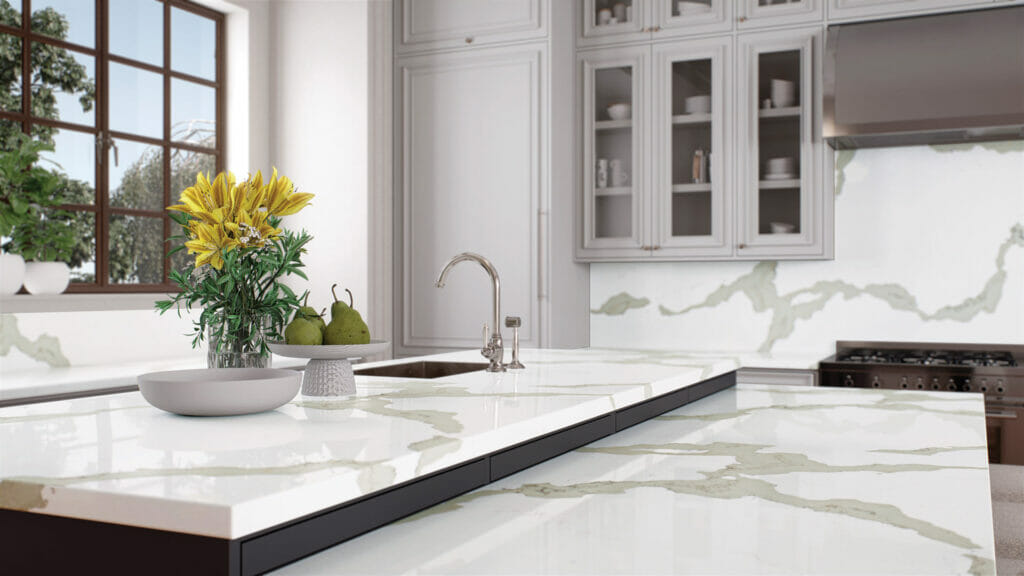
Image Source: www.caesarstoneus.com
Deciphering Standard Kitchen Countertop Dimensions
The world of kitchen design often relies on established standards to ensure practicality and compatibility between different components. When we talk about how deep kitchen countertops are, we’re often referencing a widely adopted measurement that has evolved over time to suit the needs of most home cooks.
The Benchmark: Standard Kitchen Counter Depth
As mentioned, the standard kitchen counter depth is generally 24 inches. This measurement is not arbitrary; it’s a carefully considered standard that balances several key factors. This depth allows for:
- Ample Prep Space: It provides enough room to chop vegetables, mix ingredients, and plate meals without feeling cramped.
- Appliance Accommodation: Standard base cabinets, which countertops sit upon, are typically 24 inches deep. This allows for common kitchen appliances like refrigerators, dishwashers, and ovens to fit flush or slightly recessed.
- Ergonomics: The 24-inch depth is considered ergonomic for most adults, allowing comfortable reach and movement around the workspace.
It’s important to note that this 24-inch measurement refers to the depth of the countertop slab itself, extending from the front edge to the back, where it meets the wall or backsplash.
Typical Countertop Width Considerations
While depth is a primary concern, the typical countertop width is also a factor in kitchen layout and usability. Countertops are usually cut to fit the length of your base cabinets. This means the width can vary greatly depending on the size of your kitchen and the design of your cabinetry.
- Cabinet Length: Countertops are typically installed to align with the face of your base cabinets, which themselves are determined by the cabinet manufacturer’s standard sizes or custom dimensions.
- Continuous Runs: In larger kitchens, you might have long, continuous runs of countertop. These can be made from a single slab or multiple pieces joined together.
The width doesn’t directly affect the usable workspace depth, but it dictates the overall expanse of your work surface.
Exploring Kitchen Countertop Depth Variations and Customization
While 24 inches is the standard, kitchens are not one-size-fits-all. Design preferences, architectural constraints, and specific functional needs can lead to variations in countertop depth.
Beyond the Standard: Deeper and Shallower Options
Sometimes, a standard depth just won’t cut it.
- Deeper Countertops (e.g., 25-30 inches or more):
- Purpose: These are often used to accommodate larger appliances, create more substantial workspace, or provide a more generous seating overhang on islands.
- Considerations: Deeper countertops require deeper base cabinets, which can be more expensive and may alter the overall feel of the kitchen. They can also make it harder to reach the back of the counter.
- Shallower Countertops (e.g., 18-22 inches):
- Purpose: These might be used in very small kitchens or galley kitchens where space is extremely limited, or for specific zones like a beverage station or a narrow butler’s pantry.
- Considerations: Shallower countertops offer less workspace and may not accommodate standard appliances or deep sinks comfortably.
The Crucial Element: Ideal Kitchen Counter Overhang
The overhang is the part of the countertop that extends beyond the face of the base cabinets. The ideal kitchen counter overhang is critical for both aesthetics and functionality.
- Standard Overhang: Typically, there’s a 1 to 1.5-inch overhang on the front edge of standard countertops. This allows users to comfortably stand at the counter without bumping their knees or shins against the cabinet base.
- Seating Overhang (Kitchen Islands): For kitchen islands or peninsulas that serve as eating areas, a more generous overhang is necessary.
- Minimum for seating: 10-12 inches is generally considered the minimum for comfortable legroom when seated at a counter or bar.
- Comfortable seating: 12-15 inches allows for more relaxed seating.
- Backsplash Considerations: The overhang can also be influenced by the thickness of your backsplash or wall. The countertop needs to extend far enough to cover the cabinet and any wall thickness.
Optimizing Your Kitchen Layout with Counter Depth
The depth of your countertops directly influences how you use your kitchen. Making informed choices about depth and related clearances ensures an efficient and enjoyable cooking experience.
Counter Depth Clearance: Navigating Your Space
When we talk about counter depth clearance, we’re referring to the space between countertops, appliances, and other kitchen elements. Proper clearances are essential for safety and ease of movement.
- Kitchen Work Triangle: The traditional work triangle (sink, stove, refrigerator) relies on efficient pathways. Adequate counter depth contributes to the ease of moving between these points.
- Passageways: Adequate clearance between countertops and other surfaces, like islands or opposing counters, is vital.
- Minimum: 36 inches is generally the minimum clearance for a walkway.
- Ideal: 42-48 inches is preferred for comfortable passage, especially with two people or when appliances like ovens or dishwashers are open.
- Appliance Clearance: Ensure that the depth of your countertop and the installation of your appliances allow for doors and drawers to open fully without obstruction.
Workspace Depth Kitchen: Maximizing Usability
The workspace depth kitchen refers to the effective depth available for tasks. A standard 24-inch deep countertop provides a good foundation, but how you use it matters.
- Appliance Placement: Consider what appliances you’ll have on your countertop. A standard 24-inch depth can usually accommodate most small appliances like toasters, coffee makers, and blenders without impeding prep space. However, larger appliances like stand mixers might require a dedicated spot.
- Sink Depth: The depth of your sink can also impact the usable countertop space. A very deep sink basin might push the effective workspace further back.
- Backsplashes: Thick backsplashes or raised counter details can effectively reduce the usable workspace depth if not accounted for in the overall cabinet depth.
Kitchen Island Depth: A Design Focal Point
Kitchen islands are often a central feature of modern kitchens, and their dimensions, including depth, are crucial for their functionality. The kitchen island depth often deviates from the standard 24 inches.
Island Depth for Functionality and Seating
- Standard Island Depth (Work Surface): Similar to perimeter countertops, a standard work surface on an island is often 24 inches deep.
- Extended Depth for Seating: If the island incorporates seating, the depth will increase to accommodate the overhang for legs.
- A common configuration is a 24-inch deep cabinet base with an additional 12-15 inch overhang for seating, resulting in a total island depth of 36-39 inches.
- Some islands might feature a deeper seating area or a dual-level design, with a raised bar area. This can lead to even greater depths.
- Island Depth for Appliances: If you plan to integrate appliances like a cooktop or sink into your island, the depth will need to be sufficient to accommodate the appliance’s dimensions and any necessary clearances. For example, a standard 30-inch range requires a cabinet base and countertop depth that can adequately house it, often pushing the overall island depth beyond 24 inches on the working side.
The Usability of Counter Depth: Making Smart Choices
The usability of counter depth is the ultimate measure of its success. A well-chosen depth makes your kitchen a pleasure to work in.
Balancing Depth with Reachability
- Reaching the Back: While deeper countertops offer more space, it’s important to consider your ability to reach the back of the counter comfortably. For a standard 24-inch depth, reaching the furthest point is generally manageable. For deeper countertops, a step stool might be necessary for shorter individuals, or you might find items stored at the back are less accessible.
- Appliance Placement Strategy: Strategically placing appliances on the counter can maximize the usable workspace. Place frequently used items towards the front and less-used items towards the back.
Kitchen Counter Dimensions Guide: A Summary
To help consolidate the information, here’s a quick kitchen counter dimensions guide:
| Dimension | Standard Depth | Typical Width | Notes |
|---|---|---|---|
| Perimeter Countertops | 24 inches | Varies by cabinet | Allows for standard base cabinets and appliances. |
| Kitchen Island (Work) | 24 inches | Varies by design | Can be deeper to accommodate seating or appliances. |
| Kitchen Island (Seating) | 36-39 inches (total) | Varies by design | Includes 24 inches of cabinet depth plus 12-15 inches overhang. |
| Counter Overhang (Front) | 1-1.5 inches | N/A | For comfortable knee clearance. |
| Seating Overhang (Island) | 10-15 inches | N/A | For legroom when seated. |
| Walkway Clearance | 42-48 inches | N/A | Space between counters and other surfaces for easy movement. |
Ergonomic Kitchen Counter Depth: Designing for Comfort
The concept of ergonomic kitchen counter depth focuses on creating a kitchen that is comfortable and efficient for the people using it.
Adapting to Your Needs
- Height Matters: While depth is crucial, countertop height also plays a significant role in ergonomics. Standard countertop height is 36 inches from the floor, but this can be adjusted for users of different heights.
- Reachability Zones: Think about how you use your kitchen. Do you need a wide expanse for rolling out dough? Or is the primary focus on having space for multiple small appliances? Your workflow will dictate the ideal depth and layout.
- Custom Solutions: For those with specific ergonomic needs, custom cabinetry and countertops can be designed to provide the perfect depth and height. This might involve slightly shallower or deeper sections in specific work zones.
Fathoming Your Kitchen’s Depth Potential
Choosing the right countertop depth is a key decision in kitchen design. It’s a balance between adhering to standards, accommodating your appliances, and creating a comfortable and functional workspace.
Making the Right Choice for Your Kitchen
When deciding on countertop depth, consider:
- Your Kitchen Size and Layout: A large, open-plan kitchen can more easily accommodate deeper countertops or larger islands, whereas a smaller kitchen might benefit from standard depths to maximize circulation space.
- Your Cooking Habits: Are you an avid baker who needs ample rolling space? Or do you primarily use your kitchen for quick meals and reheating?
- Appliance Needs: What appliances do you have or plan to acquire? Do they require a specific depth?
- Aesthetics: Deeper countertops can create a more substantial and luxurious look, but they also take up more visual and physical space.
By carefully considering these factors and the information provided in this guide, you can make informed decisions about your kitchen countertop depth, ensuring a space that is as practical as it is beautiful.
Frequently Asked Questions (FAQ)
Q1: Can I install countertops that are deeper than the standard 24 inches?
A1: Yes, you absolutely can install deeper countertops, often 25, 27, or even 30 inches deep. This is common for kitchen islands to incorporate seating overhangs or to house larger appliances. However, be mindful that deeper countertops require deeper base cabinets, which can increase costs and might make reaching the back of the counter more challenging.
Q2: What is the minimum counter depth clearance needed between my island and perimeter counters?
A2: The minimum counter depth clearance, or rather the walkway clearance, between an island and perimeter countertops should be at least 36 inches for comfortable passage. Ideally, 42 to 48 inches is recommended to allow for two people to pass easily or for appliances like oven doors to be open.
Q3: What is the ideal kitchen counter overhang for seating at an island?
A3: For comfortable seating at a kitchen island, the ideal kitchen counter overhang is typically 10 to 15 inches. This provides enough legroom for people to sit and eat without their knees bumping against the cabinet base. A 12-inch overhang is a very common and practical choice.
Q4: What is the standard kitchen work surface depth?
A4: The standard kitchen work surface depth, referring to the depth of the countertop itself from front to back, is 24 inches. This measurement is based on the depth of standard base cabinets and provides a good balance of workspace and efficiency for most kitchens.
Q5: How does the kitchen counter depth affect the usability of my kitchen?
A5: The kitchen counter depth directly impacts the usability of your kitchen by dictating the amount of prep space available, how comfortably you can work, and what appliances you can place on the surface. A standard 24-inch depth offers a good workspace, while deeper options can provide more room but may have reachability challenges. Proper counter depth clearance is also vital for easy movement within the kitchen.
Q6: What is a typical countertop width?
A6: The typical countertop width is not a single fixed number; it varies greatly depending on the length of the base cabinets it covers. Countertops are usually cut to fit the specific dimensions of the cabinetry they are installed on, creating continuous runs of varying lengths across your kitchen.
Q7: Is there a specific ergonomic kitchen counter depth?
A7: While 24 inches is standard, the most ergonomic kitchen counter depth can vary based on individual needs and preferences. Factors like user height and cooking habits influence what feels most comfortable. For some, a slightly deeper or shallower section in a specific workspace might be more ergonomic.
Q8: How is kitchen island depth determined?
A8: Kitchen island depth is determined by its intended function. A standard island might have a 24-inch deep countertop for work, but if it includes seating, the depth will increase to accommodate an overhang, typically resulting in a total island depth of 36-39 inches. Appliance integration also influences the required depth.