
When you envision your dream kitchen, the delightful image often overshadows the practicalities of making it happen. A common question for homeowners embarking on this journey is: How long should a kitchen renovation take? The answer is not a simple one-size-fits-all. Generally, a typical kitchen renovation can take anywhere from 6 weeks to 6 months, with most falling into the 2 to 3 month range, depending on the scope and complexity of the project. This duration encompasses everything from initial planning and design to the final coat of paint and the last cabinet knob.
Embarking on a kitchen remodel is a significant undertaking, often involving extensive planning, a substantial budget, and a considerable disruption to daily life. One of the most pressing concerns for homeowners is establishing a realistic kitchen remodel timeline. Fathoming the kitchen renovation duration requires a deep dive into the various stages and factors that influence the overall home renovation length. Let’s break down what goes into a typical kitchen update schedule and what you can expect for your kitchen remodel timeframe.
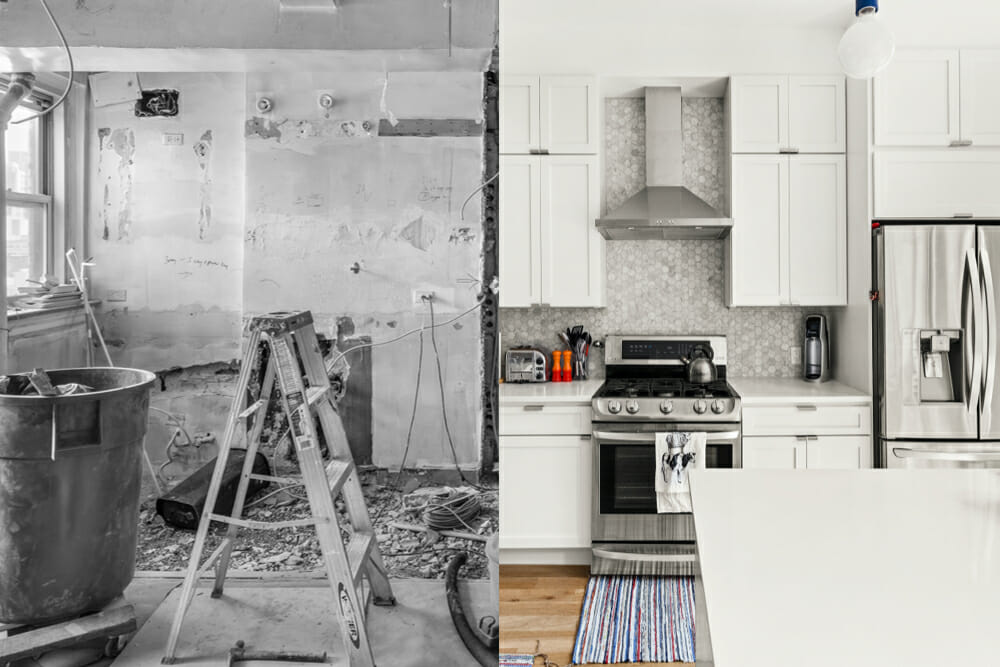
Image Source: sweeten.com
Deciphering the Kitchen Renovation Process: A Step-by-Step Breakdown
To properly gauge how long to gut a kitchen or simply refresh its appearance, it’s crucial to understand that a kitchen renovation isn’t just about replacing cabinets and countertops. It’s a multi-faceted project involving various trades, materials procurement, and logistical coordination. Each step, from the initial consultation to the final inspection, contributes to the overall kitchen project length.
Phase 1: Planning and Design (2-6 Weeks)
This foundational phase is critical for setting the stage for a smooth renovation. Rushing through it can lead to costly delays and unforeseen issues down the line.
Initial Vision and Concept Development
- Your Ideas: What do you want your new kitchen to look and feel like? Think about functionality, style, and your family’s needs.
- Inspiration Gathering: Browse magazines, Pinterest, Houzz, and other sources for design ideas.
- Budget Setting: Determine how much you are willing and able to spend. This will heavily influence your choices.
Professional Consultation and Design
- Hiring Professionals: Consider engaging a kitchen designer, architect, or a reputable contractor. Their expertise can be invaluable in translating your vision into a workable plan.
- Space Planning: Designers will help optimize your kitchen layout for better workflow and aesthetics.
- Material Selection: This includes cabinets, countertops, flooring, backsplashes, lighting, and appliances. The lead times for some materials can significantly impact the kitchen renovation duration.
- Creating Blueprints and Mood Boards: Detailed drawings and visual representations will guide the entire process.
Obtaining Permits (if necessary)
- Local Regulations: Depending on the scope of your renovation (e.g., moving plumbing, electrical work, structural changes), you may need to obtain building permits from your local municipality.
- Application Process: This can involve submitting plans and undergoing inspections. The time it takes to get permits can vary widely by location and can add to your kitchen remodel timeframe.
Phase 2: Pre-Construction and Procurement (2-4 Weeks)
Once the design is finalized and permits are secured, the focus shifts to acquiring all the necessary components for your kitchen.
Contractor Selection and Contract Signing
- Getting Quotes: Obtain detailed quotes from multiple general contractors.
- Vetting Contractors: Check references, portfolios, and licensing.
- Contract Review: Carefully review and sign a detailed contract that outlines the scope of work, payment schedule, timeline, and warranties.
Ordering Materials and Appliances
- Lead Times: This is a critical factor in the average kitchen renovation time. Custom cabinets, special order tiles, or specific appliances can have lead times of several weeks or even months.
- Delivery Coordination: Ensuring all materials arrive on-site before they are needed prevents work stoppages.
Phase 3: Demolition and Structural Work (1-3 Weeks)
This is often the most disruptive phase, where the old kitchen makes way for the new.
Gutting the Kitchen
- Removing Existing Elements: This includes cabinets, countertops, flooring, appliances, plumbing fixtures, and sometimes even walls. The time it takes how long to gut a kitchen depends on the complexity of the existing structure and the extent of the demolition.
- Structural Modifications: If your plan involves moving walls, resizing doorways, or altering plumbing or electrical systems, this phase will be longer.
Rough-Ins and Structural Changes
- Plumbing and Electrical: New or relocated pipes and wiring are installed.
- HVAC Adjustments: Any necessary modifications to heating, ventilation, or air conditioning systems are made.
- Framing and Drywall: If walls are moved or new structures are built, framing and drywall installation occur.
Phase 4: Installation and Finishing (4-10 Weeks)
This is where the new kitchen begins to take shape. This phase is often the longest and involves multiple specialized trades.
Flooring Installation
- Preparation: The subfloor must be prepared for the new material.
- Installation: Laying tile, hardwood, vinyl, or other flooring materials.
Cabinet Installation
- Layout and Fit: Cabinets are meticulously installed according to the design.
- Adjustments: Minor adjustments are often needed for a perfect fit.
Countertop Installation
- Templating: Once base cabinets are in place, templates are made for the countertops.
- Fabrication: Countertops are fabricated off-site.
- Installation: The finished countertops are installed, often requiring a few days for material curing (like granite or quartz).
Backsplash Installation
- Tile or Material Fitting: The backsplash is installed, adding a significant visual element.
Appliance Installation
- Hook-ups: Plumbing and electrical connections are made for ovens, dishwashers, refrigerators, and other appliances.
- Testing: Appliances are tested to ensure they are functioning correctly.
Fixture Installation
- Plumbing: Sinks, faucets, and garbage disposals are installed and tested.
- Lighting: Pendant lights, under-cabinet lighting, and general lighting fixtures are installed.
Painting and Finishing Touches
- Walls and Ceiling: Painting the walls and ceiling.
- Trim and Details: Installing baseboards, crown molding, and other decorative elements.
- Hardware: Installing cabinet knobs and pulls.
Phase 5: Final Touches and Clean-Up (1-2 Weeks)
The home stretch, where the details are perfected.
Final Inspections
- Building Inspector: If permits were required, a final inspection by the local building authority will take place.
Professional Cleaning
- Deep Clean: A thorough cleaning of the entire kitchen, removing construction dust and debris.
Punch List Completion
- Minor Adjustments: Addressing any minor issues or touch-ups identified by you or the contractor.
Factors Influencing Your Kitchen Renovation Length
Several variables can significantly impact the estimated kitchen renovation time. Being aware of these can help you set more realistic expectations for your kitchen project length.
-
Scope of the Renovation: A minor kitchen facelift duration involving just new paint, a backsplash, and updated hardware will be far quicker than a full gut renovation that includes structural changes and appliance relocation.
- Cosmetic Update (Kitchen Facelift): 1-3 weeks
- Moderate Renovation (New Cabinets, Countertops, Flooring): 6-12 weeks
- Full Gut Renovation (Structural Changes, New Layout): 12-24 weeks
-
Complexity of Design:
- Simple Layouts: Straightforward designs with standard cabinet configurations and fewer specialized features tend to move faster.
- Custom Designs: Custom cabinetry, intricate tile work, unique lighting, or complex island designs can add considerable time.
-
Material Lead Times: As mentioned earlier, the time it takes for custom cabinets to be built or for specialized countertops to be fabricated and delivered can be a major bottleneck. Always factor in these lead times when creating your kitchen update schedule.
-
Contractor Availability and Efficiency: The reputation and efficiency of your chosen contractor and their team play a huge role. A busy but well-organized contractor might move faster than a less experienced one. The number of crews working on your project and their coordination also matters.
-
Budget and Funding: Delays can occur if funding is not readily available according to the payment schedule outlined in the contract. Unexpected issues that require additional funds can also cause pauses.
-
Unforeseen Issues: Old homes often hide surprises. Rotten subflooring, outdated electrical wiring that needs a complete overhaul, or unexpected plumbing problems can arise during demolition and add significant time and cost.
-
Permitting and Inspections: Delays in obtaining permits or scheduling inspections can slow down the overall home renovation length. Sometimes, an inspector might require rework if something doesn’t meet code, adding more time.
-
Decision-Making Speed: Your promptness in making decisions about materials, finishes, and any mid-project changes is crucial. Indecision can halt progress and extend the kitchen remodel timeline.
-
Weather: While less impactful for interior work, extreme weather can affect deliveries or necessitate pauses for exterior work if it’s part of the renovation.
Realistic Kitchen Remodel Timeline: A Sample Schedule
To give you a clearer picture, here’s a hypothetical kitchen remodel timeframe for a moderate to extensive renovation:
| Stage | Estimated Duration |
|---|---|
| Planning & Design | 2-6 Weeks |
| Permit Acquisition | 1-4 Weeks |
| Material Procurement | 2-6 Weeks |
| Demolition | 1-2 Weeks |
| Rough-Ins (Plumbing/Elec) | 1-2 Weeks |
| Cabinet Installation | 1-2 Weeks |
| Countertop Templating/Fab | 1-2 Weeks |
| Countertop Installation | 1-3 Days |
| Flooring Installation | 1 Week |
| Backsplash Installation | 2-4 Days |
| Appliance Installation | 2-3 Days |
| Fixture Installation | 2-3 Days |
| Painting & Finishing | 1 Week |
| Final Touches & Cleanup | 1 Week |
| Total Estimated Time | 10-24 Weeks |
Note: This is a generalized estimate. Actual times may vary based on the factors discussed.
What is the Average Kitchen Renovation Time?
The average kitchen renovation time typically falls between 2 to 3 months. This figure is a broad average that accounts for the most common types of kitchen remodels, which often involve replacing cabinets, countertops, flooring, and updating appliances. Projects that are simpler, like a cosmetic update or kitchen facelift duration, could be completed in as little as a few weeks, while major overhauls with structural changes can extend beyond three months, pushing the home renovation length closer to six months or more.
Can I Speed Up My Kitchen Renovation?
While patience is key, there are strategies to help keep your kitchen remodel timeline on track:
- Be Decisive: Have your material selections finalized before demolition begins.
- Choose Readily Available Materials: Opt for in-stock cabinets, standard countertop sizes, and popular tile options to minimize lead times.
- Hire a Reputable Contractor: A good contractor has a network of reliable subcontractors and suppliers, which can streamline the process.
- Communicate Clearly: Maintain open and regular communication with your contractor to address any issues promptly.
- Plan for Contingencies: Build a buffer into your schedule for unexpected delays.
Preparing for Disruption: Living Through a Kitchen Renovation
A kitchen remodel duration of several weeks or months means your daily routine will be significantly impacted. Here’s how to prepare:
- Set Up a Temporary Kitchen: Designate a space in another room with a microwave, hot plate, mini-fridge, and coffee maker.
- Stock Up on Non-Perishables: Rely on microwave meals, salads, and pre-packaged foods.
- Plan for Eating Out: Budget for more frequent dining at restaurants or getting takeout.
- Communicate with Your Household: Ensure everyone in the family is aware of the situation and their role in adapting.
- Designate a Safe Zone: Keep children and pets away from the construction area.
Frequently Asked Questions (FAQ)
Q1: How long does it take to gut a kitchen and start rebuilding?
The time it takes how long to gut a kitchen can range from a few days to a week, depending on the size and complexity of the existing kitchen and the thoroughness of the demolition. This stage includes removing cabinets, countertops, flooring, appliances, and any structural elements being changed.
Q2: What is the shortest possible kitchen renovation time?
The shortest possible kitchen renovation duration for a significant upgrade (e.g., new cabinets, countertops) is typically around 4-6 weeks, assuming all materials are readily available, no permits are needed, and there are no unforeseen issues. A very basic kitchen facelift duration might only take 1-2 weeks for painting, new hardware, and perhaps a new backsplash.
Q3: What factors add the most time to a kitchen remodel?
Major factors that add time to a kitchen remodel include structural changes (moving walls, windows, or plumbing), custom cabinetry with long lead times, complex tile work, delays in material delivery, permit issues, and unexpected problems discovered during demolition. Your own decision-making speed also plays a significant role in the kitchen update schedule.
Q4: Can I live in my home during a kitchen renovation?
Yes, you can live in your home during a kitchen renovation, but it requires significant adjustments. You’ll need to set up a temporary kitchen area and adapt to the noise, dust, and lack of access to your primary cooking space for the entire kitchen project length.
Q5: How long should I expect the countertop installation to take?
Countertop installation itself is usually quick, often taking just one day. However, the overall process involves templating (done after base cabinets are installed) which takes a few hours, and then fabrication off-site, which can take 1-3 weeks depending on the material. This is a key part of the estimated kitchen renovation time.
Q6: What’s included in the planning and design phase of a kitchen remodel?
This phase includes defining your vision, setting a budget, hiring designers and contractors, creating layout plans, selecting materials (cabinets, countertops, flooring, lighting, appliances), and obtaining necessary permits. This phase is crucial for establishing a realistic kitchen remodel timeline.
Q7: How long does it typically take for cabinets to arrive after ordering?
The lead time for cabinets varies greatly. Stock cabinets might arrive in 1-2 weeks, while semi-custom or custom cabinets can take anywhere from 6 to 12 weeks, sometimes even longer. This is a significant factor in the overall home renovation length and kitchen renovation duration.
By carefully planning, choosing your materials wisely, and working with experienced professionals, you can navigate the journey of a kitchen renovation with realistic expectations regarding its duration. While it’s a significant undertaking, the reward of a beautiful, functional new kitchen is well worth the effort.