
Can you fall in the kitchen? Yes, falls in the kitchen are a common problem, especially for older adults. What is a slip hazard? A slip hazard is anything that can cause you to lose your footing, like spilled liquids or uneven surfaces. How can I prevent falls in the kitchen? You can prevent falls by following simple safety tips, making your kitchen safer, and using helpful tools.
The kitchen is often called the heart of the home. It’s where meals are made, families gather, and memories are created. But for many, it can also be a place of risk. Falls in the kitchen are a significant concern, leading to injuries that can range from minor bruises to serious fractures and even long-term mobility issues. This comprehensive guide delves into how to create a safer kitchen environment and adopt practices that significantly reduce the likelihood of a fall, ensuring this vital space remains a place of joy and comfort for everyone.
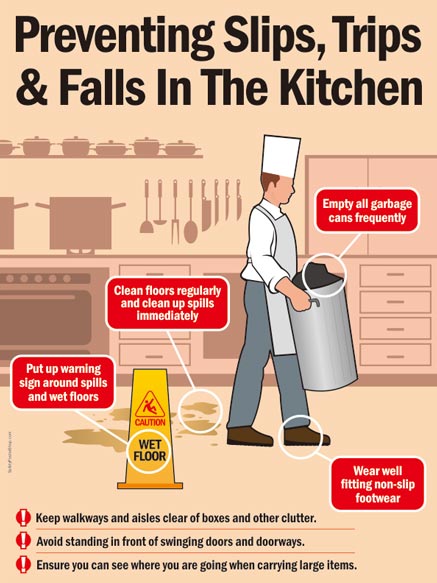
Image Source: www.safetypostershop.com
Mastering Kitchen Safety: A Proactive Approach
Kitchen safety is not a one-time task; it’s an ongoing commitment to vigilance. It involves a multi-faceted approach, focusing on identifying and mitigating potential risks before they have a chance to cause harm. By actively thinking about what could go wrong and taking steps to prevent it, you empower yourself and your loved ones to move freely and confidently in the kitchen.
Identifying and Eliminating Slip Hazards
Slip hazards are the most immediate and common culprits behind kitchen falls. These are the things that make a surface slick or treacherous underfoot.
Common Slip Hazards in the Kitchen:
- Spilled Liquids: Water, oil, juice, milk, or any other liquid can make floors extremely slippery. Even a small spill can create a dangerous situation.
- Grease and Food Debris: Cooking with oil can lead to splatters. Dropped food items, like peas or slippery vegetables, can also create tripping and slipping risks.
- Wet Mats or Rugs: If mats or rugs are damp or their edges are curled, they can easily cause someone to slip or trip.
- Scratched or Damaged Flooring: Uneven or damaged tiles, linoleum, or wood flooring can create uneven surfaces that are easy to catch a toe on.
- Condensation: From refrigerators or dishwashers, condensation can form on the floor, creating a slick patch.
- Wax or Polish: Over-polishing floors can create an excessively slick surface.
Strategies for Eliminating Slip Hazards:
- Immediate Clean-up: Address spills instantly. Keep a cloth or paper towels readily accessible near cooking areas. Don’t wait until you finish cooking; clean as you go.
- Drying Mats: Place absorbent mats or towels at the sink and near the dishwasher to catch drips and spills.
- Non-Slip Mats: Use kitchen floor mats that are specifically designed for kitchens. Ensure they have a non-slip backing and are made of absorbent material.
- Regular Floor Checks: Periodically inspect your kitchen flooring for any damage, loose tiles, or areas that have become worn and slippery. Address these issues promptly.
- Ventilation: Ensure good ventilation to minimize condensation buildup, especially around appliances.
Fall Prevention Tips: Daily Habits for a Safer Kitchen
Beyond addressing obvious hazards, incorporating daily habits can significantly enhance kitchen safety. These are the small, consistent actions that contribute to a much larger picture of fall prevention.
Essential Fall Prevention Tips:
- Clean As You Go: This is perhaps the most crucial tip. Wipe up spills immediately, no matter how small. Don’t let them sit and create a slip hazard.
- Manage Your Cookware: When cooking with oil, be mindful of splatters. Use splatter screens when frying. Clean pots and pans with oily residues carefully.
- Secure Rugs and Mats: Ensure all kitchen floor mats and rugs lie flat. Use double-sided tape or non-slip rug pads to keep them in place. If the edges are frayed or curled, replace them.
- Mind Your Footing: Be aware of where you are walking. Avoid walking on wet or greasy areas. If you notice a spill, find an alternative route or address it immediately.
- Proper Footwear: This is a critical element often overlooked. What you wear on your feet makes a significant difference in your stability.
The Importance of Proper Footwear:
Wearing the right shoes in the kitchen is paramount for preventing slips and falls.
- Non-Slip Soles: Shoes with rubber or specialized grip soles offer the best traction. Avoid smooth-soled shoes like flip-flops, slippers with no grip, or smooth leather-soled shoes.
- Good Fit: Shoes should fit snugly but comfortably, providing support and preventing your foot from sliding within the shoe.
- Closed Toes: Closed-toe shoes protect your feet from dropped items and prevent toes from snagging on the floor or cabinets.
- Avoid Loose Slippers: While comfortable, many slippers lack adequate traction and can easily slip off your feet. If you wear slippers, ensure they have a grippy sole.
- Barefoot Precautions: While some prefer being barefoot, it can increase the risk of slipping on spills and also makes you more vulnerable to dropped objects. If going barefoot, be extra vigilant about keeping the floor clean and dry.
Decluttering: Creating Clear Pathways
Clutter reduction is a fundamental aspect of kitchen safety. A tidy kitchen not only looks better but also significantly reduces the risk of tripping over objects left in walkways.
Strategies for Effective Clutter Reduction:
- Clear Countertops: Keep countertops as clear as possible. Store appliances, utensils, and food items in drawers, cabinets, or designated holders.
- Organize Drawers and Cabinets: Ensure everything has a place. Use drawer organizers and shelf dividers to keep items tidy and accessible. This prevents having to reach precariously or move things around in a disorganized way.
- Floor Space: Avoid leaving items on the floor, such as boxes, bags, or cleaning supplies. Store these in cabinets or on shelves.
- Traffic Flow: Pay attention to the main pathways in your kitchen. Ensure that chairs, stools, and appliances do not obstruct these routes.
- Regular Purging: Periodically go through your pantry, cabinets, and drawers to discard expired food, broken utensils, or items you no longer use. This process naturally reduces clutter.
Enhancing the Kitchen Environment for Safety
Beyond personal habits and immediate hazard removal, modifying the physical environment of your kitchen can make a profound difference in preventing falls. These are often long-term solutions that create a more inherently safe space.
Lighting Improvements: Illuminating Potential Dangers
Inadequate lighting is a silent but significant contributor to falls. Poorly lit areas can hide slip hazards and make it difficult to navigate safely.
How Lighting Enhances Kitchen Safety:
- Visibility of Hazards: Good lighting allows you to clearly see spills, dropped food, or uneven surfaces.
- Easier Navigation: Well-lit pathways and work areas make it easier to move around, especially when carrying items.
- Reducing Glare: Glare can be disorienting and create shadows that obscure hazards. Diffused or indirect lighting can help.
Lighting Improvements to Consider:
- Task Lighting: Install bright, focused lighting directly over countertops, sinks, and cooking areas. Under-cabinet lighting is excellent for illuminating workspaces.
- Overhead Lighting: Ensure your main kitchen lights provide ample ambient light throughout the room. Consider upgrading to brighter, more energy-efficient LED bulbs.
- Night Lights: Place night lights in the kitchen, especially if you or others use it during the night for snacks or water. This can prevent fumbling in the dark.
- Motion-Sensor Lights: Consider motion-sensor lights for areas that are frequently used but might be momentarily dark, such as pantries or utility closets within the kitchen.
- Natural Light Maximization: Keep windows clean and blinds or curtains open during the day to maximize natural light.
Enhancing Stability: Grab Bars and Assistive Devices
For individuals who may have balance issues or reduced strength, strategically placed support can be a game-changer.
The Role of Grab Bars:
Grab bars are sturdy support handles installed in key areas where extra stability might be needed.
- Near the Sink: A grab bar near the sink can provide support while washing dishes or reaching for items.
- Alongside Appliances: If you need to lean on appliances to steady yourself, grab bars nearby can offer a safer alternative.
- Around Cabinet Areas: For those who may need to lean slightly to open cabinets or reach for items, grab bars can offer crucial support.
Using Assistive Devices:
Assistive devices are tools that help individuals perform tasks more safely and independently.
- Reachers/Grabbers: These tools are invaluable for picking up dropped items or reaching for objects on high shelves, eliminating the need for risky stretches or stepping on unstable objects.
- Step Stools with Handrails: If you need to reach high cabinets, a sturdy step stool with a secure handrail provides stable support and prevents overreaching. Always ensure the stool is placed on a non-slip surface.
- Non-Slip Mats: As mentioned earlier, high-quality kitchen floor mats with excellent grip are a crucial assistive device for preventing slips.
- Specialized Utensils: For those with grip issues, adaptive utensils can make cooking and eating safer and more comfortable.
Accessible Kitchen Design: Future-Proofing Your Space
An accessible kitchen design focuses on creating a space that is safe and functional for people of all ages and abilities. Many principles of accessible design inherently contribute to fall prevention.
Key Elements of Accessible Kitchen Design for Fall Prevention:
- Non-Slip Flooring: Choosing flooring with a high coefficient of friction is essential. Options like textured linoleum, vinyl with an embossed surface, or specific types of ceramic tiles with matte finishes provide superior grip compared to polished surfaces.
- Clear Floor Space: Ensuring ample space between cabinets, appliances, and islands creates clear pathways, reducing the risk of tripping. Aim for wider aisles than standard building codes might require.
- Countertop Height and Depth: Ergonomically designed countertops can reduce the need to reach or bend awkwardly. Having some lower counter sections can also be beneficial.
- Easy-to-Open Cabinets and Drawers: Opt for lever-style handles or push-to-open mechanisms instead of knobs, which can be difficult to grip.
- Storage Solutions: Pull-out shelves, lazy Susans, and deep drawers make items more accessible without requiring extensive reaching or bending.
- Integrated Seating: Consider built-in seating or space for a stool if you often need to sit while preparing food or cleaning.
Specific Scenarios and Solutions
Let’s consider some common kitchen activities and how to approach them with fall prevention in mind.
Cooking and Food Preparation
The act of cooking itself involves many potential risks.
Preventing Falls While Cooking:
- Stovetop Safety:
- Turn Pot Handles: Always turn pot and pan handles towards the back or center of the stove to prevent accidental knocking or bumping.
- Use Back Burners: When possible, use the back burners, especially when dealing with hot liquids or oils, to reduce the risk of spills.
- Splash Guards: Use splash guards around the stovetop to contain grease splatters.
- Oven Use:
- Steady Yourself: When opening the oven door, use a counter or a sturdy appliance to steady yourself, especially if you need to bend down.
- Clear the Path: Ensure the area in front of the oven is clear of any obstructions before opening it.
- Knife Safety:
- Stable Cutting Board: Always use a cutting board with a non-slip backing or place a damp cloth or paper towel underneath it to prevent it from sliding.
- Sharp Knives: Paradoxically, sharp knives are safer as they require less force and are less likely to slip. Keep knives sharp and in a knife block or magnetic strip.
Cleaning and Maintenance
A clean kitchen is a safe kitchen, but the process of cleaning can introduce new hazards.
Safe Cleaning Practices:
- Floor Cleaning:
- Use Appropriate Cleaners: Choose non-slippery floor cleaners. Avoid oil-based polishes or waxes that can leave a slippery residue.
- Dry Thoroughly: Ensure floors are completely dry after washing or mopping. Place kitchen floor mats in high-traffic areas to absorb moisture.
- Warning Signs: If the floor is wet and you cannot dry it immediately, place a clear “Wet Floor” sign to alert others.
- Appliance Cleaning:
- Unplug First: Always unplug appliances before cleaning them, especially electrical ones like toasters or blenders.
- Handle Cleaning Products Safely: Store cleaning products securely and out of reach of children. Ensure good ventilation when using strong cleaning agents.
- Managing Trash and Recycling:
- Regular Disposal: Don’t let trash or recycling bins overflow, as this can create tripping hazards.
- Secure Lids: Ensure lids are secure to prevent items from falling out.
Special Considerations for Vulnerable Individuals
Certain groups, such as older adults, individuals with mobility issues, or young children, may be at a higher risk for falls.
Supporting Older Adults
As we age, changes in vision, balance, strength, and reaction time can increase fall risk.
Strategies for Older Adults:
- Regular Health Check-ups: Discuss any concerns about balance or dizziness with a doctor. Prescription side effects can sometimes contribute to falls.
- Vision Checks: Ensure regular eye exams and wear prescribed glasses or contact lenses.
- Medication Review: Work with a doctor or pharmacist to review medications, as some can cause dizziness or drowsiness.
- Gentle Exercise: Regular physical activity that focuses on balance and strength, like Tai Chi or yoga, can be highly beneficial.
- Home Modifications: Implementing fall prevention tips and accessible kitchen design features are particularly important. This includes grab bars, lighting improvements, and appropriate kitchen floor mats.
Safety for Children in the Kitchen
While this article primarily focuses on adult falls, it’s worth noting that children are also at risk in the kitchen.
Child Safety Measures:
- Supervision: Never leave young children unattended in the kitchen.
- Secure Furniture: Ensure heavy furniture, like high chairs or cabinets, are secured to the wall to prevent tipping.
- Stove Knob Covers: Use safety covers for stove knobs to prevent children from turning them on.
- Knife and Appliance Safety: Keep knives, sharp utensils, and small appliances out of reach.
When to Seek Professional Help
Sometimes, despite best efforts, a fall can still occur, or concerns about ongoing safety may arise.
Assessing the Need for Professional Assistance
- Persistent Balance Issues: If you or a loved one experiences ongoing problems with balance or a significant fear of falling, consult a healthcare professional. They can assess for underlying medical conditions and recommend appropriate interventions.
- Difficulty with Daily Tasks: If performing everyday kitchen tasks becomes challenging or feels unsafe, it might be time to consider professional help.
- Home Safety Assessments: Occupational therapists or certified aging-in-place specialists can conduct thorough home safety assessments and provide personalized recommendations for fall prevention tips, assistive devices, and accessible kitchen design. They can help identify slip hazards you might have overlooked.
Types of Professional Support
- Occupational Therapists (OTs): OTs are experts in helping people maintain independence and safety in their daily lives. They can provide strategies for fall prevention tips and recommend assistive devices.
- Physical Therapists (PTs): PTs can help improve strength, balance, and mobility through targeted exercises.
- Home Health Aides: For those needing assistance with daily tasks in the kitchen, a home health aide can provide support.
- Contractors Specializing in Home Modifications: For more extensive accessible kitchen design changes, like installing grab bars or altering countertops, specialized contractors can ensure safe and proper installation.
Frequently Asked Questions (FAQ)
Q1: What is the most common cause of falls in the kitchen?
A1: The most common cause of falls in the kitchen is slipping on wet or greasy surfaces, followed by tripping over objects or rugs.
Q2: Can I use regular household cleaning products without risk?
A2: While most household cleaners are safe, some can leave residue that makes floors slippery. Always follow product instructions and ensure good ventilation. Consider cleaners specifically marked as “non-slip” or rinse surfaces thoroughly.
Q3: How often should I check my kitchen for hazards?
A3: It’s best to do a quick visual check daily for spills or clutter. A more thorough assessment of flooring, lighting, and storage should be done monthly or quarterly.
Q4: Who is most at risk for kitchen falls?
A4: Older adults, individuals with impaired vision, balance issues, or certain medical conditions are at higher risk. However, anyone can fall if the kitchen is not kept safe.
Q5: What are the best types of kitchen floor mats for fall prevention?
A5: Look for kitchen floor mats with a non-slip rubber backing, good absorbency, and a low profile to prevent tripping. Mats designed for commercial kitchens often offer superior grip.
Q6: Is it safe to be barefoot in the kitchen?
A6: While not inherently unsafe, being barefoot increases your risk of slipping on spills and makes your feet vulnerable to dropped items. Wearing shoes with good traction, like non-slip slippers or athletic shoes, is generally safer.
Q7: How can I improve lighting in my kitchen without a major renovation?
A7: You can easily improve lighting by replacing old bulbs with brighter LED bulbs, adding plug-in under-cabinet lights, or using battery-operated motion-sensor lights in dark corners.
Q8: What are the benefits of accessible kitchen design for fall prevention?
A8: Accessible kitchen design minimizes hazards by ensuring clear pathways, stable surfaces, and easy access to items, all of which directly contribute to preventing slips and trips.
By implementing these comprehensive strategies, from immediate hazard removal to thoughtful environmental modifications, you can transform your kitchen into a safer, more secure space, allowing you to cook, eat, and live with greater peace of mind.