
Thinking about replacing your kitchen faucet? This guide will walk you through how to remove a Delta kitchen faucet. Yes, you can do this yourself! With the right tools and a little patience, you can successfully uninstall your old Delta faucet and prepare for a new one.
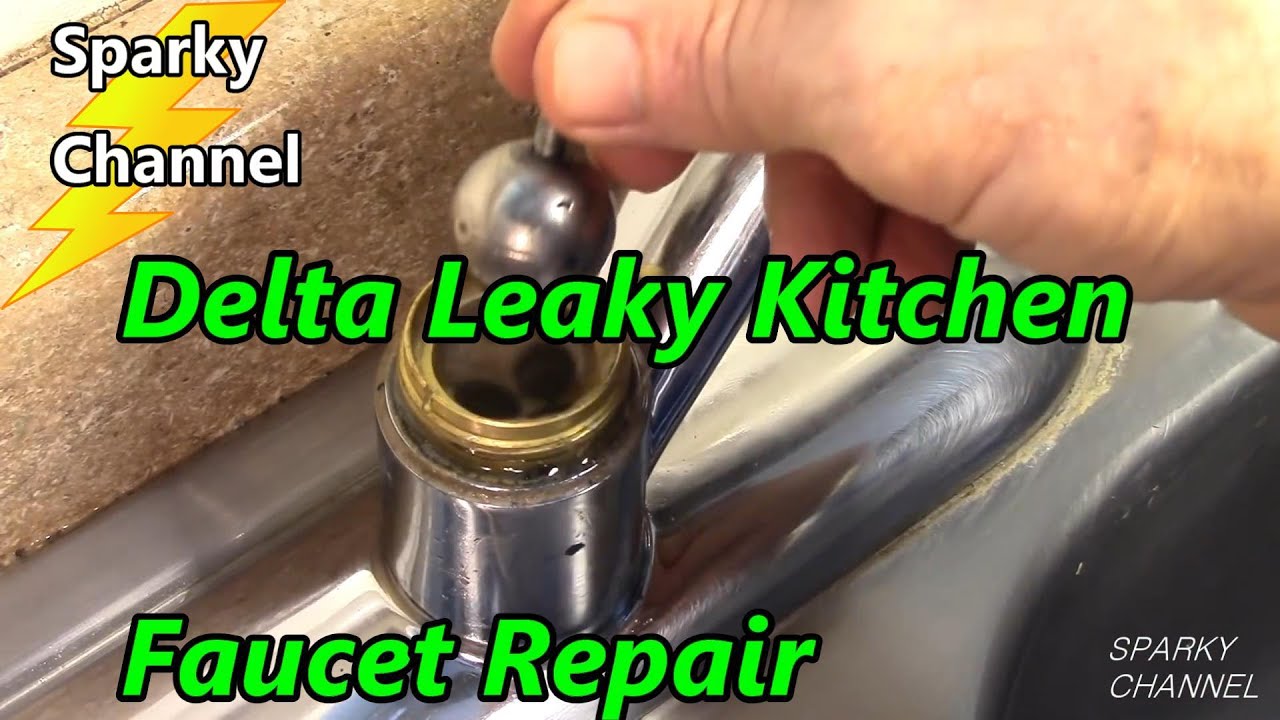
Image Source: i.ytimg.com
Getting Ready for Faucet Removal
Before you start, gather all the necessary tools and supplies. Having everything at hand will make the process smoother and prevent frustrating trips to the hardware store mid-project.
Essential Tools and Supplies
Here’s a list of what you’ll need:
- Adjustable Wrenches: You’ll likely need a couple of different sizes.
- Basin Wrench: This specialized tool is designed to reach nuts in tight spaces, often found under the sink.
- Bucket or Towels: To catch any residual water.
- Safety Glasses: Protect your eyes from falling debris or water.
- Gloves: To keep your hands clean and provide a better grip.
- Flashlight or Headlamp: It’s usually dark under the sink.
- Penetrating Oil (e.g., WD-40): For loosening stubborn nuts.
- Rag or Old Towels: For wiping up water and cleaning.
- Putty Knife or Scraper: To gently loosen any old sealant.
- Plumber’s Tape: For the new faucet’s connections (not needed for removal, but good to have if you’re immediately installing a new one).
Preparing Your Workspace
A little preparation goes a long way to make the job easier and cleaner.
Clearing the Area Under the Sink
Remove everything from the cabinet beneath your kitchen sink. This will give you ample room to move around and work without obstruction. Place items on the floor or a nearby counter.
Protecting Your Sink and Countertops
Lay down old towels or rags in the sink basin and on the counter around the faucet. This will protect your surfaces from scratches and absorb any drips or spills.
Step-by-Step Guide to Removing Your Delta Kitchen Faucet
Now, let’s get down to the actual removal process. Follow these steps carefully to uninstall your Delta faucet.
Step 1: Turn Off the Water Supply
This is the most crucial step. You need to turn off the water supply faucet before you begin any work on the faucet itself.
- Locate the Shut-off Valves: Look under the sink for two shut-off valves, usually one for hot water and one for cold water. They typically have small oval or round handles.
- Turn the Valves Clockwise: Turn both handles clockwise until they are snug. Do not overtighten.
- Test the Water Flow: Turn on the faucet to drain any remaining water in the lines and to ensure the water is indeed off. Let it run until no more water comes out. If you don’t have shut-off valves under the sink, you’ll need to turn off the main water supply to your house.
Step 2: Relieve Water Pressure
Even after turning off the valves, there might be some water left in the faucet lines.
- Open the Faucet: Turn the faucet handle(s) to the “on” position. This will release any built-up pressure and allow remaining water to drain.
- Drain Completely: Let the water drain out until no more water comes out.
Step 3: Disconnect the Water Lines
Now it’s time to disconnect water lines faucet.
- Position Your Bucket: Place a bucket or a shallow pan directly under the water supply lines where they connect to the shut-off valves. This will catch any residual water.
- Use Your Wrenches: Use an adjustable wrench to loosen the nuts that connect the water supply lines to the shut-off valves. You might need another wrench to hold the valve steady while you turn the nut, preventing damage to the plumbing.
- Disconnect Both Lines: Carefully disconnect both the hot and cold water lines. Be prepared for a small amount of water to drain into your bucket.
Step 4: Disconnect Sprayer Hose (If Applicable)
If your Delta faucet has a pull-down or pull-out sprayer, you’ll need to disconnect its hose.
- Locate the Sprayer Hose Connection: The sprayer hose typically connects to a diverter valve or directly to the faucet body under the sink.
- Loosen the Connection: Use an adjustable wrench to loosen the nut holding the sprayer hose in place. Some sprayers have a quick-connect fitting, which you can often release by pushing a small tab or lever.
- Remove the Hose: Once disconnected, pull the sprayer hose free.
Step 5: Loosen the Mounting Nuts
This is where the kitchen sink faucet removal often gets tricky, as these nuts can be difficult to access. You’ll need to loosen mounting nuts faucet.
- Locate the Mounting Nuts: Look up under the sink. The faucet body will be secured to the sink or countertop by one or more nuts. These are usually large, often plastic or metal, and can be tight.
- Use the Basin Wrench: This is where the basin wrench shines. Its long shaft and swiveling head are designed to reach these awkward nuts. Position the jaws of the basin wrench onto the nut.
- Turn Counterclockwise: Turn the basin wrench counterclockwise to loosen the nut. It might require some force, especially if it’s corroded or painted over. If it’s very stubborn, apply some penetrating oil and let it sit for a few minutes before trying again.
- Repeat for All Nuts: Depending on your faucet model, there might be one, two, or even three mounting nuts holding the faucet in place. Loosen and remove all of them.
Step 6: Remove the Faucet Body
With the mounting nuts loosened and removed, you can now remove faucet body.
- Lift the Faucet: From above the sink, carefully lift the faucet straight up and out of the mounting holes.
- Gently Wiggle: If it seems stuck, gently wiggle the faucet from side to side. There might be old plumber’s putty or sealant holding it in place.
- Use a Putty Knife (Carefully): If necessary, use a putty knife or scraper to gently break the seal between the faucet base and the sink surface. Be careful not to scratch your countertop or sink.
- Pull Through: Once free from the sealant, pull the entire faucet assembly up and away from the sink.
Step 7: Clean the Mounting Surface
After removing the old faucet, you’ll likely find residual plumber’s putty, caulk, or grime on the sink surface.
- Scrape Away Residue: Use your putty knife or scraper to carefully remove any old sealant.
- Clean the Area: Wipe down the surface with a damp cloth and cleaner to ensure a clean area for your new faucet.
Specific Delta Faucet Removal Considerations
Delta offers a wide variety of faucet styles, and some might have slightly different removal procedures.
Delta Single Handle Faucet Removal
The process for a Delta single handle faucet removal is largely the same as described above. The primary difference might be the type and location of the mounting hardware.
- Mounting Bracket: Single-handle faucets often have a single mounting nut or a bracket that secures the faucet from underneath. Locate this, and use your basin wrench or an appropriate socket wrench to loosen it.
- Handle Removal (Sometimes Necessary): In some rare cases, to access the mounting hardware, you might need to remove the faucet handle itself. Look for a small set screw on the underside or back of the handle, often hidden under a decorative cap. Loosen this screw with an Allen wrench, and the handle should lift off.
Delta Pull Down Faucet Removal
A Delta pull down faucet removal will include the extra step of disconnecting the sprayer hose, as detailed in Step 4.
- Hose Weight: Make sure to remove the hose weight if your faucet has one; it typically slides off the hose or is secured with a screw.
- Hose Connection Type: Be observant of how the hose connects. Some are threaded, while others use quick-connect fittings.
Troubleshooting Common Issues
Even with the best preparation, you might encounter a few snags.
Stubborn Mounting Nuts
If mounting nuts are heavily corroded or painted over, they can be very difficult to loosen.
- Penetrating Oil: Apply penetrating oil generously and allow it to soak for at least 15-30 minutes, or even overnight for severe cases. Reapply as needed.
- Heat (Use with Extreme Caution): In very rare and stubborn cases, a hairdryer or heat gun on a low setting can help expand the metal slightly, making it easier to turn. Be extremely careful not to damage surrounding plastic components or the sink itself.
- Pipe Wrench: If an adjustable wrench or basin wrench isn’t providing enough grip, a pipe wrench might offer a better hold on a stubborn nut. Again, be cautious not to damage anything.
Leaking After Shut-Off
If you still get drips after turning off the shut-off valves, it might mean the valves themselves are faulty.
- Main Water Shut-Off: In this situation, you must turn off the water supply faucet by locating and closing the main water valve for your entire house. This is usually found in your basement, garage, or utility closet.
What to Do After Faucet Removal
Once the old faucet is out, you’re ready for the next steps in your Delta faucet replacement.
Preparing for the New Faucet
- Clean Thoroughly: Ensure the sink surface where the faucet will mount is completely clean and dry.
- Inspect Plumbing: Check the existing water supply lines for any signs of wear or damage. It’s often a good idea to replace old supply lines when installing a new faucet.
Installing the New Faucet
While this guide focuses on removal, the installation of a new faucet will involve connecting the new water lines, securing the faucet body with mounting hardware, and reconnecting the sprayer hose (if applicable). Always refer to the installation manual provided with your new Delta faucet.
Frequently Asked Questions (FAQ)
Here are some common questions people have when removing a Delta kitchen faucet.
Q1: How long does it usually take to remove a Delta kitchen faucet?
A1: For an experienced DIYer, it can take anywhere from 30 minutes to an hour. For a first-timer, especially if there are stubborn parts, it could take 1-2 hours.
Q2: Do I need a special tool to remove a Delta faucet?
A2: A basin wrench is highly recommended as it makes loosening the mounting nuts under the sink much easier due to its long reach and maneuverability.
Q3: What if I can’t find the shut-off valves under my sink?
A3: If you cannot locate or use the shut-off valves under the sink, you will need to turn off the water supply faucet by shutting off the main water supply to your house.
Q4: Can I reuse my old water supply lines?
A4: It’s generally best practice to replace old supply lines, especially if they are more than a few years old or show any signs of corrosion or stiffness, when performing a Delta faucet replacement.
Q5: How do I know if I have a pull-down or pull-out sprayer?
A5: A pull-down sprayer hose typically retracts directly into the spout, while a pull-out sprayer hose usually extends forward from the spout. Both will need to be disconnected.
Q6: What if the mounting nuts are plastic?
A6: Plastic mounting nuts are common and can sometimes be easier to loosen. Use an adjustable wrench or pliers, but be gentle to avoid cracking them prematurely if you need to reuse them temporarily.
Q7: Is it safe to use a power drill to remove the mounting nuts?
A7: While tempting, it’s generally not recommended to use a power drill for removing mounting nuts unless you have a very specific attachment for it and are experienced. You risk stripping the nuts or damaging the sink or countertop if you apply too much torque or slip. Hand tools offer more control for this task.
Q8: My faucet is old and corroded. What can I do?
A8: For corroded parts, a good penetrating oil like WD-40 is your best friend. Apply it liberally, let it soak, and try again. You might need to apply it multiple times.
By following these detailed steps, you’ll be well-equipped to handle the task of removing your Delta kitchen faucet. Happy DIYing!