
What is the cost of kitchen cabinet refacing? Generally, the cost to reface kitchen cabinets can range from $5,000 to $15,000, with the average cabinet refacing cost falling around $9,000. This price point offers a significant upgrade to your kitchen’s appearance without the expense of a full cabinet replacement. This guide will delve into the factors influencing refacing kitchen cabinets prices, helping you budget for your kitchen cabinet makeover.
Updating your kitchen can feel overwhelming, especially when considering the cost of new cabinets. However, there’s a smart and often more affordable solution: cabinet refacing. This process involves keeping your existing cabinet boxes (the frames) and replacing the visible parts like doors, drawer fronts, and the visible sides. It’s a fantastic way to refresh your kitchen’s look and feel without the massive disruption and expense of a complete remodel. Let’s break down what influences the cost of refacing cabinets and what you can expect.
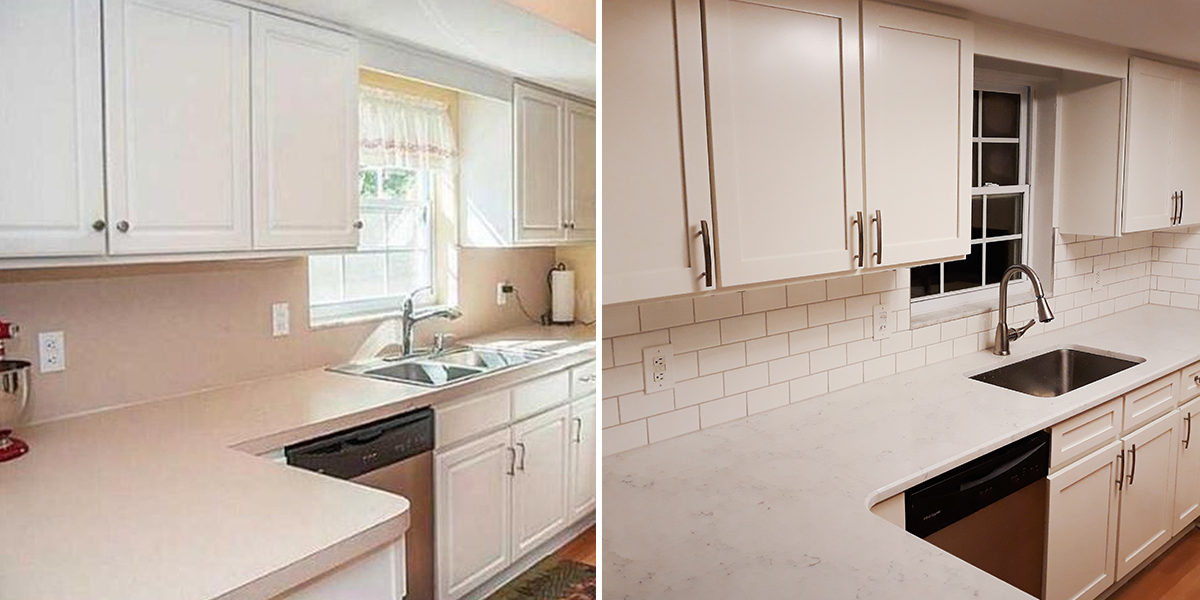
Image Source: premiercabinetpainting.com
Deciphering Cabinet Refacing Costs
The cabinet refacing cost isn’t a one-size-fits-all number. Several elements play a role in determining the final price. Understanding these components is key to getting accurate cabinet refacing estimates.
Factors Influencing Cabinet Refacing Prices
- Size of Your Kitchen: More cabinets mean more materials and labor. A larger kitchen with numerous base and wall cabinets will naturally cost more to reface than a smaller one.
- Materials Chosen for Doors and Drawer Fronts: This is perhaps the biggest cost driver.
- Laminate/Thermafoil: These are typically the most budget-friendly options. They are vinyl films or printed papers bonded to particleboard or MDF. They offer a wide range of colors and wood grain patterns.
- Veneer: Thin slices of real wood applied to a substrate like plywood or MDF. They offer a more authentic wood look than laminates but are generally less expensive than solid wood.
- Solid Wood: The premium choice. Woods like maple, cherry, oak, and alder offer durability and a classic, high-quality appearance. Different wood species have different price points.
- Style of Doors and Drawer Fronts:
- Shaker Style: A popular, timeless design with a flat center panel and a raised frame.
- Raised Panel: Features a center panel that is raised, creating a more traditional and ornate look.
- Recessed Panel: Similar to Shaker, but the center panel is set back further.
- Slab (Flat Panel): A simple, modern, and sleek design with no embellishments.
- Custom Designs: More intricate or custom-designed doors will increase the cost.
- Type of Refacing Process:
- Veneer Overlay: This is the most common method for cabinet refacing. New veneer (wood or laminate) is applied directly over the existing cabinet frames.
- Door and Drawer Front Replacement: This involves completely replacing the old doors and drawer fronts with new ones. This is often what people mean by refacing.
- Hardware: New hinges, handles, and knobs can add to the overall cost. While not strictly part of the refacing itself, they are usually part of the project and influence the final look and price.
- Complexity of Cabinetry:
- Specialty Cabinets: If you have corner cabinets with lazy susans, pull-out shelves, or other specialized features, these might require more custom work and thus incur higher costs.
- Existing Cabinet Condition: While refacing is designed to work with existing boxes, severe damage (water damage, warping) might require additional repairs or modifications, impacting the price.
- Labor Costs: This varies significantly by region and the experience of the contractor.
Exploring Cabinet Resurfacing Cost Elements
When we talk about cabinet resurfacing cost, it often encompasses a few key components:
The Core Refacing Process
- New Doors and Drawer Fronts: This is the most visible part of the refacing. You are essentially buying new “faces” for your cabinets. The materials and style discussed above directly impact this cost.
- Veneer Application: The existing cabinet frames (boxes) are typically cleaned, sanded, and then covered with a thin layer of wood veneer or laminate. This gives the cabinet boxes a fresh, consistent look that matches the new doors and drawer fronts. The quality and type of veneer used here also affect the price.
Related Costs That Add Up
- Hardware: Don’t forget the cost of new knobs, pulls, and hinges. While you can sometimes reuse existing hardware, replacing it can significantly enhance the new look. Hinges, especially soft-close or concealed European-style hinges, can add a premium.
- Moulding and Trim: Adding decorative moulding or trim to the top or sides of cabinets can elevate the look but will add to the material and labor costs.
- Labor: Professional installation is crucial for a seamless finish. The labor cost includes removing old doors/drawer fronts, preparing the cabinet boxes, applying veneer, installing new doors/drawer fronts, and attaching hardware.
- Contingency: It’s always wise to set aside an extra 10-15% for unexpected issues that might arise during the project.
Average Cabinet Refacing Cost Breakdown
Let’s look at a more detailed breakdown of the average cabinet refacing cost. For a standard-sized kitchen (typically 10-15 cabinet doors and 5-7 drawer fronts), you can expect the following:
Typical Cost Ranges
- Laminate/Thermafoil Refacing: $4,000 – $8,000
- Wood Veneer Refacing: $6,000 – $12,000
- Solid Wood Door Replacement (with veneer on boxes): $8,000 – $15,000+
These are general estimates. The actual refacing kitchen cabinets prices will depend on the specifics of your kitchen and your material selections.
Table: Estimated Cabinet Refacing Costs by Material
| Material Type | Estimated Cost Range (for a standard kitchen) | Notes |
|---|---|---|
| Laminate/Thermafoil | $4,000 – $8,000 | Budget-friendly, wide variety of colors and patterns. |
| Wood Veneer | $6,000 – $12,000 | Offers a more natural wood look at a moderate price point. |
| Solid Wood Doors | $8,000 – $15,000+ | Premium choice, durable, offers authentic wood grain and finishes. |
| Cabinet Door Replacement Only | $2,000 – $7,000 (depending on material) | If you only replace doors and drawer fronts and keep existing boxes. |
Cost of Refacing Cabinets vs. Other Options
It’s important to compare cabinet refacing cost to other kitchen renovation options:
- New Custom Cabinets: Can range from $15,000 to $50,000 or more, depending on materials, size, and complexity.
- New Stock/Semi-Custom Cabinets: Typically $7,000 to $25,000.
- Cabinet Painting/Refinishing: This is a more budget-friendly option, often costing $1,000 to $5,000 for professional painting. However, it doesn’t involve replacing doors or drawer fronts and the longevity of the finish can vary. Cabinet refinishing cost is significantly lower but offers a different outcome.
- Cabinet Door Replacement Cost: If your cabinet boxes are in excellent condition and you only want to update the look, replacing just the doors and drawer fronts can cost between $2,000 and $7,000, depending on the material and style. This is a component of a larger refacing project.
Factors Affecting Cabinet Door Replacement Cost
The cabinet door replacement cost is a significant portion of the overall refacing price. Here’s what influences it:
Material Matters for Doors
- MDF (Medium-Density Fiberboard): Often used for painted doors, especially Shaker styles. It’s stable and takes paint well but can be susceptible to moisture.
- Plywood: Stronger and more stable than MDF, especially for stained finishes. Often a more durable and slightly more expensive option.
- Solid Wood: The most expensive but offers the best durability, grain patterns, and finishing options.
Door Styles and Construction
- Flat Panel (Slab): Generally the least expensive due to simpler construction.
- Shaker Style: Popular and moderately priced. The number of components in the frame can slightly affect the cost.
- Raised or Recessed Panel: These styles involve more detailed woodworking and often cost more.
- Specialty Doors: Doors with glass inserts, decorative milling, or unique designs will command higher prices.
Drawer Fronts
Drawer fronts are typically priced similarly to doors, but the number of drawers and their sizes will factor in.
Hardware
The cost of hinges, handles, and knobs is separate. High-quality, soft-close hinges can add $5-$20 per door. Designer knobs and pulls can range from a few dollars to $50+ each.
The Cabinet Refinishing Cost Comparison
While refacing provides new doors and drawer fronts, cabinet refinishing cost involves cleaning, sanding, and repainting or restaining your existing doors and cabinet boxes.
Pros and Cons of Refinishing
- Pros:
- Lower Cost: Generally significantly cheaper than refacing or new cabinets.
- Less Disruptive: Can often be done with the doors and drawer fronts removed, allowing you to still use the kitchen to some extent.
- Environmentally Friendly: Reuses existing materials.
- Cons:
- Limited Aesthetic Change: You’re still working with the existing door styles. You can change the color, but not the profile.
- Durability Concerns: The longevity of a painted finish depends heavily on the preparation and the type of paint used. A poorly done paint job can chip or peel.
- Labor Intensive: Proper prep work is crucial for a good finish, and this can be time-consuming.
Getting Accurate Cabinet Refacing Estimates
To get a clear picture of your cabinet refacing estimates, follow these steps:
What to Expect from Estimators
- In-Home Consultation: Reputable refacing companies will always conduct an in-home consultation. They need to see your kitchen, measure everything, and discuss your material preferences.
- Detailed Quote: The estimate should clearly outline:
- The number and type of cabinet doors and drawer fronts being replaced.
- The materials used for doors, drawer fronts, and box veneer.
- The style and finish of the new components.
- The type of hardware included (or the allowance for it).
- The scope of work (what is included in the installation).
- The timeline for the project.
- The warranty offered.
- Ask Questions: Don’t hesitate to ask about the preparation process for the cabinet boxes, the warranty on materials and labor, and references.
Shopping Around for Estimates
- Get Multiple Quotes: Aim for at least three quotes from different companies. This helps you compare prices and service offerings.
- Compare Apples to Apples: Ensure each quote is for the same scope of work and materials to make a fair comparison.
- Check Reviews and References: Look for companies with good online reviews and ask for customer references.
The Kitchen Cabinet Makeover Cost: Beyond Refacing
While refacing is a popular kitchen cabinet makeover cost solution, consider these related elements that might affect your budget:
Countertops
If you’re refacing cabinets, it might be the perfect time to upgrade your countertops. New countertops can add $2,000 to $7,000+ depending on the material (granite, quartz, laminate, marble).
Backsplash
A new backsplash can complete the kitchen transformation. This can range from $500 to $3,000+.
Hardware
As mentioned, new knobs and pulls are often part of a refacing project. Factor this into your budget, as even simple hardware can add up.
Installation
The cost to reface kitchen cabinets includes installation. Ensure you know what this covers: removal of old doors/drawers, veneer application, installation of new components, and hardware installation.
Fathoming the Refacing Process: What’s Involved?
The actual cabinet refacing process is designed to be less disruptive than a full remodel.
Step-by-Step Refacing Journey
- Consultation and Design: You’ll work with the refacing company to select door styles, materials, finishes, and hardware.
- Templating: Technicians will measure each of your existing cabinet doors and drawer fronts precisely.
- Fabrication: New doors and drawer fronts are custom-made based on the templates and your selections.
- Cabinet Box Preparation: On installation day, the refacing crew will carefully remove your old doors and drawer fronts. They will then clean, sand, and prepare the exposed cabinet frames.
- Veneer Application: A new veneer (matching your new doors and drawer fronts) is expertly applied to the cabinet boxes, covering the visible sides and edges.
- Installation of New Components: The new doors and drawer fronts are attached to the cabinet boxes with new hinges and drawer slides.
- Hardware Installation: Knobs and pulls are installed.
- Cleanup: The crew cleans up the work area and removes old doors and drawer fronts.
DIY vs. Professional Refacing
- DIY: While tempting to save on labor, DIY refacing requires significant skill, patience, and the right tools. Achieving a professional, durable finish can be challenging. The cost savings might not be as significant as anticipated when factoring in tool purchases and potential mistakes.
- Professional: Hiring professionals ensures a high-quality finish, proper installation, and often comes with a warranty. The cost to reface kitchen cabinets professionally includes expertise that is difficult to replicate at home.
Frequently Asked Questions About Cabinet Refacing
Q1: Is cabinet refacing worth the cost?
A1: For many homeowners, yes. Cabinet refacing offers a dramatic visual upgrade for roughly 40-60% of the cost of new custom cabinets. It’s a great option if your existing cabinet boxes are structurally sound and you want to update the style and finish without a complete gut renovation.
Q2: How long does cabinet refacing typically take?
A2: The actual installation process usually takes 2-5 days for a standard kitchen. However, the fabrication of custom doors and drawer fronts can take several weeks, so the entire project from consultation to completion can span 4-8 weeks.
Q3: Can I reface my cabinets if they are stained?
A3: Yes, stained cabinets can be refaced. The existing stain color will be covered by the new veneer or laminate on the cabinet boxes, and you’ll have new stained or painted doors and drawer fronts.
Q4: What’s the difference between refacing and resurfacing?
A4: Often, these terms are used interchangeably, but “refacing” typically refers to replacing the doors and drawer fronts and applying new veneer to the cabinet boxes. “Resurfacing” can sometimes imply just cleaning, sanding, and repainting or staining the existing surfaces, or it could also refer to applying a new surface like veneer. In the context of cabinet costs, refacing is the more common and comprehensive term for replacing visible components.
Q5: What is cabinet resurfacing cost if I do it myself?
A5: DIY cabinet resurfacing cost can vary widely. If you are just painting or staining, the cost for supplies (paint, primer, sandpaper, brushes, rollers) might be $200-$500. If you’re applying veneer yourself, you’ll need to factor in the cost of veneer sheets, adhesive, and specialized tools, which could still run into hundreds of dollars. However, achieving a professional finish is challenging.
Q6: Is cabinet door replacement cost a major part of the overall refacing bill?
A6: Yes, the cabinet door replacement cost is usually the most significant portion of the cabinet refacing cost. The material, style, and custom features of the doors and drawer fronts are major drivers of the price.
Q7: Can I get cabinet refacing estimates online?
A7: You can get ballpark estimates online from some companies, but these are rarely accurate. To get precise cabinet refacing estimates, you’ll need an in-home consultation where measurements and material selections are confirmed.
Q8: Does refacing improve the functionality of my cabinets?
A8: Refacing primarily enhances the aesthetics. However, you can choose to upgrade hardware like soft-close hinges or drawer slides during the refacing process, which will improve functionality.
Q9: What are the benefits of refacing compared to painting my cabinets?
A9: Refacing offers a completely new look with new door styles and finishes, whereas painting retains the original door style. The durability of a professionally applied laminate or wood veneer is often greater than a painted finish, especially for high-traffic kitchen environments. The cabinet refinishing cost is lower, but the outcome is less transformative than refacing.
Q10: How do I choose the right refacing company?
A10: Look for companies with a good reputation, positive reviews, and ample experience. Get multiple quotes, ask for references, and ensure they provide a detailed contract with a warranty.
By carefully considering these factors and getting thorough cabinet refacing estimates, you can confidently plan your kitchen cabinet makeover and achieve the beautiful, updated kitchen you desire without breaking the bank.