
Replacing kitchen cabinets is a big decision, and the kitchen cabinet replacement cost can vary widely. Generally, you can expect to spend anywhere from $4,000 to $15,000 for a complete kitchen cabinet replacement, depending on the size of your kitchen, the materials you choose, and whether you opt for custom or stock cabinets. If you’re wondering about the cost to refurnish kitchen cabinets, this typically involves updating the existing ones, which can range from $1,000 to $5,000 for things like painting, refacing, or replacing hardware.
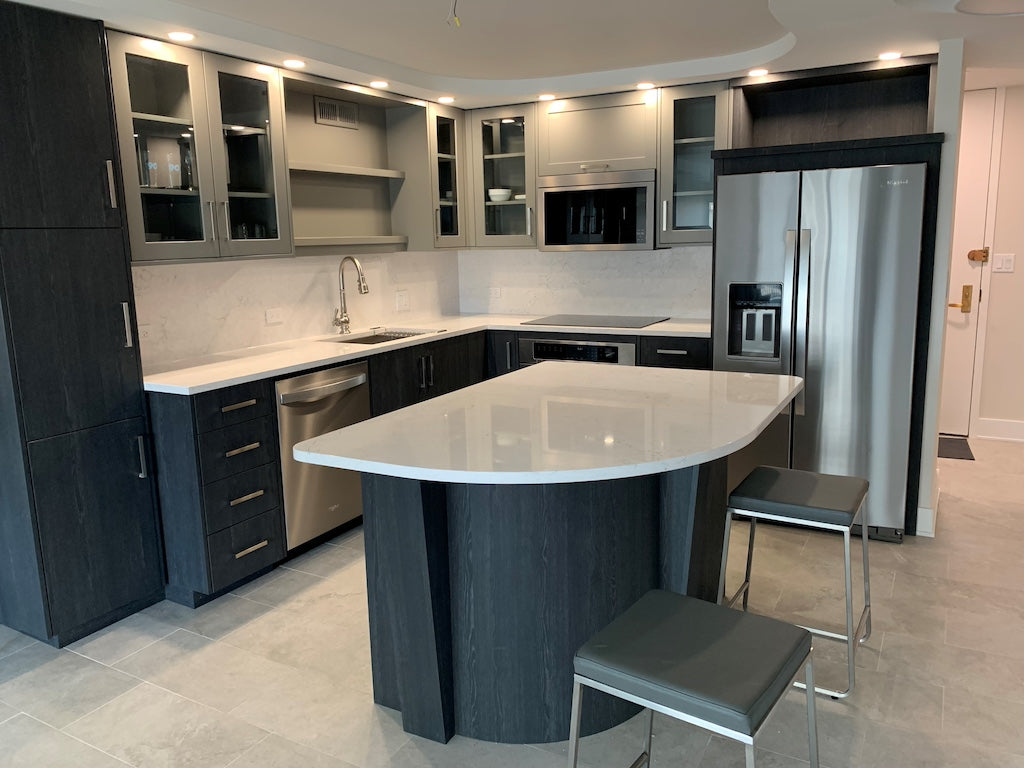
Image Source: homecarpetone.com
Gauging Your Kitchen Cabinet Replacement Expenses
Embarking on a kitchen cabinet replacement project is an exciting prospect, promising a refreshed and functional heart of your home. However, before you get swept away by glossy magazine spreads and dream kitchen visuals, it’s crucial to get a firm grasp on the financial investment required. The kitchen cabinet remodel cost is a significant portion of any kitchen renovation, and meticulous planning is key to ensuring your project stays within your desired financial limits. This guide aims to demystify the various factors influencing the average cost of kitchen cabinets and provide you with the knowledge to confidently budget for your dream kitchen.
Factors Influencing the Price of New Kitchen Cabinets
Several elements converge to determine the final price tag when you decide to update your kitchen cabinetry. Each factor plays a vital role, so understanding them will help you anticipate and manage your budget effectively.
Kitchen Size and Cabinet Quantity
The sheer number of cabinets you need directly impacts the overall cost. A larger kitchen with more wall and base cabinets will naturally require more materials and labor, leading to a higher kitchen cabinet replacement cost.
- Small Kitchens: Typically require fewer cabinets, potentially reducing the overall expense.
- Medium Kitchens: A moderate number of cabinets, representing a middle-ground in pricing.
- Large Kitchens: Extensive cabinetry needs will drive up the new kitchen cabinet prices.
Cabinet Materials: The Foundation of Cost
The type of material used for your cabinets is perhaps the most significant determinant of their price. From budget-friendly options to luxurious hardwoods, the choices are vast.
Wood Types:
- Particleboard/MDF: These engineered wood products are the most affordable options. They are stable and can be a good choice for budget kitchen cabinet replacement, especially when covered with laminate or veneer. However, they can be susceptible to moisture damage.
- Plywood: A stronger and more durable option than particleboard. It offers good structural integrity and resistance to moisture. Plywood cabinets often fall into the mid-range price category.
- Solid Hardwoods (Oak, Maple, Cherry, Birch): These are premium materials known for their beauty, durability, and longevity. They are also the most expensive, contributing significantly to the cost of custom kitchen cabinets.
Finishes:
- Laminate/Veneer: These are applied to engineered wood and offer a wide range of colors and patterns at a lower cost than solid wood.
- Thermofoil: A vinyl film heated and applied to an MDF core. It’s durable and easy to clean but can be susceptible to heat damage and peeling.
- Painted: Offers a clean, modern look but requires skilled application for a lasting finish.
- Stained: Enhances the natural beauty of wood, showcasing grain patterns. The type of stain and wood will influence the price.
Cabinet Construction Styles: Stock, Semi-Custom, and Custom
The way your cabinets are built and the level of personalization you seek will also affect the kitchen cabinet replacement cost.
Stock Cabinets:
- These are pre-made, mass-produced cabinets available in standard sizes and limited styles.
- They are the most budget-friendly option and are readily available from big-box stores and manufacturers.
- Pros: Lowest cost, quick availability, easy to purchase.
- Cons: Limited design choices, less flexibility in sizing, may require filler strips to fit non-standard spaces.
Semi-Custom Cabinets:
- These offer a middle ground, allowing for some customization in terms of dimensions, styles, and finishes within a pre-determined framework.
- You can often choose from a wider range of door styles, colors, and storage solutions.
- Pros: More design flexibility than stock, better fit for unique spaces, a good balance of cost and customization.
- Cons: Higher cost than stock, longer lead times.
Custom Cabinets:
- These are built from scratch to your exact specifications, offering unlimited possibilities in terms of design, size, materials, and finishes.
- They are ideal for unique kitchen layouts or when you have very specific aesthetic goals.
- Pros: Perfect fit for any space, unique designs, high-quality materials and craftsmanship.
- Cons: Highest cost, longest lead times, require detailed planning and collaboration with a cabinet maker. This is where the cost of custom kitchen cabinets truly shines through.
Hardware and Accessories
Don’t forget to factor in the cost of handles, knobs, hinges, drawer slides, and other internal accessories. These may seem like small additions, but they can add up.
- Basic Hardware: Affordable and functional.
- Designer Hardware: Can significantly increase the kitchen cabinet materials cost.
- Soft-close hinges and drawer slides: Add convenience and prevent slamming, but come at a premium.
- Internal organizers: Pull-out shelves, spice racks, trash pull-outs, etc., add functionality but also cost.
Installation Costs: The Labor Factor
The cabinet installation cost is a crucial component of your overall budget. Professional installation ensures your cabinets are fitted correctly, level, and securely attached, which is essential for both aesthetics and functionality.
- DIY Installation: While you can save on labor costs by installing cabinets yourself, it requires carpentry skills, the right tools, and significant time. Mistakes can be costly to rectify.
- Professional Installation: The average cabinet installation cost can range from $100 to $200 per linear foot, or as a percentage of the cabinet cost (around 20-30%). This includes fitting, leveling, and securing the cabinets, as well as installing countertops and hardware.
Breaking Down the Average Cost of Kitchen Cabinets
To give you a clearer picture, let’s look at some estimated cost ranges based on the cabinet type. These figures are general and can fluctuate based on the factors mentioned above.
| Cabinet Type | Estimated Cost Range (per linear foot) | Estimated Cost Range (for a medium kitchen, 10×10 ft) |
|---|---|---|
| Stock Cabinets | $100 – $250 | $3,000 – $7,500 |
| Semi-Custom Cabinets | $200 – $500 | $6,000 – $15,000 |
| Custom Cabinets | $400 – $1,000+ | $12,000 – $30,000+ |
Note: These figures are for cabinets only and do not include installation, countertops, appliances, or labor for removing old cabinets.
Exploring Alternatives: Refacing and Refinishing
If a full kitchen cabinet replacement cost seems too daunting, or if your existing cabinet boxes are in good condition, there are more budget-friendly alternatives to consider.
Refacing Kitchen Cabinets
Refacing involves keeping the existing cabinet boxes and replacing the doors, drawer fronts, and visible side panels with new ones. This can dramatically change the look of your kitchen without the expense of entirely new cabinets.
What is the cost to refurnish kitchen cabinets with refacing?
The cost to refurnish kitchen cabinets through refacing typically ranges from $4,000 to $10,000 for a medium-sized kitchen. This is often less than replacing cabinets entirely but more than painting.
- Pros: Significantly cheaper than replacement, faster turnaround time, less disruptive to your kitchen, environmentally friendly (reuses existing boxes).
- Cons: Limited to existing cabinet box dimensions, quality of existing boxes must be good.
Cost Breakdown of Refacing:
- New Doors and Drawer Fronts: This is the largest component of refacing costs. Prices vary based on material and style.
- Veneer/Laminate for Cabinet Boxes: Covers the exposed sides of the cabinet boxes to match the new doors.
- Hardware: New knobs and pulls.
- Labor: Professional refacing requires skilled labor.
Refinishing Kitchen Cabinets
Refinishing, which includes painting or staining, is the most affordable way to update the look of your cabinets.
What is the cabinet resurfacing cost?
The cabinet resurfacing cost can range from $1,000 to $5,000 for a medium-sized kitchen, depending on whether you DIY or hire a professional painter/stainer.
- Painting: Offers a fresh, modern look. Professional painting involves thorough preparation, priming, and multiple coats for a durable finish.
- Staining: Enhances the natural wood grain. This process requires meticulous sanding and application of stain and protective topcoats.
DIY vs. Professional Refinishing:
- DIY: Requires significant time, effort, and skill to achieve a professional-looking finish. You’ll need to account for the cost of sandpaper, primers, paints/stains, brushes, rollers, and protective gear.
- Professional: Ensures a high-quality, durable finish. Professionals have the tools and expertise to prepare surfaces properly and apply finishes evenly.
Budget Kitchen Cabinet Replacement: Smart Strategies
For those on a tighter budget, there are several smart strategies to lower the kitchen cabinet replacement cost.
Consider Stock or Ready-to-Assemble (RTA) Cabinets
- RTA cabinets are pre-fabricated cabinets that you assemble yourself. They offer a significant cost saving over pre-assembled or custom options. Many reputable companies offer RTA cabinets with good quality materials and a variety of styles. This is an excellent option for a budget kitchen cabinet replacement.
Shop Around and Compare Prices
- Don’t settle for the first quote you receive. Visit multiple cabinet showrooms, big-box retailers, and online suppliers to compare new kitchen cabinet prices.
- Look for sales and promotions. Many retailers offer seasonal discounts or package deals.
Prioritize What Matters Most
- If your budget is limited, focus your spending on the cabinets that are most visible and most used. For instance, invest in higher-quality materials for your base cabinets and perhaps opt for a more economical option for less visible upper cabinets or pantry units.
Explore Online Retailers
- Online cabinet suppliers can sometimes offer more competitive pricing than brick-and-mortar stores. Be sure to read reviews and check shipping costs and return policies carefully.
DIY Installation (With Caution)
- If you have some carpentry experience, consider installing some of the cabinets yourself. However, be realistic about your skills and time availability. Improper installation can lead to costly repairs or damage.
The Cost of Custom Kitchen Cabinets: When to Invest
Cost of custom kitchen cabinets can be substantially higher, but for many homeowners, the investment is worthwhile for the unparalleled benefits they offer.
Bespoke Design and Functionality
- Custom cabinets are crafted to your exact specifications, allowing for unique layouts, specific storage solutions, and precise fits for any kitchen space, no matter how awkward. This level of personalization can significantly enhance the functionality and flow of your kitchen.
Premium Materials and Craftsmanship
- When you opt for custom cabinets, you typically have access to a wider range of premium materials and finishes. You also benefit from the specialized skills of experienced cabinet makers, ensuring superior construction and attention to detail.
Long-Term Value and Aesthetics
- While the initial kitchen cabinet remodel cost for custom options is higher, they often represent a sound long-term investment. High-quality custom cabinets can last for decades, retain their aesthetic appeal, and potentially increase the resale value of your home.
Frequently Asked Questions About Kitchen Cabinet Replacement
Q1: What is the average cost of kitchen cabinets per linear foot?
A1: The average cost of kitchen cabinets per linear foot can range from $100 for basic stock cabinets to over $1,000 for high-end custom options.
Q2: Can I install kitchen cabinets myself to save money?
A2: Yes, you can install kitchen cabinets yourself if you have the necessary carpentry skills, tools, and time. However, professional installation ensures proper fit, levelness, and secure mounting, which is crucial for the longevity and appearance of your cabinets.
Q3: What is the difference between refacing and replacing kitchen cabinets?
A3: Refacing involves keeping the existing cabinet boxes and replacing only the doors, drawer fronts, and visible surfaces. Replacing means removing the old cabinets entirely and installing new ones from scratch.
Q4: How much does cabinet resurfacing cost?
A4: Cabinet resurfacing, typically painting or staining, can cost between $1,000 to $5,000, depending on the kitchen size and whether you hire a professional or do it yourself.
Q5: What are the cheapest kitchen cabinet options?
A5: The cheapest kitchen cabinet options are generally stock cabinets made from particleboard or MDF, or ready-to-assemble (RTA) cabinets that you assemble yourself.
Q6: When should I consider the cost to refurnish kitchen cabinets instead of replacing them?
A6: You should consider refurnishing (refacing or refinishing) if your existing cabinet boxes are structurally sound and you want to update the look of your kitchen on a tighter budget.
Q7: What is included in the cabinet installation cost?
A7: The cabinet installation cost typically covers the labor for fitting, leveling, securing cabinets to walls, and sometimes installing hardware and minor adjustments. It usually doesn’t include the cost of removing old cabinets or installing countertops.
By carefully considering these factors, exploring your material and style options, and comparing quotes, you can confidently determine how much it would cost to replace your kitchen cabinets and create a kitchen that perfectly fits your needs and your budget.