
The standard upper cabinet depth in most kitchens is 12 inches. However, this can vary based on design, functionality, and personal preference.
When planning your kitchen remodel or looking to maximize storage, one of the most fundamental questions you’ll ask is: “How deep are kitchen upper cabinets?” This isn’t just about a number; it’s about how well those cabinets will serve your needs, from storing everyday dishes to accommodating specialized kitchenware.
In this comprehensive guide, we’ll delve deep into the world of kitchen cabinet depth, exploring standard sizes, factors influencing choices, and how different depths impact usability and aesthetics. We’ll cover everything you need to know to make informed decisions about your kitchen cabinetry.
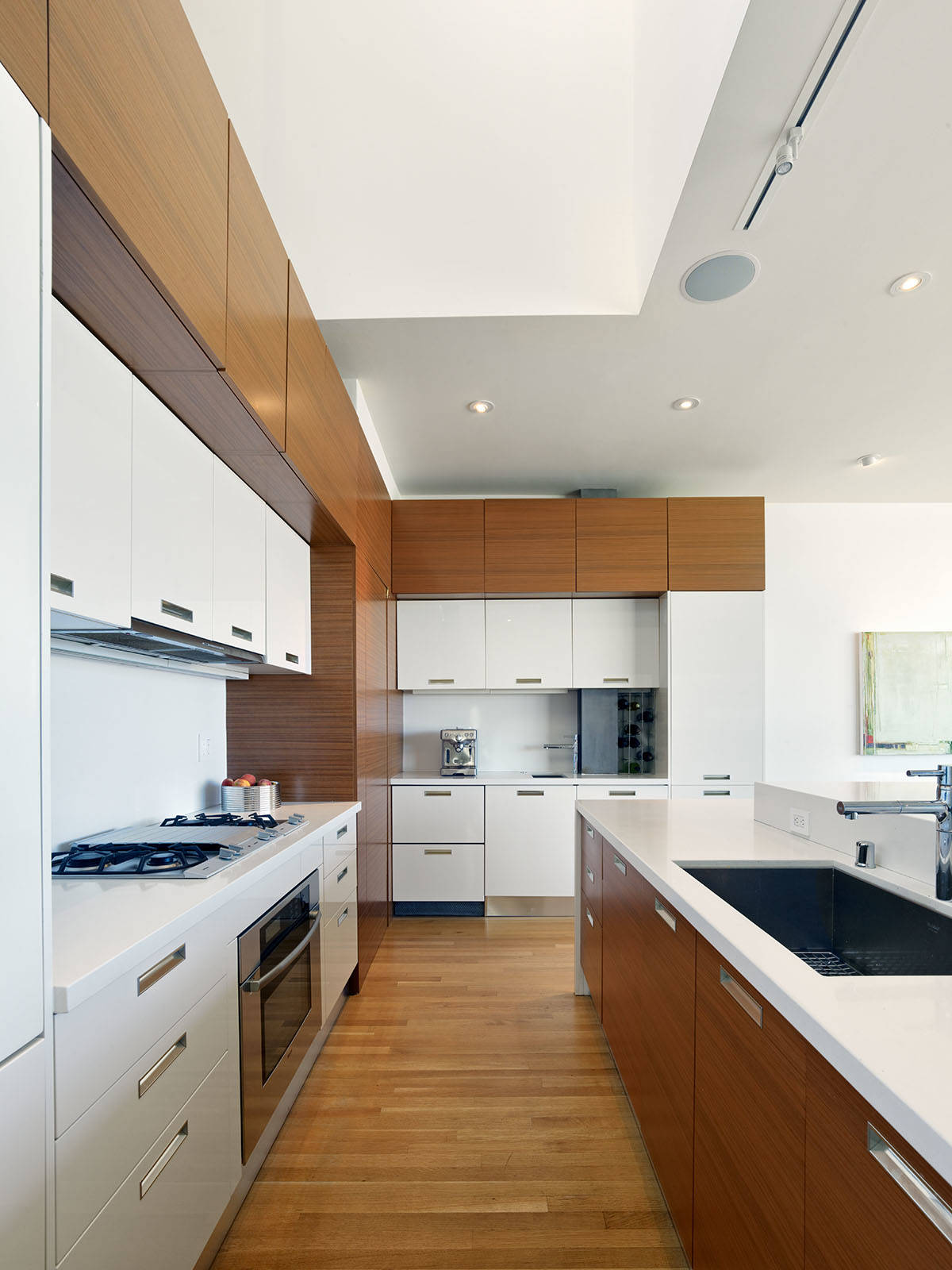
Image Source: st.hzcdn.com
Deciphering Standard Upper Cabinet Depth
The most common and widely accepted standard upper cabinet depth is 12 inches. This measurement refers to the exterior dimension of the cabinet box itself. This size has become the industry benchmark for several practical reasons.
Why 12 Inches?
- Accessibility: A 12-inch depth allows most people to reach the back of the cabinet without overextending or needing a stool. This is crucial for usability.
- Storage Efficiency: It’s deep enough to store a wide range of common kitchen items, including dinner plates, bowls, glasses, and pantry staples.
- Kitchen Layout: This depth strikes a balance between providing ample storage and not encroaching too much into the kitchen workspace or aisle. It helps maintain comfortable kitchen cabinet spacing.
- Manufacturing Standards: Most cabinet manufacturers produce doors, hinges, and drawer slides designed to work with standard depths, making 12-inch cabinets readily available and often more cost-effective.
Variations on the Standard
While 12 inches is the norm, you will encounter variations:
- 15-inch Deep Upper Cabinets: These are less common for general storage but might be found in specific applications, perhaps for larger decorative items or specialized storage needs.
- 9-inch Deep Upper Cabinets: These are often used in tighter spaces, like above a microwave or in a narrow galley kitchen. They offer a shallower profile, preventing them from feeling too bulky.
Factors Influencing Cabinet Depth Choices
Choosing the right kitchen cabinet depth isn’t a one-size-fits-all decision. Several factors should guide your selection:
1. What You Plan to Store
The primary driver for choosing a cabinet depth is its intended use.
- Everyday Dishes and Glasses: For standard dinner plates (typically 10-11 inches in diameter), a 12-inch deep cabinet provides ample room. You can comfortably fit two rows of plates, with a bit of space behind the back row. For very large charger plates, you might consider a slightly deeper cabinet or a wider shelf.
- Pantry Items: Canned goods, jars, and dry goods fit well within a 12-inch depth. For larger items like cereal boxes or taller bottles, you might need to consider cabinet shelf depth carefully.
- Small Appliances: If you plan to store a stand mixer, food processor, or blender in an upper cabinet, you’ll likely need a significantly deeper cabinet, often custom-made. Standard upper cabinets are not designed for these bulkier items.
- Specialty Cookware: Larger pots, pans, or baking sheets might require deeper shelves. However, these are more commonly stored in lower cabinets due to their weight and size.
2. Kitchen Layout and Space
The dimensions of your kitchen play a critical role.
- Aisle Width: The depth of your upper cabinets directly impacts the perceived spaciousness of your kitchen and the ease of movement. Deeper cabinets, especially in conjunction with a standard 15-inch backsplash gap, can make a kitchen feel cramped. Maintaining adequate kitchen cabinet spacing is vital.
- Countertop Depth: Most kitchen countertops are 25.5 inches deep (standard base cabinet depth). Upper cabinets are typically hung 18 inches above the countertop. If your upper cabinets are very deep, they can feel imposing and reduce the effective workspace on your countertop.
- Room Size: In smaller kitchens, shallower upper cabinets (like 9-inch or 10-inch deep) can provide storage without overwhelming the space. In larger kitchens, you have more flexibility to opt for deeper cabinets if storage is a priority.
3. Ergonomics and Accessibility
How easy is it to use your cabinets?
- Reaching the Back: As mentioned, a 12-inch depth is generally manageable. Going deeper than 13-14 inches can start to make it difficult to access items stored at the back without a step stool. This is particularly important for accessible upper cabinet depth considerations for individuals with mobility challenges.
- Visual Clarity: Deeper cabinets can sometimes obscure what’s stored in the back, leading to items getting lost or forgotten. Well-organized shelving and good lighting can mitigate this.
4. Aesthetics and Design
The visual impact of cabinet depth should not be overlooked.
- Proportion: The depth of your upper cabinets should be proportionate to the overall scale of your kitchen and the height of your ceilings. Very deep cabinets can make a kitchen feel top-heavy.
- Cabinet Style: The style of your cabinet doors (e.g., shaker, flat-panel) can also influence how a deeper cabinet appears. A very deep cabinet with a complex door style might look overwhelming.
Comprehending Cabinet Interior Depth
While the exterior measurement of kitchen cabinet depth is crucial, it’s equally important to consider the cabinet interior depth. This is the usable space inside the cabinet, which is typically 1 to 1.5 inches less than the exterior depth due to the thickness of the cabinet sides and the back panel.
- For a 12-inch exterior depth cabinet: The interior depth will likely be between 10.5 and 11 inches.
- For a 15-inch exterior depth cabinet: The interior depth will likely be around 13.5 to 14 inches.
When planning to store specific items, always factor in this reduction. It’s especially important when considering cabinet depth for plates or other items with precise dimensions.
Exploring Deeper Upper Cabinets: Pros and Cons
Opting for upper cabinets deeper than the standard 12 inches can offer significant advantages but also presents challenges.
Advantages of Deeper Upper Cabinets (e.g., 13-15 inches)
- Increased Storage Capacity: This is the primary benefit. You can store more items, potentially reducing the need for additional storage solutions.
- Accommodating Larger Items: Deeper cabinets can house larger serving platters, bulkier pantry items, or even some smaller appliances if the cabinet is designed for it.
- Aesthetic Statement: In some modern kitchen designs, deeper cabinets can create a bolder, more substantial look.
Disadvantages of Deeper Upper Cabinets
- Accessibility Issues: Reaching items at the back becomes more challenging, especially for shorter individuals. You might need to invest in pull-out shelves or lazy Susans to improve usability.
- Impact on Workspace: Deeper cabinets can feel closer to the countertop, potentially limiting elbow room while working and making the kitchen feel smaller. This is a significant consideration for how deep should upper cabinets be.
- Cost: Custom or non-standard sized cabinets can be more expensive.
- Visual Clutter: If not organized well, deeper cabinets can become a catch-all for items that are difficult to see or access, leading to a cluttered appearance.
Shallower Upper Cabinets: When They Make Sense
Conversely, shallower upper cabinets (e.g., 9-10 inches) have their own set of benefits:
Advantages of Shallower Upper Cabinets
- Improved Accessibility: Items are generally easier to reach and see.
- Enhanced Sense of Space: They create a more open and airy feel in the kitchen, especially in smaller or galley kitchens.
- Better Workspace Clearance: They provide more elbow room on the countertop.
- Cost-Effective: Often, shallower cabinets can be more budget-friendly.
Disadvantages of Shallower Upper Cabinets
- Limited Storage: They cannot hold as much as deeper cabinets, meaning you might need to find storage elsewhere.
- Cannot Accommodate Larger Items: Standard dinner plates might fit, but larger serving platters or bulkier items might not.
Customizing Your Upper Cabinet Depth
For those who require specific dimensions, custom cabinetry is an excellent option. This allows you to tailor upper cabinet dimensions precisely to your needs and your kitchen’s layout.
When to Consider Custom Depths:
- Unique Kitchen Layouts: Irregular wall spaces or specific architectural features might call for non-standard cabinet depths.
- Specialized Storage Needs: If you have a collection of oversized items or specific equipment that needs to be stored in upper cabinets, custom depths are essential.
- Achieving a Specific Aesthetic: Sometimes, a slightly deeper or shallower cabinet is needed to achieve a particular design vision.
- Accessibility Requirements: Ensuring accessible upper cabinet depth for all users might necessitate custom sizing.
Kitchen cabinet measurements are paramount when ordering custom cabinets. Be precise with your measurements, and consult with your cabinet maker about interior vs. exterior dimensions.
Cabinet Shelf Depth and Its Importance
Within any upper cabinet, the cabinet shelf depth is crucial for usability. Most standard upper cabinets come with adjustable shelves.
- Standard Shelf Depth: Typically, shelves are made to fit within the interior depth of the cabinet, so expect them to be around 10.5 to 11 inches deep for a 12-inch cabinet.
- Adjustability: Adjustable shelves allow you to customize the vertical spacing between shelves, accommodating items of varying heights.
- Fixed Shelves: Some cabinets have fixed shelves, which can add structural integrity but offer less flexibility.
Tip: If you have a deeper cabinet and find reaching items difficult, consider installing pull-out shelves or drawers. These significantly improve access to the entire cabinet interior depth.
Practical Considerations and Best Practices
When deciding on the depth of your upper cabinets, keep these practical tips in mind:
1. Measure Twice, Order Once
- Measure Your Items: Before you commit to a depth, measure the items you intend to store. Pay attention to the diameter of plates, the height of glasses, and the width of pantry items.
- Measure Your Space: Accurately measure your wall space, ceiling height, and existing counter depths to ensure the cabinets will fit and function well within your kitchen.
2. Think About Reachability
- Height of Cabinets: The height at which upper cabinets are mounted also affects reachability. The standard 18-inch gap above the counter is typical, but this can be adjusted.
- User Height: Consider the height of the primary users of the kitchen.
3. Consider Lighting
Good lighting can make even deeper cabinets more functional.
- Under-Cabinet Lighting: This is essential for illuminating your countertops and the lower shelves of your upper cabinets.
- Interior Cabinet Lighting: For very deep cabinets, consider installing LED strip lights inside that turn on when the doors are opened.
4. Use Organizers
To maximize the utility of any cabinet depth, invest in good organizers:
- Turntables (Lazy Susans): Excellent for corner cabinets or deep shelves, allowing easy access to items in the back.
- Pull-out Shelves/Drawers: A game-changer for deeper cabinets, converting them into easily accessible drawer-like spaces.
- Shelf Risers: These allow you to stack items more efficiently, making better use of vertical space and improving visibility.
Frequently Asked Questions About Upper Cabinet Depth
Here are some common questions about kitchen upper cabinet depths:
Q1: Can I use deeper upper cabinets than the standard 12 inches?
Yes, you can certainly use deeper upper cabinets, such as 13 or 15 inches. However, consider the potential impact on your kitchen’s workflow, workspace, and perceived spaciousness. It’s crucial to ensure adequate kitchen cabinet spacing and comfortable reachability.
Q2: What is the minimum depth for upper cabinets?
While there isn’t a strict “minimum” universally mandated, cabinets shallower than 9 inches are uncommon for general storage. 9-inch deep cabinets are typically used in specific situations like above microwaves or in very narrow kitchens.
Q3: How deep should upper cabinets be for plates?
For standard dinner plates (around 10-11 inches in diameter), a 12-inch deep cabinet is ideal, providing enough interior depth (around 10.5-11 inches) to store them comfortably with a little extra room.
Q4: What is the standard kitchen cabinet spacing between upper and lower cabinets?
The standard kitchen cabinet spacing between upper and lower cabinets (the backsplash area) is typically 18 inches. This provides adequate clearance for most countertop activities and reaching into the upper cabinets.
Q5: How do I measure kitchen cabinet depth?
Kitchen cabinet measurements are typically taken from the exterior front edge of the cabinet to the exterior back edge. When discussing cabinet interior depth, it’s the usable space inside the cabinet box, excluding the thickness of the cabinet sides and back.
Q6: Are deeper upper cabinets a good idea for small kitchens?
Generally, deeper upper cabinets are not recommended for small kitchens. They can make the space feel more cramped and reduce the perceived ceiling height. Shallower cabinets often provide a better balance of storage and spaciousness in smaller environments.
Q7: Who needs to consider accessible upper cabinet depth?
Anyone who wants their kitchen to be easily usable by people of all ages and abilities should consider accessible upper cabinet depth. This includes individuals with mobility issues, those who use wheelchairs, or families with young children who might eventually use the kitchen independently.
Conclusion: Finding the Right Fit for Your Kitchen
The depth of your kitchen upper cabinets is a decision that balances storage needs, kitchen layout, ergonomics, and aesthetics. While the standard upper cabinet depth of 12 inches serves most kitchens well, exploring variations can lead to a more personalized and functional space.
By carefully considering what you’ll store, the dimensions of your kitchen, and how you use the space, you can confidently choose the kitchen cabinet depth that best suits your home. Remember to always consider cabinet interior depth and how it affects usability. Whether you opt for standard sizes or custom solutions, the goal is to create a kitchen that is both beautiful and highly functional.