
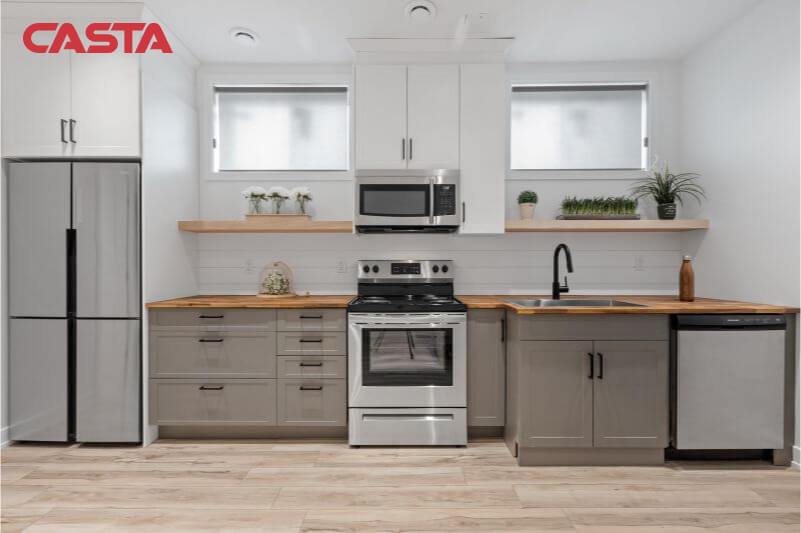
Image Source: castacabinetry.com
How Tall Are Base Kitchen Cabinets? Standard Heights
The standard height for base kitchen cabinets, from the floor to the top of the cabinet box (before the countertop is added), is 34.5 inches. This measurement is crucial for ensuring comfortable use and proper integration with standard countertops.
Deciphering Base Kitchen Cabinet Dimensions
When embarking on a kitchen renovation or planning a new kitchen design, one of the most fundamental questions revolves around cabinet sizes. Specifically, how tall are base kitchen cabinets? This seemingly simple query opens the door to a wider conversation about kitchen cabinet dimensions, including base cabinet depth, standard countertop height, kitchen island height, base cabinet width, and even cabinet riser height. Understanding these measurements is key to creating a functional, ergonomic, and aesthetically pleasing kitchen space.
The 34.5-Inch Foundation: Standard Base Cabinet Height
The industry-standard height for a base kitchen cabinet box is 34.5 inches. This measurement is the unadorned cabinet unit, meaning it doesn’t include the thickness of the countertop. When you add a typical 1.5-inch thick countertop, the total height from the floor to the top surface of the countertop becomes a comfortable 36 inches. This 36-inch standard countertop height is widely adopted across North America because it’s ergonomically suited for the majority of adults for tasks like chopping, prepping, and cooking.
Why 34.5 Inches? The Ergonomic Rationale
The 34.5-inch base cabinet height is not an arbitrary number. It’s the result of decades of design and user experience, aimed at optimizing comfort and efficiency in the kitchen. Consider the average adult’s arm length and stance when performing common kitchen tasks. This height allows for a natural posture, reducing strain on the back and shoulders. If base cabinets were significantly shorter, users would have to bend over too much. Conversely, if they were much taller, it could lead to awkward reaching and a feeling of being too high for comfortable work.
Exploring the Depth: Base Cabinet Depth
While height is a primary concern, base cabinet depth is equally important for functionality. The standard depth for a base kitchen cabinet is 24 inches. This depth provides ample space for storage, allowing for common kitchen items like pots, pans, mixing bowls, and small appliances.
Interior vs. Exterior Depth
It’s important to distinguish between the exterior depth of the cabinet box and the usable interior depth. The 24-inch measurement is typically the exterior depth. The interior depth will be slightly less, usually around 22 to 23 inches, to account for the thickness of the cabinet doors or drawer fronts and the cabinet box material itself. This still offers substantial storage capacity.
Width Variations: Base Cabinet Width
Base cabinet width is where you see the most variation. Base cabinets come in a wide range of standard widths to accommodate different kitchen layouts and storage needs. Common widths include:
- 9 inches: Often used for narrow filler or spice pull-outs.
- 12 inches: Suitable for smaller kitchens or as filler.
- 15 inches: A common width for storing smaller items or as a filler.
- 18 inches: A versatile width for storing pots, pans, or cleaning supplies.
- 21 inches: Provides more storage space for larger items.
- 24 inches: A very popular size for general storage, often housing shelves or drawers.
- 30 inches: Offers significant storage capacity.
- 33 inches: A larger base cabinet, ideal for deep drawers or larger appliances.
- 36 inches: One of the widest standard base cabinets, perfect for maximizing storage.
These standard widths allow designers and homeowners to mix and match cabinets to create custom-feeling layouts. Some manufacturers also offer custom or semi-custom sizes to fit specific spaces precisely.
The Countertop Equation: Standard Countertop Height
As mentioned, the standard countertop height is typically 36 inches from the floor. This is achieved by combining the 34.5-inch base cabinet with a countertop that is usually 1.5 inches thick. However, countertop thickness can vary. Granite, quartz, and marble countertops often come in standard 3 cm (approximately 1.2 inches) or 2 cm (approximately 0.75 inches) thicknesses. To achieve the 36-inch target, these thinner slabs are often mounted on a plywood or MDF substrate, which brings the total thickness up to the desired 1.5 inches.
Countertop Variations and Their Impact
While 1.5 inches is standard, some countertops can be thicker, especially if they are edge-built or feature decorative profiles. A thicker countertop will, of course, increase the overall working height. For example, a 2-inch thick countertop on a 34.5-inch cabinet would result in a 36.5-inch working surface. It’s essential to factor in countertop thickness when planning your kitchen to ensure the final height meets your ergonomic needs.
The Island Exception: Kitchen Island Height
Kitchen island height generally follows the same principles as standard base cabinets. Most kitchen islands are designed with base cabinets that are 34.5 inches tall, topped with a countertop that brings the total height to 36 inches. This consistency creates a cohesive look and feel throughout the kitchen, allowing for seamless movement and comfortable work surfaces.
Functionality and Variations in Island Design
However, kitchen islands can sometimes serve multiple purposes and might feature varying heights. For instance, a kitchen island might incorporate a breakfast bar with a raised seating area. This could mean a section of the countertop is extended and raised to a standard bar height of 40-42 inches or a counter height of 36 inches. When planning your island, consider how you will use it most – for prep work, casual dining, or entertaining – to determine the ideal countertop height and any potential variations.
Beyond the Box: Cabinet Riser Height and Other Considerations
In some instances, a cabinet riser height might be considered. This refers to the space between the base of the cabinet and the floor. While it’s less common for standard base kitchen cabinets to have a visible riser, some custom designs or specific styles might incorporate a toe kick or a decorative base that adds a few inches. However, the overall goal remains to achieve that 36-inch working surface.
Toe Kicks: The Hidden Detail
Most base cabinets feature a recessed toe kick at the bottom, typically 3 to 4 inches high and 2 to 3 inches deep. This recess allows you to stand closer to the countertop without bumping your toes, further enhancing ergonomic comfort. The 34.5-inch measurement is usually to the top of the cabinet box, meaning the toe kick is integrated into that overall dimension.
Kitchen Cabinet Installation Height: A Professional Touch
Proper kitchen cabinet installation height is paramount for both functionality and safety. While the standard heights provide a guideline, skilled installers will ensure that cabinets are level, plumb, and securely fastened. They will also account for any unevenness in the subfloor and ensure that the finished countertop surface is consistently at the desired height.
Standard Kitchen Drawer Height
Within base cabinets, standard kitchen drawer height can vary depending on the cabinet width and the intended use. Drawer heights are typically measured by the front panel. Common drawer front heights include:
- 4 to 6 inches: Often used for cutlery, utensils, or smaller items.
- 7 to 10 inches: Ideal for deeper items like towels, pots, or larger utensils.
- 11 inches or more: Typically used for pots, pans, or as deep storage drawers.
The internal drawer box dimensions will be slightly less than the front panel height. The placement and size of drawers within a base cabinet are crucial for organizing your kitchen efficiently.
Common Kitchen Cabinet Sizes: A Summary
To recap, here’s a look at some common kitchen cabinet sizes for base units:
| Cabinet Type | Standard Height (Cabinet Box) | Standard Depth (Exterior) | Standard Widths (Inches) | Typical Countertop Height |
|---|---|---|---|---|
| Base Cabinet | 34.5 inches | 24 inches | 9, 12, 15, 18, 21, 24, 30, 33, 36 | 36 inches |
| Kitchen Island | 34.5 inches | 24 inches (can vary) | Varies greatly | 36 inches (can vary) |
Considerations for Non-Standard Needs
While the 34.5-inch base cabinet height is the norm, there are situations where alternative heights might be preferable.
Accessibility and Ergonomics
For individuals with mobility issues or specific ergonomic needs, custom cabinet heights might be necessary. This could involve lower countertops for wheelchair accessibility or higher countertops for individuals who are significantly taller than average. These adjustments ensure the kitchen is comfortable and usable for everyone.
Custom Kitchen Designs
Some modern or European-inspired kitchen designs might deviate from the traditional 36-inch countertop height. For example, some minimalist designs might opt for slightly lower work surfaces for a different aesthetic or functional purpose. However, these are often custom solutions and will require careful planning.
The Importance of Planning
When planning your kitchen cabinetry, it’s essential to:
- Measure your space accurately.
- Consider your own height and how you use your kitchen.
- Think about the types of appliances and cookware you’ll be storing.
- Discuss your needs with your cabinet supplier or designer.
By paying close attention to kitchen cabinet dimensions, including base cabinet height, base cabinet depth, and base cabinet width, you can ensure that your new kitchen is not only beautiful but also highly functional and comfortable to work in. The standard 34.5-inch base cabinet height, leading to a 36-inch standard countertop height, is a well-established benchmark that serves most users exceptionally well.
Frequently Asked Questions (FAQ)
Q1: Can I install base cabinets that are taller or shorter than the standard 34.5 inches?
A1: Yes, you can. While 34.5 inches is the standard for the cabinet box, leading to a 36-inch countertop height, custom solutions are possible. If you require a different working height for ergonomic reasons or a specific design aesthetic, you can order custom-sized base cabinets or adjust countertop thickness accordingly. Always ensure the final countertop height meets your needs.
Q2: How does the toe kick affect the overall height of the base cabinet?
A2: The toe kick is typically recessed into the bottom of the base cabinet and is not usually included in the 34.5-inch measurement of the cabinet box itself. The toe kick provides clearance for your feet when working at the counter. The 34.5-inch height refers to the cabinet box from the floor to its top edge, ready to receive a countertop.
Q3: What is the standard height for upper kitchen cabinets?
A3: Upper kitchen cabinets typically have a standard height of 30 or 36 inches, with a standard depth of 12 inches. The exact installation height from the countertop to the bottom of the upper cabinets is usually between 18 and 20 inches, creating a comfortable reach for most individuals.
Q4: Can I put a thicker countertop on standard base cabinets?
A4: Yes, you can. If you opt for a thicker countertop material, such as a 2-inch thick slab or an edge-built design, your standard countertop height will increase beyond the typical 36 inches. For example, a 34.5-inch base cabinet with a 2-inch thick countertop would result in a 36.5-inch working surface. It’s important to consider this if you have specific height requirements.
Q5: What are the most common base cabinet widths?
A5: The most common base cabinet width options range from 12 inches to 36 inches, with 18, 21, 24, 30, and 36 inches being particularly popular. Manufacturers offer a variety of widths to accommodate different kitchen layouts and storage needs.
Q6: What is the typical kitchen island height?
A6: Similar to base cabinets, kitchen island height typically follows the standard of a 34.5-inch base cabinet topped with a 1.5-inch countertop, resulting in a 36-inch working surface. However, islands can be customized with different countertop heights, especially if incorporating features like a raised breakfast bar.
Q7: What determines the kitchen cabinet installation height?
A7: The kitchen cabinet installation height is determined by the desired standard countertop height, which is typically 36 inches. This involves ensuring the base cabinets are perfectly level and plumb, and then adding the thickness of the chosen countertop material. Proper installation accounts for floor variations to achieve a consistent finished height.
Q8: What is a typical standard kitchen drawer height?
A8: Standard kitchen drawer height refers to the height of the drawer front. Common heights include 4-6 inches for cutlery and utensils, 7-10 inches for deeper items like towels or pots, and 11 inches or more for large storage drawers. The internal drawer dimensions will be slightly less.