
What is the standard depth of kitchen cabinets? The standard depth for base cabinets, which sit on the floor, is typically 24 inches, and for wall cabinets, it’s usually 12 inches.
When you’re planning a kitchen renovation or even just looking to organize your current space better, one of the most fundamental aspects to consider is the size of your cabinets. Among the many kitchen cabinet sizes available, cabinet depth is a crucial factor that impacts both functionality and aesthetics. Understanding standard kitchen cabinet dimensions is key to making informed choices that suit your needs and your kitchen’s layout. This guide delves into the depths of your cabinets, explaining why these measurements are important and what you can expect.
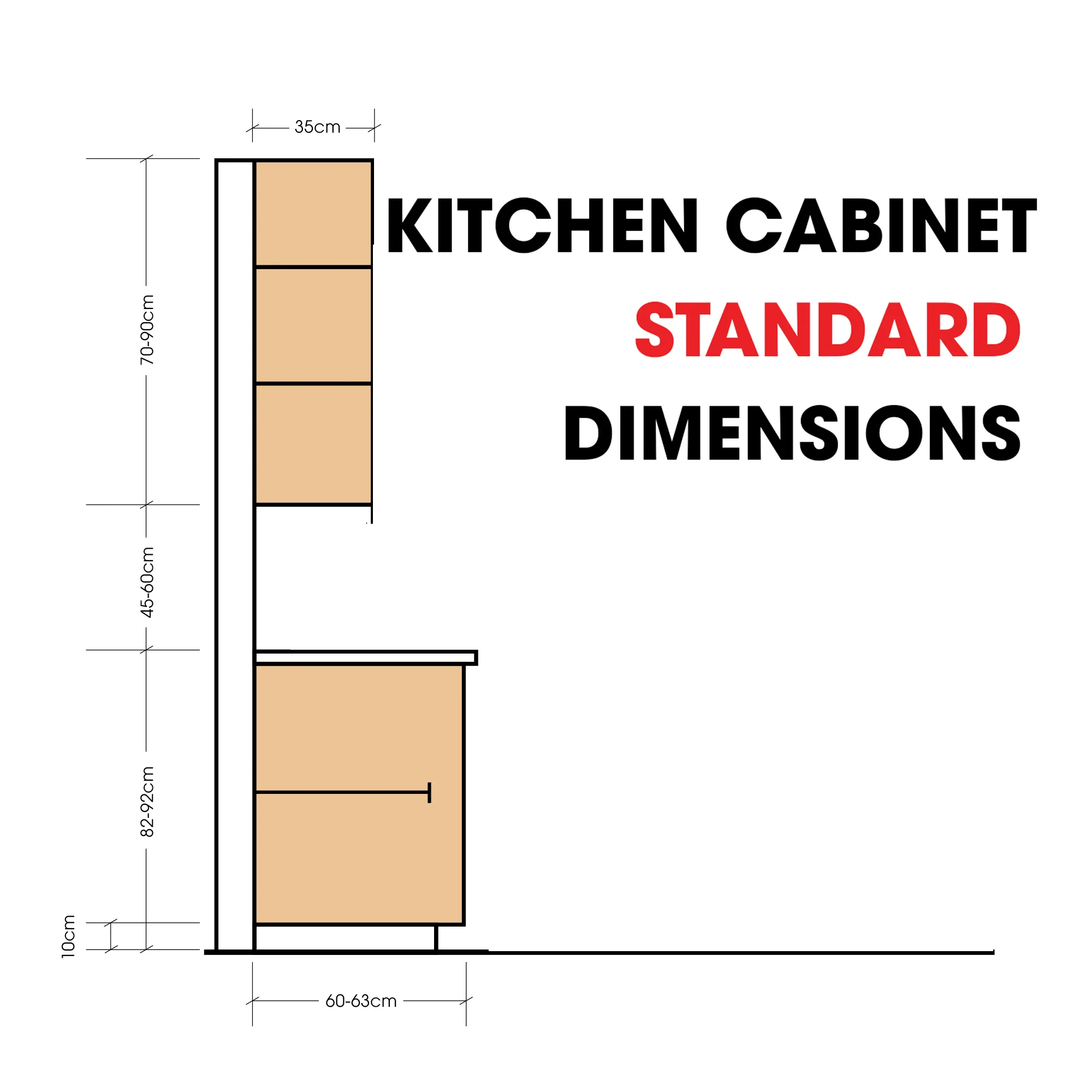
Image Source: guilincabinets.com
Deciphering Base Cabinet Depth
Base cabinets are the workhorses of the kitchen. They sit on the floor and support your countertops, providing essential storage and workspace. The base cabinet depth is a measurement that significantly influences how much you can store and how comfortably you can work.
The Magic 24 Inches: Standard Base Cabinet Depth
The most common cabinet depth for base cabinets is 24 inches. This measurement is not arbitrary; it’s a carefully chosen dimension that balances several important factors:
- Countertop Support: A 24-inch deep cabinet provides a sturdy base for standard countertops.
- Storage Capacity: This depth allows for the installation of standard-depth appliances like refrigerators and dishwashers, and it offers ample space for storing pots, pans, small appliances, and dry goods.
- Workspace Ergonomics: The 24-inch depth, when combined with a standard countertop, creates a comfortable depth for food preparation.
Why 24 Inches is the Norm
The common cabinet depth of 24 inches has evolved over time due to a combination of appliance sizing, ergonomic studies, and manufacturing standards. It’s the depth that most readily accommodates the majority of kitchen tools and appliances.
Variations in Base Cabinet Depth
While 24 inches is the standard, you might encounter or choose other depths for specific reasons:
- Shallower Base Cabinets: Sometimes, in smaller kitchens or for specific placements (like under a window that comes lower to the ground), shallower base cabinets might be used. These can range from 12 to 21 inches. However, they offer less storage and may not be able to accommodate standard-depth appliances.
- Deeper Base Cabinets: For those needing extra storage, especially for specialized items or larger appliances, deeper base cabinets can be custom-ordered. These might be 27, 30, or even more inches deep. However, these require more floor space and can make reaching items at the back challenging without pull-out solutions.
Exploring Wall Cabinet Depth
Wall cabinets, also known as upper cabinets, are mounted on the wall above the base cabinets. Their primary role is to provide accessible storage for everyday items without taking up valuable floor space. The wall cabinet depth is also a standardized measurement, but it’s considerably less than that of base cabinets.
The Standard 12 Inches: Common Wall Cabinet Depth
The most prevalent cabinet depth for wall cabinets is 12 inches. This depth serves several practical purposes:
- Accessibility: A 12-inch depth makes it easy to reach items stored in wall cabinets without needing a step stool.
- Clearance: This depth ensures adequate clearance between the wall cabinets and the countertop, allowing ample space for working without feeling cramped.
- Storage for Everyday Items: It’s sufficient for storing dishes, glasses, spices, and other common kitchen essentials.
The Importance of Standard Wall Cabinet Depth
The 12-inch cabinet depth measurement is a crucial element in kitchen design. It directly impacts the usability of your kitchen workspace.
Factors Influencing Wall Cabinet Depth Choices
While 12 inches is the standard, there are instances where different depths are considered:
- Deeper Wall Cabinets: Some homeowners opt for deeper wall cabinets, typically 15 to 18 inches. These offer increased storage but can protrude further into the workspace. It’s essential to consider the standard countertop overhang to ensure there’s enough clearance. A deeper wall cabinet might feel overwhelming in a smaller kitchen.
- Shallower Wall Cabinets: In some design scenarios, shallower wall cabinets (e.g., 6 to 10 inches) are used for purely decorative purposes or for storing very light items like small spice jars. These are less common for general storage.
Countertop Depth and Its Relation to Cabinet Depth
The countertop is the surface where you chop, prepare food, and place appliances. Its depth is intimately linked to the base cabinet depth.
The Standard Countertop Depth
The standard countertop depth is typically 25 inches. This measurement includes the depth of the base cabinet (usually 24 inches) plus a standard countertop overhang.
What is the Standard Countertop Overhang?
The standard countertop overhang is usually 1 to 1.5 inches. This overhang serves two key functions:
- Ergonomics: It allows you to get closer to the countertop edge when working without bumping your knees or shins against the cabinet doors or drawers.
- Aesthetics: It provides a finished look and can help conceal the cabinet box.
How Cabinet Depth Dictates Countertop Depth
Your chosen base cabinet depth directly influences your countertop depth. If you opt for a standard 24-inch deep base cabinet and a 1.5-inch overhang, your countertop will be 25.5 inches deep. If you choose a shallower base cabinet, say 21 inches, and the same overhang, your countertop will only be 22.5 inches deep, which can feel quite limited.
Other Important Kitchen Cabinet Dimensions
Beyond depth, other kitchen cabinet sizes play a vital role in how your kitchen functions.
Cabinet Widths
Base and wall cabinets come in a variety of standard widths, usually in 3-inch increments, ranging from 9 inches to 48 inches (or wider for specialized units). The width you choose depends on your kitchen layout and storage needs.
Cabinet Heights
- Base Cabinets: Standard base cabinets are typically 34.5 inches tall. When a 1.5-inch countertop is added, the total height becomes 36 inches, which is the standard working height for kitchen countertops.
- Wall Cabinets: Wall cabinets come in various heights, with 30 inches, 36 inches, and 42 inches being the most common. The height chosen often depends on ceiling height and the desired visual balance in the kitchen.
The Impact of Cabinet Depth on Kitchen Functionality
The typical kitchen cabinet depth is chosen for a reason. It impacts everything from how much you can store to how comfortably you can move around your kitchen.
Storage Capacity
- Base Cabinets: A 24-inch deep base cabinet offers significant storage. However, the back of these cabinets can sometimes become a “dead zone” where items get lost. To combat this, consider internal solutions like pull-out shelves, drawers, or lazy Susans.
- Wall Cabinets: The 12-inch depth of wall cabinets is generally sufficient for most kitchen items. Deeper wall cabinets might offer more storage but can create a more imposing feel and potentially reduce workspace clearance.
Workflow and Ergonomics
The cabinet depth measurements are crucial for an efficient workflow.
- Knees and Shins: The overhang on countertops, in conjunction with the base cabinet depth, ensures you have enough legroom to stand comfortably at your workspace. Too little overhang or a very shallow cabinet can lead to discomfort and even minor injuries.
- Reachability: As mentioned, the 12-inch standard for wall cabinets makes items easy to reach. If you opt for deeper wall cabinets, this can become an issue, especially for shorter individuals.
Appliance Integration
Many standard kitchen appliances are designed to fit within the standard kitchen cabinet dimensions.
- Refrigerators: Standard refrigerators are typically around 30-36 inches wide and 28-33 inches deep (including the door). Base cabinets need to be at least 24 inches deep to accommodate the bulk of the refrigerator’s body, with allowances made for the door swing.
- Dishwashers: Most dishwashers are designed to fit into a 24-inch wide cabinet opening. The depth is also crucial for proper installation.
- Ranges and Cooktops: These appliances also have specific installation requirements that align with standard cabinet depths.
Customizing Your Cabinet Depths: When to Deviate from the Standard
While the common cabinet depth is a reliable guideline, there are times when customization is beneficial.
Maximizing Storage in Wider Spaces
If you have a large kitchen with ample floor space, you might consider deeper base cabinets.
- Benefits: Greater storage capacity for larger appliances, bulk food items, or extensive cookware.
- Considerations: Ensure the depth doesn’t impede traffic flow. Incorporate pull-out shelves or drawers to maintain accessibility to the back of the cabinet.
Optimizing for Narrow Kitchens
In very narrow kitchens, you might need to reduce the base cabinet depth.
- Benefits: Creates more walkway space, making the kitchen feel less cramped.
- Considerations: This will significantly reduce storage capacity. You might need to be more creative with storage solutions within the cabinets or look for alternative storage options elsewhere. It also means standard appliances might not fit as seamlessly.
Aesthetic Choices for Wall Cabinets
Sometimes, the depth of wall cabinets is adjusted for purely aesthetic reasons, perhaps to align with a specific design style or to create a different visual impact.
- Shallow cabinets: Can feel lighter and less bulky, especially in smaller kitchens.
- Deeper cabinets: Can create a more substantial, built-in look, but require careful consideration of the overall spatial balance.
Practical Tips for Cabinet Depth Decisions
When choosing your cabinet depth measurements, keep these practical tips in mind:
Measure Your Space Accurately
Before making any decisions, meticulously measure your kitchen. Consider doorways, windows, and existing appliances.
Think About Your Storage Needs
List everything you plan to store in your cabinets. This will help you determine if you need to deviate from standard depths.
Consider Appliance Sizes
If you have specific appliances in mind, check their dimensions to ensure they will fit within your planned cabinet configurations.
Prioritize Workflow
A beautiful kitchen is also a functional one. Ensure your chosen cabinet depths contribute to a comfortable and efficient workflow.
Consult with Professionals
If you’re undertaking a major renovation, a kitchen designer or cabinet maker can offer invaluable advice based on your space and needs. They can help you navigate the complexities of standard kitchen cabinet dimensions and any custom options.
Frequently Asked Questions About Cabinet Depth
Here are some common questions people have about kitchen cabinet depths:
Q: Can I put a standard dishwasher in a 21-inch deep base cabinet?
A: Generally, no. Most standard dishwashers are designed to fit into a 24-inch deep cabinet opening. While some slimline or European models might be shallower, it’s crucial to check the specific dimensions of the dishwasher and consult with your cabinet installer.
Q: What happens if my wall cabinets are too deep?
A: If your wall cabinets are too deep, they can intrude into your workspace, making it difficult to prepare food comfortably. They can also make the kitchen feel more claustrophobic. Ensure there’s adequate clearance between the countertop and the bottom of the wall cabinets, typically around 18 inches from the countertop to the bottom of the cabinet.
Q: Is it possible to have different depths of base cabinets in the same kitchen?
A: Yes, it is possible and sometimes even desirable. For example, you might use a shallower base cabinet in a specific area to improve traffic flow or a deeper cabinet for a pantry unit. However, ensure these variations are planned carefully for aesthetic cohesion and functional benefit.
Q: How does cabinet depth affect the cost?
A: Standard-sized cabinets are generally less expensive than custom-depth cabinets. Deeper cabinets, especially base cabinets, will use more material and may require more complex construction, leading to a higher cost.
Q: What are the implications of a non-standard countertop overhang?
A: A larger overhang (more than 1.5 inches) can provide more legroom but might require stronger cabinet construction to support the extra weight and cantilever. A smaller overhang (less than 1 inch) might not offer sufficient legroom and can leave the cabinet box edges exposed, which can be a safety hazard and an aesthetic issue.
Conclusion
The cabinet depth is a foundational element in kitchen design, impacting everything from storage capacity to user comfort. By familiarizing yourself with standard kitchen cabinet dimensions, you can make informed decisions that lead to a kitchen that is both beautiful and highly functional. Whether you stick to the widely accepted 24-inch base cabinet depth and 12-inch wall cabinet depth or opt for custom solutions, always consider how these measurements contribute to the overall usability and enjoyment of your kitchen space.