
Is your kitchen sink draining slowly? Do you want to know how to unclog kitchen sink pipes easily? You can clear sink drain blockages and remove sink odor with simple, safe, and effective methods using common household items or specialized kitchen drain cleaner products. This guide will walk you through everything you need to know to tackle a blocked kitchen drain and keep your kitchen sink plumbing in good working order, ensuring proper drain pipe maintenance and preventing future issues with your kitchen sink disposal.
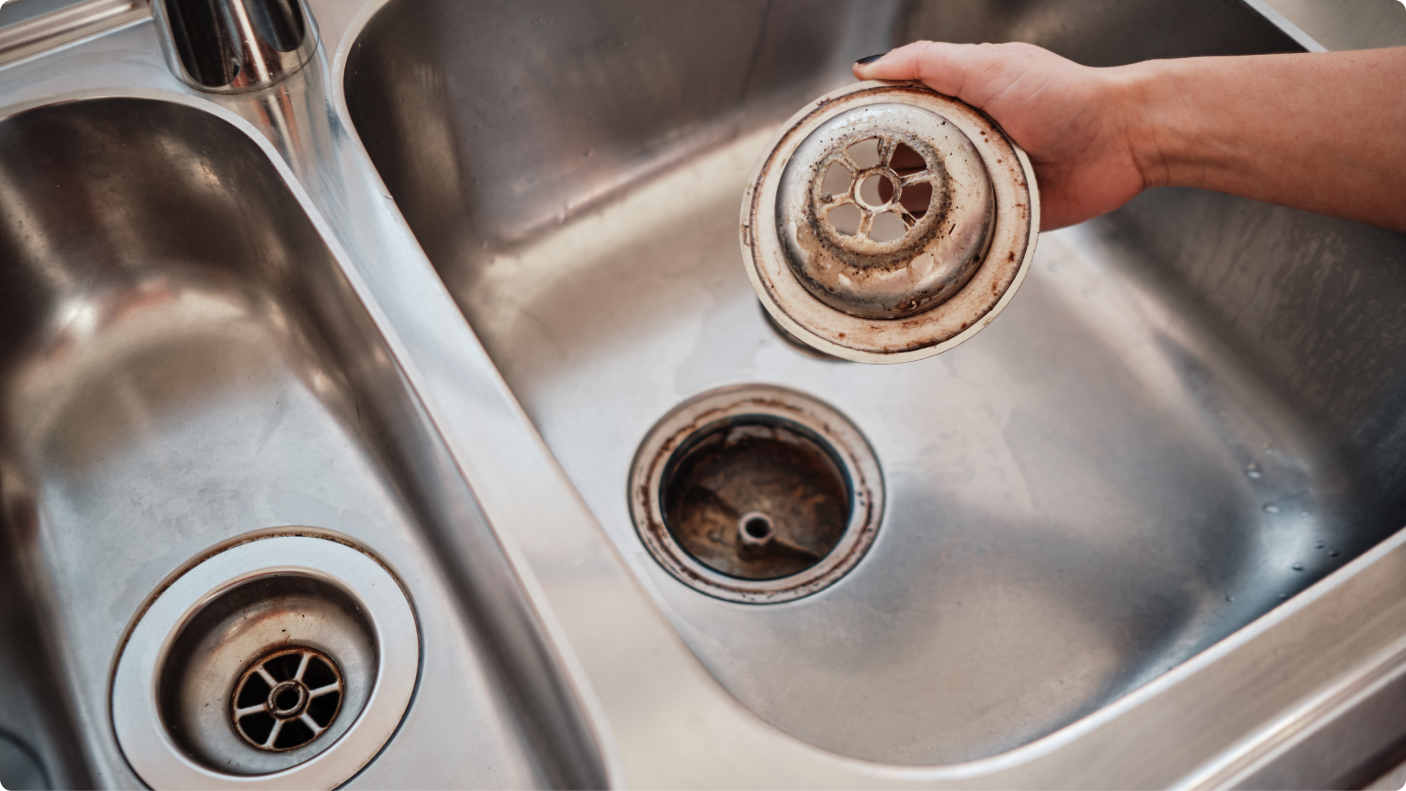
Image Source: images.ctfassets.net
The Grimy Truth About Kitchen Sink Drains
Your kitchen sink is a busy place. Food scraps, grease, soap scum, and other debris constantly swirl down the drain. Over time, these elements build up, creating sticky gunk that narrows the pipes. This buildup slows down drainage and can lead to unpleasant odors. A blocked kitchen drain is more than just an inconvenience; it can cause water to back up, create unsanitary conditions, and potentially lead to more serious plumbing problems if left unaddressed. Regular drain pipe maintenance is key to preventing these headaches.
Common Culprits Behind Kitchen Sink Blockages
Before we dive into the cleaning methods, let’s look at what usually causes a blocked kitchen drain:
- Grease and Oil: When hot grease cools, it solidifies in your pipes. This is a major contributor to slow drains and blockages.
- Food Scraps: Small bits of food, especially starchy items like rice and pasta, can clump together and create a dam in your pipes.
- Coffee Grounds: Though often thought to be safe, coffee grounds don’t dissolve and can accumulate with other debris.
- Eggshells: Similar to coffee grounds, eggshells are abrasive and can stick to pipe walls, trapping other waste.
- Soap Scum: The fats and oils in soap combine with minerals in your water to form a hard residue that clings to pipes.
- Foreign Objects: Accidentally dropping small items like bottle caps, fruit pits, or even small toys can also cause a blockage, especially if you have a kitchen sink disposal unit that might struggle with them.
Simple Household Solutions for a Clear Sink Drain
You don’t always need harsh chemicals to unclog kitchen sink pipes. Many effective household drain solutions can be found right in your kitchen or pantry. These methods are generally safer for your pipes and the environment.
The Boiling Water Flush
This is the simplest and often the first step to try for minor clogs, especially those caused by grease.
How it works: Hot water can melt and dissolve solidified grease and soap scum.
What you need:
- A kettle or pot for boiling water
- A heat-resistant container or pitcher
Steps:
- Boil a full kettle or pot of water.
- Carefully pour the boiling water directly down the drain. Pour it slowly in stages, allowing it to work on the blockage.
- Wait a few minutes.
- Run hot tap water to see if the drain is flowing better.
- Repeat if necessary.
Caution: Avoid this method if you have PVC pipes that are old or brittle, as extreme heat could potentially damage them. Also, never mix boiling water with chemical drain cleaners, as this can create dangerous fumes.
Baking Soda and Vinegar: The Classic Duo
This fizzy reaction is a popular and effective household drain solution for breaking down grease, grime, and tackling odors.
How it works: Baking soda is a mild abrasive and deodorizer. Vinegar is acidic and reacts with baking soda to create a powerful foaming action that can dislodge buildup.
What you need:
- 1 cup of baking soda
- 1 cup of white vinegar
- A stopper or rag to cover the drain
Steps:
- Pour the baking soda directly down the drain.
- Immediately follow with the cup of white vinegar.
- You’ll see and hear fizzing and bubbling. This is the reaction breaking down the gunk.
- Quickly cover the drain with a stopper or rag to keep the reaction contained within the pipes.
- Let it sit for at least 30 minutes, or preferably longer (an hour or even overnight for tougher clogs).
- After the waiting period, pour a pot of hot water down the drain to flush away the loosened debris.
- Run hot tap water to check the flow.
This method is excellent for routine drain pipe maintenance and helps to remove sink odor.
Salt and Baking Soda
Salt can act as an abrasive and also helps to absorb grease.
How it works: The abrasive nature of salt, combined with baking soda, helps scrub the inside of the pipes.
What you need:
- 1/2 cup of baking soda
- 1/2 cup of salt
- Hot water
Steps:
- Mix the baking soda and salt together.
- Pour the mixture down the drain.
- Let it sit for at least 30 minutes.
- Flush with a kettle of hot water.
This is another good option for a clear sink drain and odor control.
Mechanical Methods to Unclog Kitchen Sink Pipes
When household remedies don’t quite do the trick, it’s time to bring out the tools designed to physically remove the obstruction.
The Plunger: Your First Line of Defense
A good old-fashioned plunger can be surprisingly effective at clearing a blocked kitchen drain.
How it works: A plunger creates suction and pressure, which can dislodge blockages by pushing and pulling the trapped debris.
What you need:
- A cup-style plunger (designed for sinks)
- Water to create a seal
Steps:
- Ensure there’s enough water in the sink to cover the rubber cup of the plunger. If not, add some water.
- Place the plunger over the drain opening, ensuring a tight seal.
- Push down and pull up firmly and rapidly several times. Maintain the seal as much as possible.
- Remove the plunger quickly on the last upward pull.
- If the water starts to drain, you’ve likely succeeded. Flush with hot water.
- If the drain is still blocked, repeat the plunging process. You might need to try plunging several times.
Tip: If you have a double sink, block the other drain tightly with a wet rag before plunging to create better suction.
The Drain Snake (Auger)
A drain snake, also known as a plumbing snake or auger, is a flexible metal cable that can be fed into the drain to break up or pull out a blockage. This is a more aggressive method for stubborn clogs.
How it works: The snake’s end can snag or break apart solid blockages, allowing them to be flushed away or pulled out.
What you need:
- A drain snake (manual or electric)
- Gloves
- A bucket or plastic bag
- Rags
Steps:
- Wear gloves.
- Feed the end of the snake into the drain opening.
- Gently push the snake further into the pipe. You may need to push it through the sink trap cleaning area.
- When you feel resistance, you’ve likely hit the clog.
- Turn the handle of the snake to either break up the clog or hook onto it. If you’re hooking it, slowly pull the snake back out, bringing the debris with it.
- If you break it up, push through and then retract the snake.
- Once the clog is cleared or removed, pour hot water down the drain to flush out any remaining residue.
- Clean the snake thoroughly after use.
This is a very effective way to unclog kitchen sink pipes when simpler methods fail.
Cleaning the Sink Trap (P-Trap)
The P-trap is the U-shaped pipe under your sink. It’s designed to hold water, which prevents sewer gases from entering your home. It’s also a common place for debris to accumulate. Sink trap cleaning is a crucial part of drain pipe maintenance.
How it works: Removing and cleaning the trap directly removes any large obstructions lodged there.
What you need:
- A bucket
- Gloves
- Adjustable wrench or pipe wrench
- Old rags or towels
- Cleaning brush (optional)
Steps:
- Place the bucket directly underneath the P-trap to catch any water and debris.
- Locate the slip nuts that connect the trap to the vertical pipe and the horizontal drain pipe.
- Using the wrench, carefully loosen these nuts. They usually unscrew counter-clockwise. Be gentle, especially if the pipes are old.
- Once loose, carefully remove the P-trap. Water and any collected gunk will fall into the bucket.
- Empty the trap into the bucket.
- Clean the inside of the trap thoroughly with a brush and warm water. Remove any hair, food particles, or other debris.
- Check the adjoining pipes for any visible blockages as well.
- Reassemble the P-trap, tightening the slip nuts securely. Hand-tighten first, then use the wrench for a final snug turn, but don’t overtighten.
- Run water in the sink for a few minutes to check for leaks.
This is a direct and effective way to deal with persistent clogs and is essential for proactive drain pipe maintenance.
When to Use a Kitchen Drain Cleaner
Commercial kitchen drain cleaner products are designed to dissolve tough clogs caused by grease, hair, and soap scum. However, they can be harsh and should be used with caution.
How it works: Most drain cleaners contain strong chemicals like sodium hydroxide (lye) or sulfuric acid that break down organic matter.
Types of Kitchen Drain Cleaners:
- Caustic Cleaners: These use alkali chemicals to break down grease and protein. They are effective but can be slow and produce heat.
- Oxidizing Cleaners: These use bleach or other oxidizers to break down clogs. They work faster but can also be damaging.
- Enzymatic Cleaners: These use enzymes and bacteria to “eat” organic waste. They are slower but much gentler on pipes and the environment, often used for regular drain pipe maintenance.
Choosing and Using a Kitchen Drain Cleaner Safely:
- Read the Label Carefully: Always follow the manufacturer’s instructions precisely. Pay attention to safety warnings and recommended usage for your type of pipes (e.g., some are not safe for certain plastics or septic systems).
- Ventilate the Area: Open windows and turn on exhaust fans to ensure good air circulation, as the fumes can be strong and irritating.
- Wear Protective Gear: Always wear rubber gloves and eye protection (goggles or safety glasses) to prevent skin and eye contact.
- Pour Slowly and Directly: Pour the cleaner directly into the drain opening, avoiding splashing on surfaces.
- Allow Sufficient Waiting Time: Let the cleaner sit for the recommended time.
- Flush Thoroughly: Flush the drain with plenty of cold water (unless the product specifies otherwise).
- Never Mix Chemicals: Never mix different drain cleaner products, or mix a drain cleaner with other household cleaners (like bleach or ammonia), as this can create toxic fumes or dangerous reactions.
- Avoid if Using a Plunger or Snake: Do not use chemical cleaners immediately before or after using a plunger or drain snake, as this can cause splashes of corrosive material.
- Consider Enzymatic Cleaners for Maintenance: For regular cleaning and odor control, enzymatic cleaners are a safer, eco-friendly choice. They are great for preventative drain pipe maintenance to remove sink odor.
Important Note: Avoid using harsh chemical cleaners regularly. They can corrode pipes over time, leading to more expensive repairs. They are best reserved for severe clogs that other methods cannot resolve.
Dealing with Your Kitchen Sink Disposal
If you have a kitchen sink disposal, it can also be a source of clogs or odors. Food waste, especially fibrous vegetables, bones, or excessive amounts of food, can jam the disposal or create buildup in the drain pipe leading from it.
How to Clean and Unclog a Kitchen Sink Disposal:
- Turn off the Power: Crucially, always turn off the power to the disposal at the breaker box before attempting any cleaning or unclogging.
- Check for Obstructions: Use a flashlight to look inside the disposal. If you see a visible obstruction, use tongs or pliers to remove it. Never use your hands.
- Use the Allen Wrench: Most disposals come with a small Allen wrench. Insert it into the reset hole on the bottom of the unit and turn it back and forth to free any jams. After freeing it, reset the disposal by pressing the red reset button on the unit.
- Boiling Water and Baking Soda/Vinegar: After clearing any jams, you can use the boiling water and baking soda/vinegar methods described earlier to clean the pipes leading from the disposal.
- Citrus Peels or Ice Cubes: Grinding citrus peels (lemon, lime, orange) or ice cubes in the disposal can help clean the grinding chamber and freshen the smell.
- Specialized Disposal Cleaners: You can purchase cleaners specifically designed for garbage disposals.
If the disposal itself seems blocked or is making unusual noises, it might require professional attention.
Preventing Future Blocked Kitchen Drains
The best way to deal with a blocked kitchen drain is to prevent it from happening in the first place. Consistent drain pipe maintenance is key.
Here are some preventative measures:
- Scrape Plates Thoroughly: Before rinsing dishes, scrape all food scraps into the trash or compost bin.
- Use a Sink Strainer: A sink strainer or drain catcher will catch larger food particles and debris before they enter the drain. Clean it regularly.
- Never Pour Grease Down the Drain: Collect grease and oil in a heat-resistant container and dispose of it in the trash once it cools.
- Avoid Coffee Grounds and Eggshells: These items are best disposed of in the trash or compost.
- Run Cold Water When Using the Disposal: Always run cold water for about 15-20 seconds before and after using your kitchen sink disposal. This helps to flush food particles through the system more effectively and solidifies any grease so it can be ground up and flushed away.
- Regular Flushing with Hot Water: Once a week, pour a kettle of boiling water down the drain, followed by hot tap water, to help melt away any accumulating grease.
- Occasional Baking Soda and Vinegar Treatment: Use the baking soda and vinegar method once a month for drain pipe maintenance to keep pipes clean and remove sink odor.
- Be Mindful of What Goes Down: Avoid flushing anything down the drain that isn’t water or diluted dish soap. This includes harsh chemicals, excessive amounts of food, and non-food items.
Table: Quick Guide to Household Drain Solutions
| Method | Best For | How It Works | Frequency (Preventative) |
|---|---|---|---|
| Boiling Water | Grease buildup, minor clogs | Melts and dissolves solidified grease | Weekly |
| Baking Soda & Vinegar | General cleaning, odor removal, mild clogs | Fizzy reaction breaks down grime and deodorizes | Monthly |
| Salt & Baking Soda | Grease absorption, mild abrasion | Abrasive action scrubs pipes, salt absorbs grease | Monthly |
| Plunger | Physical blockage of various types | Creates suction and pressure to dislodge obstructions | As needed |
| Drain Snake/Auger | Stubborn clogs, hair, solid debris | Physically breaks up or pulls out blockages | As needed |
| Sink Trap Cleaning | Gunk accumulation, larger debris | Direct removal of debris from the U-bend | Annually or as needed |
| Enzymatic Drain Cleaner | Odor control, preventing minor buildup | Uses enzymes and bacteria to break down organic waste | Monthly |
When to Call a Professional Plumber
While many blocked kitchen drain issues can be resolved with the methods above, there are times when it’s best to call in a professional plumber.
Consider calling a plumber if:
- You’ve tried multiple methods, and the drain is still completely blocked.
- Multiple drains in your house are backing up, indicating a larger sewer line issue.
- You suspect a serious blockage or damage to your kitchen sink plumbing.
- You’re uncomfortable performing any of the mechanical or chemical cleaning methods.
- Your kitchen sink disposal is making alarming noises or won’t turn on after checking the reset.
A plumber has the tools and expertise to diagnose and fix more complex plumbing problems, ensuring your kitchen sink plumbing is handled correctly and safely.
Frequently Asked Questions (FAQ)
Q1: Can I use bleach to clean my kitchen sink drain?
A: While bleach can help with odors and some minor buildup, it’s not as effective at dissolving grease and is very harsh on pipes. It’s generally not recommended as a primary kitchen drain cleaner. Also, never mix bleach with other cleaners, especially ammonia, as it creates toxic fumes.
Q2: How often should I do drain pipe maintenance?
A: For regular drain pipe maintenance, consider using the baking soda and vinegar method once a month, and flushing with boiling water weekly. Using an enzymatic cleaner monthly can also be very beneficial.
Q3: My kitchen sink disposal is clogged. What should I do?
A: First and foremost, turn off the power to the disposal at the breaker box. Check for obstructions with tongs or pliers, and try using the reset button. If that doesn’t work, consult the section on kitchen sink disposal in this article for more steps. If the problem persists, call a professional.
Q4: What is the best way to remove sink odor?
A: Baking soda and vinegar is an excellent household drain solution to remove sink odor. Simply pour baking soda down the drain, followed by vinegar, let it fizz, and then flush with hot water. Citrus peels ground in the disposal also help.
Q5: Is it safe to pour hot oil down the drain if I flush it with cold water?
A: No, it is never safe to pour hot oil or grease down the drain, regardless of flushing with cold water. The oil will cool and solidify further down the pipe, contributing to a blocked kitchen drain. Always dispose of grease in the trash.
By following these tips and techniques, you can effectively unclog kitchen sink pipes, keep your drains flowing freely, and remove sink odor, ensuring your kitchen sink plumbing stays in top condition. Regular drain pipe maintenance is the key to a healthy and functional kitchen.