
What is the standard kitchen counter depth? The standard kitchen counter depth is typically 25 inches. This measurement is crucial for determining cabinet sizes and ensuring adequate workspace.
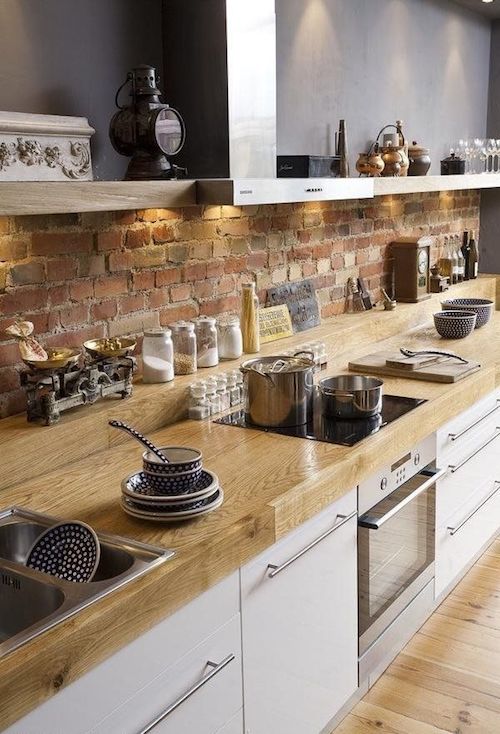
Image Source: victoriaelizabethbarnes.com
Deciphering Kitchen Counter Dimensions
When you’re planning a kitchen renovation or simply trying to optimize your existing space, understanding kitchen counter dimensions is key. The depth of your countertops plays a significant role in the overall functionality and feel of your kitchen. Let’s delve into the specifics of how deep kitchen counters are and why this measurement matters so much.
Standard Kitchen Counter Depth: The Magic Number
The most common and widely accepted standard kitchen counter depth is 25 inches. This measurement refers to the depth of the countertop itself, extending from the front edge to the wall or backsplash. This standard has been established over time through practical experience and ergonomic considerations, making it the default choice for most kitchen designs.
Why 25 Inches? The Rationale Behind the Standard
The 25-inch depth isn’t arbitrary. It’s a carefully considered measurement that balances several crucial factors:
- Cabinetry: The standard depth of kitchen cabinets is 24 inches. This allows the countertop to overhang the cabinets by about 1 inch at the front, creating a comfortable edge for users and protecting the cabinet fronts.
- Workspace: This depth provides a generous amount of kitchen workspace depth. It allows ample room for food preparation, placing appliances, and working comfortably without feeling cramped. You can chop vegetables, mix ingredients, and set down cookbooks without everything being precariously close to the edge.
- Appliance Fit: Many standard kitchen appliances, such as dishwashers and base cabinets, are designed to fit within a 24-inch depth. The 25-inch countertop accommodates these while still providing a functional overhang.
Exploring Other Kitchen Counter Dimensions
While 25 inches is the norm, there are variations you might encounter or choose for specific reasons:
Countertop Depth Requirements: When More Depth is Needed
In certain situations, countertop depth requirements might necessitate a depth greater than the standard 25 inches. This is often the case for:
- Deeper Cabinets: Some custom or specialized cabinets might be deeper than the standard 24 inches, requiring a corresponding deeper countertop.
- Appliance Integration: Larger or specialized appliances might have different depth requirements. For instance, some professional-grade ranges or built-in ovens might extend further than standard cabinets.
- Enhanced Workspace: For passionate home chefs or those who entertain frequently, maximizing kitchen workspace depth can be a priority. A deeper counter can provide a more expansive and versatile area for multiple tasks.
Standard Kitchen Cabinet Depth: The Foundation
As mentioned, the standard kitchen cabinet depth is 24 inches. This refers to the depth of the cabinet box itself, excluding the door or drawer fronts. This standard is critical because the countertop depth is directly influenced by it. The 1-inch overhang of a 25-inch countertop over a 24-inch cabinet is a well-tested combination for usability.
The Usability of Kitchen Counter Depth
The usability of kitchen counter depth is paramount to a well-functioning kitchen. The 25-inch standard strikes an excellent balance:
- Comfortable Working Area: It allows for comfortable elbow room while working at the counter. You’re not leaning directly over your cabinets, which can feel restrictive.
- Appliance Placement: Essential small appliances like toasters, coffee makers, and blenders can be placed on the counter without obstructing the primary prep area.
- Serving and Display: Deeper counters can also serve as casual eating areas or display spaces for decorative items.
Accessibility of Kitchen Counter Depth
When considering accessibility of kitchen counter depth, particularly for individuals with mobility issues or those using wheelchairs, different considerations come into play. While the standard 25 inches might be comfortable for many, some might benefit from adjustments.
- Knee Space: For wheelchair accessibility, it’s often necessary to have sections of counter with more clearance underneath. This means the cabinets might be shallower, or specialized supports are used, allowing the countertop to extend further out, providing knee space.
- Reach: A deeper counter can sometimes make items at the back more challenging to reach for some individuals. This is where careful planning of what is stored and used on the counter becomes important.
Ergonomic Kitchen Counter Depth: Working in Comfort
Ergonomic kitchen counter depth is all about making your kitchen a more comfortable and efficient place to work. The standard 25 inches generally aligns well with ergonomic principles.
- Reduced Strain: The ideal depth allows you to stand and work without excessive bending or stretching. This minimizes strain on your back and arms.
- Task Flow: A well-proportioned counter depth facilitates a natural flow of tasks, from washing produce to chopping and cooking.
Small Kitchen Counter Depth: Maximizing Every Inch
In a small kitchen counter depth becomes an even more critical factor in maximizing space. While the standard 25 inches is ideal, some very compact kitchens might opt for slightly shallower depths, typically around 24 inches.
- Trade-offs: Opting for a shallower counter (e.g., 24 inches) can sometimes allow for slightly deeper base cabinets or a bit more circulation space in a tight layout. However, this comes at the cost of reduced workspace and a less comfortable overhang.
- Custom Solutions: In extremely small kitchens, custom cabinet solutions might be employed to achieve the best balance of counter depth, cabinet storage, and overall kitchen usability.
Factors Influencing Countertop Depth
Several factors contribute to the final decision on your kitchen countertop depth:
Kitchen Layout and Size
The overall dimensions of your kitchen will influence your countertop choices.
- Spacious Kitchens: In larger kitchens, you have more flexibility. You might opt for deeper counters in certain areas, like an island, to create a more substantial workspace or breakfast bar.
- Compact Kitchens: As discussed, small kitchens require careful balancing. Every inch counts, and you might need to be more conservative with depth to ensure adequate flow.
Cabinetry Choices
Your cabinet selection is intrinsically linked to your countertop depth.
- Standard vs. Custom Cabinets: Standard cabinets are typically 24 inches deep. If you choose custom cabinets, you have the freedom to select non-standard depths for both the cabinets and the countertops.
- Cabinet Styles: Overlay vs. inset door styles can also slightly affect the overall depth of the cabinet assembly and the resulting countertop extension.
Appliance Requirements
The appliances you plan to install will dictate certain countertop dimensions.
- Built-in Appliances: Integrated refrigerators, dishwashers, or ovens might have specific clearance and depth needs that influence surrounding countertop measurements.
- Freestanding Appliances: While generally less impactful on fixed countertop depth, ensure there’s enough clearance around freestanding appliances like ranges.
Personal Preferences and Usage Habits
Ultimately, how you use your kitchen should guide your decisions.
- Baking and Prep Work: If you spend a lot of time rolling dough or prepping large meals, a deeper counter can be a significant advantage.
- Entertaining: For those who entertain frequently, a deeper counter on an island can serve as a more substantial buffet or gathering spot.
Common Countertop Depths and Their Implications
Let’s look at typical countertop depths beyond the standard and their practical outcomes:
Standard 25-Inch Depth
- Pros: Offers excellent workspace, accommodates standard cabinets and appliances, provides a comfortable 1-inch overhang. It’s the go-to for a reason.
- Cons: May feel slightly too deep for the very narrowest kitchens, potentially making reaching the backsplash a bit more of a stretch for some.
24-Inch Depth
- Pros: Can be used in very tight spaces to maximize circulation. May allow for slightly deeper base cabinets behind the countertop.
- Cons: Minimal to no overhang on standard 24-inch cabinets. This reduces the protected edge of the cabinet and can feel cramped for prep work. It’s less forgiving for spills reaching the cabinet fronts.
26-Inch Depth
- Pros: Provides an enhanced kitchen workspace depth, offering more room for appliances and prep. The overhang on standard cabinets is increased to 2 inches, offering a more substantial feel and better protection.
- Cons: Can be too deep for very small kitchens, potentially encroaching on walkway space. May require custom-depth cabinets for a flush fit, adding to the cost.
Island Countertop Depths
Kitchen islands often allow for more creative depth choices.
- 36-Inch Depth: Common for larger islands, providing ample workspace and often allowing for seating on one side.
- 42-Inch Depth or More: Used for more substantial islands, offering extensive prep areas, potential for sink or cooktop integration, and generous seating.
- Variable Depths: Islands can have varying depths within the same unit, for instance, a 25-inch section for prep and a 15-inch section for seating.
Considerations for Specific Kitchen Areas
The ideal depth can also vary depending on the specific zone within your kitchen:
Prep Zones
These are your primary workhorses.
- Ideal Depth: 25-30 inches. This range ensures you have enough space to chop, mix, and manage ingredients comfortably.
Sink Area
The area around your sink needs careful consideration.
- Depth: Standard 25 inches is typical. However, ensure enough clearance in front of the sink for leaning and washing. If you have a deep farmhouse sink, you might need to ensure the countertop doesn’t impede access.
Cooktop Area
Clearance and safety are paramount around the cooktop.
- Depth: Standard 25 inches is common. Ensure there’s adequate landing space on either side for hot pots and utensils.
Serving and Dining Areas (e.g., Islands)
These areas often prioritize space for guests or casual meals.
- Depth: Can be 25 inches for prep, extending to 36 inches or more if seating is incorporated. A common setup is a 25-inch prep area with a 12-15 inch overhang for seating, totaling 37-40 inches of depth.
Customizing Your Countertop Depth
While standards exist, customization is a growing trend in kitchen design.
When to Consider Custom Depths
- Unique Appliance Integration: If you have oversized appliances or specific built-in equipment.
- Maximizing Small Spaces: Creative use of shallower depths to allow for wider walkways.
- Creating a Statement Piece: Deeper islands or peninsulas can serve as focal points.
- Ergonomic Needs: Adjusting heights and depths for specific user requirements.
The Impact of Customization on Cost and Cabinets
- Cost: Custom-depth countertops and cabinetry will almost always be more expensive than standard-sized options. This is due to the specialized labor and materials involved.
- Cabinetry: If you choose a non-standard countertop depth, you will likely need custom-depth cabinets to match. Standard cabinets are manufactured to specific dimensions, and modifying them can be costly or impractical.
Frequently Asked Questions (FAQ)
Can I use a countertop shallower than 25 inches?
Yes, you can, especially in very small kitchens where space is extremely limited. However, a depth of 24 inches or less significantly reduces your kitchen workspace depth and eliminates the comfortable overhang over standard cabinets. This can impact usability and make the space feel cramped.
What is the standard kitchen counter height?
The average kitchen counter height is 36 inches from the floor to the top of the countertop. This height is generally considered ergonomic for most adults when standing.
How deep should kitchen counters be for baking?
For serious baking and extensive food preparation, a deeper countertop, such as 28-30 inches, can be beneficial. This provides more expansive kitchen workspace depth, allowing you to spread out ingredients, use larger appliances like stand mixers, and have ample room for rolling dough.
Does countertop depth affect cabinet depth?
Yes, countertop depth is directly related to cabinet depth. The standard 25-inch countertop depth is designed to overhang standard 24-inch cabinets by approximately 1 inch. If you choose a different countertop depth, you’ll likely need to adjust your cabinet depth accordingly, often requiring custom cabinetry.
What are the recommended countertop depths for kitchen islands?
For kitchen islands, depths can vary. A common prep area depth is 25 inches. If the island also includes seating, an additional 12-15 inches is typically added for legroom, resulting in a total island depth of 37-40 inches or more. Larger islands can accommodate even greater depths for enhanced workspace or appliance integration.
How does small kitchen counter depth impact usability?
In a small kitchen counter depth, every inch is crucial. While a standard 25-inch depth is ideal, some smaller kitchens might opt for 24-inch depths to gain a little more circulation space or to accommodate slightly deeper storage behind the counter. However, this can make prep work feel tighter and reduce the protective overhang. It’s a trade-off that requires careful planning to maintain the best possible usability.
Are there any accessibility considerations for kitchen counter depth?
Yes, accessibility is a key consideration. For wheelchair users, ample knee space under the counter is essential. This might involve using shallower base cabinets or specialized supports to allow the countertop to extend further, creating the necessary clearance. The accessibility of kitchen counter depth ensures everyone can use the kitchen comfortably.
How does ergonomic kitchen counter depth influence kitchen design?
An ergonomic kitchen counter depth aims to reduce physical strain and improve efficiency. The standard 25-inch depth is generally ergonomic, allowing comfortable working posture. However, individual needs might dictate slight adjustments to ensure tasks can be performed without excessive bending or reaching.
What are the standard kitchen cabinet depth dimensions?
The standard kitchen cabinet depth for base cabinets is 24 inches. This measurement is crucial for pairing with countertops, as it dictates the achievable overhang.
What are the countertop depth requirements for a flush countertop and cabinet?
If you want your countertop to be flush with the front of your cabinets, meaning no overhang, then your countertop depth should match your cabinet depth. For standard 24-inch deep cabinets, this would mean a 24-inch deep countertop. However, this is generally not recommended as it eliminates the protective edge and can feel less comfortable to work at.
How does kitchen counter depth affect the overall kitchen workspace depth?
The depth of your countertop directly contributes to the kitchen workspace depth. A deeper counter provides a more generous and functional area for food preparation, appliance placement, and multitasking. The standard 25-inch depth offers a good balance, while deeper options can further enhance this vital workspace.