
What is the standard kitchen cabinet height? Standard kitchen cabinets have specific heights that are designed for functionality and ease of use. Upper kitchen cabinets typically stand 30, 36, or 42 inches tall, while base cabinets are usually 34.5 inches high before the countertop is added.
When planning a kitchen renovation or even just considering an update, one of the most fundamental questions you’ll ask yourself is about the kitchen cabinet height. This seemingly simple query opens up a world of design choices, functionality considerations, and practical installation details. Knowing the standard upper cabinet height and standard base cabinet height is crucial for creating a kitchen that not only looks good but also works efficiently for your everyday needs. This guide will delve deep into kitchen cabinet dimensions, cabinet spacing, and cabinet installation height to ensure you have all the information you need.
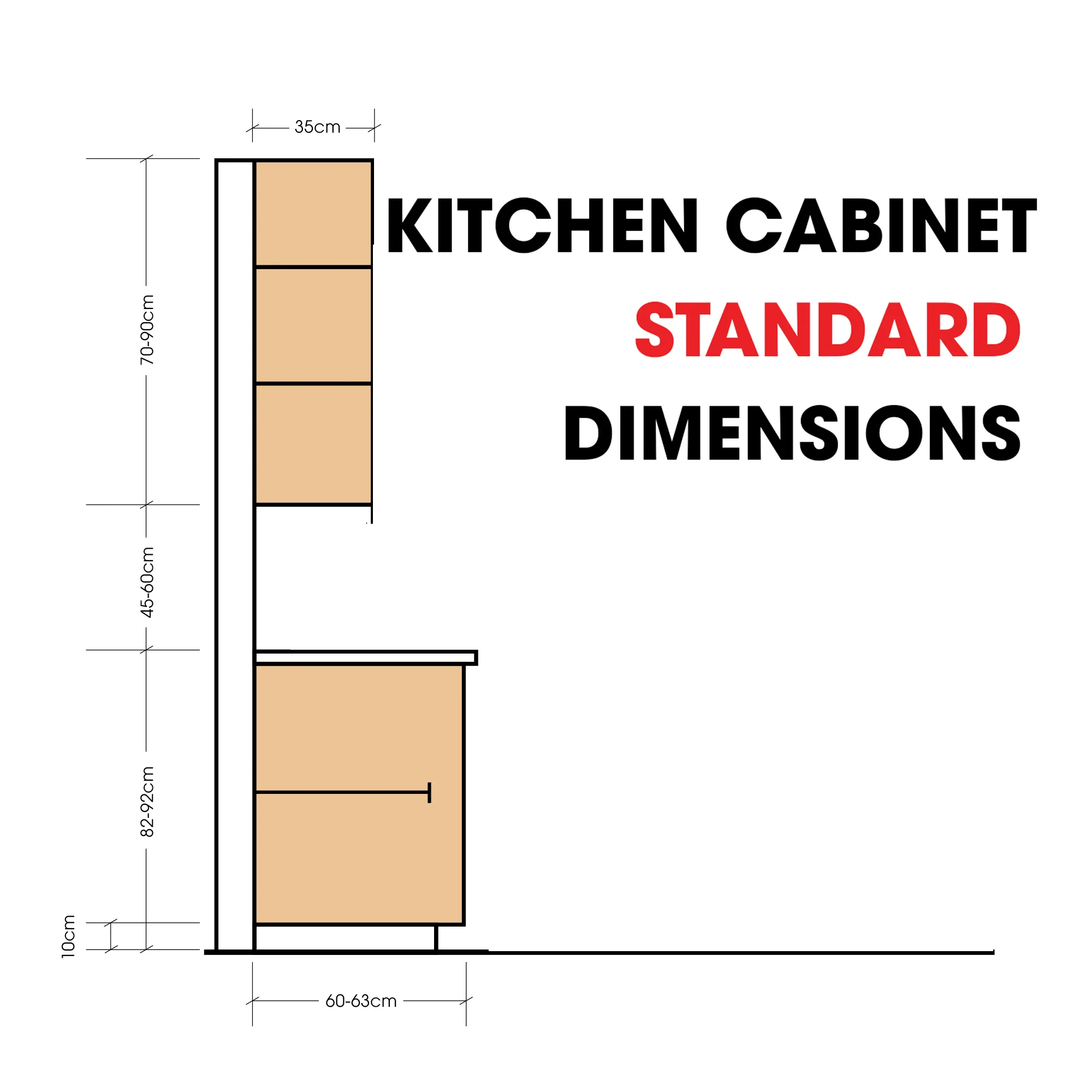
Image Source: guilincabinets.com
The Foundation: Standard Base Cabinet Height
The base cabinets form the backbone of your kitchen, providing essential storage and the crucial workspace that is your countertop. The standard base cabinet height is a carefully considered measurement that balances accessibility with ergonomic design.
Deciphering Base Cabinet Dimensions
Most standard base cabinets stand 34.5 inches tall before a countertop is installed. This height is not arbitrary. It’s designed to work in conjunction with standard countertop thicknesses, typically 1.5 inches. When you add the countertop, the total height reaches a common and comfortable 36 inches. This 36-inch height is the industry standard for countertop height in kitchens, aligning with ergonomic principles to allow most adults to work comfortably without excessive bending or reaching.
It’s important to note that these are standard measurements. Custom cabinetry can, of course, deviate from these norms. However, for most pre-fabricated or semi-custom options, 34.5 inches for the cabinet box is the benchmark.
Factors Influencing Base Cabinet Height
While 34.5 inches is standard, a few factors might influence this measurement or your perception of it:
- Floor Leveling: Uneven kitchen floors can mean that while cabinets are plumb, their actual height from the floor might vary slightly. Proper installation accounts for this.
- Toe Kick Height: The recessed area at the bottom of the base cabinet, known as the toe kick, typically measures around 4 inches high and 4 inches deep. This recess allows you to stand closer to the counter without banging your toes. The height of the toe kick is already factored into the 34.5-inch cabinet box height.
- Adjustable Feet: Some base cabinets come with adjustable feet, allowing for fine-tuning the height during installation, especially on uneven floors.
Reaching New Heights: Standard Upper Cabinet Height
Upper cabinets are where you store a vast array of kitchen items, from everyday dishes to seldom-used appliances. The standard upper cabinet height is about more than just storage capacity; it’s also about creating a visually appealing and functional kitchen layout.
Common Upper Cabinet Heights
The most common kitchen cabinet height for upper cabinets are:
- 30 inches: This is a very popular choice, offering a good balance of storage and aesthetic appeal.
- 36 inches: These taller cabinets provide more storage space, which can be ideal for kitchens with high ceilings or for those who need ample room for cookware and dishware.
- 42 inches: The tallest standard option, 42-inch upper cabinets are often used in kitchens with very high ceilings or to maximize storage. They can create a more commanding presence and reduce the amount of wall space that is otherwise bare.
The Crucial Cabinet Spacing: Countertop to Upper Cabinet Distance
Perhaps the most critical measurement when discussing upper cabinets is the countertop to upper cabinet distance. This gap, often referred to as the backsplash area, is vital for usability and safety.
The standard upper cabinet height is determined in relation to the base cabinets and the countertop, and the spacing above the countertop is key. The generally accepted and most ergonomic cabinet spacing is 18 inches between the countertop and the bottom of the upper cabinets.
This 18-inch gap serves several purposes:
- Ergonomics: It provides ample room for most people to work at the counter without their heads hitting the cabinets. This allows for comfortable food preparation, appliance use (like stand mixers), and general kitchen tasks.
- Functionality: It accommodates common kitchen backsplashes, which can be made of tile, stone, or other materials, typically adding a few inches to the overall height. It also allows for the installation of under-cabinet lighting and the use of taller appliances on the counter.
- Aesthetics: The 18-inch spacing is visually pleasing, preventing the kitchen from feeling cramped or overly cluttered. It allows for a sense of openness while still providing accessible storage.
Variations in Cabinet Spacing
While 18 inches is the standard, there can be variations:
- 15 inches: In some cases, particularly in kitchens with lower ceilings or when maximizing upper cabinet storage is paramount, a 15-inch gap might be used. This can make the upper cabinets feel closer and more dominant.
- 20-24 inches: For kitchens with very high ceilings or a desire for a more spacious feel, a larger gap might be implemented. This can make reaching the lower shelves of taller upper cabinets more challenging for shorter individuals, but it can create a grander visual effect.
When determining your cabinet installation height, always consider the ceiling height, the height of the individuals who will primarily use the kitchen, and the desired aesthetic.
Beyond the Standards: Other Kitchen Cabinet Dimensions and Considerations
While kitchen cabinet height is a primary concern, other kitchen cabinet dimensions play a significant role in the overall kitchen layout dimensions and functionality.
Upper Cabinet Depth and Width
- Depth: Standard upper cabinets are typically 12 inches deep. This depth provides sufficient storage without protruding too far into the walkway, which is crucial for efficient kitchen flow. Deeper upper cabinets (e.g., 15 or 18 inches) are available but can make accessing items at the back more difficult and may encroach on workspace.
- Width: Upper cabinets come in a wide range of widths, from 9 inches to 36 inches or more, in 3-inch increments. The choice of width depends on the available wall space, the intended use of the cabinet, and design aesthetics. Standard widths often align with standard wall stud spacing for easier installation.
Base Cabinet Depth and Width
- Depth: Standard base cabinets are typically 24 inches deep (excluding the door and drawer fronts, which add about 3/4 inch). This depth allows for standard-depth appliances like ranges and dishwashers to fit flush with the front of the cabinets.
- Width: Similar to upper cabinets, base cabinets are available in various widths, typically starting from 9 inches up to 36 inches or wider, in 3-inch increments. Wider base cabinets offer more storage but require careful planning to ensure they don’t disrupt kitchen traffic flow.
Standard Soffit Height and its Impact
Soffits are vertical enclosures that often run along the top of upper cabinets, covering pipes, wiring, or ductwork, or simply serving as a design element. The standard soffit height can vary significantly depending on the ceiling height and the design intent.
- Bridging the Gap: Soffits are often used to fill the space between standard 30-inch or 36-inch upper cabinets and the ceiling. In a kitchen with an 8-foot ceiling, a 30-inch upper cabinet with an 18-inch gap would leave 42 inches of wall space. If the soffit is 12 inches high, it would sit atop the 30-inch cabinet, leaving 30 inches of space to the ceiling, creating a more finished look.
- Impact on Reachability: The presence and height of a soffit can affect the perceived height of the upper cabinets and how accessible they are. If soffits are very tall, they can make the upper cabinets feel lower, even if the cabinet installation height itself is standard.
Mastering Cabinet Measurements for a Seamless Kitchen
Accurate cabinet measurements are paramount for a successful kitchen project. Whether you’re ordering pre-fabricated cabinets or planning a custom build, you need to know precisely what you’re working with.
Measuring Your Space Accurately
Before you even look at kitchen cabinet dimensions, measure your kitchen space meticulously.
- Wall Lengths: Measure the length of each wall where cabinets will be installed.
- Ceiling Height: Measure the ceiling height in multiple locations, as it can vary.
- Window and Door Locations: Mark the precise position and dimensions of windows and doors on your wall measurements. Note their height from the floor.
- Obstructions: Identify and measure any radiators, vents, outlets, switches, or plumbing fixtures that might interfere with cabinet placement.
- Appliance Locations: If you have specific appliances (refrigerator, dishwasher, range), measure their dimensions and consider their clearance requirements.
Translating Measurements to Cabinet Orders
- Base Cabinets: Remember the 34.5-inch standard height before the countertop. Account for the thickness of your chosen countertop (typically 1.5 inches) to reach the final 36-inch working height.
- Upper Cabinets: Decide on your desired standard upper cabinet height (30, 36, or 42 inches) and the countertop to upper cabinet distance (most commonly 18 inches). This will determine how much wall space remains above the upper cabinets.
- Depth: Ensure your chosen cabinet depths fit your kitchen layout and don’t impede traffic flow. The 12-inch depth for uppers and 24-inch depth for bases are the most common for a reason.
Customizing Your Kitchen Height Needs
While standards provide a reliable baseline, your personal needs and kitchen design might call for adjustments to kitchen cabinet height.
When to Deviate from Standards
- Accessibility Needs: For individuals with mobility issues or those who are significantly shorter or taller than average, adjusting the standard base cabinet height or countertop to upper cabinet distance can significantly improve usability.
- High Ceilings: In kitchens with ceilings exceeding 9 feet, taller upper cabinets (42 inches) or even stacking cabinets can be used to maximize vertical space and create a more proportional look.
- Appliance Integration: If you plan to install an over-the-range microwave that also acts as a vent, its height will influence the cabinet spacing. Many over-the-range microwaves are designed to fit within the standard 18-inch gap, but you’ll need to confirm specific dimensions.
- Specific Storage Needs: If you have particular items to store, such as large appliances or tall cookware, you might opt for cabinets with custom heights or depths.
Calculating Custom Heights
When planning custom heights, always revisit the fundamental ergonomic principles:
- Work Triangle: Ensure your cabinet placement and heights don’t disrupt the flow of your kitchen’s work triangle (sink, refrigerator, range).
- Knee Space: If you’re considering counter-height seating, ensure adequate knee space below the countertop.
- Visual Balance: Consider how the chosen heights will impact the overall visual balance of your kitchen.
Frequently Asked Questions (FAQ)
Here are answers to some common questions about kitchen cabinet height:
Q1: Can I put upper cabinets higher than 18 inches from the countertop?
A1: Yes, you can. While 18 inches is the standard for optimal ergonomics and usability, some designs might call for a larger gap (20-24 inches), especially with very high ceilings. However, this can make reaching the upper cabinets more challenging for shorter individuals.
Q2: What if my kitchen has very low ceilings? Can I use shorter upper cabinets?
A2: Yes. If you have lower ceilings, you might opt for 24-inch or even 20-inch upper cabinets to maintain a proportional look and adequate headspace. You would then adjust the countertop to upper cabinet distance accordingly, perhaps to 15 inches.
Q3: Do cabinet installation heights vary by country?
A3: While there are international standards, minor variations can exist. The dimensions discussed here (34.5-inch base boxes, 18-inch spacing) are largely based on North American standards. It’s always best to confirm specific measurements if you are outside of these regions or ordering from international suppliers.
Q4: How do I account for the toe kick in my cabinet measurements?
A4: The toe kick is typically integrated into the overall height of the base cabinet box. The standard 34.5-inch measurement for a base cabinet box includes the space for the toe kick at the bottom.
Q5: What is a standard soffit height?
A5: There isn’t a single “standard” soffit height as it’s largely dependent on ceiling height and design. Soffits are often designed to fill the remaining space between upper cabinets and the ceiling, typically ranging from 12 to 30 inches in height.
In conclusion, knowing the standard kitchen cabinet height is a cornerstone of effective kitchen design. Whether you are opting for a classic look or a more custom approach, these foundational dimensions—the standard base cabinet height of 34.5 inches and the countertop to upper cabinet distance of 18 inches—provide the guidelines for a functional, comfortable, and aesthetically pleasing kitchen. By carefully considering kitchen cabinet dimensions, cabinet spacing, and all relevant cabinet measurements, you can create a kitchen that perfectly suits your needs and style.