
What is the standard height of a kitchen counter? The standard height for a kitchen counter is 36 inches (91.4 cm) from the finished floor to the top of the countertop. This measurement is a widely adopted guideline that prioritizes comfort and functionality for a broad range of users.
When you’re planning a kitchen renovation or simply curious about the heart of your home, knowing the specifics of kitchen design elements is key. Among the most fundamental is kitchen counter height. This isn’t just an arbitrary number; it’s a carefully considered dimension that impacts your daily cooking, prepping, and cleaning routines. Understanding counter height dimensions helps create a kitchen that is both beautiful and highly practical.
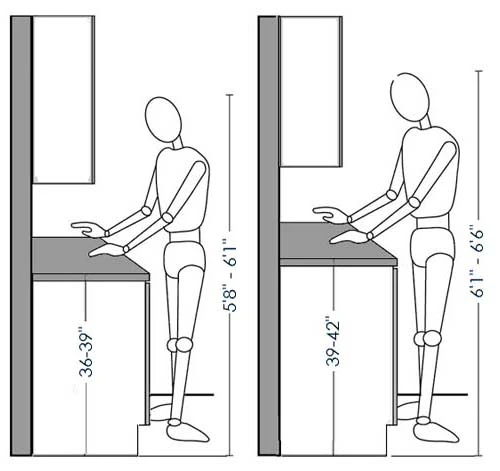
Image Source: www.regattaexports.com
The Benchmark: Standard Kitchen Counter Height
The 36-inch (91.4 cm) benchmark for kitchen counter height has become the industry standard for good reason. It strikes a balance that works for most adults for a variety of kitchen tasks. Think about it: whether you’re chopping vegetables, rolling out dough, or simply leaning against it for a moment, this height generally allows for a comfortable posture without causing undue strain on your back or shoulders.
Why 36 Inches? A Look at Ergonomics
The choice of 36 inches for the standard kitchen counter height is deeply rooted in kitchen ergonomics height. Ergonomics is the science of designing and arranging things people use so that they can use them easily and safely. For kitchen counters, this means considering the average reach and posture of the human body.
- Reduced Strain: A counter that’s too low forces you to bend over excessively, leading to back pain. A counter that’s too high can cause shoulder and neck discomfort as you reach down. The 36-inch height aims to keep most users in a more neutral, upright position.
- Efficient Task Performance: Many kitchen tasks, like chopping, mixing, and kneading, are most efficiently performed at a height that allows you to use your body weight effectively without awkward angles. The 36-inch height facilitates this.
- Universal Design: While individual heights vary, 36 inches provides a good starting point for a wide range of people. It’s a compromise that aims to be functional for the majority.
The Role of Cabinetry in Counter Height
It’s important to remember that the kitchen counter height is achieved by combining the height of the base cabinets with the thickness of the countertop material. Standard base cabinets are typically 34.5 inches tall. When you add a standard 1.5-inch thick countertop (common for materials like laminate, granite, or quartz), you arrive at the magic 36-inch figure.
Beyond the Standard: Variations and Customization
While 36 inches is the standard, kitchens are personal spaces, and sometimes the standard just doesn’t fit. There are several reasons why you might deviate from this benchmark, leading to custom counter height considerations.
Accommodating Different Needs
- Height Variations: Taller individuals might find a slightly higher counter more comfortable, while shorter individuals might prefer a lower one. For example, a 6’2″ person might find a 37-inch or even 38-inch counter more ergonomic, while someone 5’0″ might prefer a 35-inch counter.
- Specific Tasks: Some specialized kitchen tasks might benefit from different heights. For instance, a dedicated baking station might be slightly lower to allow for better leverage when kneading dough, promoting better workspace height kitchen dynamics.
- Accessibility: For individuals using wheelchairs or those with mobility issues, the standard kitchen counter height can be a significant barrier. Lowering counters, and ensuring adequate knee space underneath, is crucial for accessible kitchen design.
Different Countertop Materials and Thicknesses
The thickness of your countertop material directly affects the final kitchen counter height.
| Countertop Material | Typical Thickness (inches) |
|---|---|
| Laminate | 1.5 – 1.75 |
| Granite | 1.25 – 1.5 |
| Quartz | 0.75 – 1.25 |
| Marble | 1.25 – 1.5 |
| Butcher Block | 1.5 – 2+ |
| Concrete | 1.5 – 2+ |
As you can see, even within common materials, there can be slight variations in thickness. When planning, always factor in the exact thickness of your chosen material to achieve your desired final kitchen counter height.
Custom Cabinetry Solutions
If you’re opting for custom counter height dimensions that deviate from the standard, you’ll likely need custom cabinetry. Standard base cabinets come in set heights, so creating a significantly different counter height usually involves non-standard cabinet boxes or custom-built solutions.
The Kitchen Island: A Different Set of Rules
Kitchen islands often serve multiple purposes, from food preparation to casual dining and socializing. This duality means their height might differ from the main perimeter counters.
Average Kitchen Island Height
While the main counters are typically 36 inches, the average kitchen island height can vary. Many islands are designed to match the main counter height of 36 inches, especially if their primary function is prep space. However, it’s increasingly common to see islands with a multi-level design.
- Standard Counter Height Section: One part of the island might be at 36 inches for prepping.
- Bar Height Section: Another section might be raised to 42 inches (bar height) to accommodate seating, effectively creating a casual dining or gathering spot. This bar height counter is popular for its social appeal.
Creating Zones on an Island
The beauty of a kitchen island is its versatility. Designing it with different heights can enhance its functionality:
- Prep Zone (36 inches): Perfect for chopping, mixing, and general food preparation. This height aligns with the main kitchen work surfaces, maintaining a consistent workspace height kitchen.
- Dining/Social Zone (42 inches – Bar Height): A raised section allows people to sit comfortably on bar stools, chat with the cook, or enjoy a meal without being in the middle of the food preparation area. This also creates a visual separation and can make the island feel more like a piece of furniture.
- Appliance Zone (Slightly Lower): Some designers incorporate a slightly lower section, perhaps around 30-32 inches, specifically for built-in appliances like a microwave or convection oven, making them more accessible and integrated.
Countertop Overhang for Seating
When designing an island with seating, the countertop overhang is critical.
- Knee Space: For a 36-inch counter height, an overhang of 15 inches is generally recommended for comfortable legroom when seated.
- Bar Height (42 inches): For a bar height counter, an overhang of 12 inches is typically sufficient, as people tend to sit closer to the counter.
The Kitchen Work Triangle: Height and Flow
The kitchen work triangle (the imaginary line connecting the sink, refrigerator, and stove) is a classic design principle. While often discussed in terms of layout, the height of the elements within this triangle also influences workflow and kitchen ergonomics height.
Consistent Heights for Seamless Movement
Having consistent kitchen counter height across your main work zones (prep areas, stove area, sink area) creates a seamless flow. You can move between tasks without constantly adjusting your posture or reaching awkwardly. This is where the 36-inch standard shines.
Impact on Efficiency
Imagine prepping ingredients at a 36-inch counter, then moving to a stove that’s also at a comfortable height relative to your waist. This continuity makes the entire process more efficient and less tiring. An island that complements these heights further enhances this efficiency.
Counter Height Considerations for Specific Tasks
While the standard height is a great starting point, let’s delve deeper into counter height considerations for specific kitchen activities.
Baking and Dough Work
For tasks like rolling out pie crusts or kneading bread, a slightly lower counter can be beneficial.
- Leverage: A lower surface allows you to use more of your body weight for leverage, making these tasks less strenuous. A height of 30-34 inches might be more comfortable counter height for dedicated bakers.
- Custom Stations: Some kitchens feature a dedicated baking station with a lower counter, often with a thicker, more durable countertop material like butcher block or concrete.
Cooking at the Stove
The height of your stovetop relative to the counter is also important. Most freestanding ranges have a cooktop surface that is roughly flush with the kitchen counter height of 36 inches. However, with built-in cooktops and separate ovens, there’s more flexibility. Ensure the cooktop is at a height that allows you to easily stir pots without leaning too far forward or reaching too high.
Sink Usage
The depth of your sink and the height of the faucet also play a role in your experience at the sink. While the counter height is primary, ensure the sink basin isn’t so deep that you have to bend excessively, or so shallow that you splash water everywhere.
Designing for Comfort: Finding Your Ideal Height
So, how do you determine the best kitchen counter height for your needs?
Measure Yourself and Your Primary Users
The most straightforward way to find a comfortable counter height is to measure the primary users of the kitchen.
- Elbow Height: Stand up straight with your arms relaxed at your sides. Measure from the floor to your elbow. A good working counter height is often about 2-4 inches below your elbow height.
- Trial and Error: If possible, try working at counters of different heights in showrooms or friends’ homes. See what feels most natural and comfortable for standing and performing tasks.
Consider the “Kitchen Work Triangle Height” Consistency
As mentioned, maintaining consistent heights within your primary work zones creates a better workflow. If you have a significantly different height for one area (like a dedicated baking station), ensure it’s placed strategically so it doesn’t disrupt the main flow.
Incorporate Multiple Heights for Versatility
Don’t be afraid to mix heights if it enhances functionality. A multi-level island or a strategically placed lower or higher counter can significantly improve the usability of your kitchen.
The 36-Inch Standard: Still the King
For most people and most kitchens, sticking to the 36-inch standard is the safest and most practical choice. It ensures compatibility with standard cabinetry, common countertop thicknesses, and offers a generally comfortable counter height for a wide range of activities and users.
Material Matters: How Thickness Affects Height
As we touched upon, countertop material thickness is a crucial factor in achieving your target kitchen counter height.
- Thicker Materials: Granite, quartz, and marble are typically available in 2cm (approx. 0.79 inches) and 3cm (approx. 1.18 inches) thicknesses. The 3cm option is more common for a robust look and feel and contributes more to the overall height. Butcher block and concrete can be even thicker, often 1.5 inches to 2 inches or more.
- Thinner Materials: Laminate countertops often have a core material that’s around 1.5 inches thick, with the decorative laminate layer on top.
- Impact on Cabinetry: If you choose a very thick countertop material (say, 2 inches), and you still want a 36-inch final height, you’ll need shorter base cabinets (e.g., 34 inches instead of the standard 34.5 inches). Conversely, a very thin countertop (e.g., 0.75 inches) with standard 34.5-inch cabinets would result in a 35.25-inch counter height, which might feel slightly low for some.
This highlights the importance of coordinating cabinet specifications with countertop choices to nail the desired counter height dimensions.
Addressing Different Workspace Height Kitchen Needs
The “workspace height kitchen” refers to the overall suitability of your kitchen’s surfaces for the tasks you perform.
The Chef’s Kitchen
A professional chef or serious home cook might have very specific needs. They might prefer slightly lower prep surfaces for extended periods of chopping or standing. Some might even opt for a custom-built island at a slightly reduced height to optimize their kitchen ergonomics height.
The Family Kitchen
In a busy family kitchen, durability and ease of cleaning are paramount. The standard 36-inch height works well, allowing different family members, from adults to older children, to help out with meal prep. The inclusion of a higher bar height counter on an island can also provide a casual spot for kids to do homework or have a snack while parents cook.
The Entertainer’s Kitchen
For those who love to host, the kitchen often becomes a social hub. Islands with a raised bar height counter are excellent for guests to gather around. The kitchen work triangle height consistency remains important for the cook, but the social aspect can influence island design significantly.
Common Pitfalls to Avoid
When planning your kitchen, be mindful of these common mistakes related to counter height:
- Ignoring Countertop Thickness: Assuming all countertops are the same thickness can lead to an unexpected final height.
- Not Measuring Primary Users: Designing solely based on the standard without considering the heights of the main kitchen users can lead to discomfort.
- Overly Complex Height Arrangements: While mixing heights can be good, too many variations can make the kitchen feel disjointed and less functional.
- Forgetting About Appliance Integration: Ensure built-in appliances will sit flush or at a comfortable height relative to the countertops.
Frequently Asked Questions (FAQ)
Q1: Can I change my kitchen counter height if it’s not standard?
A1: Yes, you can change your kitchen counter height, but it’s a significant renovation project. It typically involves replacing base cabinets with custom-sized ones or altering existing ones, along with new countertops.
Q2: What is the standard depth of a kitchen counter?
A2: The standard kitchen counter depth is typically 24 inches (61 cm) for the countertop surface itself. This allows ample space for appliances like dishwashers and ovens to be installed behind the counter, and provides a good work area. The cabinet boxes are usually 23.25 inches deep to accommodate the 0.75-inch front panel. Including an overhang, the total depth from the wall can be around 25 inches.
Q3: What is considered “bar height” for a counter?
A3: Bar height counter is generally considered to be 42 inches (106.7 cm) from the finished floor to the top of the counter. This height is ideal for seating with standard bar stools.
Q4: Is there a standard height for kitchen islands?
A4: While the average kitchen island height is often 36 inches to match perimeter counters, islands can and often do vary. Many are designed with multiple levels, including sections at 36 inches for prep and 42 inches for seating (bar height).
Q5: How do I determine the best workspace height kitchen for my needs?
A5: To find the best workspace height kitchen for your needs, measure your elbow height when standing relaxed. A comfortable work surface is typically 2-4 inches below your elbow. Consider the specific tasks you do most frequently and whether a slightly different height would be more beneficial.
Q6: What are some common counter height considerations for accessibility?
A6: For accessibility, counter height considerations often involve lowering the counter to 30-34 inches to accommodate wheelchair users, ensuring adequate knee space underneath, and providing easy access to sinks and cooktops.
Q7: Does the kitchen work triangle height matter?
A7: While the layout of the kitchen work triangle is paramount, ensuring consistent and comfortable heights for the sink, stove, and prep areas within that triangle enhances workflow and kitchen ergonomics height, making the kitchen more efficient and less tiring to use.
In conclusion, while the 36-inch standard for kitchen counter height is a robust guideline, the ideal height can be influenced by personal needs, specific tasks, and desired functionality. By considering these counter height considerations, you can design a kitchen that is not only aesthetically pleasing but also a truly comfortable and efficient workspace height kitchen for years to come.