
The perfect height for a kitchen island is typically between 34 and 36 inches from the floor to the top of the countertop. This range offers a comfortable working height for most people and aligns with standard counter heights found in most kitchens.
When you’re dreaming up your ideal kitchen, the island often takes center stage. It’s the heart of the home, a place for preparing meals, gathering with family, or enjoying a quick breakfast. But beyond its aesthetic appeal and functional layout, one crucial aspect often gets overlooked: the height of your kitchen island. Getting this detail wrong can lead to an awkward workspace or uncomfortable seating. This guide will dive deep into all things kitchen island height, ensuring you make the right choice for your culinary sanctuary.
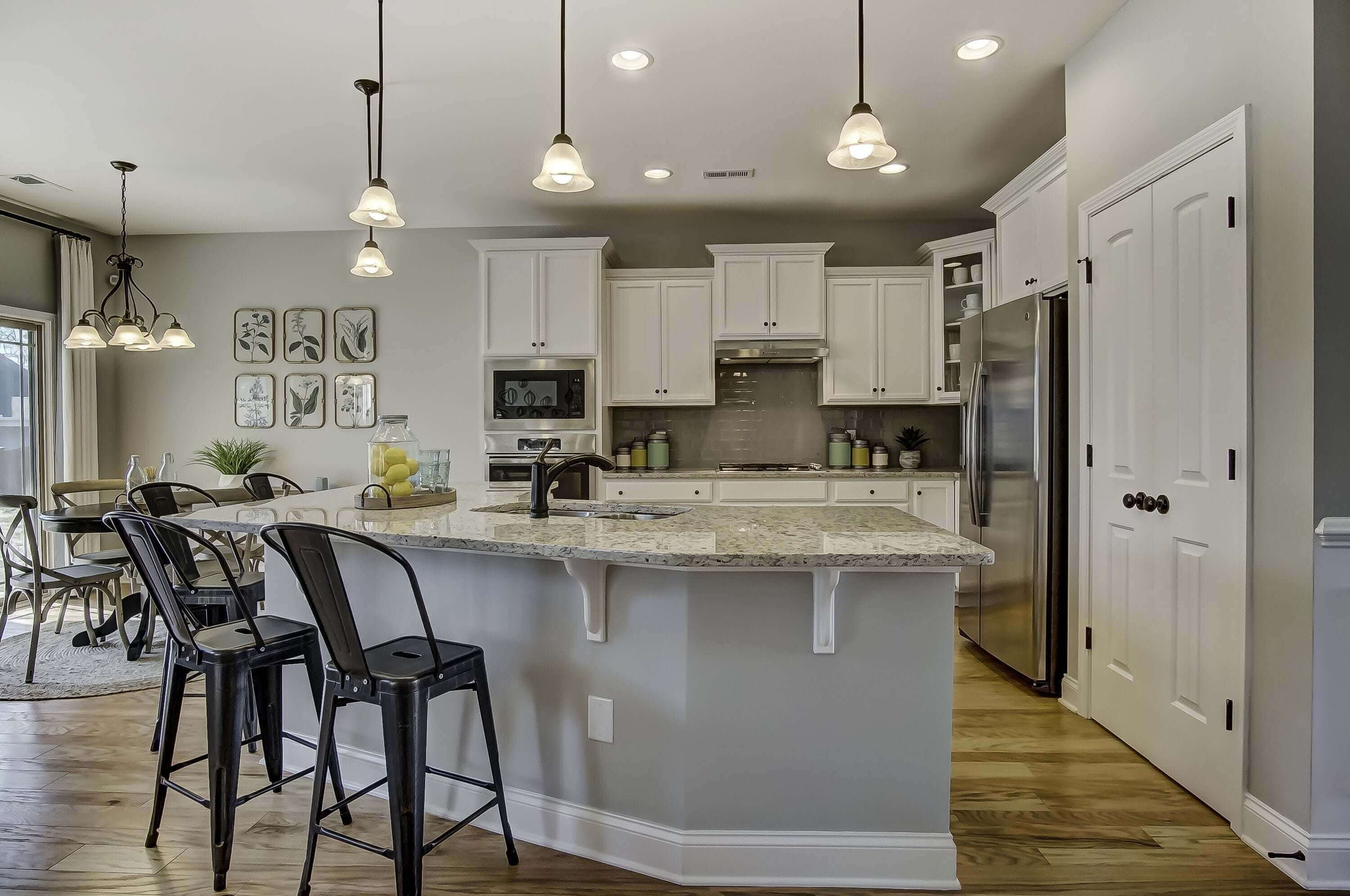
Image Source: eastwood.nyc3.cdn.digitaloceanspaces.com
Deciphering Standard Kitchen Island Dimensions
Before we talk about height, let’s touch on other key measurements that define a functional island. The standard kitchen island depth typically ranges from 24 to 36 inches. This depth accommodates cabinetry, appliances, and a usable countertop surface. The overall ideal kitchen island size is highly variable, depending on your kitchen’s layout and your specific needs. However, a common minimum footprint for a functional island is around 4 feet by 2 feet, allowing for adequate workspace and circulation. These kitchen island dimensions are foundational to creating a balanced and practical kitchen.
The Crucial Role of Island Height
The height of your kitchen island directly impacts its usability. An island that’s too high can make chopping vegetables a strain, while an island that’s too low can lead to backaches. The island work surface height needs to be ergonomic for the primary users of the kitchen.
Counter Height Islands: The Versatile Standard
A counter height island is the most common choice, typically measuring between 34 and 36 inches. This height is ideal for several reasons:
- Preparation: It provides a comfortable surface for a wide range of kitchen tasks, from chopping and mixing to kneading dough. Most standard-height chairs and stools will fit comfortably underneath.
- Dining: Many people use their island as a casual dining spot. With a 34-36 inch counter height, you can comfortably sit and eat with standard counter-height stools.
- Integration: This height seamlessly blends with the rest of your kitchen countertops, creating a cohesive and flowing design.
Bar Height Islands: For Elevated Gatherings
Bar height island measurements are generally around 40 to 42 inches. These are taller than standard counters and are specifically designed for seating with bar stools.
- Social Hub: A bar height island is perfect for entertaining. Guests can perch comfortably, chat with the cook, and enjoy drinks or appetizers.
- Space Saving: In smaller kitchens, a bar height island can serve as both a workspace and a dining area, eliminating the need for a separate dining table.
- Considerations: You’ll need specialized bar stools for this height. While great for socializing, it might not be the most ergonomic height for extended meal preparation.
Table Height Islands: A More Relaxed Approach
Less common, but still an option, is a table height island, which measures around 28 to 30 inches. This height is akin to a dining table.
- Comfortable Seating: Standard dining chairs are suitable for this height, offering a more relaxed and traditional seating experience.
- Work Surface: It can serve as a secondary work surface, but might require bending over more for extensive food prep compared to counter height.
- Design Integration: This height can create a distinct zone within the kitchen, separating the island from other countertop areas.
Navigating Countertop Overhangs
The countertop overhang is another vital consideration, particularly if you plan to have seating at your island. The overhang dictates how much legroom people will have.
- For Counter Height Islands (34-36 inches):
- Knee Space: Aim for a minimum of 15 inches of clear legroom behind the seated person. This means the countertop should extend at least 15 inches beyond the cabinet or supporting structure.
- Seating Comfort: A 10-12 inch overhang is generally considered the minimum for comfortable seating with counter-height stools. This allows enough space for plates and drinks. For more generous seating, a 15-inch overhang is even better.
- For Bar Height Islands (40-42 inches):
- Legroom: Similar to counter height, 15 inches of clear legroom is ideal for comfort.
- Seating Comfort: A 12-15 inch overhang is recommended for bar height seating.
Table 1: Recommended Countertop Overhang for Kitchen Islands
| Island Height Type | Recommended Overhang (for seating) | Minimum Overhang (for seating) |
|---|---|---|
| Counter Height | 15 inches | 10-12 inches |
| Bar Height | 12-15 inches | 12 inches |
Kitchen Island Seating Height: Matching Stool to Island
The kitchen island seating height is directly dictated by the island’s countertop height. It’s essential to pair the correct stool with your island to ensure comfort and proper ergonomics.
- For Counter Height Islands (34-36 inches): You’ll need counter height stools, which typically have a seat height of 24-26 inches. This 10-12 inch gap between the seat and the countertop is perfect for comfortable dining and conversation.
- For Bar Height Islands (40-42 inches): You’ll need bar height stools, with a seat height of around 28-30 inches. This leaves a similar 10-12 inch gap for comfortable use.
- For Table Height Islands (28-30 inches): Dining chairs are the appropriate choice, with seat heights usually around 18 inches.
Table 2: Stool Height Guide for Kitchen Islands
| Island Countertop Height | Recommended Stool Seat Height | Stool Type |
|---|---|---|
| 34-36 inches | 24-26 inches | Counter Stool |
| 40-42 inches | 28-30 inches | Bar Stool |
| 28-30 inches | 18 inches | Dining Chair |
Fathoming Your Island Work Surface Height Needs
The island work surface height is primarily about your comfort while performing kitchen tasks. This is where the 34-36 inch range truly shines for most.
- Ergonomics: This height allows most individuals to chop, stir, and mix without excessive bending or reaching. It promotes better posture and reduces strain.
- Versatility: It accommodates a wide array of kitchen activities, from heavy-duty food prep to casual serving.
If you have a significantly different height than the average person in your household, you might consider a custom kitchen island height. For instance, if everyone in your home is exceptionally tall, you might opt for a slightly higher island. Conversely, if you have children who will be frequently using the island for homework or crafting, ensuring they have comfortable access is also important.
The Impact of Countertop Material Thickness
It’s important to remember that the height you specify for your island base cabinets will be increased by the thickness of your chosen countertop material.
- Granite, Quartz, Marble: These solid surfaces typically range from 3cm (about 1.2 inches) to 2cm (about 0.75 inches) thick. This needs to be factored into your final island height calculation.
- Butcher Block: Wood countertops can vary in thickness, often from 1.5 inches to 2 inches or more.
- Laminate: These are generally thinner, around 0.75 inches.
Example Calculation:
If you want a final island work surface height of 36 inches, and you’ve chosen a 3cm (1.2 inch) thick granite countertop, your base cabinets should be approximately 34.8 inches tall (36 inches – 1.2 inches).
Designing for Different Island Functions
The intended use of your island can influence its ideal height.
The Chef’s Island
For an island primarily dedicated to extensive food preparation, a slightly lower height within the 34-36 inch range might be preferred by some. This allows for more leverage when chopping or kneading. However, for most, the standard 36 inches offers a good balance.
The Entertainer’s Island
If your island is more of a buffet or serving area, or a place for guests to gather while you cook, a bar height (40-42 inches) can be a fantastic choice. It elevates the experience and encourages a social atmosphere. Alternatively, a counter height island with a substantial overhang can accommodate comfortable seating for several people.
The Family Hub Island
For a multi-purpose island that serves as a homework station, craft table, and casual dining spot, a counter height (34-36 inches) is often the most practical. It’s comfortable for a range of activities and ages.
Considering Custom Kitchen Island Height
While standard heights are excellent starting points, don’t be afraid to explore custom kitchen island height if your needs are unique.
- Height Adjustments: If you or family members have specific ergonomic needs or preferences, consult with a kitchen designer or contractor about custom cabinet heights. Even small adjustments can make a significant difference in daily comfort.
- Multi-Level Islands: Some designs incorporate multiple levels, offering different heights for various functions. For example, one section might be a lower work surface, while another is a higher bar for seating.
Factors Influencing Your Decision:
- Household Height: Measure the primary users of the kitchen.
- Planned Activities: How will the island be used most often? Prep, dining, socializing, homework?
- Seating Needs: Will people be sitting at the island? For how long?
- Stool/Chair Selection: What type of seating do you envision?
- Aesthetic Goals: How do you want the island to integrate with the overall kitchen design?
Common Pitfalls to Avoid
- Ignoring Countertop Thickness: Forgetting to account for the thickness of your countertop material is a common mistake that can lead to an island that’s either too high or too low.
- Overlooking Seating Comfort: If you plan for seating, ensure there’s adequate countertop overhang and appropriate kitchen island seating height for the stools you choose.
- Not Considering Circulation Space: While height is crucial, ensure your ideal kitchen island size and placement allow for comfortable movement around it. Aim for at least 36-42 inches of clearance on all sides where people will be walking.
- Solely Relying on Trends: While trends can be inspiring, prioritize functionality and your personal needs for a space you’ll use daily.
Frequently Asked Questions About Kitchen Island Height
Q1: What is the most common kitchen island height?
A1: The most common kitchen island height is between 34 and 36 inches, aligning with standard counter heights.
Q2: Can I have a kitchen island that is different from my main countertops?
A2: Yes, you absolutely can. Many homeowners choose islands with different heights, materials, or styles to create visual interest and distinct zones within the kitchen. For example, a counter height island can complement standard 36-inch kitchen counters, or a bar height island can provide a separate dining or social area.
Q3: How much overhang do I need for kitchen island seating?
A3: For comfortable seating at a counter height island (34-36 inches), aim for a 10-15 inch countertop overhang. For bar height islands (40-42 inches), a 12-15 inch overhang is recommended. This provides enough space for legroom and plates.
Q4: What stool height should I use for a 36-inch island?
A4: For a 36-inch island, you should use counter height stools with a seat height of approximately 24-26 inches. This creates the ideal 10-12 inch gap for comfortable seating.
Q5: Is a bar height island better than a counter height island?
A5: Neither is definitively “better”; it depends on your needs. A counter height island (34-36 inches) is more versatile for food preparation and general use. A bar height island (40-42 inches) is excellent for casual dining and socializing, creating a distinct bar-like atmosphere.
Q6: What are the standard kitchen island dimensions?
A6: While ideal kitchen island size varies greatly, a common minimum for functionality is around 4 feet by 2 feet. Standard kitchen island depth for cabinets is typically 24 inches, with countertop depth often extending to 25-27 inches.
Q7: How do I determine the right island work surface height for me?
A7: Measure the primary users of your kitchen and consider the tasks they will perform at the island. The 34-36 inch range is ergonomic for most adults. If you have very specific needs, consider a custom kitchen island height.
By carefully considering these factors and aligning them with your lifestyle and kitchen design, you can ensure your kitchen island is not only beautiful but also perfectly suited to your needs, offering comfort and functionality for years to come.