
So, you’re wondering, how long does kitchen wrap last? Generally, plastic wrap, cling film, and other food wraps don’t have a strict “expiration date” like perishable foods do. They are designed to be shelf-stable and can last for years if stored correctly. However, their effectiveness and hygienic qualities can degrade over time, impacting the freshness of plastic wrap and its ability to protect your food.
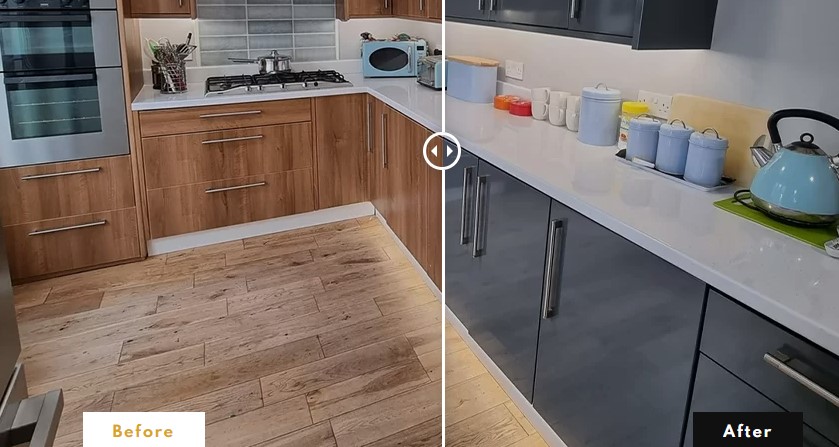
Image Source: touchstonewrap.ae
Deciphering Kitchen Wrap Shelf Life
Kitchen wrap, in its various forms like plastic wrap and cling film, is a staple in most kitchens. Its primary purpose is to create a barrier that keeps food fresh, prevents odors from spreading, and stops moisture loss. But, like any product, there’s a question of longevity: how long is plastic wrap good for? While it doesn’t spoil in the way milk or bread does, its effectiveness can diminish. This article delves into the shelf life of kitchen wrap, factors that influence it, and how to best maintain its usability. We’ll explore cling film shelf life, plastic wrap expiry, and the overall food wrap expiration considerations.
Factors Affecting Kitchen Wrap Longevity
Several elements play a role in determining how long your kitchen wrap remains effective. It’s not just about the date printed on the box; it’s about how the product is treated.
- Material Composition: The type of plastic used for your wrap significantly impacts its durability. Different plastics have varying resistances to degradation from light, heat, and air.
- Storage Conditions: This is perhaps the most critical factor. Improper storage can dramatically shorten the usable life of kitchen wrap. We’ll cover kitchen wrap storage tips later.
- Exposure to Elements: Leaving wrap exposed to direct sunlight, extreme temperatures, or humid environments can break down the plastic and its adhesive properties.
- Handling: Frequent touching or misholding can compromise the cleanliness and integrity of the wrap, especially near the cutting edge.
How Long is Plastic Wrap Good For? The General Guideline
In ideal conditions, most standard plastic wraps, like those made from polyvinyl chloride (PVC) or polyethylene (PE), can maintain their performance for a considerable time. A good rule of thumb is that unopened, properly stored plastic wrap can last for two to three years. Once opened, the clock starts ticking a bit faster, though it’s still not a hard expiration. The key is how well you manage its freshness of plastic wrap.
Opened vs. Unopened Wrap
Unopened Plastic Wrap: If kept in its original packaging and stored in a cool, dry place, unopened plastic wrap is quite resilient. The sealed packaging protects it from dust, moisture, and contaminants. The cling film shelf life is generally at its longest when the product remains sealed.
Opened Plastic Wrap: Once you break the seal and start using the wrap, it becomes more susceptible to external factors. Dust can settle on the exposed portion, and the adhesive strip (if it has one) might lose some of its stickiness over time. While it won’t instantly become unusable, its optimal performance might decline within one to two years after opening, depending heavily on storage and handling. This addresses the common question: does plastic wrap go bad? Not in a spoilage sense, but it can become less effective.
Does Plastic Wrap Go Bad? A Deeper Look
The question “does plastic wrap go bad?” is often asked with concern about food safety. Plastic wrap doesn’t typically develop harmful bacteria or become toxic on its own. However, it can degrade in ways that make it less effective for food storage:
- Loss of Adhesion: The “cling” in cling film comes from static electricity and the plastic’s properties. Over time, or with improper storage (like being crushed or exposed to heat), this cling can weaken. Your wrap might become limp and refuse to stick to bowls or itself.
- Brittleness: Exposure to cold temperatures or prolonged storage can make some plastics brittle. This means the wrap might crack or tear easily, defeating its purpose.
- Contamination: If stored openly or handled carelessly, the wrap can pick up dust, grease, or other kitchen grime, making it unhygienic for wrapping food.
- Odor Absorption: While designed to be a barrier, older or degraded plastic wrap might become more permeable to odors, potentially absorbing unwanted smells from the refrigerator or pantry.
Storing Plastic Wrap for Maximum Longevity
Proper storing plastic wrap is paramount to maximizing its shelf life and maintaining its efficacy. Think of it as preserving its potential. The goal is to keep it clean, protected, and at a stable temperature.
Kitchen Wrap Storage Tips: The Dos and Don’ts
Here are some essential kitchen wrap storage tips to ensure your cling film remains effective for as long as possible:
- Keep it Cool and Dry: Store rolls in a pantry, a cupboard, or a drawer where temperatures are consistent and humidity is low. Avoid storing it near the oven, dishwasher, or on a windowsill where it can be exposed to heat fluctuations or direct sunlight.
- Maintain Original Packaging: Whenever possible, keep the plastic wrap in its cardboard box. The box protects it from dust, light, and accidental damage. It also keeps the roll neatly contained.
- Store Vertically or Horizontally: Both methods are fine, but ensure the roll isn’t being crushed. If storing horizontally, make sure nothing heavy is placed on top of it.
- Protect the Cutting Edge: Many plastic wrap boxes have a built-in cutting edge. Ensure this is protected to prevent accidental cuts to the wrap itself or injuries to yourself. Some people prefer to store the box so the cutting edge faces upwards or is otherwise shielded.
- Avoid Contamination: If you’ve taken the wrap out to use it, try to handle it with clean hands and immediately put it back into its protected storage. Don’t leave the exposed end dangling where it can collect dust or debris.
- Keep Away from Pests: While unlikely to be a primary attractant, it’s always good practice to store food-related items in areas free from pests.
Reusable Kitchen Wrap Durability and Longevity
The conversation about kitchen wrap longevity also extends to the increasingly popular reusable kitchen wrap. Materials like beeswax wraps or silicone lids offer a more sustainable alternative.
- Beeswax Wraps: These typically last for about 6-12 months with regular use and proper care. Their lifespan depends on how often they are used, how they are washed, and whether they are exposed to excessive heat (which can melt the wax). They are generally washable and can be re-molded with the warmth of your hands.
- Silicone Lids and Wraps: These are highly durable and can last for several years, often 3-5 years or even longer, with proper care. They are heat-resistant, dishwasher safe, and do not degrade in the same way as single-use plastics. Their primary concern is maintaining a good seal and avoiding damage from sharp objects.
The reusable kitchen wrap durability offers a significant advantage in terms of long-term value and reduced waste.
Signs Your Kitchen Wrap is Past Its Prime
While plastic wrap doesn’t have a definitive “use by” date, there are visual and tactile cues that suggest it’s time to consider replacing it.
Indicators of Degradation
- Persistent Wrinkling or Creasing: If the wrap, even when unrolled carefully, retains deep creases that prevent it from laying flat or sealing properly, its flexibility may have diminished.
- Loss of Stickiness: The most obvious sign is when the wrap simply doesn’t cling anymore. It feels limp and won’t adhere to itself or containers.
- Tearing or Cracking: If the wrap tears or cracks easily when you’re trying to unroll it or stretch it, the plastic has likely become brittle.
- Discoloration or Odor: While rare for high-quality wrap, a noticeable change in color (yellowing) or a persistent chemical or unpleasant odor could indicate degradation.
- Visible Contamination: If the wrap appears dirty, dusty, or has been in contact with anything unhygienic, it’s best to discard it for food safety reasons.
Extending Kitchen Wrap Life: Smart Practices
You can take several steps to try and extend the usable life of your kitchen wrap, ensuring you get the most out of each roll. These practices are about maintaining the plastic’s integrity and cleanliness.
Practical Methods for Longevity
- Rotate Your Stock: If you buy plastic wrap in multi-packs, use the oldest roll first. This ensures you’re not letting stock sit for excessively long periods.
- Handle with Care: Avoid unnecessarily stretching, tearing, or crushing the roll. When unrolling, do so smoothly to prevent kinks.
- Clean the Dispenser: If your wrap box has a cutter, ensure it’s clean. Dust or food particles can stick to the wrap as it’s cut.
- Use the Right Type for the Job: Don’t use thin, cheap plastic wrap for extremely hot or acidic foods if a heavier-duty or different type of wrap is more suitable. This can lead to premature breakdown or potential transfer of plasticizers.
- Consider Alternatives for Specific Uses: For long-term storage or very sensitive items, consider glass containers with airtight lids or vacuum sealing, rather than relying solely on plastic wrap which has its limits in maintaining peak freshness of plastic wrap.
The Science Behind Plastic Wrap Longevity
The lifespan of plastic wrap is tied to the inherent properties of the polymers used. Polyethylene (PE) and polyvinyl chloride (PVC) are common.
- Polyethylene (PE): Generally considered more stable and less prone to degradation than PVC. It has good flexibility and is relatively resistant to chemicals and UV light, though prolonged exposure can still cause breakdown.
- Polyvinyl Chloride (PVC): Often offers better cling and barrier properties. However, it can be more susceptible to breaking down when exposed to heat or UV light, potentially releasing plasticizers or other additives.
The plasticizers, stabilizers, and other additives within the wrap can also influence its shelf life. Over time, these can migrate or degrade, affecting the plastic’s physical properties. This is why plastic wrap expiry is more about performance degradation than outright spoilage.
When to Say Goodbye to Your Kitchen Wrap
Ultimately, trusting your judgment is key. If your plastic wrap shows any of the signs of degradation mentioned earlier, it’s probably time to replace it. Prioritize food safety and efficacy over trying to eke out a few more uses from a compromised roll.
Making the Decision to Replace
- Hygiene Concerns: If the wrap looks or feels dirty and cannot be cleaned effectively, discard it.
- Loss of Functionality: If it no longer clings, tears easily, or cracks, it’s not doing its job.
- Unpleasant Odors: If the wrap smells off or has absorbed strong kitchen odors, it’s best to replace it.
Frequently Asked Questions about Kitchen Wrap
Q1: Can I still use plastic wrap that doesn’t cling well?
A1: While you might be able to force it to stick with tape or by pressing hard, it’s generally not recommended for optimal food preservation. The loss of cling indicates the plastic’s properties have changed, and it may not create a proper seal.
Q2: Does freezing affect plastic wrap’s shelf life?
A2: Extreme cold can make some plastics brittle. While it won’t necessarily spoil the wrap, it might make it more prone to cracking when you try to use it after freezing. It’s better to store wrap at room temperature.
Q3: What are the best alternatives to plastic wrap for extending food freshness?
A3: Options include beeswax wraps, silicone food covers, glass or metal food containers with airtight lids, and reusable silicone bags. These often offer better long-term reusable kitchen wrap durability.
Q4: Is there a specific “use by” date on plastic wrap?
A4: Most standard plastic wraps do not have a strict “use by” date printed on them. The guidance is more about optimal performance and hygienic use, typically two to three years from purchase if stored correctly.
Q5: How should I dispose of old plastic wrap?
A5: Check your local recycling guidelines. Some plastics are recyclable, but many types of cling film are not accepted in standard curbside recycling programs due to their thinness and tendency to clog machinery. Often, it’s best disposed of in general waste.
In conclusion, while kitchen wrap doesn’t have a strict expiry date like perishable foods, its effectiveness can diminish over time due to degradation and contamination. By following proper kitchen wrap storage tips, understanding the factors affecting its longevity, and being mindful of signs of wear, you can maximize the freshness of plastic wrap and ensure it continues to serve its purpose in your kitchen effectively.