
The ideal kitchen island height depends on its primary purpose, with standard countertop heights typically ranging from 35 to 36 inches for comfortable prep and dining, and higher options like 40-42 inches for dedicated bar seating.
Choosing the right height for your kitchen island is more than just a design choice; it’s about creating a functional, comfortable, and safe space. An island can be a culinary workspace, a casual dining spot, or a central gathering hub, and its height directly impacts how you and your guests interact with it. This guide will delve into the various kitchen island height guidelines, standard kitchen island dimensions, and considerations to help you find the perfect fit for your home.
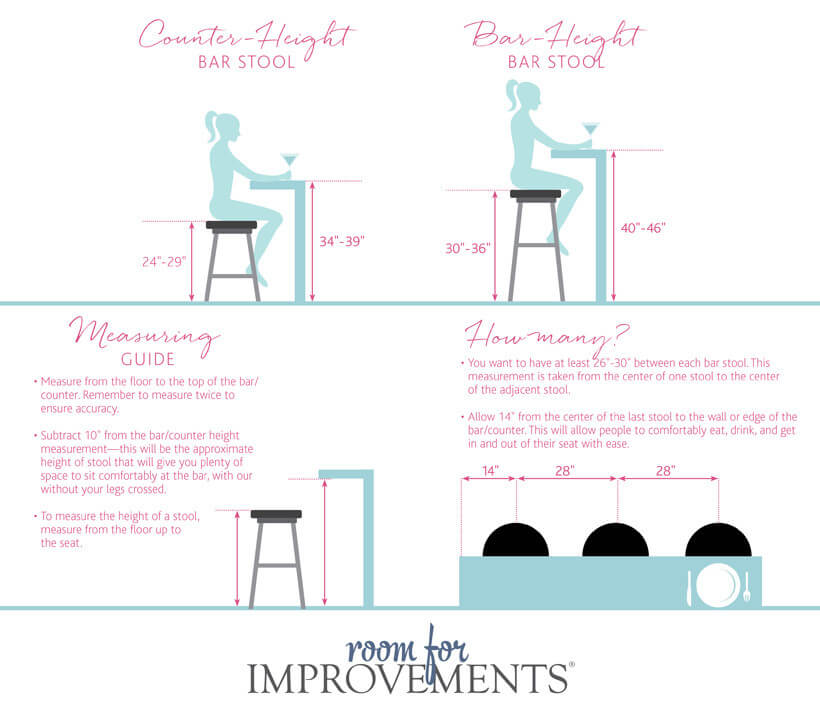
Image Source: www.signaturekab.com
Deciphering Kitchen Island Height Essentials
The countertop height for islands is arguably the most critical aspect to consider. It dictates the ergonomics of your kitchen and influences the type of seating you can incorporate.
Standard Kitchen Island Dimensions and Their Impact
When discussing standard kitchen island dimensions, we often refer to the height. Most kitchen cabinets are built to a standard height of 34.5 inches. When a countertop is added, the total kitchen island height vs cabinet height typically falls within the 35 to 36-inch range. This standard height is practical for several reasons:
- Comfortable for Food Preparation: It aligns with the height of most standard kitchen countertops, making food prep activities seamless and ergonomic. You won’t have to bend too low or stretch too high while chopping vegetables or mixing ingredients.
- Accessibility: This height is generally comfortable for most adults to work at.
- Appliance Integration: Many standard-height appliances, like dishwashers and microwaves, are designed to fit within this range.
Kitchen Island Workspace Height: The Backbone of Your Culinary Hub
The primary function of many kitchen islands is to provide an extended workspace. Therefore, the kitchen island workspace height is paramount. An ergonomic design ensures comfort and efficiency during cooking and baking.
- Ergonomic Kitchen Island Height: This refers to a height that minimizes strain on your body. For most people, a countertop height between 34 and 36 inches is ideal for standing tasks like chopping, kneading dough, or plating food. This range allows you to maintain a neutral wrist position and avoid hunching over.
- Consider Your Own Height: While standard heights are useful, personalizing your island’s height to your own stature can significantly enhance comfort. If you are particularly tall or short, you might consider a custom height. For instance, a taller individual might find a 37-inch height more comfortable for extensive prep work.
Seating and Dining: Elevating Your Island Experience
Beyond the workspace, the height of your island often determines its secondary function as a dining or socializing area. This brings us to island seating height and bar stool height for kitchen island.
Island Seating Height: Comfort for Conversation and Casual Meals
When incorporating seating, the island’s height needs to be considered in conjunction with the seating itself.
- Counter-Height Islands: Islands that stand around 36 inches high are perfect for counter-height stools. These stools typically have a seat height of 24-26 inches, allowing for comfortable dining and conversation at the island. This height is versatile and can serve as a breakfast bar or a casual dining space.
- Bar-Height Islands: For a more bar-like feel, a raised kitchen island height of 40-42 inches is common. This higher counter is designed to be paired with bar stools that have a seat height of 30-32 inches. This elevated design creates a distinct separation between the workspace and the seating area, offering a more formal bar experience.
Bar Stool Height for Kitchen Island: The Perfect Pairing
The relationship between your island height and your bar stool height is crucial for comfort and aesthetics.
- Counter-Height (36 inches): Pair with stools that have a seat height of 24-26 inches. Aim for about a 10-12 inch difference between the countertop and the stool seat.
- Bar-Height (40-42 inches): Pair with stools that have a seat height of 30-32 inches. Again, maintain that 10-12 inch gap.
- Table-Height (30 inches): While less common for islands, if your island is designed to be table-height, you would use standard dining chairs with a seat height of 18-20 inches.
Table 1: Island Height and Corresponding Seating Recommendations
| Island Height (inches) | Recommended Seating Type | Recommended Stool Seat Height (inches) | Purpose |
|---|---|---|---|
| 35-36 | Counter-Height Stools | 24-26 | Casual dining, breakfast bar, socializing |
| 40-42 | Bar-Height Stools | 30-32 | Bar seating, elevated dining, socializing |
| 30 | Dining Chairs | 18-20 | Less common for islands, more table-like |
Important Note: Always ensure there is sufficient legroom. A general rule of thumb is to have at least 6 inches of knee space between the edge of the counter and the stool’s structure.
Creating Zones: Multi-Level Islands
Some kitchens benefit from islands that incorporate multiple heights to serve different purposes. This is where you might see a dining height kitchen island section adjacent to a higher workspace.
Multi-Level Island Design: Functionality Meets Style
A multi-level island offers flexibility and can enhance the functionality of your kitchen.
- The Best of Both Worlds: You can have a lower section (around 36 inches) perfect for food preparation, and a higher section (around 40-42 inches) ideal for seating. This configuration keeps the prep area slightly out of sight from diners and provides a clear distinction between tasks.
- Aesthetic Appeal: Multi-level islands can add visual interest to your kitchen design, breaking up the monotony of a single flat surface.
- Considerations for Multi-Level: Ensure the transition between levels is smooth and safe. The overhang on the higher section should be sufficient for comfortable seating.
Beyond the Standard: Customizing Your Island Height
While standard kitchen island dimensions provide a helpful starting point, your unique needs might call for a custom approach.
When to Deviate from the Norm
- Exceptional Heights: If you or members of your household are significantly taller or shorter than average, adjusting the ergonomic kitchen island height can make a world of difference. For instance, a family with very tall members might opt for an island that is 38-40 inches high for comfortable prep. Conversely, a shorter individual might prefer a slightly lower workspace.
- Specialized Uses: If your island will primarily serve a specific function, such as a dedicated baking station or a craft area, you might adjust the height accordingly. A baking station might be slightly lower for easier kneading, while a crafting area might be higher if you plan to use tall chairs or stools.
- Visual Harmony: The height of your island should also complement the overall design of your kitchen and its surrounding elements, such as your cabinets and other countertops.
Kitchen Island Height vs Cabinet Height: A Closer Look
It’s important to remember that kitchen island height vs cabinet height isn’t always a direct comparison. While base cabinets are typically 34.5 inches, the island might have a thicker countertop, an integrated sink that raises the surface, or a specific design that dictates a different overall height.
- Countertop Thickness: A thick butcher block or stone countertop can add several inches to the overall island height. If your base cabinets are 34.5 inches, and you add a 2-inch thick countertop, your total height becomes 36.5 inches, which is still within the standard range for counter-height seating.
- Integrated Sinks: Sinks that are integrated into the countertop often maintain the countertop’s surface height. However, some undermount sinks can slightly alter the perceived working height.
- Toe Kick: The toe kick at the base of the cabinets is usually around 4-5 inches. This is factored into the overall cabinet height.
Factors to Consider When Choosing Your Island Height
To make the best decision, consider these key factors:
1. Primary Use of the Island
- Food Preparation: Prioritize an ergonomic kitchen island height that allows for comfortable chopping, mixing, and cooking. A 35-36 inch height is generally best.
- Dining/Eating: If the island will be a primary dining surface, consider a dining height kitchen island or a counter-height island with appropriate seating.
- Socializing/Gathering: A counter-height or bar-height island encourages guests to gather around and converse.
- Workspace/Hobby Area: For tasks like homework or crafts, a comfortable height that complements the seating is key.
2. Seating Preferences
- Type of Seating: Will you use stools, chairs, or no seating at all? This will directly influence the island’s height.
- Number of Seats: Ensure enough legroom and elbow room for each person seated at the island.
3. Household Members’ Heights
- Ergonomics for Everyone: If your household has a significant range in heights, consider a compromise height or a multi-level island. A 36-inch standard height is often a good middle ground.
4. Kitchen Layout and Flow
- Traffic Patterns: Ensure the island height doesn’t obstruct movement or create a hazard, especially around doorways or major walkways.
- Visual Balance: The island’s height should harmonize with the surrounding cabinetry, appliances, and ceiling height.
5. Material and Countertop Thickness
- Material Choice: The material of your countertop (e.g., granite, quartz, butcher block, concrete) can have varying thicknesses, impacting the final island height.
- Edge Profiles: Certain edge profiles might add a slight visual or actual height increase.
Frequently Asked Questions (FAQ)
Q1: What is the most common kitchen island height?
A1: The most common kitchen island height is between 35 and 36 inches, which aligns with standard countertop heights and is comfortable for most food preparation tasks and counter-height seating.
Q2: Can I have a kitchen island that is the same height as my base cabinets?
A2: While base cabinets are typically 34.5 inches, adding a countertop will increase this to around 36 inches. If you want a lower island, you would need to customize the base or use specialized components, but this is less common for functional islands.
Q3: What is the best height for a kitchen island with bar stools?
A3: For standard bar stools (30-32 inch seat height), a raised kitchen island height of 40-42 inches is ideal. For counter-height stools (24-26 inch seat height), a 36-inch island is best.
Q4: How much overhang should I have for island seating?
A4: For comfortable seating, aim for an overhang of at least 10-12 inches on the seating side of the island, regardless of height. This allows ample legroom for those seated.
Q5: Should my kitchen island height match my other countertops?
A5: It’s not strictly necessary for your island to match the exact height of other countertops if it serves a different primary purpose, like elevated bar seating. However, maintaining a similar aesthetic and functional range (e.g., within 35-40 inches) often creates a cohesive look.
Q6: What is the kitchen island workspace height for someone who is very tall?
A6: For very tall individuals, increasing the kitchen island workspace height to 38-40 inches can provide better ergonomics for food preparation.
Q7: Can a kitchen island have multiple heights?
A7: Yes, a multi-level island is a popular design choice. You can have a lower section for prep (around 36 inches) and a higher section for seating (around 40-42 inches), creating distinct functional zones.
By carefully considering these guidelines and your specific needs, you can ensure your kitchen island is not only a beautiful addition but also a perfectly functional and comfortable centerpiece for your home.