
Starting a restaurant involves many important decisions, and a big one is figuring out the cost of kitchen equipment. The total cost for a new restaurant kitchen setup can range from $20,000 to over $250,000, depending on the size, cuisine, and whether you buy new or used equipment. This guide will help you explore the various factors that influence these costs, from essential appliances to smaller supplies, and offer tips for managing your small restaurant kitchen equipment budget.
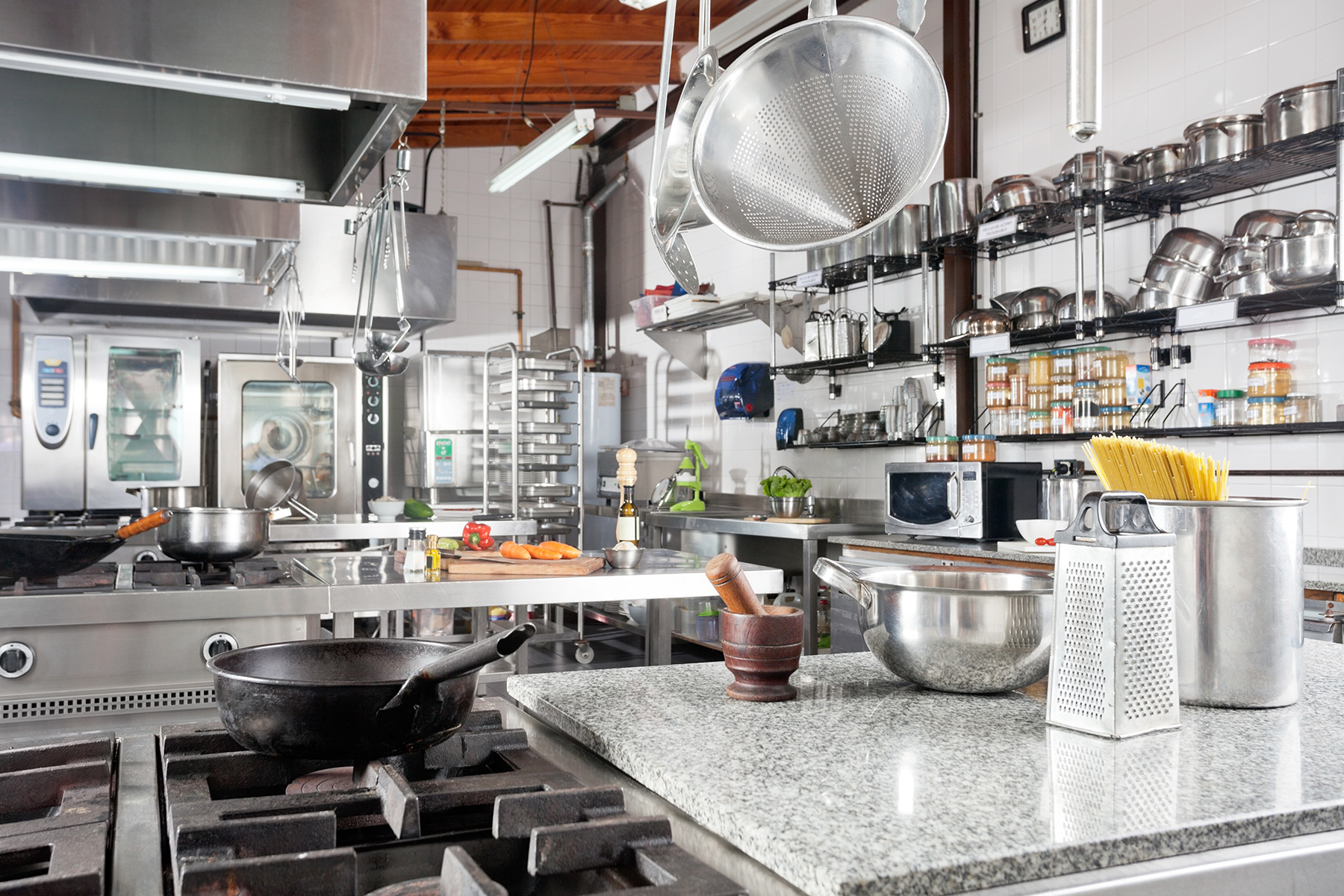
Image Source: www.samtell.com
Deciphering Restaurant Kitchen Equipment Prices
When you’re planning a restaurant, the kitchen is the heart of the operation. Getting the right equipment is crucial for efficiency and success. Let’s break down what goes into the cost of professional kitchen appliances and other essential items.
Essential Cooking Equipment
These are the workhorses of any kitchen.
Ranges and Cooktops
- Commercial Gas Range: Prices can vary from $1,500 for a basic four-burner model to $8,000 or more for a heavy-duty unit with an oven and griddle.
- Commercial Electric Range: Similar pricing to gas, but electric models might have slightly higher upfront costs for higher-end units.
- Induction Cooktops: These are more energy-efficient and offer precise temperature control. Expect to pay between $500 for a portable unit and $5,000+ for a built-in commercial cooktop.
Ovens
- Convection Oven: Essential for even baking and roasting, these can range from $1,000 for a half-size model to $10,000 for a large, multi-deck unit.
- Deck Oven: Ideal for pizzas and bread, prices start around $2,000 and can go up to $15,000 for specialized models.
- Combination Oven (Combi Oven): These ovens can steam, bake, and roast. They are a significant investment, typically costing between $5,000 and $25,000.
- Microwave Oven: Commercial-grade microwaves are built for durability and speed. They typically cost between $300 and $1,000.
Grills, Griddles, and Fryers
- Commercial Griddle: A flat-top grill can cost from $500 for a tabletop model to $4,000 for a large, heavy-duty unit.
- Charbroiler: For that grilled flavor, expect prices from $800 to $5,000.
- Deep Fryer: Single or double basket fryers can range from $500 to $3,000. Multiple units or specialized fryers can increase this cost.
Refrigeration and Storage
Keeping food fresh and properly stored is vital.
Refrigerators and Freezers
- Reach-In Refrigerator/Freezer: These are the most common. A single-door unit can cost between $1,000 and $3,000, while a double-door or specialized unit can be $3,000 to $8,000.
- Walk-In Cooler/Freezer: These are large, custom-built units. The industrial kitchen equipment investment for a walk-in can range from $5,000 to $20,000 or more, depending on size, insulation, and features. Installation can add significantly to this.
- Undercounter Refrigerators/Freezers: Useful for prep areas, these typically cost $700 to $2,000 each.
Prep Tables and Workstations
- Stainless Steel Worktables: Essential for food prep. Prices range from $200 for a basic table to $1,000 for larger or specialized units with shelves.
- Cutting Boards: Durable, food-safe cutting boards are a must. You can find them for $20 to $100 each.
Food Preparation Equipment
These tools make the cooking process smoother.
Mixers
- Commercial Stand Mixer: For doughs and batters, prices start around $500 for a small 20-quart mixer and can go up to $5,000 for larger, heavy-duty models.
- Hand Mixer: Basic commercial hand mixers are generally less expensive, costing $50 to $300.
Slicers and Choppers
- Commercial Food Slicer: For precise slicing of meats and cheeses, these can cost $500 to $2,500.
- Food Processors: Versatile for chopping, pureeing, and mixing. Commercial models are typically $300 to $1,500.
Ventilation and Safety
Crucial for a safe and compliant kitchen environment.
Ventilation Systems
- Commercial Exhaust Hoods: These are mandatory for most cooking equipment. The cost depends on size and complexity, ranging from $1,000 to $10,000 or more, plus installation.
- Fire Suppression Systems: Essential for safety and often legally required. These systems can cost $2,000 to $8,000 or more.
Safety Equipment
- Fire Extinguishers: Required for different types of fires. Expect $50 to $200 each.
- First Aid Kits: Essential for any workplace, costing $30 to $100.
Warewashing and Sanitation
Keeping dishes and the kitchen clean.
Dishwashers
- Commercial Dishwasher: Under-counter, conveyor, or door-type dishwashers can cost from $1,000 for a basic under-counter model to $10,000+ for high-volume conveyor units.
- Three-Compartment Sink: A standard requirement for manual dishwashing. These can cost $500 to $2,000.
Sinks and Faucets
- Handwashing Sinks: Required in various locations, these typically cost $200 to $500.
- Commercial Faucets: Durable and built for heavy use, these can range from $100 to $400.
Smallwares and Utensils
These are the everyday tools of the trade.
- Pots and Pans: A set of quality commercial pots and pans can cost $500 to $2,000.
- Knives and Cutting Tools: A good set of chef’s knives and other blades is an investment, costing $200 to $1,000.
- Utensils (Spoons, Spatulas, Whisks): These add up. Budget $200 to $800 for a good selection.
- Measuring Cups and Spoons: Essential for recipe accuracy. Cost $50 to $200.
- Storage Containers: Food-grade containers for ingredients and leftovers. Budget $100 to $500.
Factors Influencing Total Restaurant Kitchen Equipment Cost
The new restaurant kitchen setup cost is not just about the big-ticket items. Several other factors come into play.
Size of the Kitchen and Restaurant
A larger kitchen naturally requires more equipment. The number of seats in your restaurant also dictates the volume of food you’ll need to prepare, influencing the size and capacity of your appliances.
Type of Cuisine
- Fine Dining: Might require specialized ovens, sous vide equipment, and high-end finishing tools.
- Pizza Restaurant: Needs deck ovens, pizza peels, dough mixers, and pizza cutters.
- Fast Food: Relies heavily on fryers, charbroilers, and high-capacity holding equipment.
- Bakery: Demands professional mixers, proofers, large ovens, and extensive prep surfaces.
New vs. Used Restaurant Kitchen Equipment Pricing
This is a major decision that significantly impacts your startup restaurant kitchen equipment expenses.
New Equipment
- Pros: Comes with warranties, latest technology, pristine condition, and peace of mind.
- Cons: Higher upfront cost.
Used Equipment
- Pros: Significantly lower prices, can stretch your small restaurant kitchen equipment budget, readily available.
- Cons: No warranty (usually), potential for wear and tear, may require repairs, might not have the latest features.
- Where to find: Restaurant auctions, used equipment dealers, online marketplaces. Used restaurant kitchen equipment pricing can be 30-70% less than new.
Restaurant Equipment Leasing Costs
Leasing is an alternative to outright purchase, offering flexibility.
- Pros: Lower upfront costs, predictable monthly payments, easier to upgrade equipment as your business grows.
- Cons: You don’t own the equipment, long-term leasing can be more expensive than buying.
- Leasing costs: Vary widely based on the equipment’s value and lease term, but expect to pay 1-5% of the equipment’s value per month.
Installation and Utilities
Don’t forget the costs associated with getting equipment set up and running.
- Plumbing: For sinks, dishwashers, and ice machines.
- Electrical: For ovens, mixers, and fryers. Heavy-duty equipment often requires special wiring.
- Gas Lines: For gas ranges, ovens, and fryers.
- Ventilation Installation: As mentioned, this can be a substantial cost.
Permits and Inspections
Local health departments and building codes often require permits for kitchen installations, especially for ventilation and plumbing. These can add to your overall restaurant kitchen supply costs.
Creating a Budget for Your Restaurant Kitchen
A well-planned budget is your roadmap.
Step 1: List All Necessary Equipment
Go through each category (cooking, refrigeration, prep, warewashing, ventilation, smallwares) and list every item you will need. Be specific about capacity and type.
Step 2: Research Costs
Get quotes for both new and used equipment from multiple suppliers. Don’t forget to factor in shipping and installation.
Step 3: Prioritize
If your budget is tight, prioritize essential items that are critical for your core menu. You can always upgrade or add items later. For example, a high-quality oven might be more critical than a high-end food processor initially.
Step 4: Factor in a Contingency Fund
It’s wise to set aside 10-20% of your total equipment budget for unexpected expenses.
Sample Kitchen Equipment Budget Breakdown (Example for a Small Cafe)
This is a simplified example and actual costs will vary significantly.
| Category | New Equipment Estimate | Used Equipment Estimate | Notes |
|---|---|---|---|
| Cooking | |||
| Commercial Range (4-burner with oven) | $2,500 | $1,000 | Essential for many dishes. |
| Commercial Griddle | $1,000 | $500 | Good for breakfast and sandwiches. |
| Deep Fryer (1 basket) | $800 | $400 | For fries and other fried items. |
| Refrigeration | |||
| Reach-In Refrigerator | $1,500 | $700 | For fresh ingredients. |
| Undercounter Freezer | $900 | $400 | For frozen goods and ice. |
| Preparation | |||
| Stainless Steel Worktable | $400 | $200 | Multiple needed for prep. |
| Commercial Food Slicer | $700 | $350 | For slicing meats and cheeses. |
| Commercial Mixer (20 qt) | $1,000 | $500 | For baking and sauces. |
| Warewashing | |||
| Commercial Dishwasher | $2,000 | $1,000 | Saves time and labor. |
| Three-Compartment Sink | $800 | $400 | Health code requirement. |
| Handwashing Sink | $300 | $150 | Multiple needed. |
| Ventilation | |||
| Exhaust Hood (basic) | $2,000 | $1,000 | Installation separate. |
| Smallwares | |||
| Pots, Pans, Utensils | $800 | $400 | Essential tools. |
| Knives and Cutting Boards | $300 | $150 | Quality is important here. |
| Storage Containers | $200 | $100 | For organization. |
| SUBTOTAL (New) | $13,200 | ||
| SUBTOTAL (Used) | $6,750 | ||
| Contingency (15%) | $1,980 | $1,013 | For unforeseen costs. |
| ESTIMATED TOTAL (New) | $15,180 | ||
| ESTIMATED TOTAL (Used) | $7,763 |
This example shows a significant difference between buying new and used for even a small setup. Your startup restaurant kitchen equipment expenses will scale up rapidly with a larger operation.
Tips for Managing Your Restaurant Kitchen Equipment Costs
Buy Used When Possible
As seen in the budget example, buying used can save a substantial amount. Focus on reputable dealers who often refurbish used equipment.
Lease or Rent Specialty Equipment
If you only need certain equipment for a short period or infrequently, consider leasing or renting.
Negotiate Prices
Don’t be afraid to negotiate with suppliers, especially when buying multiple items.
Consider Package Deals
Some suppliers offer package deals for new restaurants that can provide cost savings.
Focus on Durability and Efficiency
While initial cost is important, consider the long-term value. More energy-efficient appliances can save on utility bills. Durable equipment will last longer and require fewer repairs.
Get Multiple Quotes
Always shop around. Prices can vary significantly between different manufacturers and dealers.
Don’t Overbuy
Start with what you truly need for your initial menu and capacity. You can always expand your equipment inventory as your business grows. This is crucial for managing a small restaurant kitchen equipment budget.
Frequently Asked Questions (FAQ)
How much does a commercial kitchen cost to set up?
The new restaurant kitchen setup cost can vary from $20,000 for a very basic operation to over $250,000 for a full-service, high-volume restaurant with all new, high-end equipment.
What are the most expensive pieces of restaurant kitchen equipment?
Typically, the most expensive items are walk-in coolers/freezers, combi ovens, commercial dishwashers, and specialized cooking equipment like charbroilers or high-end ranges. The industrial kitchen equipment investment can be substantial for these core items.
Is it better to buy new or used restaurant kitchen equipment?
It depends on your budget and risk tolerance. Used equipment is cheaper but may require maintenance and lacks warranties. New equipment is more expensive but offers reliability and warranties. Many restaurateurs use a mix of both.
How much should I budget for smallwares?
For a new restaurant, a rough estimate for smallwares, utensils, and basic cookware can be anywhere from $1,000 to $5,000 or more, depending on the size and complexity of your operation. These are part of your overall restaurant kitchen supply costs.
What are common hidden costs of restaurant kitchen equipment?
Hidden costs can include installation fees (plumbing, electrical, gas), permits, delivery charges, and the cost of initial repairs or maintenance for used equipment.
Can I get financing for restaurant kitchen equipment?
Yes, many lenders offer financing or leasing options specifically for restaurant equipment. This can help manage startup restaurant kitchen equipment expenses.
Opening a restaurant is a complex undertaking, and accurately budgeting for kitchen equipment is a critical step. By carefully researching restaurant kitchen equipment prices, considering your specific needs, and exploring all your options—from new to used, purchase to lease—you can build a functional and efficient kitchen that supports your culinary vision without breaking the bank.