
What is the standard height of a kitchen island? The most common kitchen island height is 36 inches, which is considered standard counter height. However, this can vary depending on the intended use, whether it’s for food preparation, dining, or a combination of both.
Choosing the right height for your kitchen island is a crucial step in designing a functional and comfortable kitchen. It’s more than just an aesthetic choice; it directly impacts how you’ll use the space for everything from chopping vegetables to enjoying a casual breakfast. This comprehensive guide will delve into the various heights of kitchen islands, exploring standard dimensions, the benefits of different levels, and tips for making the best choice for your home.
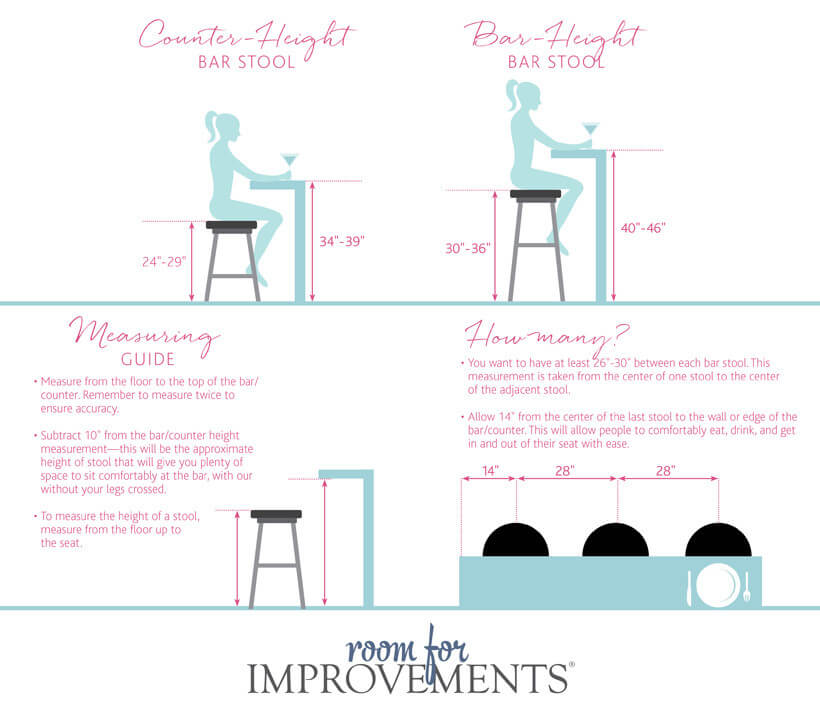
Image Source: www.signaturekab.com
Exploring the Dimensions: A Kitchen Island Height Guide
When planning your kitchen island, think about its primary roles. Is it mainly for prep work, a spot for quick meals, or a central gathering place? The answers to these questions will guide you toward the most suitable kitchen island height guide.
Standard Kitchen Island Height: The 36-Inch Sweet Spot
The most frequently seen standard kitchen island height is 36 inches. This height aligns perfectly with standard countertop heights in most kitchens, making it seamless to integrate with your existing cabinetry.
- Why 36 inches is so popular:
- Ergonomics for Prep: It’s comfortable for most adults to stand and work at, reducing strain on the back and arms while chopping, mixing, or kneading.
- Seamless Integration: It matches standard counter heights, allowing for a cohesive look and feel throughout your kitchen.
- Versatility: While primarily for prep, it can also serve as a casual dining spot with the right seating.
Counter Height Kitchen Island: Blending Functionality
A counter height kitchen island is essentially the same as the standard 36-inch island. It’s designed to be at the same level as your main kitchen countertops, providing a continuous workspace and a natural extension of your kitchen’s functionality.
- Benefits of a counter height island:
- Uninterrupted Workspace: Ideal for tasks requiring a large, flat surface.
- Easy Transition: Makes it simple to move ingredients and tools from your main counters to the island.
- Social Hub: Guests can gather around and chat with the cook without feeling too elevated or too low.
Bar Height Kitchen Island: Elevating the Experience
Moving up the scale, we find bar height kitchen island options, typically around 42 inches tall. These islands are designed to accommodate bar stools and create a more distinct dining or social area.
- Key features of bar height islands:
- Dedicated Seating: Perfect for informal dining, breakfasts, or entertaining.
- Clear Separation: Visually separates the kitchen from adjacent living or dining areas.
- Higher Countertops: Can sometimes offer additional storage space underneath due to the increased height.
Seating Height Kitchen Island: Comfort for Gatherings
When we talk about a seating height kitchen island, we’re often referring to islands that are specifically designed for people to sit at comfortably. This can encompass both counter height (36 inches) with stools and bar height (42 inches) with bar stools. However, it also opens the door to intermediate heights.
- Intermediate Seating Heights:
- 30-32 inches: This is more akin to dining table height. If your island is intended for more formal dining or as a place where children can do homework, this height can be more comfortable for extended periods. You would use standard dining chairs with this height.
- Consideration: If opting for dining height, ensure you have adequate clearance for chairs to be pulled out.
Deciphering Kitchen Island Dimensions: Beyond Height
While height is crucial, other kitchen island dimensions play a significant role in its usability and overall fit within your kitchen.
Typical Kitchen Island Measurements: Width and Depth
- Width: This can vary greatly, from a narrow 24-inch wide island to a substantial 60 inches or more. The width is often dictated by the available space and the desired functionality. A wider island provides more workspace and seating potential.
- Depth: Standard kitchen cabinet depth is 24 inches. For an island, you might see depths of 25-30 inches to accommodate countertop overhangs or a more robust structure.
Counter Depth for Kitchen Island: Allowing for Overhang
The counter depth for kitchen island is important for both aesthetics and practicality. A standard countertop is typically 25 inches deep (including the cabinet box and countertop thickness). However, islands often feature an overhang to allow for seating or a more refined look.
- Seating Overhang: For counter height (36 inches) or bar height (42 inches), an overhang of 10-15 inches is usually recommended for comfortable seating. This allows ample legroom for those sitting at the island.
- Working Overhang: A standard 1-inch countertop overhang is common for prep surfaces.
Custom Kitchen Island Height: Tailoring to Your Needs
While standard heights are convenient, a custom kitchen island height offers the ultimate flexibility to match your specific needs and preferences.
When to Consider Custom Heights
- Specific Cooking Styles: If you do a lot of baking that requires extensive rolling of dough, a slightly lower height (around 30-34 inches) might be more comfortable.
- Mixed-Height Islands: Some homeowners opt for a multi-level island, with one section at counter height for prep and another at bar height for seating. This creates distinct zones within the island.
- Accessibility: For individuals with mobility issues or those who use wheelchairs, a custom height can ensure comfortable and easy access for food preparation and dining.
- Children’s Use: If your children frequently use the island for homework or crafts, a height that is comfortable for them, perhaps closer to dining table height, might be beneficial.
Planning Your Custom Height
When planning a custom height, always consider the accompanying seating.
- Island Height vs. Seating Clearance:
- Counter Height (36 inches): Requires 24-26 inches of clearance per person and 12-15 inches of seating overhang. Standard counter stools are suitable.
- Bar Height (42 inches): Requires 24-26 inches of clearance per person and 15-18 inches of seating overhang. Bar stools are needed.
- Dining Height (30 inches): Requires 30 inches of clearance per person and a seating overhang of 10-12 inches is generally comfortable. Dining chairs are used.
Table: Recommended Seating Clearance and Overhang by Island Height
| Island Height (inches) | Seating Clearance per Person (inches) | Seating Overhang (inches) | Suitable Seating |
|---|---|---|---|
| 30 | 30 | 10-12 | Dining Chairs |
| 36 | 24-26 | 12-15 | Counter Stools |
| 42 | 24-26 | 15-18 | Bar Stools |
The Kitchen Island Work Surface Height: Balancing Preparation and Dining
The kitchen island work surface height is a critical consideration. It needs to be comfortable for preparing food but also adaptable for other uses.
Factors Influencing Work Surface Height
- User Height: Taller individuals may prefer a slightly higher work surface, while shorter individuals might find a lower surface more comfortable.
- Task Focus: If the island is primarily for heavy-duty prep work, a height that minimizes bending is ideal. If it’s more for casual dining, a height that matches dining tables might be preferred.
- Aesthetics: The overall visual balance of the island within the kitchen can influence height choices.
Mixed-Height Islands: The Best of Both Worlds
A popular solution for diverse needs is a mixed-height island. This can involve:
- A Lower Prep Area: Often at 30-34 inches, this area is perfect for tasks like kneading dough or rolling out pastries.
- A Higher Dining/Serving Area: This section can be at counter height (36 inches) or bar height (42 inches) to accommodate stools or provide a more elevated serving surface.
This approach maximizes the island’s utility, catering to different activities and user preferences within a single piece of furniture.
Practical Tips for Choosing Your Island Height
When making your decision, consider these practical tips:
Test Before You Commit
- Mock-Up: If possible, use boxes or temporary materials to create a mock-up of your desired island height in your kitchen. Stand at it, place items on it, and imagine working or dining there.
- Visit Showrooms: Spend time at kitchen showrooms. Stand at various island heights and sit on different stools to get a feel for what’s comfortable.
Think About Your Seating
- Stool Height: Ensure your chosen stools complement the island height. There should be enough legroom under the overhang and sufficient space between the seat and the countertop for comfortable sitting.
- Seating Quantity: If you plan to seat multiple people, ensure the width and depth of the island provide adequate space per person.
Consider the Overall Kitchen Flow
- Traffic Paths: Ensure the island’s height doesn’t impede traffic flow around it. Maintain sufficient clearance between the island and surrounding cabinets or walls (at least 36-42 inches is recommended).
- Visual Harmony: The island’s height should integrate well with the height of your other countertops and cabinets.
Future-Proofing Your Design
- Resale Value: While a custom height can be perfect for you, consider if it might be a deterrent for future buyers. Standard heights often appeal to a broader audience.
- Changing Needs: Think about how your needs might change over time. If you anticipate hosting more, or if family dynamics shift, a versatile height might be a wise choice.
Frequently Asked Questions About Kitchen Island Heights
What is the ideal height for a kitchen island with seating?
The ideal height for a kitchen island with seating depends on the type of seating you prefer. For counter stools, a 36-inch island is standard, providing a comfortable seating height. For bar stools, a 42-inch island is recommended. If you plan to use dining chairs, an island height of around 30 inches is best.
Can I have a kitchen island with two different heights?
Yes, absolutely! Many modern kitchens feature multi-level islands, with one section at counter height for food preparation and another section at bar height for casual dining or socializing. This offers great flexibility and visual interest.
How much space do I need for seating at a kitchen island?
For comfortable seating, aim for about 24-26 inches of width per person at a counter height (36-inch) island, and a 12-15 inch overhang for legroom. For bar height (42-inch) islands, the width per person remains similar, but the overhang should be 15-18 inches.
Does the thickness of my countertop affect the island’s final height?
Yes, the thickness of your countertop material will add to the overall height of your island. Standard countertops are typically 1.5 inches thick, but some materials like thick marble or concrete can be 2 inches or more, so factor this into your calculations, especially when matching existing counter heights.
What is the minimum recommended clearance around a kitchen island?
The minimum recommended clearance around a kitchen island is 36 inches for walkways. However, 42-48 inches is ideal, especially if the island is a high-traffic area or if you have appliances like ovens or dishwashers that need to be opened on the sides of the island.
By carefully considering these dimensions and tips, you can select or design a kitchen island that is not only beautiful but also perfectly suited to your lifestyle and cooking habits.