
Can you keep your dog out of the kitchen? Yes, you can! With the right tools and training, you can establish clear kitchen boundaries for your dog. This guide will walk you through effective strategies to manage your pet and prevent unwanted kitchen visits.
The kitchen is often a hub of activity and, for many dogs, a source of tantalizing smells and potential dropped treats. Keeping your furry friend out of this area can be a challenge, especially if they are prone to counter surfing or scavenging. This comprehensive guide will explore various pet management solutions to help you successfully implement kitchen boundaries. We’ll cover everything from physical barriers to behavioral training, ensuring a more harmonious living environment for both you and your canine companion.
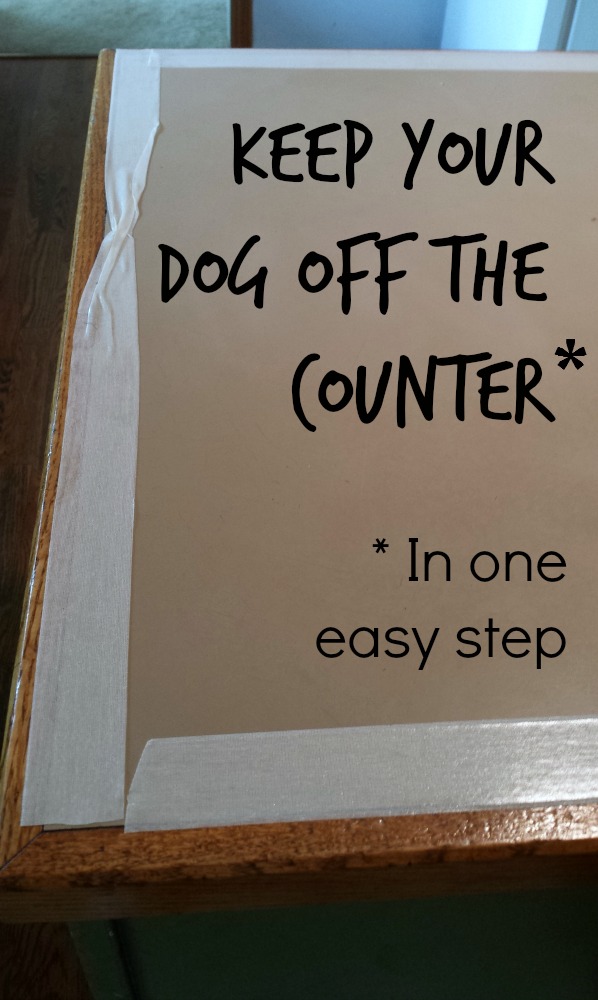
Image Source: www.makesomethingdaily.com
Setting Up Your Defense: Physical Barriers
When aiming to keep dogs out of specific areas, physical barriers are often the first line of defense. They provide an immediate and clear signal to your dog that a certain space is off-limits.
The Mighty Kitchen Gate
A kitchen gate is a staple for many dog owners looking to restrict access. These gates are designed to be sturdy and tall enough to prevent most dogs from jumping over.
Types of Kitchen Gates:
- Pressure-Mounted Gates: These are typically easy to install and remove without drilling. They use pressure to stay in place. While convenient, they might not be suitable for particularly strong or persistent dogs, as they can sometimes be knocked over.
- Hardware-Mounted Gates: These gates require drilling into walls or door frames for a more secure installation. They are generally sturdier and are a better choice for larger dogs or areas where a gate might experience significant pressure. Many hardware-mounted gates also offer dual swing options, allowing you to open them inwards and outwards, which can be very convenient.
- Extra-Wide Gates: If your kitchen doorway is particularly wide, you’ll need an extra-wide gate to ensure complete coverage. These gates often come with extension panels for a customizable fit.
The Versatile Baby Gate for Dogs
Many parents find that their baby gate for dogs serves a dual purpose perfectly. These gates are designed with safety and security in mind, making them robust enough for canine use.
Choosing the Right Baby Gate:
When selecting a baby gate for your dog, consider the following:
- Height: Ensure the gate is tall enough to prevent your dog from jumping over it. For larger breeds or agile jumpers, a taller gate is essential.
- Width: Measure your doorway or hallway to ensure the gate will fit securely. Look for gates that come with adjustable width options or extension kits.
- Material: Metal gates are generally more durable and easier to clean than plastic ones. Wooden gates can also be a good option, but check for potential chewing damage.
- Durability: Read reviews and choose a gate known for its sturdiness. A wobbly gate won’t be an effective deterrent.
Creative Barrier Solutions
Beyond traditional gates, you can get creative with dog proofing the house.
DIY and Alternative Barriers:
- Temporary Fencing: For short-term needs or if you’re trying out a new strategy, you might consider using lightweight pet exercise pens or temporary fencing to block off the kitchen entrance.
- Furniture Arrangement: Strategically placing furniture can sometimes create a barrier. For example, placing a sturdy bench or a large plant pot in front of a kitchen entrance can discourage a dog from entering.
- Closed Doors: The simplest solution, of course, is to keep the kitchen door shut. This is often the most effective method if your dog is a persistent opener of gates or a jumper. Ensure your dog doesn’t have the ability to nudge doors open with their nose or paws.
Training Your Dog: Building Good Habits
Physical barriers are excellent, but they are only part of the solution. Teaching your dog that the kitchen is off-limits through training is crucial for long-term success. This involves clear communication and rewarding desired behavior.
The Power of Positive Reinforcement Training
Positive reinforcement training is about rewarding your dog for good behavior, making them more likely to repeat it. For keeping a dog out of the kitchen, this means rewarding them for staying in their designated area or for ignoring the allure of the kitchen.
How to Apply Positive Reinforcement:
- Reward Calmness: When your dog is calmly lying down or playing in their area while you are in the kitchen, offer praise and a small, high-value treat.
- Teach a “Stay” or “Place” Command: Train your dog to go to a specific spot (like a mat or bed) and stay there. Reward them generously for holding their position. Practice this with you in the kitchen and gradually increase the duration.
- Redirect Unwanted Behavior: If your dog attempts to enter the kitchen, gently redirect them back to their designated spot. When they comply, reward them.
Off-Limits Training: Making it Clear
Off-limits training is about clearly communicating to your dog that certain areas are not for them. Consistency is key here.
Implementing Off-Limits Training:
- Verbal Cues: Use a clear, firm but not angry, verbal cue like “Off” or “Out” if your dog tries to enter the kitchen without permission.
- Leash Guidance: If your dog is struggling to stay out, keep them on a leash when you are in the kitchen. Gently guide them back to their spot if they try to enter. Reward them for staying put.
- Consistency is Crucial: Every member of the household must enforce the kitchen boundaries. Inconsistency will confuse your dog and make training more difficult.
Discouraging Counter Surfing
Preventing counter surfing is a common goal for kitchen-bound dogs. This behavior is usually driven by the temptation of food left on countertops.
Strategies for Preventing Counter Surfing:
- Never Feed from the Counter: Do not give your dog food scraps directly from the counter. This reinforces the idea that the counter is a place to get food.
- Keep Counters Clear: The best defense is to remove the temptation. Keep food, dirty dishes, and anything else enticing out of reach.
- Make Counters Unappealing: You can use items that make the counter surface less attractive to your dog. Some people use double-sided tape or aluminum foil for a few days. The texture and sound can deter them.
- Use a Deterrent (Carefully): A dog deterrent spray can be used on countertops. These sprays are typically made with bitter-tasting, non-toxic ingredients. Always test a small, inconspicuous area of your countertop first to ensure it doesn’t cause damage or staining. Spray it on the edges or areas your dog tends to target. It’s important to use this in conjunction with positive reinforcement, not as a standalone solution.
Beyond Barriers and Commands: Environmental Management
Sometimes, managing the environment itself can be just as effective as using physical barriers or training. It’s about making the kitchen less appealing and providing alternatives for your dog.
Creating an Appealing “Dog Zone”
Make your dog’s designated area more attractive than the kitchen.
Making Their Space Inviting:
- Comfortable Bedding: Ensure your dog has a soft, comfortable bed or mat to relax on.
- Engaging Toys: Provide a variety of chew toys or puzzle toys that can keep your dog entertained and mentally stimulated.
- Fresh Water: Always have a bowl of fresh water available for your dog in their designated area.
- Proximity: If possible, set up their comfortable space in a room where they can still see and interact with you, even if they can’t enter the kitchen. This can reduce their desire to push boundaries.
Addressing the Root Cause: Boredom and Hunger
Dogs often seek out the kitchen due to boredom, hunger, or anxiety.
Tackling Underlying Issues:
- Adequate Exercise: Ensure your dog gets enough physical activity. A tired dog is a well-behaved dog. A good walk or play session before you start cooking can make a big difference.
- Mental Stimulation: Puzzle feeders, scent games, and training sessions can help keep your dog mentally engaged and less likely to look for excitement in the kitchen.
- Feeding Schedule: Make sure your dog is on a regular feeding schedule and is not overly hungry when you are preparing food. If they are, consider giving them a small, healthy snack in their designated area before you start cooking.
Using Specialized Tools: Dog Deterrent Spray
A dog deterrent spray can be a helpful tool in your arsenal, but it needs to be used correctly and ethically.
How Dog Deterrent Sprays Work:
These sprays typically have a scent or taste that is unpleasant to dogs but harmless. When sprayed on surfaces, they create a negative association with that area.
Effective Use of Deterrent Sprays:
- Targeted Application: Apply the spray to surfaces your dog is attempting to access, such as kitchen counters or cabinet edges, only after consulting product instructions and ensuring it’s safe for your surfaces.
- Combine with Training: A deterrent spray should complement your training efforts, not replace them. Your dog needs to learn that the kitchen is off-limits through positive methods as well.
- Consistency and Reapplication: You will likely need to reapply the spray periodically, as the scent can fade. Be consistent with its use.
- Observe Your Dog: Watch your dog’s reaction. If they show signs of distress or are overly sensitive to the spray, discontinue use and explore other methods.
Troubleshooting Common Kitchen Boundary Issues
Even with the best efforts, you might encounter challenges. Here are some common problems and how to solve them.
The Determined Escape Artist
Some dogs are incredibly persistent and will try to find ways around gates or ignore training.
Strategies for Persistent Dogs:
- Upgrade Your Gate: If your dog is a jumper or a digger, you may need a taller, heavier-duty gate, potentially one that requires hardware mounting.
- Reinforce Training: Go back to basics with your positive reinforcement training. Practice “stay” and “leave it” commands with increased rewards.
- Management, Not Just Training: Sometimes, for certain dogs, constant management with closed doors or very secure gates is necessary.
Accidental Reinforcement
It’s easy to accidentally reinforce the behavior you’re trying to stop.
Avoiding Accidental Reinforcement:
- No Food Scraps: Never drop food, even accidentally, into your dog’s reach while they are in the kitchen. Clean up spills immediately.
- Consistent Cues: Ensure everyone in the house uses the same commands and responses. A dog getting a treat from one person and being scolded by another will become confused.
Blocked Kitchen Access: A Multi-faceted Approach
Blocking kitchen access effectively often requires a combination of strategies.
Combining Methods for Success:
- Gate + Positive Reinforcement: Use a sturdy kitchen gate or baby gate for dogs, and reward your dog for staying in their designated area.
- Environmental Management + Training: Keep counters clear, use a dog deterrent spray if necessary, and practice off-limits training.
- Exercise + Engagement: Ensure your dog is physically and mentally tired so they are less likely to seek entertainment in the kitchen.
Maintaining Kitchen Boundaries Long-Term
Once you’ve established kitchen boundaries, maintaining them is key to preventing regression.
Consistency is Your Best Friend
- Routine: Stick to your established routines for feeding, exercise, and training.
- All Family Members: Ensure everyone in the household is on board with the rules and follows them consistently.
- Guest Education: If you have guests, brief them on your dog’s kitchen rules to ensure they don’t inadvertently undermine your efforts.
Occasional Reinforcement
Even well-trained dogs can sometimes slip back into old habits.
Reinforcement Strategies:
- Check-Ins: Periodically reward your dog for calm behavior outside the kitchen, especially when you are in the kitchen.
- “What If” Scenarios: If you notice your dog showing interest in the kitchen again, proactively redirect them and reward them for good behavior.
Frequently Asked Questions (FAQ)
Q1: How tall does a dog gate need to be?
A1: The height of a dog gate depends on your dog’s breed and jumping ability. For most medium-sized dogs, a gate around 30-36 inches tall is usually sufficient. For larger or more athletic breeds, you might need a taller gate, upwards of 40 inches. Always err on the side of caution and choose a gate that your dog cannot easily jump over.
Q2: Can I use a baby gate for a very large dog?
A2: Yes, you can use a baby gate for dogs, but you’ll need to select one specifically designed for larger breeds or consider heavy-duty, hardware-mounted gates that are more robust. Standard lightweight baby gates might not be sturdy enough for a large, strong dog who might push or lean against them. Look for gates made from durable metal and with secure mounting hardware.
Q3: My dog keeps trying to get into the kitchen even with a gate. What else can I do?
A3: If a kitchen gate isn’t enough, consider combining it with other strategies. Ensure the gate is securely latched. You can also reinforce your off-limits training by rewarding your dog with treats and praise when they stay away from the gate. Puzzle toys or a long-lasting chew can also provide a distraction in their designated area. For persistent dogs, keeping the kitchen door closed might be the most effective solution.
Q4: Is dog deterrent spray safe for my dog and my kitchen surfaces?
A4: Most dog deterrent spray products are formulated with non-toxic ingredients that are safe for dogs when used as directed. However, it’s crucial to read the product label carefully and test it on an inconspicuous area of your kitchen surface first to ensure it doesn’t cause damage or staining. Always use these sprays as a supplement to training, not as the sole method.
Q5: How can I prevent my dog from jumping on kitchen counters?
A5: Preventing counter surfing requires removing temptation and making the behavior unrewarding. Keep your counters clean and free of food. Never feed your dog from the counter. You can make surfaces less appealing temporarily with items like aluminum foil or double-sided tape. Consistent training with “leave it” commands and rewarding your dog for keeping all four paws on the floor is also vital.
Q6: What are some effective ways to implement kitchen boundaries without constant supervision?
A6: To establish kitchen boundaries without constant supervision, rely on physical barriers like a sturdy kitchen gate or a properly secured baby gate for dogs. Environmental management, such as keeping the kitchen door closed, is also very effective. Combine these with consistent positive reinforcement training that teaches your dog to stay in their designated area, perhaps with engaging puzzle toys to keep them occupied.
By implementing these strategies, you can create a safe and orderly environment where your dog understands and respects the kitchen boundaries, leading to a more peaceful home for everyone.