
The ideal kitchen island height is generally between 36 and 38 inches from the floor to the top of the countertop. This range allows for comfortable working, dining, and socializing.
Choosing the right height for your kitchen island is a crucial step in designing a functional and comfortable kitchen. It’s not just about aesthetics; the ideal kitchen island height directly impacts how you use your space. A well-proportioned island can become the heart of your home, a versatile hub for cooking, dining, and gathering. Conversely, an island that’s too high or too low can lead to awkwardness and inefficiency. This comprehensive kitchen island height guide will delve into the factors that determine the perfect height for your needs, ensuring your kitchen island is both beautiful and supremely practical.
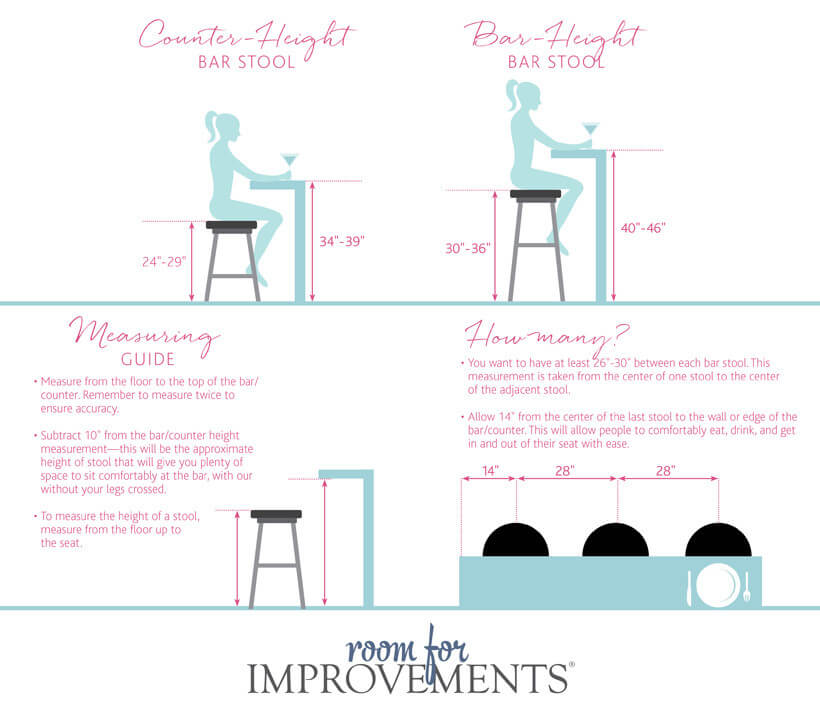
Image Source: www.signaturekab.com
Fathoming the Factors for Island Height
When you’re designing kitchen island dimensions, several key elements influence the ideal height. It’s a balancing act, considering ergonomics, the intended use of the island, and how it integrates with your existing kitchen layout.
Standard Kitchen Island Height: The Baseline
The standard kitchen island height for a countertop is typically 36 inches. This matches the standard height of most kitchen countertops in the United States, making it seamless to transition between prep areas. This height is excellent for food preparation, as it allows most adults to stand comfortably without excessive bending or reaching.
However, this is just a starting point. Many kitchens benefit from variations. For instance, if your island will also serve as a dining surface, you might consider a counter-height island (also 36 inches) or a bar-height island (around 42 inches).
Countertop Height for Kitchen Island: Beyond the Standard
The height of your countertop on the island is the most critical measurement. While 36 inches is the norm, consider these variations:
- Work Surface Height (30-32 inches): This is akin to a standard dining table height. It’s comfortable for seated activities like baking or homework. If your island will primarily be a baking station or a place for children to do crafts, this lower height can be beneficial.
- Counter Height (36 inches): This is the most common choice. It aligns with standard cabinet and countertop heights, making it ideal for food preparation and general use. It’s also a comfortable height for most people to stand and chat while you cook.
- Bar Height (40-42 inches): This height is specifically designed for bar stools and is perfect if your island will double as a casual dining spot or a breakfast bar. It provides a distinct separation and a more social atmosphere.
Seating Height for Kitchen Island: Accommodating Guests
The seating height for kitchen island depends entirely on the height of your island’s countertop. The general rule of thumb is to allow for 10-12 inches of knee clearance between the seat of the stool and the underside of the countertop.
Here’s a quick guide for stool selection based on island height:
| Island Countertop Height | Recommended Stool Seat Height | Knee Clearance |
|---|---|---|
| 30-32 inches (Table Height) | 18-20 inches | 12-14 inches |
| 36 inches (Counter Height) | 24-26 inches | 10-12 inches |
| 40-42 inches (Bar Height) | 30-32 inches | 10-12 inches |
When selecting stools, ensure there’s enough space for people to comfortably get in and out, and that the stools don’t feel too cramped. The width of the stool is also a factor in comfortable seating.
Designing Kitchen Island Dimensions: More Than Just Height
While height is paramount, other dimensions are equally important for a functional kitchen island size. These include depth and width, which contribute significantly to usability and workflow.
Kitchen Island Depth Recommendations: Allowing for Functionality
The kitchen island depth recommendations are driven by the functions the island will serve.
- Standard Single-Tiered Island (24-30 inches): This is the typical depth for an island that primarily houses cabinetry. A 24-inch depth is standard for base cabinets. Adding a countertop overhang of 10-12 inches for seating can bring the total depth to 34-36 inches. For single-level islands with seating, a depth of around 36 inches is often sufficient.
- Double-Tiered Island (36-42 inches): These islands have a higher section for seating and a lower section for work. The work surface might be 24-28 inches deep, with the seating area extending further out, sometimes incorporating a 12-15 inch overhang. The total depth can reach 42 inches or more to accommodate both.
- Islands with Appliances (36-42 inches): If your island will house appliances like a cooktop or sink, you’ll need extra depth. A cooktop typically requires at least 24 inches of cabinet depth, plus space for ventilation and countertop overhang. A sink and dishwasher will require a minimum of 24 inches for cabinets, plus space for plumbing and potential countertop overhang. Consider 36 inches as a minimum for islands with appliances.
A deeper island (over 36 inches) can offer more storage and a more substantial presence, but ensure it doesn’t obstruct essential walkways.
Kitchen Island Width Considerations: Balancing Space and Utility
The kitchen island width considerations are about providing adequate workspace and seating without making the kitchen feel cramped.
- Minimum Width (36 inches): A width of 36 inches is often considered the minimum for a functional island, allowing for a decent workspace and potentially a small overhang for casual seating.
- Standard Width (48-72 inches): Islands in this range offer a good balance of workspace, storage, and seating capacity. A 6-foot island can comfortably accommodate two or three people seated.
- Larger Kitchens (72 inches+): In expansive kitchens, wider islands can provide extensive prep areas, multiple seating spots, and even house larger appliances or specialized features like wine refrigerators.
Crucially, ensure there’s adequate clearance around the island. Aim for at least 36 inches of walkway space on all sides, with 42-48 inches being ideal for high-traffic areas or spaces where two people might pass each other.
The Concept of a Comfortable Kitchen Island Height
A comfortable kitchen island height is subjective and depends on the primary users of the kitchen. However, some general principles apply to ensure universal comfort.
Ergonomics in Kitchen Design
Ergonomics is the science of designing workspaces to fit the people who use them. In kitchen design, this translates to heights that minimize strain and maximize efficiency.
- Elbow Height: For food preparation, the ideal countertop height allows your elbows to be bent at a 90-degree angle when your hands are on the surface. This reduces shoulder and back strain.
- Reach: Consider the average height of the primary cooks. If there’s a significant height difference between partners, a multi-level island can cater to different needs.
Accommodating Different Users
- Varying Heights: If family members have vastly different heights, consider a tiered island. A lower section (e.g., 30 inches) can be perfect for baking or sitting activities, while a standard counter height (36 inches) serves as the main prep area.
- Children: For a family with young children, a slightly lower section can be a safe and accessible spot for them to help with cooking or enjoy snacks.
Creating a Functional Kitchen Island Size
The functional kitchen island size is one that supports your daily activities without becoming an obstacle. It’s about finding the sweet spot between ample workspace and efficient flow.
Workflow and Traffic Flow
- Clear Pathways: As mentioned, maintaining adequate clearance around the island is vital. This ensures smooth movement between the refrigerator, sink, and cooktop, and prevents the island from feeling like a barrier.
- Island Placement: The placement of the island should logically connect different zones of the kitchen. It shouldn’t block access to essential appliances or doorways.
Storage and Appliance Integration
- Cabinetry: The height of your island will influence the type and size of cabinetry you can install. Standard base cabinets are 34.5 inches tall, designed to fit under a 36-inch countertop with a typical 1.5-inch overhang.
- Appliances: If you plan to integrate appliances like a microwave drawer, dishwasher, or wine cooler into your island, ensure the island’s dimensions can accommodate them with proper ventilation and clearances. This often necessitates a deeper and wider island.
Exploring Versatile Kitchen Island Heights
Many modern kitchens benefit from islands that serve multiple purposes, and this often leads to a consideration of varied heights within a single island structure.
The Appeal of Multi-Level Islands
Multi-level islands offer a sophisticated solution for kitchens that need to cater to diverse activities.
- Work and Dine: A common configuration features a lower workspace (e.g., 36 inches) that transitions into a higher bar-height section (e.g., 42 inches) for seating. This provides a clear visual and functional separation between prep areas and dining spaces.
- Baking and Prep: Another popular design involves a lower baking station (around 30 inches) next to a standard counter-height prep area. This makes baking more comfortable for those who prefer to sit while working.
Bar Height Islands: Social Hubs
- Casual Dining: Bar-height islands (40-42 inches) are perfect for creating a casual dining spot. They encourage interaction and make it easy for guests to gather and chat with the cook.
- Stool Selection: The key to comfort here is selecting the right bar stools. Ensure they are the correct height and have sufficient legroom.
Practical Considerations for Your Kitchen Island
Beyond the measurements, a few practical points can elevate your island’s functionality and your overall kitchen experience.
Material and Thickness of Countertops
The material and thickness of your chosen countertop can slightly affect the final island height.
- Standard Overhang: Most countertops have a 1.5-inch thickness. This is factored into the 36-inch standard height (34.5-inch cabinet + 1.5-inch countertop).
- Thicker Materials: If you opt for thicker materials like granite or quartz slabs (e.g., 2 or 3 inches), remember to subtract that thickness from your base cabinet height to achieve your desired countertop height.
Electrical and Plumbing Needs
- Outlets: Plan for electrical outlets on or near your island. This is essential for using small appliances like mixers, blenders, or charging devices. The height of these outlets is usually standardized, but their placement on the island should be considered during the design phase.
- Plumbing: If your island will include a sink or dishwasher, ensure that plumbing can be routed effectively. This might influence the minimum depth and require a thicker countertop for certain sink installations.
Summary of Ideal Kitchen Island Dimensions
To consolidate, here’s a quick reference for ideal kitchen island dimensions:
| Feature | Recommended Height (Floor to Countertop) | Notes |
|---|---|---|
| Work Surface | 30-32 inches | Ideal for seated activities, baking, crafts. |
| Standard Counter | 36 inches | Most common, aligns with standard cabinets, good for prep and standing. |
| Bar Height | 40-42 inches | Designed for bar stools, ideal for casual dining and socializing. |
| Feature | Recommended Depth | Notes |
|---|---|---|
| Basic Cabinet | 24 inches | Standard base cabinet depth. |
| With Overhang | 30-36 inches | Includes 10-12 inch overhang for seating. |
| With Appliances | 36-42 inches | Necessary for sinks, cooktops, or dishwashers. |
| Multi-Level | Varies (36-42+ inches) | Combines different heights and depths for varied functions. |
| Feature | Recommended Width | Notes |
|---|---|---|
| Minimum Functional | 36 inches | Basic workspace and potential small overhang. |
| Standard | 48-72 inches | Good balance of workspace, storage, and seating for 2-3 people. |
| Larger Kitchens | 72+ inches | Ample prep space, multiple seating, and can house larger appliances. |
Conclusion: Crafting Your Perfect Island Height
The journey to finding the comfortable kitchen island height and overall dimensions is a personalized one. It involves carefully assessing your lifestyle, cooking habits, and the aesthetic you wish to achieve. By considering the standard kitchen island height, exploring the nuances of countertop height for kitchen island, and factoring in seating height for kitchen island, you can create a space that is not only beautiful but also incredibly practical and enjoyable to use. Remember to also pay attention to kitchen island depth recommendations and kitchen island width considerations to ensure a truly functional kitchen island size. By meticulously designing kitchen island dimensions, you are investing in the heart of your home for years to come.
Frequently Asked Questions (FAQ)
Q1: What is the most common kitchen island height?
A1: The most common kitchen island height is 36 inches, which matches the standard height of most kitchen countertops and base cabinets in the US.
Q2: Can I have a kitchen island that is lower than standard?
A2: Yes, you can have a lower kitchen island, typically around 30-32 inches. This height is comfortable for seated activities like baking, crafting, or dining at table height.
Q3: How much space do I need around my kitchen island?
A3: You need a minimum of 36 inches of clearance around your kitchen island for walkways. For high-traffic areas or if two people will frequently pass each other, 42-48 inches is recommended.
Q4: What is the best height for a kitchen island with seating?
A4: For a standard 36-inch counter height island, you’ll need bar stools with a seat height of 24-26 inches. For a 40-42 inch bar height island, opt for stools with a seat height of 30-32 inches. Always ensure 10-12 inches of knee clearance.
Q5: How deep should a kitchen island be?
A5: The depth depends on its function. A basic island with cabinetry can be 24 inches deep. For a work surface with a seating overhang, aim for 30-36 inches. Islands housing appliances like sinks or cooktops will likely need 36-42 inches of depth.
Q6: Does the thickness of my countertop affect the island height?
A6: Yes, the thickness of your countertop material is a factor. If you choose a thicker countertop (e.g., 2 or 3 inches), you’ll need to account for that when selecting base cabinet height to achieve your desired final countertop height.
Q7: Is a multi-level island a good idea?
A7: Yes, a multi-level island can be an excellent solution if you want to combine different functions, such as a lower baking area with a higher dining space. It adds versatility and visual interest to your kitchen.
Q8: How wide should a kitchen island be?
A8: The ideal width varies, but 48-72 inches is a common and functional range for balancing workspace, storage, and seating. Wider islands are suitable for larger kitchens. Ensure it fits comfortably within your kitchen layout and allows for adequate clearance.