
Can I add texture to my kitchen? Yes, absolutely! Adding texture to your kitchen is a fantastic way to transform it from a purely functional space into a visually rich and inviting environment. It’s about creating a space that engages not just your eyes but also your sense of touch, making it a more comfortable and engaging place to be.
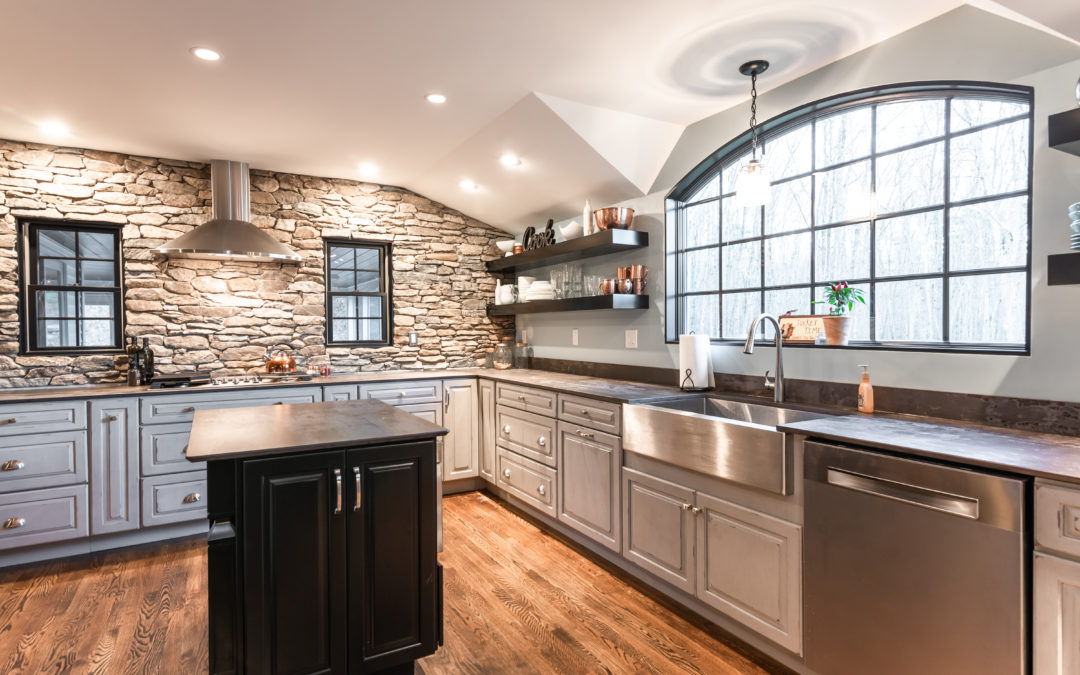
Image Source: fairviewkitchens.com
Bringing Depth and Character Through Texture
A kitchen without texture can feel flat and uninspiring. Texture is the secret ingredient that adds personality, warmth, and a sense of lived-in comfort. It’s about creating a multisensory experience that makes your kitchen a true heart of the home. By thoughtfully incorporating different textures, you can achieve a visually textured and tactile space that’s both beautiful and functional. This guide will walk you through various methods for adding tactile elements and creating depth in kitchen design, ultimately enhancing sensory appeal in your cooking and gathering space.
The Power of Tactile Kitchen Finishes
When we talk about texture in the kitchen, we’re referring to how surfaces feel and look. These are your tactile kitchen finishes. Think about the smooth coolness of marble, the rough grain of wood, the subtle weave of a fabric, or the bumpy surface of a handcrafted tile. These elements contribute significantly to the overall atmosphere of your kitchen. They break up monotony and invite interaction, making your kitchen feel more personal and unique.
Why Texture Matters in Kitchen Design
Texture plays a crucial role in making a kitchen feel welcoming and comfortable. It’s not just about aesthetics; it’s about how we experience a space.
- Visual Interest: Texture adds layers and complexity, preventing a space from looking one-dimensional.
- Warmth and Coziness: Certain textures, like wood and natural fibers, inherently bring warmth and a sense of homeliness.
- Sensory Engagement: Tactile elements stimulate our sense of touch, making the kitchen a more engaging place.
- Depth Perception: Layering different textures can create the illusion of greater depth in smaller spaces.
- Personality and Style: The choice of textures can powerfully communicate your personal style and the overall mood of your kitchen.
Exploring Different Ways to Add Texture
There are countless ways to introduce texture into your kitchen, from the big-picture elements like cabinetry and countertops to the smaller details like hardware and accessories. Let’s dive into some of the most effective strategies.
1. Cabinetry: The Foundation of Kitchen Texture
Your kitchen cabinets are a dominant feature, making them a prime opportunity for adding texture.
Incorporating Rough Surfaces in Cabinetry
Incorporating rough surfaces into your cabinetry can instantly add character. Consider:
- Reclaimed Wood: Cabinets made from reclaimed wood often feature a natural, imperfect grain and a weathered patina. This brings rough-hewn elements directly into your design.
- Shaker Style with Wood Grain: Even a classic Shaker-style cabinet can offer texture if you opt for wood with a prominent grain.
- Textured Finishes: Some cabinet manufacturers offer textured finishes that mimic natural materials like linen or stucco.
- Open Shelving with Varied Items: Instead of closed cabinets, open shelving allows you to display dishes, bowls, and canisters with different textures.
Painted vs. Natural Wood Finishes
| Finish Type | Texture Contribution | Visual Appeal | Durability & Maintenance |
|---|---|---|---|
| Natural Wood | Highlights grain, knots, and imperfections. | Warm, organic, and inviting. Can range from smooth to deeply grained. | Varies by wood type; can show wear and tear gracefully. |
| Painted (Smooth) | Minimal texture, focuses on color and sheen. | Clean, modern, sophisticated. | Can chip or scratch, requires touch-ups. |
| Painted (Textured) | Mimics materials like linen, plaster, or even stone. | Unique, artisanal, and adds subtle depth. | Depends on the specific finish; generally good. |
| Laminate/Veneer | Can mimic wood grain or other textures, often smoother. | Versatile, can replicate various looks at a lower cost. | Generally durable and easy to clean. |
Experimenting with Cabinet Door Styles
- Raised Panel: Offers a more formal and layered look, with shadow lines creating subtle depth.
- Recessed Panel (Shaker): Classic and versatile, allowing the wood grain to show through.
- Beadboard: Adds a cottage-style texture with its vertical grooves.
- Glass Inserts: While not a texture in itself, it allows you to showcase textured items within the cabinets.
2. Countertops: The Workhorse with a Touch of Texture
Your countertops are another significant surface area where texture can make a big impact.
Natural Materials for Tactile Appeal
Using natural materials is a fantastic way to introduce authentic texture.
- Granite: Known for its flecked appearance and inherent variations, granite offers a beautiful, natural texture. Some finishes are honed for a softer feel.
- Marble: While often perceived as smooth, the veining in marble creates subtle visual texture. Consider honed marble for a less reflective, softer touch.
- Quartzite: Similar to granite in its natural variation and durability, quartzite can offer stunning veining and crystal formations.
- Butcher Block (Wood): The ultimate tactile countertop. The grain of wood, especially when oiled and maintained, is incredibly inviting. This is a prime example of incorporating rough surfaces in a practical way.
- Concrete: Can be cast with various finishes, from polished smooth to intentionally pitted or troweled, offering a raw, industrial texture.
Avoiding Monotony with Textured Finishes
Even with manufactured materials, you can find textured options.
- Honed or Leathered Quartz: These finishes offer a matte, softer feel compared to high-gloss polished quartz, reducing glare and adding a subtle tactile quality.
- Textured Laminates: Modern laminates can convincingly mimic the look and feel of natural stone or wood.
- Ceramic or Porcelain Tile with Varied Surfaces: Look for tiles with matte finishes, slight undulations, or a stone-like texture.
3. Backsplashes: A Canvas for Textured Accents
The backsplash is a perfect place to be a bit more daring with texture and pattern.
Tile Choices for Visual Depth
- Subway Tile (Varied Finishes): Beyond the classic glossy white, explore matte finishes, crackle glazes, or tiles with a slight bevel to add subtle texture and catch light differently.
- Mosaic Tiles: Small tiles of varying shapes, colors, and finishes can create a rich tapestry of texture. Think glass, stone, or metal mosaics.
- Natural Stone Tiles: Travertine, slate, or limestone tiles bring organic variation and a natural, tactile feel.
- 3D or Sculptural Tiles: Many modern tiles feature geometric patterns or organic shapes that create a dramatic, tactile effect. This is a great way to introduce visually textured surfaces.
- Brick or Brick Veneer: A classic choice for a rustic or industrial look, providing a distinct texture.
Grout as a Textural Element
Don’t overlook the grout!
- Grout Color: Contrasting grout can emphasize the shape and texture of each tile.
- Grout Type: Consider epoxy grout for a smoother, more seamless finish or sanded grout for a slightly rougher, more visible line.
4. Flooring: Setting the Tactile Tone
The floor is the largest surface in your kitchen and sets the stage for the entire space.
Material Choices for Durability and Texture
- Hardwood Floors: Offer natural warmth and a beautiful grain. Consider wider planks for more visual texture.
- Stone Tiles: Natural stone like slate, travertine, or granite offer inherent variations and a solid, tactile feel underfoot.
- Ceramic or Porcelain Tile with Wood or Stone Look: These offer the aesthetic of natural materials with greater durability and ease of maintenance. Look for textured finishes.
- Luxury Vinyl Plank (LVP) or Tile (LVT): Modern LVP/LVT can convincingly mimic the texture of wood or stone, offering a budget-friendly and durable option.
- Concrete Floors: Polished, stained, or even sealed raw concrete can provide a modern, industrial texture.
Beyond the Smooth Surface
- Textured Vinyl or Linoleum: Some options offer embossed patterns that mimic natural materials.
- Area Rugs: Placing a textured rug can instantly soften the floor and add a cozy, tactile element. Think natural fibers like jute, sisal, or wool.
5. Hardware: The Little Details with Big Impact
Don’t underestimate the power of cabinet knobs, pulls, and faucets to add texture.
Material and Finish Options
- Brushed or Hammered Metals: Brass, copper, or stainless steel with a brushed or hammered finish offer more visual and tactile interest than smooth, polished metals.
- Leather Pulls: Introduce a soft, supple texture that ages beautifully.
- Ceramic or Glass Knobs: These can come in various colors, patterns, and finishes that add decorative texture.
- Wood or Natural Stone Accents: Some hardware pieces incorporate small elements of wood or even semi-precious stones.
Scale and Shape
Consider the scale and shape of your hardware. Chunky, industrial pulls have a different tactile feel than delicate, minimalist knobs.
6. Lighting: Illuminating Texture
Lighting is crucial for highlighting the textures you’ve introduced.
Playing with Light and Shadow
- Accent Lighting: Use spotlights or under-cabinet lighting to cast shadows that emphasize the texture of your backsplash, countertops, or cabinetry.
- Dimmer Switches: Allow you to control the mood and how textures are perceived.
- Fixture Materials: Consider pendant lights or sconces made from textured materials like woven rattan, hammered metal, or frosted glass.
7. Accessories and Soft Furnishings: The Finishing Touches
These are the elements that truly personalize your kitchen and add the final layers of texture.
Bringing in Natural Materials
Using natural materials in your accessories is key for enhancing sensory appeal.
- Wooden Bowls and Utensils: Displaying your wooden cutting boards, salad servers, and bowls adds immediate warmth and a natural grain.
- Ceramic Pottery: Handcrafted ceramics with unique glazes and textures are perfect for canisters, vases, or decorative pieces.
- Woven Baskets: For storing produce, linens, or general clutter, woven baskets add a rustic, artisanal touch.
- Linen Tea Towels and Aprons: These soft, natural fabrics add a subtle textural layer.
Creating Layers for Depth
Layering textures is essential for a rich and inviting space.
- Textured Wall Art: A piece of art with a raised canvas or natural fiber elements can add visual texture to a blank wall.
- Plants: The varied shapes and textures of greenery bring life and organic texture.
- Cushions or Upholstery (if applicable): If you have an eat-in kitchen with chairs, consider textured upholstery or cushions.
Embracing Imperfection for Authentic Texture
A key aspect of creating a truly textured and inviting space is embracing imperfection. This is particularly true when using natural materials and incorporating rough surfaces.
- Wabi-Sabi Philosophy: This Japanese aesthetic celebrates beauty in imperfection, transience, and the natural cycle of growth and decay. Think about the natural variations in wood grain, the slight chips on a vintage ceramic piece, or the patina on aged metal. These aren’t flaws; they are character.
- Authenticity: Genuine textures often come with inherent irregularities. Instead of striving for a flawless, manufactured look, lean into the unique qualities of your chosen materials.
- Tactile Experience: Imperfect surfaces can be more interesting to touch. The slight roughness of a troweled concrete counter or the unevenness of handmade tiles invites interaction.
Rough-Hewn Elements and Their Appeal
Rough-hewn elements – think exposed wood beams, rough-cut stone, or heavily textured plaster – lend an undeniable character to a kitchen. They speak of history, craftsmanship, and a connection to the earth.
- Exposed Beams: If you have structural beams, consider leaving them exposed or adding decorative ones.
- Stone Accents: A natural stone accent wall or a stone-clad island can provide a dramatic tactile statement.
- Plaster or Limewash Walls: These finishes offer a subtle, organic texture that can soften a space.
Visually Textured Surfaces: More Than Just Sight
Visually textured surfaces are those that look like they would feel interesting to the touch, even if they are smooth. This is achieved through pattern, color variation, or light reflection.
- Patterned Tiles: Tiles with intricate patterns or geometric designs create visual texture.
- Wood Grain: The natural patterns of wood are inherently visually textured.
- Marbled or Veined Stone: The swirling patterns in marble or quartzite create captivating visual texture.
- Matte Finishes: These absorb light rather than reflecting it, often making colors appear richer and creating a softer, more diffused visual texture.
Texture as a Design Tool: Specific Applications
Let’s look at how to strategically use texture to achieve specific design goals.
Creating Depth in Kitchen Design
Creating depth in kitchen design can make even small kitchens feel more expansive and interesting.
- Layering: Combine smooth and rough textures, matte and glossy finishes, and fine and coarse patterns.
- Contrast: Juxtapose different textures. For example, pair sleek, modern cabinetry with a rustic brick backsplash.
- Focal Points: Use a highly textured material on a key feature, like a statement island or a dramatic backsplash, to draw the eye and add depth.
- Lighting: As mentioned, strategically placed lighting can highlight texture and create shadows, adding perceived depth.
Enhancing Sensory Appeal in the Kitchen
Enhancing sensory appeal means making the kitchen a more enjoyable place to be for all the senses.
- Tactile Comfort: Incorporate soft elements like textiles (rugs, towels) and natural materials (wood) that feel pleasant to touch.
- Visual Harmony: Ensure your chosen textures work together cohesantly, rather than creating a chaotic jumble.
- Acoustics: Softer textures can help absorb sound, making the kitchen a quieter, more comfortable space. Hard, reflective surfaces can make a kitchen feel noisy and echoey.
Practical Tips for Implementing Texture
- Start Small: If you’re hesitant, begin with accessories like wooden bowls, textured tea towels, or a new set of ceramic mugs.
- Mix Finishes: Don’t be afraid to combine glossy and matte finishes, smooth and rough textures. The key is balance.
- Consider Your Lifestyle: If you have young children or pets, opt for durable, easy-to-clean textured finishes where possible. For example, honed quartz is easier to maintain than natural stone in high-traffic areas.
- Think About Maintenance: Some highly textured surfaces, like certain natural stones or unsealed concrete, may require more specialized cleaning and maintenance.
- Source Wisely: Look for materials that have inherent textural qualities. Visit showrooms, touch samples, and explore options beyond the most basic finishes.
- Don’t Forget Vertical Surfaces: Walls, backsplashes, and even the sides of islands are opportunities for textural expression.
Common Texture Pitfalls to Avoid
- Overdoing It: Too many competing textures can make a space feel busy and overwhelming. Aim for a curated mix.
- Ignoring Practicality: While texture is important, functionality and ease of maintenance should also be considered, especially in a busy kitchen.
- Monochromatic Texture: Sometimes, a space can have many textures but still feel visually flat if the color palette is too uniform. Varying colors alongside textures adds another layer of interest.
Frequently Asked Questions (FAQ)
Q1: What is the easiest way to add texture to my kitchen?
A1: The easiest way is often through accessories. Think wooden cutting boards, ceramic canisters, linen tea towels, or a textured rug. These are low-commitment ways to introduce tactile elements.
Q2: Can I mix different types of wood in my kitchen for texture?
A2: Yes, absolutely! Mixing different wood species or wood finishes can create a rich, layered look. Just ensure there’s a unifying element, like a consistent hardware finish or a shared color tone, to prevent it from looking mismatched.
Q3: How do I clean textured countertops?
A3: Cleaning methods vary depending on the material. Natural stone often requires pH-neutral cleaners, while quartz is generally easy to wipe down. Always check the manufacturer’s recommendations for specific care instructions for your chosen textured finish.
Q4: What are some budget-friendly ways to add texture?
A4: Consider textured paint finishes, affordable mosaic tile backsplashes, woven storage baskets, decorative ceramic pieces, and wooden utensils. You can also find vinyl flooring or laminates that mimic natural textures at a lower price point.
Q5: How does lighting affect the perception of texture?
A5: Lighting plays a vital role. Spotlights or accent lighting can create shadows that highlight the contours and variations of textured surfaces, making them appear more pronounced and adding depth. Soft, diffused lighting can make textures appear subtler.
By thoughtfully incorporating a variety of materials and finishes, you can transform your kitchen into a space that is not only beautiful but also deeply inviting, engaging your senses and enriching your daily life. Embrace the journey of adding tactile elements and enjoy the process of creating your uniquely visually textured and tactile space.