
Want to add a cozy feel and visual interest to your kitchen? You can add texture to your kitchen by layering different materials, finishes, and decorative elements. This post will guide you through the best ways to achieve a richly textured kitchen design.
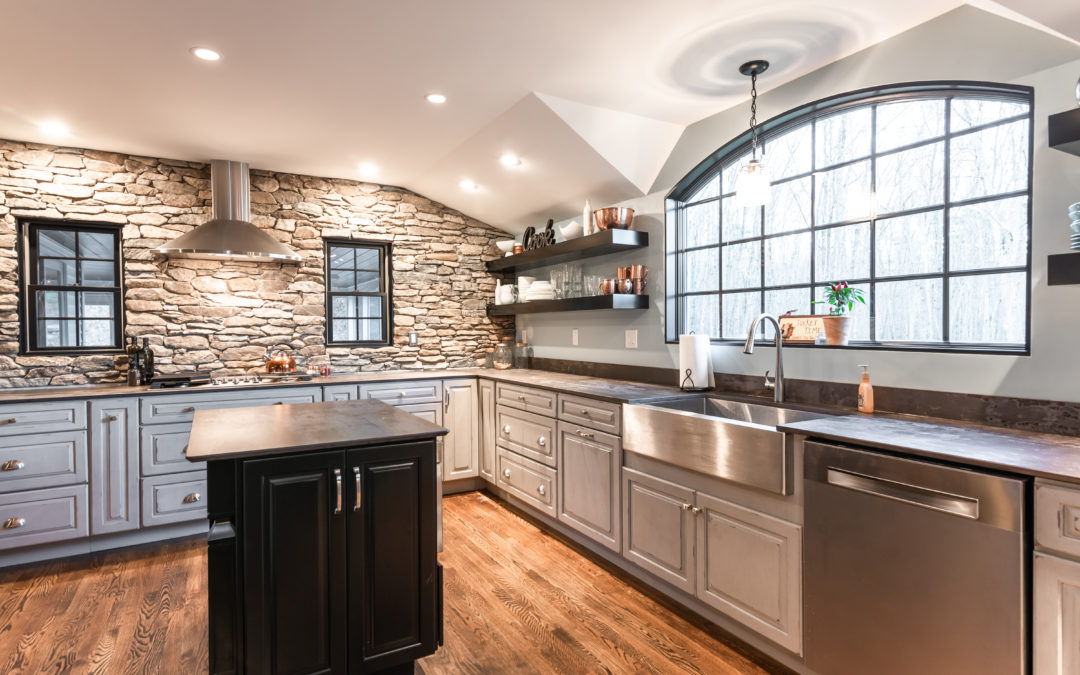
Image Source: fairviewkitchens.com
The Power of Texture in Kitchen Design
Texture is more than just how something feels; it’s how it looks and how it affects the overall mood of a space. In the kitchen, a room often at the heart of the home, texture can transform it from purely functional to a warm, inviting, and visually stimulating area. Think about a smooth, cool marble countertop contrasted with a rough, hand-thrown ceramic bowl. Or the sleek shine of stainless steel appliances against the matte finish of painted cabinets. These contrasts are what create depth, character, and a sense of lived-in comfort.
A well-textured kitchen engages multiple senses. It invites touch, sparks curiosity, and creates a dynamic visual experience. Without texture, a kitchen can feel flat, sterile, and uninspired. Adding different textures helps to break up monotony, define zones, and create focal points. It’s about creating layers that tell a story and make your kitchen feel unique and personalized.
Why Texture Matters for Your Kitchen
- Visual Interest: Texture adds depth and dimension, preventing a space from looking flat.
- Sensory Experience: It engages touch, making the kitchen feel more inviting and tactile.
- Depth and Character: Contrasting textures create a richer, more layered aesthetic.
- Mood Setting: Different textures can evoke different feelings, from cozy and rustic to sleek and modern.
- Highlighting Features: Texture can draw attention to specific elements, like a beautiful backsplash or unique cabinetry.
Layering Materials for Tactile Appeal
The foundation of a textured kitchen lies in the careful selection and layering of materials. Each surface offers an opportunity to introduce a different tactile quality. Consider how different materials interact – the warmth of wood against the coolness of stone, or the roughness of brick beside the smoothness of glass.
Cabinet Finishes: The Walls of Your Kitchen
Cabinet finishes are a major player in kitchen texture. They cover a significant portion of the space and set the tone for the entire room. The choice of finish can drastically alter the feel of your cabinets, from sleek and modern to rustic and warm.
Matte vs. Glossy Finishes
- Matte Finishes: These offer a soft, velvety look and feel. They are excellent at hiding fingerprints and smudges, making them a practical choice. Matte finishes absorb light, creating a more subdued and sophisticated feel. Think of a painted cabinet in a soft, chalky finish.
- Glossy Finishes: These reflect light, making spaces feel brighter and more expansive. They offer a sleek, modern, and often luxurious appearance. However, they can be prone to showing fingerprints and minor imperfections. High-gloss finishes often have a very smooth, almost liquid appearance.
Wood Grains and Textures
- Natural Wood Grains: The inherent texture of wood, whether it’s the prominent grain of oak or the subtle lines of maple, adds immediate warmth and depth. Unfinished or lightly finished wood can feel very tactile.
- Distressed or Reclaimed Wood: These finishes intentionally incorporate imperfections, knots, and a worn appearance, adding significant rustic charm and a strong tactile element.
- Wood Veneers: Can offer the look of wood with varying degrees of grain prominence and smoothness depending on the type and finish.
Painted Finishes and Effects
- Smooth Lacquer: Creates a very sleek, almost plastic-like smoothness, reflecting light beautifully.
- Chalk Paint: Offers a distinctly matte, powdery finish that feels soft to the touch. It’s often paired with a wax sealant for protection, which can add a subtle sheen.
- Milk Paint: Can provide a slightly more granular or chippy texture if applied traditionally, adding a vintage feel.
- Farrow & Ball Paint Effects: Brands like Farrow & Ball offer specific paint finishes designed to mimic traditional plaster or limewash, creating a subtle, artisanal texture on walls and cabinets.
Countertop Materials: The Workhorse Surfaces
Your countertops are a focal point and a surface you interact with daily. The material and its finish are crucial for texture.
Stone and Natural Materials
- Granite: Often has a speckled or veined appearance, providing inherent visual texture. It can be polished to a high gloss or honed to a more matte, satin finish. Honed granite feels smoother and less reflective.
- Marble: Known for its dramatic veining, marble offers a luxurious and often slightly uneven visual texture. Its natural variations mean no two slabs are exactly alike, contributing to its unique feel.
- Quartzite: Similar to granite, it offers beautiful veining and can be finished in various ways, from high polish to a more natural, matte appearance.
- Soapstone: Has a distinctively soft, velvety, matte finish that darkens with age and use. It’s incredibly tactile and develops a natural patina.
- Travertine: Features natural holes and pits, which can be filled or left open for a more rustic texture. The unfilled version provides a wonderfully earthy feel.
Other Countertop Options
- Butcher Block: Solid wood countertops offer a warm, organic texture. The grain of the wood is highly visible and feels smooth and inviting. It can be finished with food-safe oils or sealants.
- Concrete: Offers a wonderfully raw, industrial, and highly customizable texture. It can be poured in place or pre-cast, and its surface can be smooth, troweled, or even seeded with glass or stone for added texture.
- Stainless Steel: Provides a sleek, cool, and modern texture. It reflects light and can be brushed to a subtle grain or left highly polished. It’s very smooth to the touch.
- Ceramics and Porcelain Slabs: These can mimic the look of stone or wood, but often with a more uniform and consistent surface. Textures can range from smooth and matte to embossed patterns.
Flooring Options: The Ground Beneath Your Feet
The floor anchors the entire kitchen and provides a significant textural element.
- Hardwood: Offers a natural warmth and grain. Different wood species have varying grain patterns, and finishes can be matte or high-gloss. Consider engineered wood for durability.
- Tile: Ceramic and porcelain tiles offer a vast range of textures.
- Glazed Tiles: Can be smooth, matte, or even have raised patterns.
- Unglazed Tiles: Often have a more earthy, porous feel.
- Stone Tiles: Granite, marble, or slate tiles bring natural variations in color and texture.
- Textured or Patterned Tiles: Many tiles are designed with subtle or bold textures, like encaustic tiles with raised patterns or textured porcelain that mimics concrete or wood.
- Natural Stone: Slate, travertine, and limestone offer inherent natural textures with variations in color and surface.
- Concrete Flooring: Can be polished to a smooth sheen or left with a more industrial, troweled finish. Stains and sealers can add further visual texture.
- Vinyl or LVT (Luxury Vinyl Tile): Modern LVT can mimic wood, stone, or tile with impressive realism and can include embossed textures for a more authentic feel.
- Cork Flooring: Known for its natural cushioning and unique grainy texture, cork is also an eco-friendly option that feels warm underfoot.
Bringing Texture to Your Walls and Backsplashes
Walls and backsplashes are prime real estate for introducing visual and tactile interest. They offer the chance to make a statement and add personality.
Backsplash Ideas: Beyond the Ordinary
The backsplash is a perfect opportunity to inject personality and texture into your kitchen.
- Subway Tile: A classic choice, subway tile can be laid in various patterns (stacked, brick, herringbone) to alter its textural impact. The grout lines also contribute to the overall visual texture.
- Mosaic Tiles: Tiny tiles, whether glass, ceramic, or stone, create a complex, shimmering texture. Consider variations in size and finish within a mosaic.
- Stone Slabs: A seamless slab of granite, marble, or quartzite behind the cooktop offers a luxurious and smooth textural element.
- Stacked Stone or Ledger Stone: These feature irregular pieces of natural stone, creating a highly tactile and rustic effect.
- Brick or Faux Brick: Offers a rugged, industrial, or farmhouse charm with its inherent rough texture.
- Metal Tiles: Stainless steel, copper, or tin tiles can add a sleek, reflective, or even hammered texture.
- Glass Tiles: From smooth, glossy finishes to frosted or textured glass, these can add a refined sparkle.
- Painted or Wallpapered Backsplash: A durable, wipeable paint with a special effect (like a subtle sheen or textured finish) or a water-resistant wallpaper can introduce pattern and subtle texture.
Wall Treatments: Setting the Scene
Beyond the backsplash, consider how you can add texture to the rest of your kitchen walls.
- Paint Effects:
- Faux Finishes: Techniques like Venetian plaster, limewash, or even a subtle rag-rolled effect can create nuanced visual texture.
- Textured Paints: Some paints have fine aggregates added to create a subtle gritty or sand-like finish.
- Matte vs. Eggshell vs. Satin: The sheen level of paint affects how light interacts with the surface. Matte is the least reflective, while satin and eggshell offer a gentle sheen.
- Wallpaper: Modern kitchen wallpapers are often durable and washable. Choose patterns with tactile-looking textures, like grasscloth, linen-look, or subtly embossed designs.
- Wood Paneling: Shiplap, beadboard, or decorative wood panels can add architectural interest and a warm, natural texture.
- Exposed Brick: If you have it, embrace it! Exposed brick provides instant character and a rough, industrial feel.
- Tile or Stone Accent Walls: Similar to backsplashes, a feature wall of a particular tile or stone can create a strong textural statement.
The Role of Hardware and Lighting
These smaller details can have a significant impact on the overall textural feel of your kitchen.
Hardware Styles: The Finishing Touches
Cabinet hardware – pulls, knobs, and handles – are like jewelry for your cabinets. Their material, finish, and shape contribute significantly to texture.
- Smooth Metals: Polished nickel, chrome, or brushed stainless steel offer a sleek, cool, and smooth touch.
- Matte Finishes: Matte black, brushed bronze, or oil-rubbed bronze provide a softer, less reflective, and often slightly more textured appearance.
- Hammered or Textured Metals: Hardware with a hammered finish, knurled texture, or intricate detailing adds a distinct tactile and visual element.
- Wood or Ceramic Hardware: Can introduce natural warmth and unique patterns or glazes.
- Leather Pulls: Offer a soft, supple texture that contrasts beautifully with cabinetry.
- Glass or Crystal Knobs: Add a touch of sparkle and a smooth, polished feel.
Lighting Techniques: Illuminating Texture
Lighting doesn’t just make a space visible; it can highlight and enhance the textures you’ve incorporated.
- Accent Lighting: Spotlights or track lighting can be angled to cast shadows that emphasize the texture of a brick wall, a rough stone backsplash, or textured cabinets.
- Task Lighting: Under-cabinet lighting can create a dramatic interplay of light and shadow on your countertops and backsplash, highlighting their surfaces.
- Pendant Lights: Consider pendants made from natural materials like woven rattan, textured glass, or hammered metal. The fixture itself becomes a textural element.
- Ambient Lighting: Dimmers allow you to control the mood and how textures are perceived. Softer, warmer light can make rough textures feel cozier, while brighter light can make smooth surfaces appear more polished.
- Decorative Fixtures: Fixtures with intricate metalwork, textured glass shades, or natural wood elements contribute to the overall textural scheme.
Incorporating Decorative Accents and Natural Elements
Once the main elements are in place, decorative accents and natural elements are key to layering in the final textures.
Decorative Accents: The Layering Pieces
These are the items that add the final polish and personality.
- Textiles:
- Kitchen Rugs: A woven jute rug, a soft plush rug, or a vintage patterned rug can add significant comfort and visual texture to the floor.
- Dish Towels and Oven Mitts: Opt for textured cotton, linen, or waffle-weave fabrics.
- Curtains or Blinds: Linen, textured cotton, or woven wood blinds can soften windows and add a tactile layer.
- Ceramics and Pottery: Hand-thrown bowls, patterned platters, or rustic earthenware mugs add artisanal texture.
- Woven Baskets: For storing produce or kitchen essentials, woven baskets in rattan, seagrass, or wicker bring an organic, textured feel.
- Art and Wall Decor: Textured art pieces, framed pressed botanicals, or wall hangings can add visual and sometimes physical texture.
- Glassware and Serveware: Consider vintage glass with bubble textures, etched patterns, or subtly colored glassware.
Natural Elements: Bringing the Outside In
Incorporating elements from nature is a timeless way to add warmth and texture.
- Live Plants: Greenery adds life and a soft, natural texture. Consider potted herbs on the windowsill or a larger statement plant in a corner.
- Wood Accents: Wooden cutting boards displayed on the counter, a wooden fruit bowl, or decorative wooden utensils add organic warmth.
- Stone or Rattan Accessories: Coasters made of slate or agate, a rattan fruit basket, or a stone mortar and pestle bring the outdoors in.
- Dried Botanicals: A vase filled with dried grasses, eucalyptus, or wheat can add a subtle, airy texture.
Creating Contrast and Balance
The key to successful texture layering is creating a balance between different tactile qualities. Too much of one texture can be overwhelming or monotonous.
Pairing Smooth with Rough
- Example: A smooth marble countertop paired with a rough, stacked stone backsplash.
- Example: Sleek, high-gloss cabinets contrasted with a reclaimed wood island base.
Mixing Finishes
- Example: Matte black cabinet hardware on shaker cabinets with a polished stainless steel appliance suite.
- Example: A smooth concrete floor with a jute area rug.
Visualizing Your Texture Palette
Before you start, think about the overall “feel” you want for your kitchen.
| Desired Feel | Key Textures to Consider |
|---|---|
| Warm & Cozy | Wood grains, matte finishes, woven materials, ceramics, soft textiles. |
| Modern & Sleek | High-gloss finishes, stainless steel, smooth stone, polished concrete, glass. |
| Rustic & Earthy | Exposed brick, natural stone, reclaimed wood, matte ceramics, woven baskets. |
| Farmhouse Charm | Painted cabinets (matte), beadboard, natural wood, simple ceramics, textiles. |
| Industrial | Concrete, exposed brick, metal (raw or brushed), simple wood, glass. |
Frequently Asked Questions About Kitchen Texture
What is texture in kitchen design?
Texture in kitchen design refers to the visual and tactile qualities of surfaces and materials. It encompasses how something looks (e.g., smooth, rough, grainy, shiny, matte) and how it feels to the touch.
Can I mix too many textures in my kitchen?
Yes, it’s possible to have too much of a good thing. Mixing too many highly distinct textures without a unifying element can make a kitchen feel chaotic or busy. The goal is to create visual harmony and balance, often by using a dominant texture and then layering in secondary and accent textures.
How can I add texture without a major renovation?
You can add texture through easily changeable elements like:
* New cabinet hardware (pulls, knobs)
* Textiles (rugs, dish towels, curtains)
* Decorative accessories (baskets, ceramics, plants)
* Changing light fixtures
* Adding a removable wallpaper to a backsplash or accent wall
* Using paint effects or textured paints on a small area
What’s the difference between a smooth and a matte finish?
A smooth finish is characterized by its lack of surface variation and often a reflective quality (e.g., polished metal, high-gloss paint). A matte finish has a non-reflective, soft appearance and can sometimes have a subtle, velvety or powdery feel.
How do I maintain textured surfaces in the kitchen?
Maintenance depends on the material. Natural stones may need sealing, wood may require oiling or refinishing, and textured paints might need specific cleaning methods. Always check the manufacturer’s recommendations for the materials you choose.