
Can you get burns from cooking? Yes, burns are common in the kitchen, but they are preventable with the right knowledge and care. This guide offers pro tips and beginner advice to help you avoid burns in the kitchen safely. We will cover essential kitchen safety tips, burn prevention strategies, and general cooking safety practices.
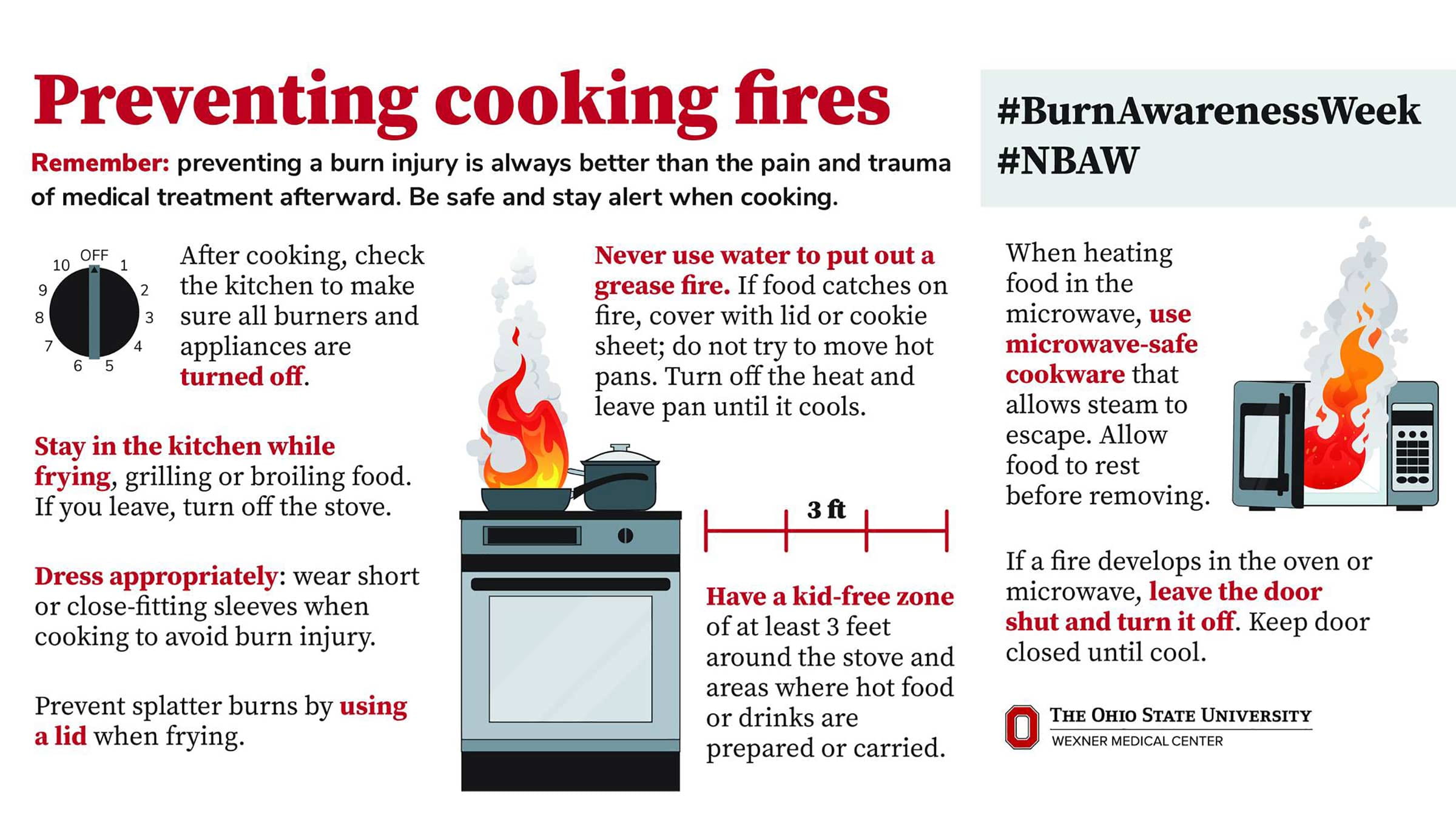
Image Source: health.osu.edu
Why Kitchen Burns Happen
Kitchen accidents, especially burns, are frequent. Many happen because people aren’t paying attention or don’t know the risks. From boiling water to hot ovens, the kitchen is full of potential hazards.
Common Causes of Kitchen Burns
- Hot Liquids: Boiling water, hot oil, and hot soups can cause severe burns.
- Hot Surfaces: Ovens, stovetops, and cookware left on the stove are very hot.
- Steam: Steam from cooking food can be hotter than boiling water.
- Friction Burns: Rubbing against hot pots or pans can cause burns.
- Grease Splatter: Hot oil can splatter and burn skin.
- Open Flames: Gas stoves and candles can cause burns if not handled carefully.
- Electrical Appliances: Faulty appliances or hot parts can cause burns.
Essential Burn Prevention Strategies
Burn prevention is key to a safe kitchen. It involves awareness and taking simple steps.
Mastering Hot Surface Awareness
Hot surface awareness means always knowing what is hot and where it is.
- Stovetops: Even after turning off the burner, the surface stays hot for a while.
- Oven Doors and Racks: These get extremely hot during and after use.
- Cookware: Pots, pans, and baking sheets retain heat long after being removed from heat.
- Appliances: Toasters, kettles, and other small appliances can have hot surfaces.
Tip: Always assume a surface is hot until you are sure it is cool. Use oven mitts or pot holders even if you think it’s safe.
Handling Hot Pans Safely
Handling hot pans requires a steady hand and the right tools.
- Use Oven Mitts or Pot Holders: Always use thick, dry oven mitts or pot holders. Damp ones can transfer heat.
- Lift Lids Away from You: When opening a pot lid, tilt it away from your face and body to let steam escape safely.
- Carry Carefully: Carry hot pans with two hands, keeping them level and away from your body.
- Avoid Overfilling: Don’t fill pots or pans too full, especially with liquids that can slosh out.
- Placement: Place hot pans on heat-resistant surfaces like trivets or stove racks, not on flammable materials.
Safe Pan Handling Checklist
| Action | Safety Check |
|---|---|
| Gripping Pan Handle | Use a dry oven mitt or pot holder. |
| Lifting Pan | Keep it level and away from your body. |
| Moving Pan | Walk slowly and avoid distractions. |
| Setting Down Pan | Place on a heat-resistant surface. |
| Opening Lid | Tilt away from you to release steam. |
Protecting from Steam Burns
Protecting from steam burns is often overlooked but crucial. Steam can cause serious scalds.
- Vent Lids: Always leave lids slightly ajar or use vented lids when cooking.
- Open Containers Slowly: When opening a microwave or oven, open the door slightly and stand back. Open containers of hot food slowly and away from your face.
- Hot Liquids: Be mindful of steam rising from hot liquids like soups, stews, and boiling water.
- Steaming Foods: When removing steamer baskets or covers from steaming dishes, lift them away from you.
Preventing Scalding with Liquids
Preventing scalding involves careful handling of hot liquids.
- Water Temperature: Be cautious with very hot water, especially when filling bathtubs or washing dishes. Test the temperature before immersing yourself or others.
- Oil Safety: When frying, heat oil slowly. Never add water to hot oil, as it will cause it to splatter violently.
- Pouring: Pour hot liquids away from your body. If possible, pour from the back of the stove to the front.
- Cord Placement: Keep appliance cords (like kettles or coffee makers) away from the edge of counters so they cannot be pulled down.
Fire Safety in the Kitchen: A Crucial Element
Fire safety in the kitchen is another vital aspect of avoiding injuries. Fires can start quickly and spread easily.
Preventing Kitchen Fires
- Never Leave Cooking Unattended: This is the golden rule of cooking safety.
- Keep Flammable Items Away: Keep towels, oven mitts, paper products, and curtains away from the stovetop.
- Clean Regularly: Grease build-up on stoves and in ovens can ignite. Clean them often.
- Turn Pot Handles Inward: This prevents them from being accidentally knocked over.
- Use a Timer: Set a timer to remind yourself when food is done cooking, especially when baking or roasting.
- Check Appliances: Ensure all electrical appliances are in good working order and cords are not frayed.
- Smoke Detectors: Make sure you have working smoke detectors in and around your kitchen.
What To Do If a Fire Starts
- Small Grease Fires: NEVER use water. Water will spread the fire.
- Turn off the heat source if you can do so safely.
- Slide a metal lid or baking sheet over the pan to smother the flames.
- If it’s in the oven, turn off the oven and keep the door closed.
- For any fire that is spreading or out of control:
- Get everyone out of the house immediately.
- Call the fire department from outside the home.
Cooking with Children Safely
Cooking with children safely is important for teaching them good habits.
- Supervision is Key: Always supervise children closely in the kitchen.
- Age-Appropriate Tasks: Assign tasks suitable for their age and skill level. Toddlers can wash vegetables, while older children can stir or measure ingredients.
- Safe Zones: Establish a “kid-free zone” around the stove and hot appliances.
- Teach About Hot Surfaces: Explain why stoves, ovens, and hot pans are dangerous.
- Use Back Burners: When possible, use the back burners of the stove and turn pot handles inward.
- Be Mindful of Cords: Keep cords from appliances like blenders and toasters out of reach.
- Mise en Place: Prepare all ingredients before involving children. This reduces the time they spend near active cooking areas.
Activity Ideas for Young Cooks
- Measuring and Scooping: Fun for developing fine motor skills.
- Washing Produce: A simple and safe task.
- Mixing and Stirring: With supervision and in safe bowls.
- Decorating: Cookies or cakes after they have cooled.
- Reading Recipes: Older children can help read out instructions.
Specific Safety Practices for Different Cooking Methods
Different cooking methods carry unique risks. Here’s how to stay safe:
Stovetop Cooking
- Grease Splatter: When frying, use a splatter screen to catch hot oil.
- Boiling Over: Watch for boiling liquids. Turn down the heat if a pot starts to boil over.
- Oven Mitts: Always use oven mitts or pot holders when handling hot pans or removing them from the stove.
Oven Cooking
- Opening the Oven Door: Open the oven door slowly and stand to the side to avoid direct contact with hot air and steam.
- Removing Cookware: Use sturdy oven mitts and pull oven racks out slightly to get a good grip on dishes.
- Cooling: Allow hot dishes to cool on a trivet or wire rack, not directly on a countertop.
Microwave Cooking
- Steam Builds Up: Vent food containers before microwaving to prevent steam buildup.
- Hot Spots: Food in the microwave can have hot spots. Stir food halfway through cooking and let it stand for a minute before eating.
- Microwave-Safe Containers: Only use containers labeled as microwave-safe.
Deep Frying
- Never Overfill: Fill the pot no more than one-third full with oil.
- Dry Foods: Make sure food is dry before adding it to hot oil to prevent splattering.
- Temperature Control: Use a thermometer to maintain the correct oil temperature. Don’t let oil overheat.
- Never Leave Unattended: This is a critical aspect of burn prevention with deep frying.
First Aid for Kitchen Burns
Even with the best precautions, minor burns can happen. Knowing how to respond is crucial.
What to Do Immediately After a Burn
- Cool the Burn: Immediately run cool (not cold or ice) water over the burn for 10-20 minutes. This helps reduce pain and swelling.
- Remove Jewelry: If clothing or jewelry is near the burned area, remove it gently, but do not pull it if it’s stuck to the skin.
- Cover the Burn: Use a clean, non-stick dressing or cloth. Do not use fluffy cotton, as it can stick.
- Pain Relief: Over-the-counter pain relievers can help with discomfort.
When to Seek Medical Help
- Deep Burns: Burns that are large, deep, or cause blistering.
- Burns on Sensitive Areas: Burns on the face, hands, feet, or groin.
- Electrical or Chemical Burns: These require immediate medical attention.
- Signs of Infection: Increased redness, swelling, pus, or fever.
Creating a Safer Kitchen Environment
Beyond individual actions, the kitchen itself can be made safer.
Kitchen Layout and Design
- Clear Countertops: Keep countertops free of clutter to avoid knocking things over.
- Stove Placement: If possible, position the stove away from busy walkways.
- Lighting: Ensure good lighting so you can see clearly.
Essential Safety Tools
- Oven Mitts and Pot Holders: Always have these readily accessible.
- Splatter Screens: Useful for frying.
- Trivets and Heat-Resistant Mats: To protect surfaces from hot dishes.
- Fire Extinguisher: Keep a multi-purpose (Class ABC) fire extinguisher in the kitchen and know how to use it.
- First-Aid Kit: Stocked with burn dressings and antiseptic wipes.
Maintaining Appliances
- Regular Checks: Ensure all electrical cords are intact and appliances are functioning correctly.
- Cleaning: Keep appliances like toaster ovens and ovens clean to prevent fires.
Frequently Asked Questions (FAQ)
Q1: How long should I run cool water on a burn?
A1: Run cool (not ice cold) water over the burn for 10 to 20 minutes.
Q2: Can I use butter or oil on a burn?
A2: No, never use butter, oil, or greasy ointments on a burn. They can trap heat and increase the risk of infection.
Q3: What is the most common type of burn in the kitchen?
A3: The most common types of burns in the kitchen are scalds from hot liquids and contact burns from hot surfaces.
Q4: Is steam hotter than boiling water?
A4: Yes, steam can be much hotter than boiling water, reaching temperatures well over 212°F (100°C), making protecting from steam burns very important.
Q5: How can I teach young children about kitchen safety without scaring them?
A5: Use a calm, instructive tone. Explain the “why” behind the rules in simple terms. Focus on positive behaviors, like using oven mitts or staying in a safe zone. Make it a learning experience rather than a strict set of commands.
By following these comprehensive kitchen safety tips, you can significantly reduce the risk of burns and create a safer cooking environment for yourself and your family. Remember that burn prevention is an ongoing effort, and consistent attention to safe cooking practices makes all the difference.