
Image Source: i.ytimg.com
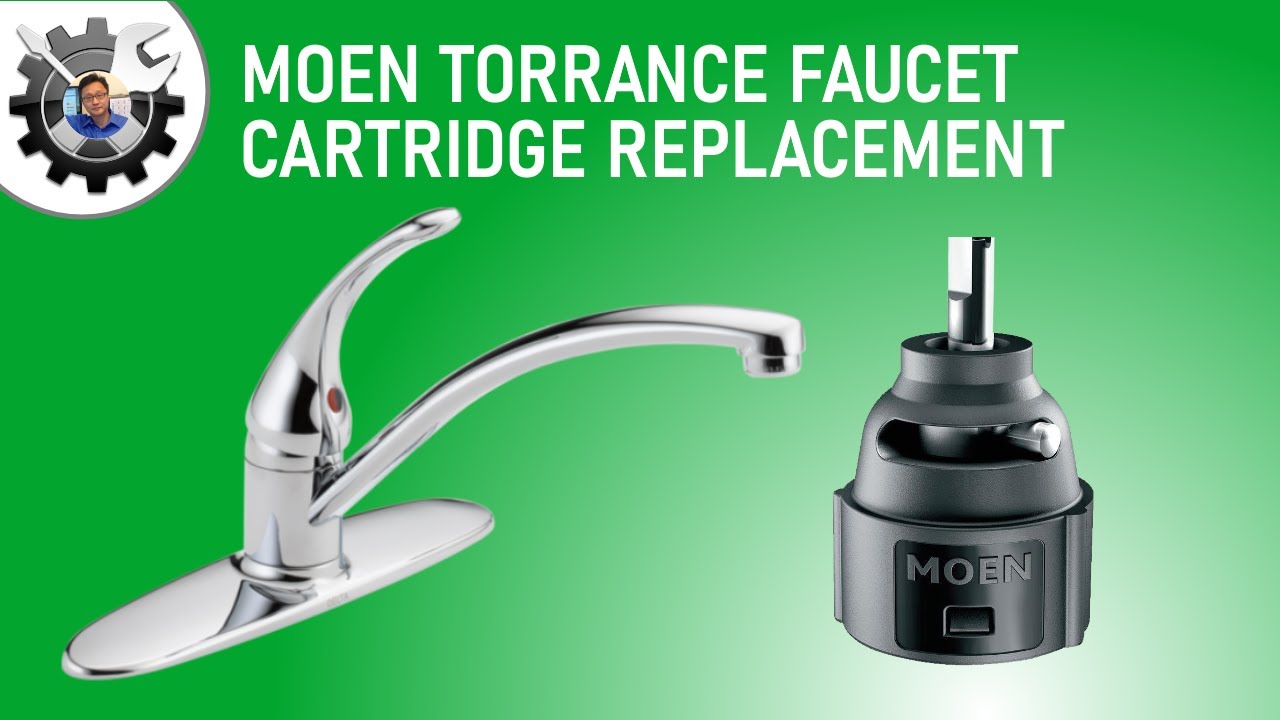
How to Replace a Cartridge on a Moen Kitchen Faucet
Yes, you can replace a cartridge on a Moen kitchen faucet yourself, and it’s a common fix for leaks and operational issues. This guide will walk you through the process of Moen faucet cartridge replacement, offering a comprehensive Moen kitchen faucet repair. We’ll cover everything from identifying the right cartridge to successfully completing the Moen faucet valve replacement.
A dripping or malfunctioning Moen kitchen faucet can be a nuisance, but often the culprit is a worn-out cartridge. The good news is that this is a relatively straightforward DIY Moen faucet repair that many homeowners can tackle themselves. This article will serve as your Moen faucet repair guide, helping you with a Moen faucet dripping fix, identifying Moen faucet cartridge types, and performing a successful replacing Moen faucet handle cartridge. Let’s dive into the world of DIY Moen faucet repair and get your faucet working like new again.
Why Replace Your Moen Faucet Cartridge?
Over time, the internal components of your Moen kitchen faucet, particularly the cartridge, can wear down. This wear and tear can lead to several common problems:
- Leaking Faucet: This is the most frequent sign that your cartridge needs replacing. Water may drip from the spout even when the handle is in the off position.
- Stiff or Difficult Handle Operation: If the handle is hard to turn, doesn’t move smoothly, or feels “loose,” the cartridge is likely the issue.
- Inconsistent Water Temperature: The cartridge helps regulate the mix of hot and cold water. If it’s failing, you might experience sudden temperature changes or difficulty finding the right temperature.
- Low Water Pressure: While other issues can cause low pressure, a damaged cartridge can sometimes restrict water flow.
Gathering Your Tools and Supplies
Before you begin your Moen faucet cartridge replacement, ensure you have all the necessary tools and supplies readily available. This will make the process smoother and more efficient.
Essential Tools:
- Screwdriver Set: You’ll likely need both Phillips head and flathead screwdrivers.
- Allen Wrench Set (Hex Keys): Many Moen faucets use Allen screws to secure the handle.
- Adjustable Wrench or Pliers: For loosening nuts and fittings.
- Basin Wrench (Optional but Recommended): This specialized tool makes it easier to reach nuts in tight spaces under the sink.
- Utility Knife or Small Pry Tool: For gently prying off decorative caps.
- Towel or Rag: To catch any residual water and protect surfaces.
- Bucket: To place under the faucet to catch drips.
- Plumber’s Grease or Silicone Lubricant: To help new seals seat properly and make future removal easier.
- Replacement Moen Faucet Cartridge: This is the most crucial part! (More on identifying the correct one below.)
Identifying Your Moen Faucet Cartridge Type
One of the most important steps in Moen faucet repair is identifying the correct replacement cartridge. Moen has used various cartridge designs over the years, and using the wrong one will prevent your faucet from working correctly.
How to Determine Your Cartridge Type:
- Check Your Faucet Model: If you know the model number of your Moen faucet, you can often find the correct cartridge information on the Moen website or by consulting your faucet’s manual. Look for a label on the underside of the faucet body or under the sink for a model number.
- Remove the Old Cartridge: The most reliable method is to remove the existing cartridge and compare it to images or specifications online. This also allows you to check for any specific markings on the cartridge itself.
- Visual Comparison: Moen cartridges vary in shape, size, and the arrangement of internal ports. Common types include the Moen 1225 cartridge, the Moen 1255 cartridge, and older brass cartridges.
Table: Common Moen Cartridge Types and Their Characteristics
| Cartridge Type | Common Faucet Series | Appearance | Notes |
|---|---|---|---|
| 1225 | Eva, Brantford, Arbor | Plastic body, typically white or beige | One of the most common cartridges for single-handle faucets. |
| 1255 | Adler, Kingsley, Weymouth | Similar to 1225 but often has a different cam/stem design | Another widely used single-handle cartridge. |
| 1234 | Two-handle faucets | Often features separate hot and cold stems | Used in many older two-handle Moen faucets. |
| 1232 | Duralast | Distinctive plastic construction | A more recent design for single-handle faucets. |
| Older Brass | Various early models | Solid brass construction | Less common in modern faucets; often have unique indexing and stem designs. |
Tip: Take clear photos of your existing cartridge from multiple angles before you head to the hardware store or order online. This visual aid can be invaluable.
Step-by-Step: Replacing Your Moen Faucet Cartridge
Now that you’ve gathered your tools and identified the correct cartridge, let’s get started on the Moen faucet valve replacement.
Step 1: Turn Off the Water Supply
This is the most crucial first step. Locate the shut-off valves for your kitchen faucet. These are typically found under the sink, connected to the hot and cold water lines.
- Turn the handles on the shut-off valves clockwise until they are fully closed.
- Turn on the faucet to drain any remaining water in the lines and to confirm that the water supply is indeed off. Leave the faucet handle in the “on” position to relieve pressure.
Step 2: Remove the Faucet Handle
This process varies slightly depending on your faucet model, but the general principle involves removing a decorative cap and then a screw.
- Locate the Set Screw: On most Moen faucets, there’s a small set screw that secures the handle. This is often hidden behind a decorative cap on the front or side of the handle.
- Pry Off the Decorative Cap: Use a small flathead screwdriver or a utility knife to gently pry off the decorative cap. Be careful not to scratch the faucet finish.
- Loosen the Set Screw: You’ll typically need an Allen wrench (hex key) to loosen this screw. Turn it counter-clockwise. You don’t need to remove the screw completely, just loosen it enough so the handle can be pulled off.
- Remove the Handle: Once the set screw is loosened, grasp the faucet handle firmly and pull it straight up and off the stem. If it’s stuck, a gentle wiggle or tapping might help. Avoid excessive force.
Step 3: Remove the Handle Adapter and Escutcheon
Underneath the handle, you’ll find additional components that need to be removed to access the cartridge.
- Remove the Handle Adapter: Some Moen faucets have a plastic handle adapter that screws onto the top of the cartridge. Unscrew this by hand or with pliers if it’s tight.
- Remove the Escutcheon Cap (if applicable): This is the decorative dome-like piece surrounding the cartridge. It usually unscrews by hand. If it’s tight, use a wrench with a cloth to protect the finish.
Step 4: Remove the Cartridge Retaining Clip or Nut
The cartridge is held in place by either a clip or a retaining nut.
- For Clip Systems: Look for a small, U-shaped metal clip that slides into a slot on the faucet body, securing the cartridge. Use pliers to carefully pull this clip straight out. Note its orientation for reinstallation.
- For Nut Systems: You’ll find a large brass or plastic nut that threads onto the faucet body, holding the cartridge in place. Use an adjustable wrench to unscrew this nut counter-clockwise.
Step 5: Extract the Old Cartridge
With the retaining clip or nut removed, you can now pull out the old cartridge.
- Use Pliers: Grip the stem of the cartridge firmly with pliers and pull it straight up and out of the faucet body. It might be a snug fit.
- If Stuck: If the cartridge is difficult to remove, Moen offers a specialized cartridge puller tool. This tool attaches to the cartridge stem and allows you to exert more leverage. You can often borrow or rent these from home improvement stores, or purchase one.
- Inspect the Faucet Body: While the cartridge is out, inspect the inside of the faucet body for any debris or mineral buildup. Clean it out with a soft cloth.
Step 6: Install the New Moen Faucet Cartridge
This is where your new Moen faucet cartridge comes into play.
- Lubricate Seals: Apply a thin layer of plumber’s grease or silicone lubricant to the rubber O-rings and seals on the new cartridge. This helps them slide into place and creates a better seal.
- Align the Cartridge: Moen cartridges have specific alignment tabs or notches. Ensure these are correctly positioned with corresponding slots in the faucet body. Refer to your new cartridge’s instructions or the old one for proper orientation.
- Insert the Cartridge: Push the new cartridge straight down into the faucet body until it is fully seated.
Step 7: Reinstall the Retaining Clip or Nut
Now, secure the new cartridge.
- For Clip Systems: Slide the U-shaped retaining clip back into its slot, ensuring it’s fully engaged.
- For Nut Systems: Screw the retaining nut back onto the faucet body and tighten it with your adjustable wrench. Don’t overtighten, but ensure it’s snug enough to prevent leaks.
Step 8: Reassemble the Faucet Components
Working in reverse order of disassembly:
- Replace the escutcheon cap.
- Screw on the handle adapter.
- Slide the faucet handle back onto the stem, ensuring it’s aligned correctly.
- Tighten the set screw with the Allen wrench to secure the handle.
- Snap the decorative cap back into place.
Step 9: Turn the Water Supply Back On
- Slowly turn the shut-off valves under the sink counter-clockwise to restore the water supply.
- Check for any leaks around the handle, base, and spout.
- Turn the faucet handle on and off several times, checking for proper operation and ensuring the dripping has stopped.
Moen Kitchen Faucet Troubleshooting Common Issues
Even after a successful Moen faucet cartridge replacement, you might encounter minor issues. Here are some common Moen kitchen faucet troubleshooting tips:
- Still Dripping:
- Ensure the cartridge is fully seated and the retaining nut/clip is secure.
- Check for any debris that might have been missed during cleaning inside the faucet body.
- The valve seat (where the cartridge seals) might be damaged. This is less common and may require a valve seat tool or professional help.
- Handle is Stiff:
- The cartridge might not be properly lubricated.
- The handle adapter or other components might be misaligned.
- Ensure you used the correct cartridge model.
- Leaking from the Base of the Spout:
- This usually indicates worn O-rings on the spout itself, not the cartridge. Replacing these O-rings is a separate repair.
When to Call a Professional
While most Moen faucet repair jobs, including Moen faucet cartridge replacement, are manageable DIY projects, there are times when it’s best to call a plumber.
- Uncertainty about Cartridge Type: If you cannot confidently identify your cartridge, a professional can assist.
- Stubbornly Stuck Parts: If components are corroded and won’t budge, forcing them could damage the faucet.
- Damage to the Faucet Body: If you suspect damage to the faucet body itself, it might be time for a replacement faucet.
- Persistent Leaks: If the leak continues after replacing the cartridge and checking all connections, there might be a more complex issue.
Frequently Asked Questions (FAQ)
Q: How often do Moen faucet cartridges need to be replaced?
A: There’s no set schedule. Cartridges can last for many years, but factors like water quality (hard water can accelerate wear), usage frequency, and the specific model influence their lifespan.
Q: Can I use a generic cartridge instead of a genuine Moen cartridge?
A: While some generic cartridges might fit, it’s highly recommended to use genuine Moen cartridges. They are designed specifically for Moen faucets, ensuring proper fit, function, and longevity. Using a generic part can lead to leaks or premature failure.
Q: My Moen faucet has two handles. Do I need a different type of cartridge?
A: Yes. Two-handle Moen faucets typically use a different cartridge system than single-handle models. Common two-handle cartridges include the Moen 1234. You’ll need to identify your specific two-handle faucet model to find the correct replacement.
Q: How do I know if I have a Moen faucet?
A: Moen faucets often have the Moen logo prominently displayed on the faucet body, usually on the front or on the base of the spout. Many also have a date code stamped on the underside.
Q: What is the Moen 1225 cartridge?
A: The Moen 1225 is a very common single-handle cartridge used in many Moen kitchen and bathroom faucets. It’s a plastic cartridge often used in models like the Eva, Brantford, and Arbor. If your faucet has a single handle and is experiencing leaks or operational issues, there’s a good chance it uses the 1225 cartridge.
By following these steps, you can successfully perform a Moen faucet cartridge replacement, saving money and restoring your kitchen faucet to optimal working condition. Happy DIYing!