
A dark kitchen can feel cramped and unwelcoming, but what’s the best way to brighten a kitchen that lacks natural light? You can transform a dim cooking space into a bright and inviting hub by focusing on maximizing natural light, optimizing artificial lighting, using lighter paint colors, incorporating reflective surfaces, and keeping countertops clear. This comprehensive guide will walk you through five simple yet impactful strategies to shed light on your culinary space.
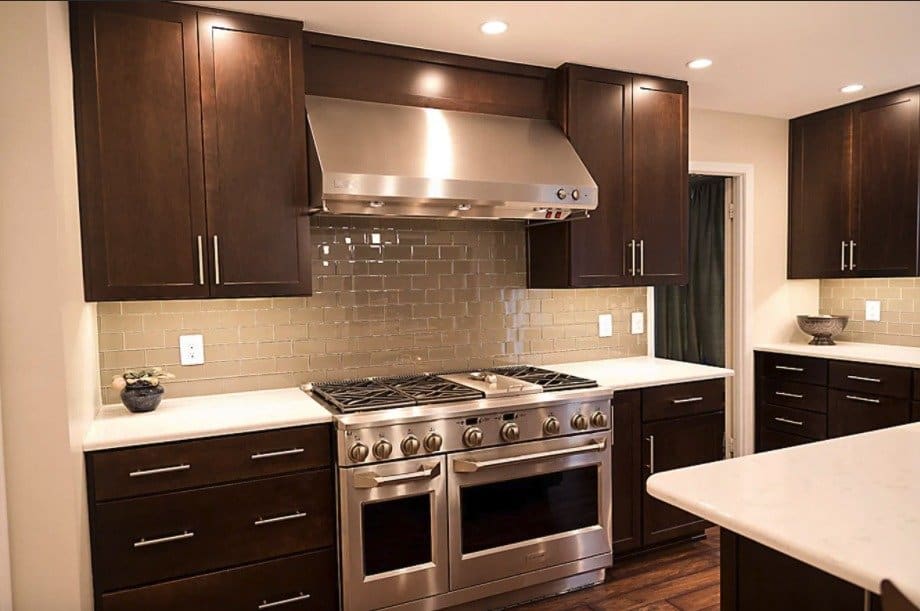
Image Source: ohanlonkitchens.com
1. Maximize Natural Light: Let the Sun Shine In
The most potent weapon against a dark kitchen is natural light. Before considering any artificial solutions, it’s crucial to make the most of the sunlight you already have. Even a little sunlight can make a big difference in how open and airy your kitchen feels.
Harnessing Window Potential
Windows are your primary source of natural light. If you have them, treat them with respect and ensure they are working hard for you.
Keep Windows Unobstructed
- Window Coverings: Heavy, dark curtains or thick blinds can significantly block natural light. Opt for sheer curtains, blinds with adjustable slats, or even no window coverings at all if privacy isn’t a major concern. Light-filtering blinds can offer privacy while still allowing diffused sunlight to enter.
- Window Cleaning: It sounds simple, but clean windows let in more light. Grimy panes can dull the sunlight. Make a habit of cleaning your windows regularly, both inside and out.
- Window Treatments: If you have windows that are partially blocked by exterior elements like overgrown shrubs or trees, consider trimming them back. Even a small adjustment can allow more natural light to reach your kitchen.
Reflecting Light Further
Once sunlight enters your kitchen, you want it to bounce around.
- Mirrors: Strategically placed mirrors are powerful tools for reflecting natural light. Position a mirror opposite a window to bounce sunlight deeper into the room. A large mirror can act as a statement piece and dramatically increase perceived brightness.
- Glass Elements: Consider incorporating glass-fronted cabinets or glass shelving. These not only allow light to pass through but also create a sense of depth.
Skylights and Light Tubes
If your kitchen is particularly dark with limited window space, consider more structural solutions:
- Skylights: Installing a skylight is one of the most effective ways to flood a room with natural light. This is a larger renovation, but the impact on a dim kitchen can be transformative.
- Solar Tubes (Light Tubes): These are a more affordable and less invasive option than skylights. They capture sunlight on the roof and channel it down into your kitchen through a reflective tube, effectively bringing daylight into interior spaces.
2. Optimize Artificial Lighting: Layering for Luminescence
While natural light is ideal, it’s not always available. This is where a well-planned artificial lighting scheme comes into play. Simply having one overhead fixture often isn’t enough for a dark kitchen. You need layers of light to brighten every corner and make the space functional and inviting.
The Three Layers of Kitchen Lighting
Think of kitchen lighting in three main categories: ambient, task, and accent lighting.
Ambient Lighting: The General Glow
Ambient lighting provides the overall illumination for the room.
- Ceiling Fixtures: A bright, flush-mount ceiling fixture or a well-placed recessed lighting system can provide a good base layer. If you have a central fixture, consider upgrading to a brighter bulb or a fixture that diffuses light more effectively.
- Track Lighting: Versatile track lighting can be directed to illuminate different areas of the kitchen, providing flexibility.
Task Lighting: Illuminating Work Areas
Task lighting is crucial for a functional kitchen. It directly illuminates the surfaces where you perform tasks like chopping vegetables, mixing ingredients, or reading recipes.
- Under Cabinet Lights: This is arguably the most impactful type of task lighting for a kitchen. Under cabinet lights banish the dark shadows often cast by upper cabinets onto countertops. They are essential for safe and efficient food preparation.
- Types of Under Cabinet Lighting:
- LED Strips: Flexible, energy-efficient, and easy to install, LED strips are a popular choice. They provide a continuous line of light.
- Puck Lights: Small, circular lights that can be mounted individually. They are good for targeted illumination.
- Bar Lights: Longer, more rigid fixtures that offer broader illumination.
- Installation: Many under cabinet lights are plug-in, making them a DIY-friendly option. Hardwired options offer a cleaner look but require more expertise.
- Types of Under Cabinet Lighting:
- Pendant Lights: Strategically placed pendant lights can provide both excellent task lighting over islands or peninsulas and add decorative flair. Their downward-facing light is perfect for illuminating work surfaces. Choose pendants with clear or frosted glass shades to maximize light output.
- Recessed Lighting: While often used for ambient light, carefully positioned recessed lights can also serve as task lighting directly over work areas.
Accent Lighting: Highlighting Features
Accent lighting is used to draw attention to specific features, adding depth and visual interest.
- Cabinet Interior Lighting: Installing lights inside glass-fronted cabinets or open shelving can highlight decorative items and glassware, making the kitchen feel more luxurious and brighter.
- Spotlights: Small, adjustable spotlights can be used to highlight artwork or architectural details.
Smart Lighting Choices
- Dimmers: Install dimmer switches on as many fixtures as possible. This allows you to control the intensity of the light, creating different moods for different times of day or activities.
- Bulb Brightness and Color Temperature:
- Brightness (Lumens): Choose bulbs with a higher lumen output for brighter light.
- Color Temperature (Kelvin):
- Warm White (2700K-3000K): Creates a cozy, inviting atmosphere.
- Cool White/Daylight (4000K-6500K): Mimics natural daylight and is excellent for task areas where clarity is needed. A mix of warm and cool light can be beneficial in a kitchen.
3. Lighter Paint Colors: The Illusion of Space
The color of your walls and cabinets plays a significant role in how light is absorbed or reflected. Dark colors absorb light, making a room feel smaller and dimmer, while lighter colors reflect it, creating a brighter and more spacious feel.
Wall Colors
- Whites and Off-Whites: These are classic choices for a reason. They bounce light effectively, making any space feel larger and brighter. Consider shades like:
- Pure White: Bright and crisp, but can sometimes feel stark.
- Soft White: A warmer, more forgiving white.
- Cream: Adds a touch of warmth and subtle color.
- Pale Gray or Beige: Neutral tones that can offer a sophisticated alternative to pure white while still being highly reflective.
- Pastels: Light blues, greens, or yellows can add a touch of color while maintaining good light reflectivity. Choose muted, desaturated tones for a sophisticated look.
- Satin or Eggshell Finishes: These paint finishes have a slight sheen that reflects light better than matte finishes. Avoid high-gloss finishes on walls, as they can create distracting glare.
Cabinet Colors
Your cabinets often take up a significant visual space in the kitchen, so their color is critical.
- Light-Colored Cabinets:
- White Kitchen Cabinets: Timeless and consistently a top choice for brightening a kitchen.
- Light Gray Cabinets: A modern and stylish option that offers a softer alternative to white.
- Pale Wood Tones: Natural wood finishes like maple, birch, or light oak can bring warmth without darkening the space.
- Light Pastels: Consider cabinets painted in soft hues like mint green, pale blue, or soft yellow.
- Cabinet Finish: Similar to walls, a satin or semi-gloss finish on cabinets will reflect more light than a matte finish.
Ceiling Color
Don’t forget the ceiling! Painting the ceiling a bright white or a very light shade of your wall color can make the room feel taller and more open, reflecting light downwards.
4. Reflective Surfaces: Doubling the Light
Incorporating reflective surfaces is a clever trick to make a dark kitchen feel significantly brighter and more spacious. These materials bounce light around the room, creating a luminous effect.
High-Gloss Finishes
- Cabinet Finishes: As mentioned earlier, consider cabinets with a semi-gloss or high-gloss finish. This will reflect light from your artificial lighting and any natural light that enters. Be mindful that high-gloss surfaces can highlight imperfections, so ensure your cabinets are in good condition.
- Backsplash Tiles: Opt for glossy ceramic tiles, glass tiles, or even mirrored tiles for your backsplash. They act as mini-mirrors, scattering light.
Shiny Appliances and Fixtures
- Stainless Steel: Stainless steel appliances are not only sleek and modern but also highly reflective. If you’re upgrading appliances, consider stainless steel to boost brightness.
- Chrome or Polished Nickel Fixtures: Faucets, cabinet hardware, and light fixtures in polished finishes reflect light better than matte or brushed finishes.
Other Reflective Elements
- Glass: Glass-fronted cabinets, glass shelves, or even a glass-topped coffee table (if you have a dining area in your kitchen) can add reflective qualities.
- Metallic Accents: Consider metallic decorative items, trays, or even metallic wallpaper accents to introduce subtle reflections.
5. Declutter Countertops: Creating Visual Breathing Room
A cluttered kitchen, especially a dark one, can feel claustrophobic and even dimmer because visual “noise” can absorb light and make the space feel smaller than it is. Keeping your countertops clear is a crucial step in brightening your kitchen, both visually and practically.
The Impact of Clutter
- Light Absorption: Every item on your countertop, especially if it’s dark or textured, absorbs light. When you have many objects, they create shadows and reduce the amount of light that can reflect off your surfaces.
- Visual Weight: Clutter adds visual weight to a space. Removing unnecessary items makes the kitchen feel more open, airy, and significantly brighter.
- Perceived Size: A clean, organized countertop makes the kitchen appear larger.
Strategies for Decluttering
- \”A Place for Everything, and Everything in Its Place\”:
- Use Cabinet and Drawer Organizers: Maximize your storage space by using dividers, trays, and risers inside cabinets and drawers. This helps you store items efficiently and keep them out of sight.
- Wall-Mounted Storage: Utilize wall space with shelves, magnetic knife strips, or pot racks to get items off the countertops.
- Utilize Vertical Space: Stackable containers and tiered shelves can help you make the most of your cabinet space.
- Regular Purging: Make a habit of regularly going through your kitchen items. Donate or discard anything you don’t use, need, or love.
- Essential Items Only: Keep only frequently used items on the countertops. If you only use a specific appliance once a year, store it away.
- Decorative Items: While a few well-chosen decorative items can add personality, too many can contribute to clutter. Choose a few impactful pieces rather than many small ones.
- \”One In, One Out\” Rule: For every new item you bring into the kitchen, try to remove one similar item.
Creating a Serene Surface
Once decluttered, your countertops will reflect more light. Consider how the material of your countertops themselves contributes to brightness. Light-colored quartz, granite, or marble can further enhance the feeling of spaciousness and light.
Frequently Asked Questions (FAQ)
Q1: Can I paint my dark kitchen cabinets white to brighten the space?
A1: Yes, absolutely! Painting dark cabinets white or a lighter color is one of the most effective ways to brighten a kitchen. It dramatically changes the feel of the room. Ensure you use a good quality primer and paint designed for cabinets for a durable finish.
Q2: What is the best type of lighting for a dark kitchen?
A2: The best lighting is layered lighting. This includes good ambient lighting for overall illumination, task lighting (especially under cabinet lights and pendant lights over islands) for work areas, and accent lighting to highlight features. A combination of these types will create the brightest and most functional kitchen.
Q3: How much natural light can a skylight add to a kitchen?
A3: A skylight can add a significant amount of natural light, effectively bringing daylight directly into the room. The amount of light will depend on the size of the skylight and the amount of direct sunlight it receives throughout the day.
Q4: Will using more reflective surfaces make my kitchen look sterile?
A4: Not necessarily. While too many highly reflective surfaces can be overwhelming, strategic use can enhance brightness without making the space feel sterile. Balance reflective elements like glossy tiles or metallic accents with warmer materials, wood tones, and strategic pops of color.
Q5: How often should I declutter countertops?
A5: It’s beneficial to do a quick tidy and put things away daily. A more thorough decluttering session every few months or seasonally can help maintain the bright, open feel of your kitchen.
By implementing these five easy tips, you can transform even the darkest kitchen into a bright, welcoming, and functional space. Focus on maximizing every ray of natural light, layering your artificial lighting effectively, choosing lighter paint colors, incorporating reflective surfaces, and keeping your countertops clear.