
Can you use a store-bought oven cleaner on your KitchenAid oven? Generally, yes, but it’s crucial to check your owner’s manual first. Different models and finishes may require specific cleaning products or methods to avoid damage. What are the best ways to remove baked-on food from my KitchenAid oven? Stubborn grime often responds well to a baking soda paste, steam cleaning, or specialized oven degreasers, depending on the severity.
Keeping your KitchenAid oven sparkling clean not only enhances its appearance but also ensures efficient cooking and extends its lifespan. Baked-on grease, food splatters, and burnt residue can accumulate over time, making your oven less effective and potentially creating unpleasant odors. Fortunately, there are several fast and effective methods to tackle this common kitchen chore. This comprehensive guide will walk you through everything you need to know about KitchenAid oven cleaning, from regular maintenance to tackling those truly tough messes.
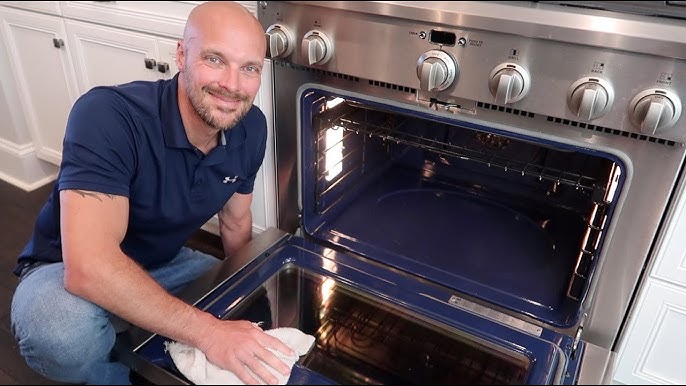
Image Source: i.ytimg.com
Preparing for KitchenAid Oven Cleaning
Before you dive into cleaning, proper preparation is key to a safe and efficient process. This ensures you have everything you need and minimize any potential risks.
Gathering Your Supplies
Having all your cleaning tools and solutions ready before you start will make the process much smoother.
Essential Supplies:
- Gloves: Protect your hands from harsh cleaners and grime.
- Safety Glasses: Shield your eyes from splashes.
- Soft Cloths or Microfiber Towels: For wiping and buffing.
- Sponge or Scrubber: Choose non-abrasive options to avoid scratching surfaces.
- Old Newspapers or Drop Cloth: To protect your floor from drips.
- Baking Soda: A fantastic natural abrasive and deodorizer.
- White Vinegar: Helps to cut through grease and shine surfaces.
- Dish Soap: A mild degreaser for everyday messes.
- Commercial Oven Cleaner (if recommended by your manual): For tougher jobs.
- Spatula or Plastic Scraper: For gently removing loose debris.
- Bucket: For water and cleaning solutions.
- Spray Bottle: For vinegar or water solutions.
Ensuring Safety Precautions
Safety should always be your top priority when cleaning your oven.
- Ventilation is Crucial: Open windows and turn on your kitchen exhaust fan. Some oven cleaners can produce strong fumes.
- Unplug or Turn Off Power: For electric ovens, ensure the power supply is disconnected to prevent electrical hazards.
- Read Your Oven Manual: Always consult your KitchenAid oven’s user manual for specific cleaning instructions and recommended products. It will highlight any materials to avoid or special features to consider, like the self-cleaning function.
- Test Cleaners: If using a commercial cleaner for the first time, test it on a small, inconspicuous area to ensure it doesn’t damage the oven’s finish.
Routine KitchenAid Oven Cleaning and Maintenance
Regular cleaning prevents buildup and makes deeper cleaning much easier. Incorporating these simple steps into your routine is a form of KitchenAid oven maintenance that pays off.
Daily Wipes
After each use, allow the oven to cool completely. Then, wipe down the interior with a damp cloth. This is especially important for spills that occurred during cooking.
Weekly Touch-Ups
Once a week, or as needed, address any minor splatters. A mild solution of dish soap and water is usually sufficient.
Simple Weekly Cleaning Method:
- Allow the oven to cool fully.
- Mix a few drops of mild dish soap with warm water in a bowl.
- Dip a soft cloth into the soapy water, wring it out well, and wipe down the interior surfaces.
- Rinse the cloth with clean water, wring it out, and wipe away any soap residue.
- Dry the interior with a clean, dry microfiber cloth.
This simple routine is a core part of effective KitchenAid oven maintenance.
Tackling Tough KitchenAid Oven Cleaning Tasks
When routine cleaning isn’t enough, it’s time for more targeted approaches. These methods are designed for removing baked-on food KitchenAid oven models might accumulate.
Using Baking Soda Paste (Natural Oven Cleaning Methods)
Baking soda is a powerful yet natural cleaner that can effectively lift stubborn grime without harsh chemicals. This is one of the most recommended natural oven cleaning methods.
How to Use Baking Soda Paste:
- Make the Paste: In a bowl, mix about 1/2 cup of baking soda with a few tablespoons of water. Adjust the amount of water until you have a thick, spreadable paste.
- Apply the Paste: Wearing gloves, spread the paste all over the interior surfaces of your oven, avoiding the heating elements. Focus on areas with heavy buildup. The paste might turn brown as it interacts with the grime.
- Let it Sit: Leave the paste on for at least a few hours, or preferably overnight, to allow it to soften the baked-on food.
- Wipe Away: After the waiting period, use a damp cloth or sponge to wipe away the dried baking soda paste and loosened grime. A plastic scraper can help dislodge stubborn bits.
- Rinse and Dry: Wipe the oven interior with a clean, damp cloth to remove any residue. Then, dry thoroughly with a soft cloth. For any remaining streaks, a light spray of diluted white vinegar can help.
This method is excellent for degreasing KitchenAid oven interiors without introducing abrasive chemicals.
Steam Cleaning for a Quick Refresh
Steam can loosen light to moderate grease and food splatters, making them easier to wipe away. This is a quick and easy method for regular upkeep.
Steam Cleaning Steps:
- Preheat: Some recommend preheating the oven slightly, but check your manual. Others suggest simply adding water to a heat-safe dish.
- Add Water: Pour about 1 cup of water into an oven-safe dish or bowl. For an extra degreasing boost, add a tablespoon of white vinegar or a few drops of dish soap to the water.
- Heat: Place the dish in the oven and close the door. Heat the oven to a moderate temperature (around 250-300°F or 120-150°C) for 20-30 minutes.
- Cool and Wipe: Turn off the oven and let it cool down enough so you can safely touch the interior surfaces without burning yourself. The steam should have softened the grime. Wipe down the interior with a damp cloth or sponge.
Using Commercial Oven Cleaners (If Recommended)
If your KitchenAid oven’s manual permits, a commercial oven cleaner can be a powerful option for heavily soiled ovens. Always choose a product specifically designed for ovens and follow the instructions meticulously.
Using Commercial Cleaners Safely:
- Read Instructions: Carefully read and follow all instructions and safety warnings on the cleaner’s label.
- Protect Yourself: Wear gloves and safety glasses. Ensure the area is well-ventilated.
- Apply Sparingly: Apply the cleaner to the oven interior, avoiding heating elements, door gaskets, and any pilot lights.
- Wait: Allow the cleaner to sit for the time recommended on the product label.
- Wipe and Rinse: Use a damp cloth or sponge to wipe away the cleaner and dissolved grime. You will likely need to rinse the cloth multiple times and wipe down the oven multiple times to remove all residue.
- Final Wipe: A final wipe with a clean, damp cloth followed by a dry one is essential to remove any lingering chemicals.
Important Note: Some commercial oven cleaners can be very harsh. Always check your KitchenAid oven’s manual before using them.
Cleaning Specific KitchenAid Oven Components
Different parts of your oven require slightly different cleaning approaches.
Cleaning Oven Racks KitchenAid
Oven racks can accumulate a significant amount of burnt-on grease and food particles. Here are several effective methods for cleaning oven racks KitchenAid models might have.
Methods for Cleaning Oven Racks:
- Baking Soda Paste: Apply the baking soda paste (as described above) to the racks. Let it sit for several hours or overnight, then scrub with a non-abrasive sponge or brush and rinse thoroughly.
- Soaking in the Bathtub: Lay old towels in your bathtub to protect the surface. Place the oven racks on top of the towels. Fill the tub with hot water and add a generous amount of dish soap and a cup of baking soda or white vinegar. Let the racks soak for several hours or overnight. Scrub away any remaining residue and rinse.
- Dishwasher (Check Manual): Some modern oven racks are dishwasher safe. Consult your KitchenAid oven manual to see if yours can be cleaned this way. Place them on the bottom rack and run a normal cycle.
- Commercial Oven Cleaner (Use Caution): If using a commercial cleaner, ensure it’s safe for the rack material. Apply in a well-ventilated area, let it sit, and then scrub and rinse thoroughly.
Tip: For exceptionally greasy racks, you might need to repeat the soaking or scrubbing process.
Cleaning Stainless Steel KitchenAid Oven Surfaces
Many KitchenAid ovens feature stylish stainless steel exteriors. Cleaning stainless steel requires a gentle touch to avoid scratches.
Cleaning Stainless Steel:
- Use the Right Cleaner: For stainless steel, opt for a specialized stainless steel cleaner, or a mild solution of dish soap and warm water. Avoid abrasive cleaners or scouring pads.
- Wipe with the Grain: Always wipe in the direction of the stainless steel grain. You can usually see faint lines indicating the grain. Wiping against the grain can cause micro-scratches.
- Apply Cleaner to Cloth: Spray cleaner onto a soft microfiber cloth, not directly onto the oven surface, to prevent drips and uneven application.
- Wipe and Buff: Wipe the surface gently. For a streak-free shine, buff the surface with a clean, dry microfiber cloth, again following the grain.
- Vinegar for Shine: A diluted white vinegar solution (50/50 with water) sprayed onto a cloth can also help remove fingerprints and bring out the shine on stainless steel.
Important: Do not use glass cleaners or cleaners containing ammonia on stainless steel as they can damage the finish.
Cleaning the Oven Door Glass KitchenAid
The oven door glass often gets splattered with food, making it look dirty and obscuring your view of the food cooking inside.
Methods for Cleaning Oven Door Glass:
- Baking Soda Paste: Similar to cleaning the oven interior, a baking soda paste can be very effective on the oven door glass. Apply, let it sit for 30 minutes, then gently scrub with a non-abrasive sponge and wipe clean.
- Vinegar and Water: A spray of diluted white vinegar can help loosen light grime. Spray, let it sit for a few minutes, and then wipe clean with a microfiber cloth.
- Commercial Glass Cleaner (Exterior Only): For the exterior glass surface, you can use a standard glass cleaner. However, never spray glass cleaner inside the oven cavity, as it can damage components and leave harmful fumes when the oven is heated.
- Razor Blade Scraper (Use with Extreme Caution): For very stubborn burnt-on spots on the glass only, a flat razor blade scraper can be used at a very low angle. Be extremely careful not to scratch the glass or damage the oven door seals. This is usually a last resort and should be done very gently.
For cleaning between oven door glass panes: This is a more involved process and typically requires referring to your KitchenAid oven manual for specific instructions. Some models allow for the door to be disassembled to clean the inner glass.
Special Considerations for Self-Cleaning KitchenAid Oven
If you have a self-cleaning KitchenAid oven, this feature can be a lifesaver. However, it’s important to use it correctly and understand its limitations.
How to Use the Self-Cleaning Feature
- Remove Racks and Accessories: Always remove oven racks, broiler pans, and any other accessories from the oven before starting the self-cleaning cycle. The extreme heat can damage these items and discoloration is common.
- Wipe Loose Debris: Scrape out any large food particles or debris from the oven floor. Excessive buildup can create smoke or even flames during the cycle.
- Close and Lock: Ensure the oven door is firmly closed. The door will automatically lock for safety during the cycle.
- Select Cycle: Choose the self-cleaning cycle, often with options for duration (e.g., 2, 3, or 4 hours). Shorter cycles are for lighter soil, longer for heavier buildup.
- Ventilation: Keep your kitchen well-ventilated during the cycle, as some smoke and odor are normal.
- Cool Down: After the cycle finishes, the oven will need to cool down before the door unlocks. Do not try to force it open.
- Wipe Ash Residue: Once the oven has cooled and the door unlocks, you’ll find a fine ash residue on the oven floor and walls. Wipe this away with a damp cloth.
When Not to Use the Self-Cleaning Feature
- Heavy Grease Buildup: If the oven is excessively greasy, the self-cleaning cycle can create a lot of smoke and potentially damage the oven’s electronic components or heating elements. It’s better to pre-clean heavily soiled areas.
- After Chemical Oven Cleaners: Never use chemical oven cleaners and then run the self-cleaning cycle. The combination of harsh chemicals and high heat can be dangerous and damage the oven.
- With Oven Door Open: Never attempt to clean the oven while the self-cleaning cycle is in progress.
Best Oven Cleaner for KitchenAid
Choosing the “best” oven cleaner depends on the type of mess and your preference for natural versus chemical solutions.
- For Natural Cleaning: Baking soda and white vinegar are excellent, effective, and safe choices for most KitchenAid ovens.
- For Tough Grease: If natural methods aren’t cutting it, a mild dish soap can help with degreasing KitchenAid oven interiors.
- For Stubborn Buildup: If your manual allows, a commercial oven cleaner specifically formulated for the type of oven you have (e.g., enamel, stainless steel) can be used. Look for brands that are reputable and have clear instructions. Always test in a small area first.
Degreasing KitchenAid Oven Effectively
Degreasing is a common challenge. The combination of heat from cooking and fatty residues creates a tough film.
Effective Degreasing Techniques:
- Hot Soapy Water: For lighter grease, hot water with a good degreasing dish soap is often enough.
- Baking Soda Paste: The abrasive nature of baking soda helps lift grease.
- Vinegar: The acidity of vinegar helps break down grease. You can use it as a spray or in a steam cleaning.
- Commercial Degreasers: Specialized oven degreasers are available and can be very effective, but always ensure they are suitable for your KitchenAid oven model.
Frequently Asked Questions (FAQ)
Q1: Can I use my KitchenAid oven’s self-cleaning feature after using a chemical oven cleaner?
A1: No, absolutely not. Never use a chemical oven cleaner and then follow up with the self-cleaning cycle. The chemical residue combined with the extreme heat of the self-cleaning cycle can produce toxic fumes and potentially damage your oven.
Q2: How often should I clean my KitchenAid oven?
A2: It’s best to perform quick wipe-downs after each use for spills. A more thorough interior cleaning should be done every 3-6 months, or as needed, depending on how frequently you use your oven and the types of cooking you do. Regular maintenance, like weekly touch-ups, will extend the time between deep cleans.
Q3: My KitchenAid oven racks are heavily soiled. What’s the best way to clean them?
A3: For heavily soiled racks, soaking them overnight in a bathtub with hot water, dish soap, and baking soda or vinegar is highly recommended. Alternatively, apply a thick baking soda paste to the racks, let it sit for several hours or overnight, then scrub and rinse. Always check your manual to see if they are dishwasher safe, though this is less effective for heavy buildup.
Q4: What is the best way to remove burnt-on food from my KitchenAid oven?
A4: For burnt-on food, the baking soda paste method is usually the most effective natural approach. Apply the paste, let it sit for several hours or overnight, then gently scrape and wipe away the softened grime. For very tough spots, a specialized oven cleaner (if permitted by your manual) might be necessary.
Q5: How do I clean the glass on my KitchenAid oven door without scratching it?
A5: Use a baking soda paste or a diluted vinegar solution. Apply the paste or spray the vinegar solution, let it sit for a while, then gently scrub with a soft sponge or cloth. Avoid abrasive scrubbers or steel wool. For extremely tough spots, a flat razor blade scraper can be used with extreme caution on the glass only, held at a very low angle.
Q6: Is it safe to use ammonia to clean my KitchenAid oven?
A6: It is generally not recommended to use ammonia to clean the interior of your KitchenAid oven. Ammonia fumes are strong and can damage the oven’s interior finish and components. Always refer to your owner’s manual for recommended cleaning agents.
By following these detailed steps and KitchenAid oven cleaning tips, you can keep your appliance in pristine condition, ensuring efficient cooking and a beautiful kitchen. Regular KitchenAid oven maintenance, combined with effective cleaning strategies, will make sure your oven serves you well for years to come.