
Can you cool off an open outdoor kitchen? Yes, absolutely! By implementing a combination of smart strategies and effective tools, you can transform your sizzling outdoor cooking space into a comfortable oasis, even on the hottest days.
An open outdoor kitchen offers the freedom to cook and entertain al fresco, but the summer sun can quickly turn this dream into a sweltering reality. Don’t let high temperatures dictate your outdoor enjoyment. This comprehensive guide will explore the most effective methods to keep your open-air culinary hub cool and inviting, allowing you to savor every moment.
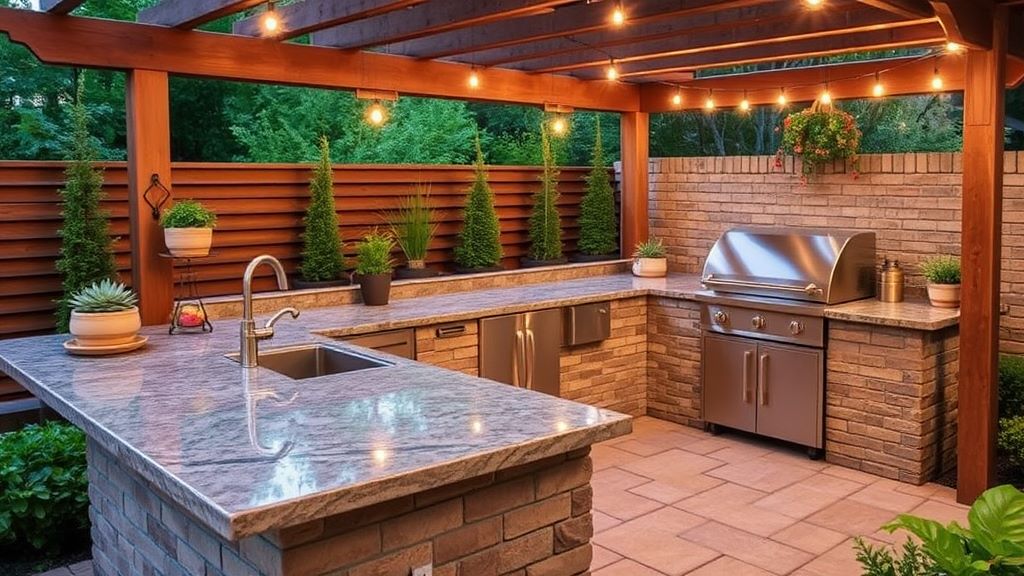
Image Source: gwsmasonry.com
Creating a Cooler Cooking Environment: Essential Strategies
The key to a comfortable outdoor kitchen lies in a multi-pronged approach. We’ll delve into various solutions, from passive cooling techniques to active cooling systems, ensuring you have a wealth of options to suit your space and budget.
1. Harnessing the Power of Shade: Your First Line of Defense
The most fundamental way to combat heat is to block the sun’s direct rays. Implementing effective shade structures is paramount.
Understanding Different Shade Solutions
There are numerous ways to cast a welcome shadow over your outdoor kitchen. Each offers unique benefits and aesthetic appeal.
-
Retractable Awnings: These are incredibly versatile. When the sun is at its peak, extend them for instant shade. When it’s cooler or you want more natural light, simply retract them. Retractable awnings can be manual or motorized, offering convenience at the touch of a button. They are ideal for covering a specific area directly above your kitchen or seating area.
-
Pergolas: A classic choice, pergolas provide a more permanent and structural solution. They can be designed with or without a solid roof. A pergola with fans integrated into its design is an excellent way to combine shade with air circulation. You can further enhance a pergola’s shade by adding climbing plants, fabric canopies, or even louvers that can be adjusted.
-
Sail Shades: These are modern and stylish, offering flexible shade solutions. Made from durable fabric, they can be anchored to existing structures or poles. Sail shades can be arranged in various configurations to create an artistic and effective shaded area.
-
Umbrellas: While simpler, large cantilever or market umbrellas can provide immediate and portable shade. They are a good option for smaller spaces or if you need flexibility in positioning.
-
Natural Shade: If you have mature trees in your yard, strategically position your outdoor kitchen to benefit from their natural canopy. This is the most organic and often the most visually appealing shade solution.
The Impact of Shade on Temperature
Simply blocking direct sunlight can significantly lower the ambient temperature in your outdoor kitchen area. Surfaces that would otherwise absorb and radiate heat, like countertops and flooring, are protected. This reduction in radiant heat makes a substantial difference in overall comfort.
2. Enhancing Airflow: Keeping the Air Moving
Stagnant, hot air is the enemy of comfort. Increasing air circulation is crucial for dissipating heat and creating a refreshing breeze.
Utilizing Outdoor Fans
Investing in appropriate outdoor fans is a highly effective method for cooling. Standard indoor fans are not designed for outdoor elements and can be damaged by moisture. Look for fans specifically designed for outdoor use, which are typically weather-resistant.
-
Ceiling Fans: Mounted under a covered patio or pergola, outdoor ceiling fans can move a large volume of air, creating a significant cooling effect. Ensure they are rated for damp or wet locations depending on your exposure.
-
Pedestal or Floor Fans: These are portable and can be directed where needed most, such as near the cooking area or seating. Again, choose models designed for outdoor use.
-
Wall-Mounted Fans: Similar to ceiling fans but mounted on walls, these can provide directed airflow without taking up floor space.
The Role of Natural Ventilation
Proper design can also promote natural ventilation. This involves arranging your outdoor kitchen in a way that allows breezes to flow through unimpeded. Open sides and strategically placed openings are key. Avoid enclosing the space completely with solid walls, which can trap heat.
3. Embracing Evaporative Cooling: The Power of Water
Evaporative cooling, also known as evaporative cooling patios or swamp cooling, uses the natural process of evaporation to lower air temperature. As water evaporates, it absorbs heat from the surrounding air, making the air cooler.
Misting Systems: A Refreshing Solution
Misting systems, also referred to as patio misters, are one of the most popular and effective ways to cool outdoor spaces. These systems consist of fine nozzles that atomize water into a very fine mist.
-
How Misting Systems Work: As the tiny water droplets are released, they quickly evaporate in the warm air. This evaporation process draws heat from the air, creating a noticeable drop in temperature.
-
Installation: Misting systems can be installed along the edges of roofs, pergolas, awnings, or even as standalone misting poles. They are typically connected to a standard garden hose and can be fitted with timers for automated operation.
-
Effectiveness: The effectiveness of a misting system depends on the humidity levels. They work best in dry climates. In high humidity, the evaporation process is slower, leading to less cooling and potentially making the air feel damp.
-
Types of Misting Systems:
- High-Pressure Misting Systems: These produce a finer mist and offer more efficient cooling. They require a specialized pump.
- Low-Pressure Misting Systems: These are simpler to install and connect directly to a hose. The mist droplets are larger and may not evaporate as quickly.
Evaporative Coolers
While often used indoors, portable evaporative coolers can also be beneficial in outdoor kitchen settings. These units combine a fan with a water-soaked pad. Air is drawn through the wet pad, where it cools through evaporation, and then blown out.
-
Portability: The advantage of portable evaporative coolers is their mobility. You can move them to where the cooling is most needed.
-
Water Consumption: They do require a water reservoir that needs to be refilled.
-
Climate Suitability: Like misting systems, evaporative coolers are most effective in dry climates.
4. Smart Material Choices and Design Elements
The materials you choose for your outdoor kitchen and surrounding areas play a significant role in heat absorption and retention.
Cool Color Palettes
Lighter colors reflect more sunlight than darker colors. Consider using lighter-hued materials for countertops, flooring, and even the exterior of your kitchen structure. This simple design choice can make a noticeable difference.
Heat-Resistant Surfaces
Opt for materials known for their heat resistance. Granite, concrete, and some types of tile can get quite hot in direct sun. Consider options like:
- Porcelain Tile: Can be a good option if sealed properly and in lighter colors.
- Natural Stone (lighter shades): Some stones like travertine or lighter granite can stay cooler.
- Composite Decking: Some composite materials are engineered to stay cooler than traditional wood.
Strategic Landscaping
Plants can be a great ally in keeping your outdoor kitchen cool.
- Trees and Tall Shrubs: Plant deciduous trees on the south and west sides of your outdoor kitchen to provide summer shade but allow sunlight through in the winter.
- Vining Plants: Grow vines on pergolas or trellises to create a living canopy that offers both shade and a cooling effect as the plants transpire.
5. Personal Cooling Solutions: Staying Comfortable Yourself
Beyond cooling the entire space, you can also employ personal cooling methods.
Cooling Cloths
Cooling cloths are highly effective for personal comfort. These are typically made from special fabrics that retain water and remain cool through evaporation. Simply soak them in water, wring them out, and wear them around your neck or head. As the water evaporates from the cloth, it draws heat away from your body.
Hydration
Staying hydrated is crucial in hot weather. Keep plenty of cold beverages readily available for yourself and your guests. Water, infused water, or electrolyte drinks are excellent choices.
Combining Cooling Methods for Maximum Impact
The most successful approach to cooling an open outdoor kitchen often involves integrating multiple strategies. For instance, combining a shade structure like a pergola with fans and a misting system can create a remarkably cool environment. The shade reduces direct solar gain, the fans circulate air, and the mist provides evaporative cooling.
Here’s a table summarizing the key cooling strategies and their benefits:
| Cooling Strategy | Primary Mechanism | Best For (Climate) | Notes |
|---|---|---|---|
| Shade Structures | Blocks direct solar radiation | All | Essential first step. Reduces radiant heat. |
| Outdoor Fans | Air circulation | All | Moves air, creates a cooling breeze. |
| Misting Systems | Evaporative cooling | Dry to Moderate Humidity | Most effective in dry climates. Can make humid areas damp. |
| Evaporative Coolers | Evaporative cooling | Dry | Portable, effective for targeted cooling. |
| Landscaping | Shade, transpiration | All | Long-term solution, enhances aesthetics. |
| Light Colors/Materials | Reflects solar radiation | All | Simple design choice with good impact. |
| Cooling Cloths | Personal evaporative cooling | All | Immediate relief for individuals. |
Addressing Potential Challenges
While these solutions are effective, it’s important to consider potential drawbacks and how to mitigate them.
Moisture Management
Misting systems and evaporative coolers introduce moisture into the air. In humid climates, this can lead to:
- Increased Perceived Temperature: If the mist doesn’t evaporate quickly, it can make the air feel clammy and less comfortable.
- Mold and Mildew: Excessive moisture can encourage the growth of mold and mildew on surfaces, especially in shaded or poorly ventilated areas.
- Damage to Materials: Certain materials, like untreated wood or porous stone, can be damaged by constant moisture.
Solutions:
- Use timers: Operate misting systems only when necessary and for limited durations.
- Consider zone control: If possible, set up misting zones so you can turn them off in areas that don’t need it.
- Ensure good drainage: Design your outdoor kitchen area with proper drainage to prevent water from pooling.
- Choose appropriate materials: Opt for weather-resistant and water-repellent materials for your kitchen and surrounding structures.
- Enhance airflow: Use fans even when misting to help the mist evaporate efficiently.
Wind and Drafts
While fans are helpful, strong winds can sometimes disrupt the effectiveness of misting systems or blow heat around.
Solutions:
- Strategic placement: Position fans and misting nozzles to create directed airflow that complements natural breezes rather than fighting them.
- Adjustable systems: Use fans with adjustable speed and oscillation. Ensure your misting system has adjustable nozzles.
Power and Water Supply
Misting systems and electric fans require access to power and water.
Solutions:
- Professional installation: For misting systems, consider professional installation to ensure proper water pressure, nozzle placement, and integration with your home’s water supply. Electricians can install outdoor-rated power outlets safely.
- Portable solutions: For occasional use or if permanent installation isn’t feasible, consider portable fans and battery-operated misting fans.
Frequently Asked Questions (FAQ)
Q1: How much does a misting system for an outdoor kitchen cost?
A1: The cost can vary significantly depending on the size of the area, the type of system (high-pressure vs. low-pressure), the number of nozzles, and whether you install it yourself or hire a professional. Basic DIY kits can start from around $100-$200, while professional installations for larger areas can range from $500 to several thousand dollars.
Q2: Can I use a misting system in a humid climate?
A2: While misting systems can still offer some cooling in humid climates, their effectiveness is reduced. The water mist evaporates more slowly, and it can make the air feel damp and sticky rather than cool and dry. In such cases, focusing on shade and powerful air circulation from outdoor fans might be more beneficial.
Q3: What is the difference between a misting system and an evaporative cooler?
A3: A misting system atomizes water into the air, relying on evaporation from fine droplets to cool the surrounding area. An evaporative cooler (or swamp cooler) draws air through a wet pad, cooling the air directly before blowing it out. Misting systems create a general cooling effect in an area, while evaporative coolers provide more concentrated, directional cool air.
Q4: How much electricity do outdoor fans use?
A4: The electricity consumption of outdoor fans varies by size and motor efficiency. Most outdoor ceiling fans use between 50-100 watts, similar to indoor fans. Portable fans might use slightly less. Running them for several hours will contribute to your electricity bill, but it’s generally a modest cost for the comfort gained.
Q5: What are the best materials for an outdoor kitchen that won’t get too hot?
A5: Lighter-colored materials are best. For countertops, consider lighter granite, quartz, or even treated concrete. For flooring, lighter ceramic or porcelain tiles, or composite decking in lighter shades are good options. Avoid dark natural stones or dark-colored concrete, as they absorb and radiate a lot of heat.
Conclusion: Creating Your Cool Outdoor Culinary Escape
Your open outdoor kitchen doesn’t have to be a victim of the summer heat. By thoughtfully implementing strategies like installing robust shade structures, maximizing airflow with outdoor fans, and exploring the refreshing capabilities of misting systems and evaporative cooling patios, you can create a comfortable and enjoyable space. Remember that combining these methods often yields the best results. Whether you opt for the subtle elegance of a pergola with fans or the invigorating kiss of patio misters, the goal is to transform your outdoor kitchen into a cool, inviting haven where delicious meals and memorable moments can flourish, no matter how high the mercury climbs. By making informed choices and applying these cooling tips, you can extend the season of outdoor entertaining and cooking well into the warmest months.