
Do kitchen sink drains smell bad? Yes, they can, but you can easily get rid of those smells using simple, natural methods.
Unpleasant odors wafting from your kitchen sink drain can turn a pleasant cooking experience into a chore. These smells are often caused by trapped food particles, grease buildup, and the bacteria that thrive in damp, organic environments. Fortunately, you don’t need harsh chemicals or expensive drain cleaner products to tackle this common household problem. This comprehensive guide will walk you through effective, natural, and easy ways to eliminate those stubborn sink drain odors and keep your kitchen smelling fresh. We’ll explore the science behind the smells, delve into powerful natural remedies, and offer tips to prevent odors before they even start.
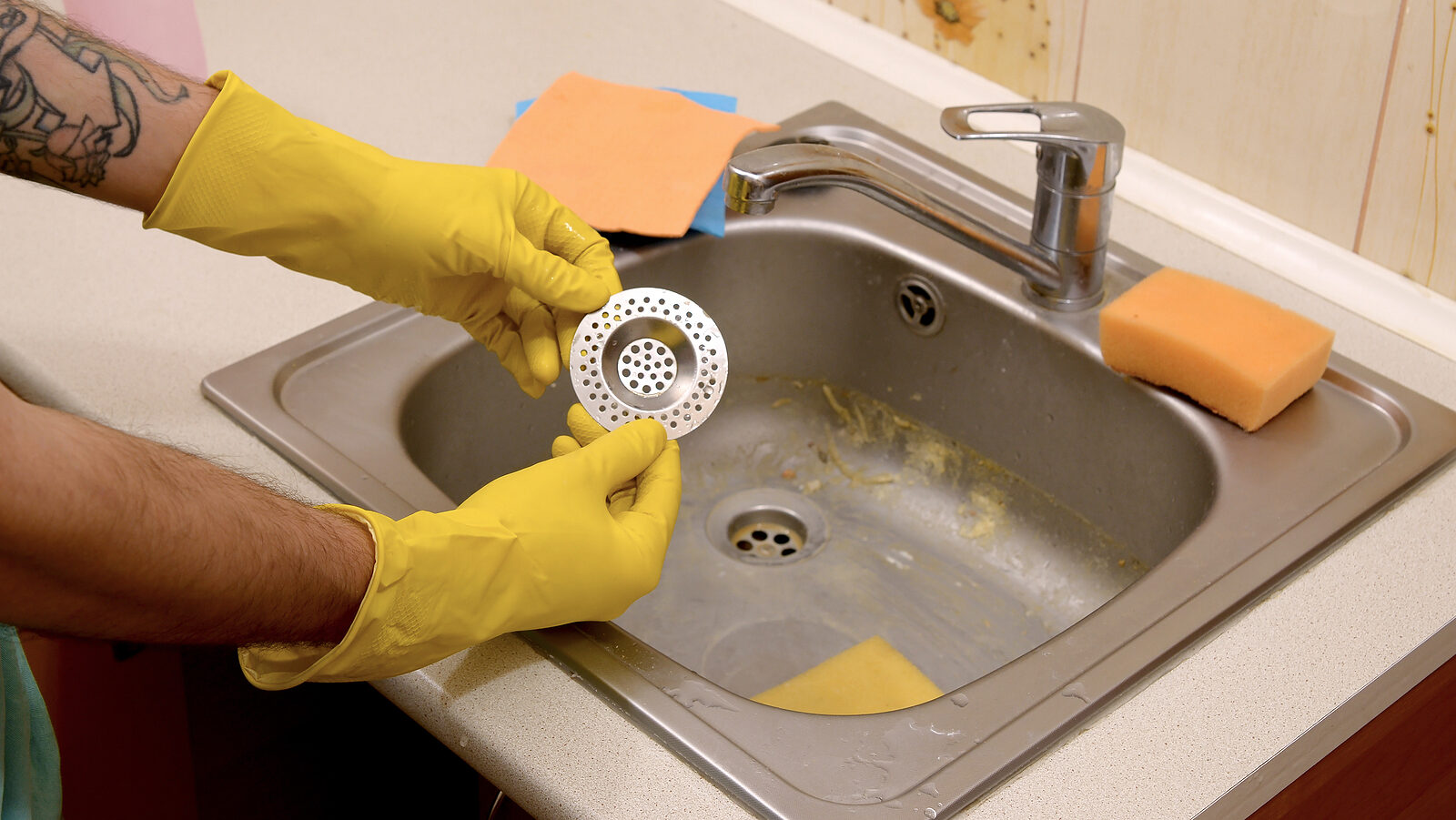
Image Source: blockbusters.co.uk
Deciphering the Source of Sink Drain Smells
Before we dive into solutions, let’s get to the bottom of why your sink drain smells. It’s usually a combination of factors working together.
The Culprits Behind the Stench
Several common culprits contribute to those unwelcome smells:
- Food Scraps: Tiny bits of food, especially starchy items like pasta, rice, and potato peels, are notorious for clinging to the drain pipe walls. As they decompose, they release foul-smelling gases.
- Grease Buildup: Pouring cooking grease, oils, and fats down the drain might seem harmless, but they solidify as they cool. This creates a sticky film that coats the inside of your pipes, trapping food particles and creating a perfect breeding ground for bacteria.
- Soap Scum: Over time, soap residue can mix with hair and other debris, forming a slimy layer that also traps odors.
- Bacteria and Mold: Warm, moist environments are ideal for bacteria and mold growth. The organic matter in your drain provides them with a feast, and their metabolic processes produce the unpleasant odors you detect.
- Garbage Disposal Cleaning Neglect: If you have a garbage disposal, food debris can get lodged in its grinding chamber and under the rubber splash guard. Without regular garbage disposal cleaning, this can become a significant source of foul smells.
- Clogged Drain Issues: Even a partial clogged drain can slow down water flow, allowing debris and stagnant water to sit in the pipes, intensifying odors.
Natural Powerhouses: Your Odor-Fighting Arsenal
The beauty of using natural ingredients is that they are effective, safe for your plumbing, and environmentally friendly. You likely already have many of these in your kitchen!
The Dynamic Duo: Baking Soda and Vinegar
The combination of baking soda and vinegar is a classic for a reason. This reaction creates a fizzing action that helps to loosen grime and kill odor-causing bacteria.
How to Use Baking Soda and Vinegar:
- Pour Baking Soda: Start by pouring about half a cup of baking soda directly down the drain. Make sure it gets into the drain opening as much as possible.
- Add Vinegar: Follow with about one cup of white vinegar. You’ll immediately see a fizzing reaction.
- Cover and Wait: Cover the drain with a stopper or a damp cloth to keep the reaction contained within the pipes. Let it sit for at least 30 minutes, or for tougher odors, let it sit for an hour or even overnight.
- Flush with Boiling Water: After the waiting period, flush the drain with a pot of boiling water. This helps to wash away the loosened debris and the vinegar/baking soda residue. Be cautious when handling boiling water.
Why it Works: Baking soda is a mild abrasive and a natural deodorizer. Vinegar is acidic, which helps to break down grease and soap scum and kill bacteria. The fizzy reaction physically dislodges buildup.
The Simple Flush: Boiling Water
Sometimes, the simplest solutions are the most effective. A good flush with boiling water can work wonders.
How to Use Boiling Water:
- Boil Water: Boil a kettle or a pot of water.
- Pour Slowly: Carefully and slowly pour the boiling water directly down the drain. Do this in stages if you have a lot of water to pour.
- Repeat if Necessary: For persistent odors, you might need to repeat this process a couple of times a week.
Why it Works: Boiling water can help to melt away solidified grease and flush out loose food particles. It also helps to kill some of the odor-causing bacteria. However, be mindful of your pipes: very old or plastic pipes might be sensitive to extreme heat, though most modern plumbing can handle it.
The Mighty Citrus Peel
Citrus fruits like lemons, limes, and oranges aren’t just good for your health; their peels can also freshen your drain.
How to Use Citrus Peels:
- Save Peels: Collect peels from lemons, limes, oranges, or grapefruit.
- Grind or Boil: You can either put a few peels into your garbage disposal (if you have one) and run it with cold water, or you can boil a handful of peels in water for about 15-20 minutes.
- Flush with Water: After grinding or boiling, flush the drain with cold water (for disposal) or the citrus-infused water (for boiling).
Why it Works: The natural oils in citrus peels have a fresh scent that masks odors. When used in a garbage disposal, they also help to scrub the blades and chamber. The acidity in citrus can also help to cut through some grime.
Salt and Baking Soda Combination
Salt acts as a mild abrasive and can help to scrub away buildup when combined with baking soda.
How to Use Salt and Baking Soda:
- Mix Ingredients: Combine about half a cup of salt with half a cup of baking soda in a bowl.
- Pour Down Drain: Pour the mixture down the drain.
- Let it Sit: Allow the mixture to sit for at least 30 minutes, or longer for tougher jobs.
- Flush: Flush thoroughly with boiling water.
Why it Works: The salt provides an abrasive action, while the baking soda deodorizes and helps to break down organic matter.
The Power of Ice and Salt (for Garbage Disposals)
If your odor source is primarily your garbage disposal, ice and salt can be an effective cleaning agent.
How to Use Ice and Salt:
- Fill Disposal: Fill your garbage disposal with ice cubes.
- Add Salt: Sprinkle about half a cup of coarse salt over the ice.
- Run Disposal: Turn on the cold water and run the garbage disposal.
- Repeat: Repeat this process periodically for a cleaner, fresher disposal.
Why it Works: The ice helps to scour the inside of the disposal chamber and blades, breaking off stuck-on food particles. The salt aids in this scrubbing action and helps to absorb odors.
Tackling Garbage Disposal Odors Specifically
A dirty garbage disposal is a prime suspect for bad kitchen sink smells. Regular maintenance is key.
Simple Steps for Garbage Disposal Cleaning
- Debris Removal: First, ensure the disposal is turned off and empty. Use tongs or pliers to carefully remove any visible debris, especially from under the rubber splash guard.
- Baking Soda and Vinegar Soak: Pour about half a cup of baking soda into the disposal, followed by half a cup of white vinegar. Let it fizz and sit for about 15-30 minutes.
- Scrubbing: Use an old toothbrush or a small scrub brush to gently scrub the inside of the disposal chamber, paying attention to the splash guard and the grinding components.
- Rinse with Cold Water: Run cold water through the disposal while operating it for about 30 seconds to flush away any loosened debris and cleaning solution.
- Citrus Power: As mentioned earlier, grinding citrus peels is a great way to freshen up your disposal.
Addressing Persistent Odors and Clogged Drains
If natural remedies aren’t cutting it, or if you suspect a more significant issue, you might need to investigate further.
When Natural Remedies Aren’t Enough
For very stubborn buildup or if the smells are a constant battle, consider these options:
- Enzymatic Drain Cleaners: These are natural remedies that use beneficial bacteria and enzymes to break down organic matter like grease and food waste. They are gentler than chemical drain cleaner options and safe for most pipes. Follow the product instructions carefully.
- Plunger Power: If you suspect a clogged drain, a plunger can be very effective. Ensure there’s enough water in the sink to cover the plunger cup. Create a good seal and plunge vigorously up and down several times. This can dislodge minor clogs and move trapped debris.
Identifying Plumbing Issues
Sometimes, persistent odors point to underlying plumbing issues.
- Dry P-Trap: The P-trap is the U-shaped pipe under your sink. It holds water to create a seal that prevents sewer gases from entering your home. If the sink is rarely used, this water can evaporate, allowing gases to escape. Running water for a minute or two will refill the trap.
- Vent Pipe Problems: Your plumbing system has vent pipes that equalize pressure and allow sewer gases to escape through the roof. If a vent pipe becomes blocked, it can cause gurgling noises and unpleasant odors. This often requires professional attention.
- Cracked Pipes or Leaks: In rare cases, a crack in a pipe or a slow leak could be allowing stagnant water or waste to accumulate and produce odors.
- Improperly Sealed Connections: If drain pipes or the connection to the main sewer line aren’t properly sealed, gases can leak into your home.
If you suspect any of these plumbing issues, it’s best to contact a qualified plumber to diagnose and repair the problem.
Preventing Future Odors: A Proactive Approach
The best way to deal with drain odors is to prevent them from happening in the first place.
Daily Habits for a Fresher Kitchen
- Scrape Plates: Always scrape food scraps off plates and into the trash or compost bin before rinsing them in the sink.
- Avoid Pouring Grease Down the Drain: Never pour cooking oils, fats, or grease down the sink. Let them cool and solidify, then dispose of them in the trash. You can also pour liquid grease into a container (like an old jar or can) and discard it once it solidifies.
- Run Cold Water with Garbage Disposal: When using your garbage disposal, always run cold water before, during, and for about 15-20 seconds after grinding to help flush away debris effectively.
- Rinse with Cold Water Regularly: After washing dishes, especially greasy ones, run cold water down the drain for a few seconds to help wash away any residual grease.
- Use a Drain Strainer: A simple drain strainer will catch larger food particles, preventing them from going down the drain and causing clogs or odors. Remember to empty and clean the strainer regularly.
Weekly Maintenance for Optimal Results
- Baking Soda and Vinegar Treatment: Perform the baking soda and vinegar treatment once a week or every other week as a preventative measure.
- Boiling Water Flush: A weekly flush with boiling water can keep pipes clear of minor buildup.
- Garbage Disposal Care: Follow the garbage disposal cleaning tips mentioned earlier at least once a month, or more frequently if you notice any smells.
Summarizing Your Odor-Elimination Strategy
Here’s a quick recap of your natural approach to a fresh-smelling kitchen sink:
| Method | Ingredients/Tools | Frequency |
|---|---|---|
| Baking Soda & Vinegar | Baking Soda, White Vinegar | Weekly or Bi-weekly |
| Boiling Water Flush | Boiling Water | Weekly |
| Citrus Peel Freshener | Lemon/Lime/Orange Peels | As needed, or weekly with disposal |
| Salt & Baking Soda Scrub | Salt, Baking Soda | Monthly or as needed |
| Ice & Salt (Disposal) | Ice Cubes, Coarse Salt | Monthly or as needed |
| Daily Scrape & Rinse | Trash Bin/Compost, Water | Every meal |
| Grease Disposal Protocol | Container, Trash Bin | Every time cooking grease is produced |
| Drain Strainer Use | Drain Strainer | Always; clean daily |
By incorporating these simple, natural cleaning methods and preventative habits, you can effectively eliminate kitchen sink drain odors and maintain a clean, fresh-smelling kitchen. Remember, consistency is key to preventing those unwelcome smells from returning.
Frequently Asked Questions (FAQ)
Q1: Can I use bleach in my kitchen sink drain to get rid of odors?
While bleach can kill bacteria, it’s generally not recommended for regular drain maintenance. It can be harsh on pipes over time and can react with other substances in the drain to produce toxic fumes. Natural remedies like baking soda and vinegar are safer and equally effective for odor control.
Q2: How often should I clean my kitchen sink drain naturally?
For best results, aim for a weekly maintenance treatment using the baking soda and vinegar method or a boiling water flush. If odors persist, you may need to perform these treatments more frequently or investigate further for underlying issues like grease buildup or a clogged drain.
Q3: My garbage disposal still smells after cleaning, what else can I do?
Ensure you are thoroughly cleaning the rubber splash guard under the sink, as this is a common place for food scraps and grime to accumulate. Try the ice and salt method or grinding citrus peels. If the smell persists, it might indicate a deeper issue within the disposal unit itself or a problem with the drain line connected to it.
Q4: Is it safe to pour boiling water down my sink?
For most modern plumbing (PVC, copper), pouring boiling water is generally safe. However, if you have very old pipes, especially those made of lead or certain types of plastic, it’s best to let the water cool slightly to lukewarm to avoid potential damage.
Q5: What if baking soda and vinegar don’t work?
If the baking soda and vinegar combination doesn’t eliminate the odor, it might suggest a more significant blockage or buildup, such as a heavy grease buildup, or potentially a plumbing issue. In such cases, you might need to try a stronger natural approach like an enzymatic drain cleaner or consider calling a plumber if you suspect a serious clog or problem.
Q6: Can I use dish soap to clean my drain?
Dish soap is designed to cut through grease on dishes, but it’s not typically an effective standalone treatment for drain odors. While it might help with minor grease residues, the baking soda and vinegar method or boiling water are more potent for deodorizing and clearing the pipe walls of accumulated gunk.
Q7: How do I know if I have a clogged drain causing the smell?
Signs of a clogged drain include slow draining water, gurgling sounds from the drain, and water backing up into the sink. If the odor is accompanied by these symptoms, a clog is likely the cause. Using a plunger or a drain cleaner (preferably natural or enzymatic) might be necessary.
Q8: Are there any commercial drain cleaners I should avoid?
You should generally avoid harsh chemical drain cleaner products containing lye or sulfuric acid. While they can be effective for severe clogs, they can also damage pipes, especially older ones, and are harmful to the environment. Stick to natural remedies or enzymatic cleaners whenever possible for routine maintenance and odor control.