
Can you salvage old kitchen cabinets? Yes, you absolutely can salvage old kitchen cabinets, breathing new life into them and saving money. This guide will show you how to refurbish cabinets, refinish cabinets, and achieve stunning cabinet restoration results, turning your dated kitchen into a modern marvel.
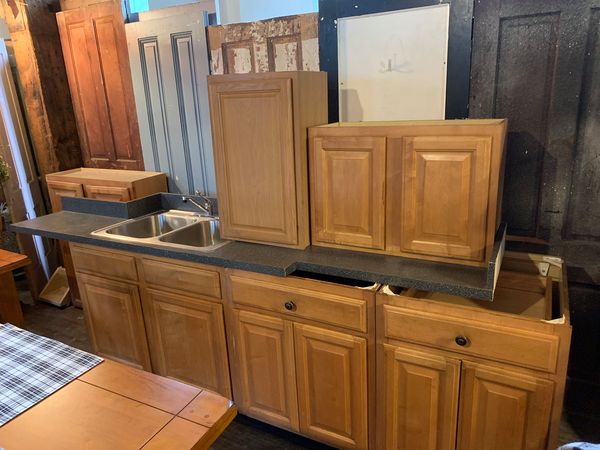
Image Source: historichousesalvage.com
Why Salvage Your Kitchen Cabinets?
Thinking about a kitchen remodel often brings to mind the expense of entirely new cabinets. However, before you commit to a costly overhaul, consider the incredible potential hidden within your existing cabinetry. Salvaging your kitchen cabinets is not just an eco-friendly choice; it’s a smart financial one, allowing you to achieve a custom look without the premium price tag. This process of cabinet restoration can dramatically change your kitchen’s feel. You can upcycle cabinets into something fresh and unique, or focus on a more traditional cabinet resurfacing. The end goal is a beautiful cabinet makeover that reflects your style.
The Environmental Benefit
When you choose to salvage rather than replace, you’re making a positive impact on the environment. Landfills are overflowing with discarded materials. By refurbishing cabinets, you divert waste and reduce the demand for new resources. It’s a small change that contributes to a larger, greener movement.
The Financial Advantage
New custom cabinets can cost thousands, even tens of thousands, of dollars. Salvaging your existing cabinets, even with high-quality finishes and hardware, will almost always be significantly cheaper. This allows you to allocate your budget to other areas of your kitchen renovation, like countertops or appliances.
The Unique Charm
Older cabinets, especially those in well-built homes, often possess a quality and character that is hard to replicate with mass-produced new cabinets. Salvaging allows you to preserve this inherent charm and build upon it, creating a kitchen with a story and a distinct personality. Whether you’re aiming for distressed cabinets for a rustic feel or showcasing the beauty of antique cabinets, restoration offers a path to individuality.
Getting Started: Assess Your Cabinets
Before you grab your sandpaper and paint, a thorough assessment of your current cabinets is crucial. This step determines the scope of your project and the techniques you’ll need.
What’s the Condition?
- Structural Integrity: Are the cabinet boxes solid? Check for water damage, rot, or warped wood.
- Drawer and Door Functionality: Do drawers slide smoothly? Do doors hang straight and close properly?
- Surface Condition: Are there deep scratches, dents, or peeling veneer?
- Hardware: Is the existing hardware functional or does it need replacing?
Material Matters
The type of wood your cabinets are made from will influence the best approach for cabinet restoration.
- Solid Wood (Oak, Maple, Cherry, Pine): These are generally the easiest to work with for refinishing and painting. They are durable and can be sanded and stained or painted beautifully.
- Veneered Cabinets: These have a thin layer of real wood over a composite material. Sanding too aggressively can go through the veneer, so a lighter touch is needed for refinishing. Cabinet painting is often a safer bet for veneered surfaces.
- Laminate/Melamine Cabinets: These are trickier. While cabinet painting is possible with special primers, sanding and staining are not viable options.
Table 1: Cabinet Condition Checklist
| Feature | Good | Fair | Poor | Notes |
|---|---|---|---|---|
| Cabinet Boxes | Check for cracks, warping, damage | |||
| Drawer Slides | Smooth, sticky, or broken? | |||
| Hinges | Rusty, bent, or functional? | |||
| Door Alignment | Sagging, crooked, or straight? | |||
| Surface Finish | Scratches, dents, peeling veneer? | |||
| Existing Hardware | Style, condition, and placement |
Planning Your Cabinet Makeover
Once you know what you’re working with, it’s time to plan your desired outcome. This is where you decide whether you’re aiming for a complete cabinet resurfacing, a classic refinish, or a more artistic approach like creating distressed cabinets.
Choosing Your Style
- Classic Refinish: This involves stripping the old finish, sanding, and applying a new stain or clear coat to highlight the wood grain. It’s ideal for beautiful solid wood cabinets.
- Cabinet Painting: A very popular option for a modern look. It can cover imperfections and offers a vast color palette. This is excellent for updating older wood cabinets or even laminate surfaces with the right preparation.
- Distressed Cabinets: This technique involves creating an aged, worn look, often by sanding through layers of paint or using special glazes. Perfect for farmhouse or rustic kitchens.
- Two-Tone Cabinets: Painting the upper cabinets one color and the lower cabinets another can add depth and visual interest.
- Open Shelving: Removing cabinet doors can create a more open, airy feel, especially for upper cabinets.
Design Considerations
- Color Palette: Will you match your existing decor, or will your cabinets be the focal point?
- Hardware: New knobs, pulls, or even hinges can make a massive difference. Consider the style and finish that complements your chosen cabinet look.
- Layout: Do you want to reposition any cabinets for better functionality? This might involve more involved cabinet repair or even custom building.
The Salvaging Process: Step-by-Step
This is the core of cabinet restoration. While the exact steps can vary based on your chosen method, the general process involves preparation, repair, finishing, and reassembly.
Step 1: Preparation is Key
Thorough preparation is the most critical phase for successful cabinet restoration and a flawless cabinet painting or refinishing job.
Removing Doors and Drawers
- Label Everything: As you remove each door and drawer, label it with a piece of painter’s tape that corresponds to its location on the cabinet frame. This is crucial for reassembly.
- Keep Hardware: Store hinges and drawer slides carefully, ideally in labeled bags.
Cleaning Thoroughly
- Degrease: Kitchen cabinets are often coated in grease and grime. Use a strong degreaser (like TSP substitute or a dedicated cabinet cleaner) and a sponge or cloth. Rinse thoroughly with clean water and allow to dry completely. This step is vital for any subsequent finishes to adhere properly.
Step 2: Cabinet Repair
Address any physical issues before you start cosmetic work.
Minor Repairs
- Fill Holes and Cracks: Use wood filler or putty for small dents, scratches, and nail holes. Let it dry completely, then sand smooth.
- Loose Joints: If cabinet boxes or door frames are loose, use wood glue and clamps to secure them. You might need to reinforce with small screws or brackets.
- Veneer Touch-ups: For small areas of lifting veneer, carefully apply wood glue underneath and press flat with a warm iron (use a cloth as a barrier) or clamp it.
Addressing More Significant Damage
- Warped Doors: Sometimes, warped doors can be straightened with careful clamping and moisture, though replacement might be necessary.
- Water Damage: If there’s significant water damage, it might be best to replace that section or the entire door.
Step 3: Sanding for a Smooth Surface
Sanding is essential for preparing surfaces for a new finish. The grit of sandpaper you use depends on the current finish and your desired outcome.
Stripping Old Finishes (If Refinishing)
- Chemical Strippers: For stubborn varnish or paint, chemical strippers can be effective. Follow safety instructions carefully (gloves, mask, ventilation). After stripping, wipe down with mineral spirits and allow to dry.
- Sanding: For most projects, sanding is the primary method.
- Initial Sanding: Start with a coarser grit (e.g., 100-120 grit) to remove the old finish or rough up the surface for painting.
- Progressive Sanding: Move to finer grits (e.g., 150, 180, 220 grit) to create a smooth surface. For a glass-smooth finish, you might go as high as 320 or 400 grit.
- Sanding Between Coats: After applying primer or the first coat of paint/stain, lightly sand with a very fine grit (220-320) to knock down any raised grain or imperfections.
Sanding Techniques
- Orbital Sander: Efficient for large, flat surfaces.
- Sanding Blocks: Best for edges and corners.
- Detail Sanders: Useful for intricate areas.
- Always Sand with the Grain: This is crucial to avoid visible scratches.
Dust Removal
- Vacuum: Use a shop vacuum with a brush attachment.
- Tack Cloth: A tack cloth is sticky and effectively picks up fine dust particles after sanding. This is crucial before painting.
Step 4: Finishing Your Cabinets
This is where your cabinet makeover truly comes to life.
Cabinet Painting
- Primer: A high-quality bonding primer is essential, especially for laminate or previously painted surfaces. Use at least one, often two, coats. Lightly sand between coats.
- Paint: Use a durable cabinet-specific paint. Alkyd enamel or a high-quality latex enamel with a urethane additive are good choices.
- Application: Use a high-density foam roller for smooth surfaces and a good quality synthetic brush for edges and details. Spray painting offers the smoothest finish but requires specialized equipment and practice.
- Multiple Coats: Apply thin, even coats, allowing adequate drying time between each. Usually, 2-3 coats are needed for good coverage.
- Top Coat/Sealer: For added durability, especially in kitchens, consider a clear topcoat or sealer over the paint.
Refinishing Cabinets (Staining)
- Stain: Choose your desired wood stain. Apply evenly with a brush or rag, working in the direction of the wood grain.
- Wipe Excess: Wipe off excess stain with a clean rag to achieve the desired color depth.
- Multiple Coats: You can apply multiple thin coats of stain for a richer color, allowing each to dry thoroughly.
- Top Coat: Once the stain is dry, apply a durable topcoat like polyurethane or a lacquer. Several thin coats are better than one thick one. Lightly sand with very fine grit (320-400) between topcoats for a smooth finish.
Special Techniques
- Glazing: Applied over painted or stained surfaces, glazes can create an antiqued or distressed cabinets look by settling into nooks and crannies.
- Distressing: After painting or staining, use sandpaper, steel wool, or even a wire brush to gently scuff areas that would naturally show wear (edges, corners, raised panels) to create distressed cabinets.
Step 5: Reassembly and Hardware
The final step is putting it all back together.
Reattaching Doors and Drawers
- Use your labels to ensure each door and drawer goes back to its original position.
- Reinstall hinges and drawer slides. Adjust hinges as needed to ensure doors hang straight and close properly.
New Hardware
- Install your new knobs, pulls, or handles. If the hole placement is different from your old hardware, you may need to fill old holes and drill new ones. Use a template for precise placement.
Popular Cabinet Restoration Techniques
Beyond basic painting and staining, there are specialized techniques that can further enhance your cabinet restoration project.
Upcycling Cabinets for a New Look
Upcycling isn’t just about making old things functional; it’s about transforming them into something creatively different.
- Adding Decorative Elements: Apply decorative molding, beadboard, or appliqué to the cabinet doors for added texture and detail.
- Changing Door Styles: If you have flat panel doors, you might be able to rout a new profile into them or even replace the panels with glass or a decorative insert.
- Creating a Different Function: Can a cabinet be turned into a pull-out spice rack or a drawer with dividers?
Cabinet Resurfacing Options
Cabinet resurfacing typically refers to covering the existing cabinet surface with a new material, rather than stripping and refinishing the original.
- Veneer Overlay: High-quality wood veneer can be adhered over existing cabinet fronts. This requires careful application to avoid bubbles and ensure a smooth finish.
- Contact Paper/Peel-and-Stick: While a budget-friendly option, these are generally less durable and may not achieve a high-end look. They are best for temporary updates or low-traffic areas.
Dealing with Distressed Cabinets
Achieving a beautiful distressed cabinets look requires a bit of artistry.
- Layering Colors: Paint your cabinets in one color, let it dry, then paint a second, contrasting color over it. Once the second coat is dry, use sandpaper to expose the first color in specific areas.
- Using Wax: Apply a layer of wax to certain areas before painting the second coat. The paint won’t adhere well to the wax, allowing you to easily wipe it away to reveal the color underneath.
- Aging Glazes: Apply a wood glaze over a painted or stained finish and wipe it off unevenly to create an aged, mottled appearance.
Preserving Antique Cabinets
If you have antique cabinets, the approach needs to be more delicate.
- Minimal Intervention: The goal is often preservation, not radical transformation. Focus on cleaning, minor repairs, and sealing.
- Gentle Cleaning: Use mild soaps and water, or specialized antique wood cleaners.
- Repairing Loose Veneer: Use conservation-grade adhesives.
- Sealing: Apply a clear, non-yellowing sealer to protect the existing finish and wood. Avoid sanding or painting unless absolutely necessary for structural integrity.
Frequently Asked Questions About Salvaging Kitchen Cabinets
Q1: Can I paint over stained cabinets?
Yes, you can paint over stained cabinets, but proper preparation is key. You’ll need to clean them thoroughly, lightly sand to create a “tooth” for the primer to adhere to, and then apply a high-quality bonding primer specifically designed for wood. Follow with your chosen paint colors.
Q2: How do I remove grease from kitchen cabinets?
A strong degreaser is usually the most effective method. Products containing trisodium phosphate (TSP) or a TSP substitute are excellent. For less stubborn grease, a solution of warm water and dish soap can work. Always rinse well and allow the cabinets to dry completely before proceeding with any refinishing or painting.
Q3: What is the best paint for kitchen cabinets?
For durability and a smooth finish, alkyd enamel paints or high-quality latex enamels with a urethane additive are recommended. These paints offer good adhesion, resistance to wear and tear, and a washable surface, which is essential in a kitchen environment.
Q4: How long does it take to refinish cabinets?
The time can vary greatly depending on the size of your kitchen, the condition of the cabinets, and the chosen method. A simple cabinet painting project might take a weekend or two, while a full strip, stain, and seal job could take several weeks, factoring in drying times between coats.
Q5: Can I salvage laminate or melamine cabinets?
Yes, but it requires specific preparation. These surfaces are non-porous, so traditional sanding and staining won’t work. You’ll need to use a specialized bonding primer designed for laminate or melamine surfaces before painting. Lightly scuff-sanding can help the primer adhere better.
Q6: What are the best tools for cabinet restoration?
Essential tools include screwdrivers, a degreaser, sandpaper in various grits, sanding blocks or an orbital sander, paintbrushes, high-density foam rollers, painter’s tape, tack cloths, and possibly a putty knife and wood filler for repairs. For more involved projects, a power sander and a paint sprayer can be beneficial.
Q7: How do I get a smooth finish when painting cabinets?
Achieving a smooth finish involves several steps: thorough cleaning, proper priming, applying thin, even coats of paint with a high-quality roller or brush, and lightly sanding with fine-grit sandpaper between coats. Ensuring a dust-free environment during painting also helps significantly.
By investing time and effort into cabinet restoration, you can achieve a beautifully transformed kitchen that rivals the look of brand-new cabinetry, all while saving a significant amount of money and contributing to a more sustainable lifestyle. Your kitchen cabinet makeover awaits!