
Can you get rid of small kitchen roaches permanently? Yes, by combining thorough cleaning, targeted treatments, and preventative measures, you can effectively eliminate and prevent small kitchen roaches.
Roaches in the kitchen are a common and unwelcome problem. These tiny invaders, often the German cockroach or smaller species, can multiply quickly and are notoriously difficult to eradicate. Battling a cockroach infestation requires a multi-pronged approach. It’s not just about killing the roaches you see; it’s about addressing the root causes and ensuring they can’t return. This guide will walk you through everything you need to know to eliminate kitchen roaches for good.
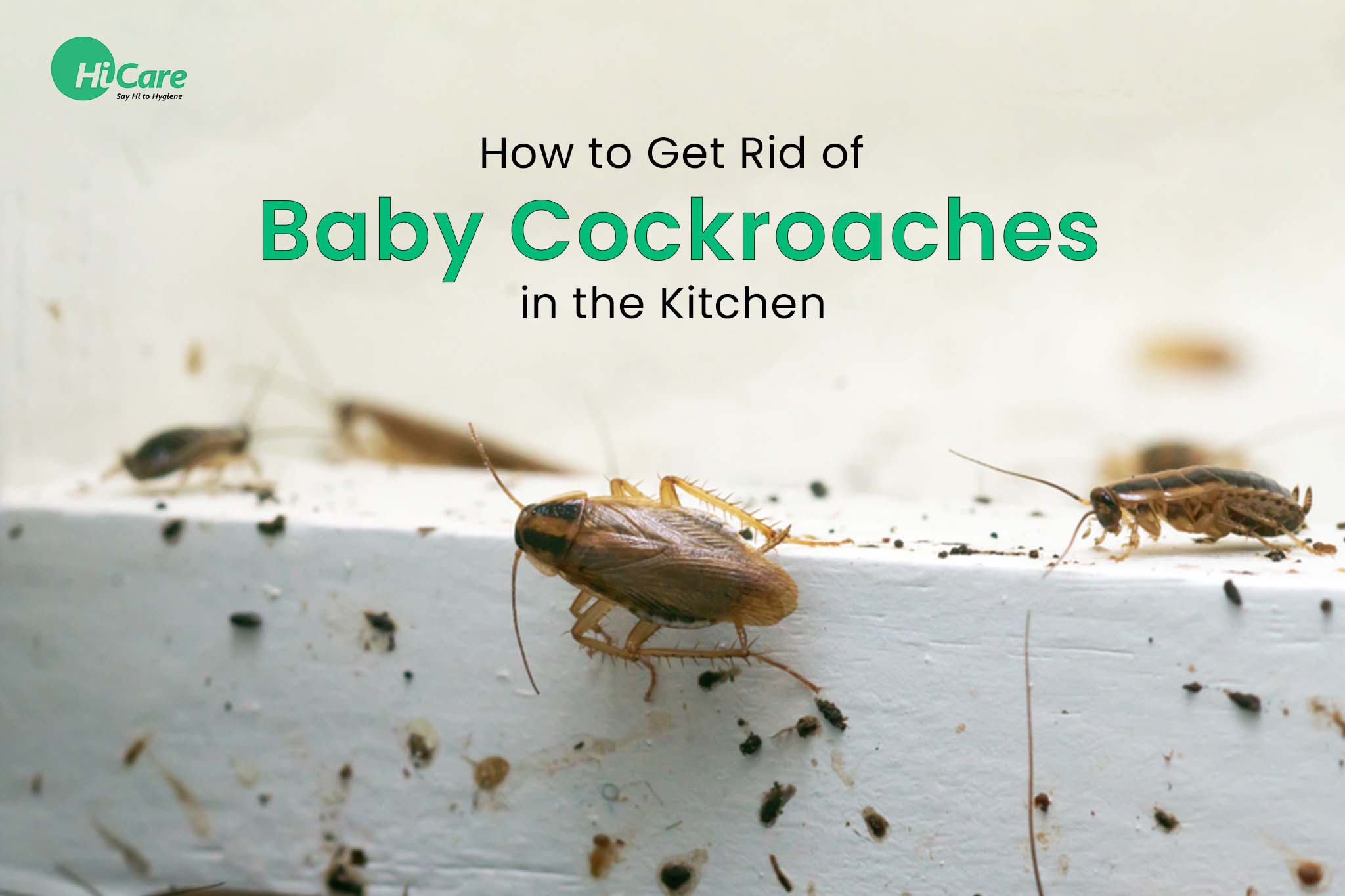
Image Source: hicare.in
The Persistent Problem of Small Kitchen Roaches
Small kitchen roaches, typically German cockroaches, are a major nuisance. They are small, fast, and excellent at hiding. They thrive in warm, humid environments with access to food and water, making kitchens prime real estate. A single female can lay many egg cases, and each case contains dozens of nymphs. This rapid reproduction rate is why even a few roaches can quickly turn into a significant problem.
Why Are They So Hard to Get Rid Of?
- Rapid Reproduction: They lay egg cases frequently, leading to a population boom.
- Hiding Spots: They can squeeze into tiny cracks and crevices, making them hard to find and treat.
- Nocturnal Habits: They are most active at night, so you might not see them until the infestation is already substantial.
- Resistance: They can develop resistance to certain insecticides over time.
Comprehensive Cockroach Control Strategies
Effective cockroach control means attacking the problem from all angles. This involves understanding their habits, eliminating their resources, and applying the right treatments.
Step 1: Identification and Inspection
Before you can effectively tackle your cockroach infestation, you need to know what you’re dealing with.
Common Small Kitchen Roach Species:
- German Cockroach (Blattella germanica): Tan to light brown, with two dark stripes on their shield-like pronotum. They are the most common kitchen roach and reproduce very quickly.
- Asian Cockroach (Blattella asahinai): Similar in appearance to German cockroaches but are strong fliers and often found outdoors. They can sometimes enter homes.
- Oriental Cockroach (Blatta orientalis): Larger and darker than German roaches, but less common in kitchens, preferring damp, cooler areas like basements and drains.
Where to Look for Roaches:
Roaches love dark, moist, and warm places. Conduct a thorough inspection in these areas:
- Kitchen:
- Under sinks and behind pipes.
- Inside cabinets and drawers, especially near food sources.
- Around appliances like refrigerators, ovens, microwaves, and dishwashers (check the motor areas and vents).
- In pantry corners and behind stored food items.
- Around trash cans and recycling bins.
- Cracks and crevices in walls, countertops, and floorboards.
- Grout lines and sealant around sinks and countertops.
- Bathroom:
- Under sinks.
- Behind toilets.
- Around pipes.
- Other Areas:
- Basements, garages, and laundry rooms.
- Areas with plumbing or water leaks.
Signs of an Infestation:
- Live Roaches: Seeing them during the day is a sign of a significant infestation.
- Droppings: Small, dark, pepper-like specks, especially along baseboards, countertops, and in cabinets.
- Egg Cases (Oothecae): Small, brown, oval capsules that roaches carry until they hatch.
- Musty Odor: A strong, unpleasant smell can indicate a large infestation.
- Shed Skins: Roaches shed their exoskeletons as they grow.
Step 2: Deep Cleaning and Sanitation – The Foundation of Prevention
This is arguably the most crucial step in preventing kitchen roaches and making your DIY roach treatment effective. Roaches need food, water, and shelter. Removing these resources makes your kitchen far less appealing.
Kitchen Sanitation Checklist:
- Food Storage:
- Store all food in airtight containers made of glass, metal, or thick plastic. This includes pet food and birdseed.
- Wipe down pantry shelves regularly.
- Clean up crumbs and spills immediately, especially in difficult-to-reach areas like under appliances and behind cabinets.
- Dishes and Utensils:
- Wash dishes promptly after use. Do not leave dirty dishes in the sink overnight.
- Clean out the sink and drain thoroughly.
- Trash Management:
- Use trash cans with tight-fitting lids.
- Empty trash cans daily, especially if they contain food scraps.
- Clean trash cans regularly, both inside and out.
- Grease and Food Residue:
- Clean grease buildup on stovetops, ovens, and range hoods.
- Wipe down all kitchen surfaces, including countertops, tables, and appliance exteriors, daily.
- Don’t forget to clean the backsplash and areas behind appliances.
- Floors:
- Sweep and mop kitchen floors daily, paying attention to corners and areas under cabinets.
- Appliances:
- Pull out appliances like refrigerators and ovens periodically to clean behind and underneath them.
- Clean the crumb tray in your toaster regularly.
- Check and clean the seals on microwaves and ovens.
- Water Sources:
- Fix leaky faucets and pipes immediately. Roaches can survive on very little moisture.
- Wipe down sinks and countertops to remove standing water.
- Check under dishwashers and refrigerators for leaks.
Step 3: Targeted Treatments to How to Kill Roaches
Once you’ve addressed sanitation, it’s time for treatment. A combination of methods is usually most effective for how to kill roaches.
Effective Pest Control for Kitchens:
-
Insecticide Baits:
- Gel Baits: These are highly effective. Apply small dots of gel bait in areas where you’ve seen roaches or signs of their activity. Places to apply include:
- Along baseboards.
- Under sinks and behind appliances.
- Inside cabinet corners and drawer runners.
- Near plumbing penetrations.
- Bait Stations: These are plastic containers with a slow-acting poison. Roaches eat the bait and carry it back to their nests, spreading the poison. Place them in areas of high activity.
- How They Work: Roaches eat the bait, become poisoned, and often die within a few hours. Other roaches then eat the poisoned roaches or their feces, leading to a domino effect.
- Important: Read and follow all label instructions carefully. Keep baits out of reach of children and pets.
- Gel Baits: These are highly effective. Apply small dots of gel bait in areas where you’ve seen roaches or signs of their activity. Places to apply include:
-
Insect Growth Regulators (IGRs):
- IGRs disrupt the roaches’ life cycle, preventing nymphs from maturing into reproductive adults.
- They are a valuable long-term cockroach control solution when used alongside baits.
- They can be found in spray or bait formulations.
-
Insecticide Sprays (Residual Sprays):
- These are used to create a barrier or treat specific hiding places.
- Apply them directly into cracks, crevices, and voids where roaches hide.
- Caution: Overuse of sprays can make roaches resistant and may not be as effective as baits for eliminating the entire population. Use them judiciously and according to label directions.
-
Diatomaceous Earth (DE):
- A natural roach repellent and killer. Food-grade DE is a fine powder made from fossilized algae.
- How it Works: DE has sharp edges that scratch the roach’s exoskeleton, causing dehydration and death.
- Application: Lightly dust DE in dry areas where roaches travel, such as behind appliances, under cabinets, and in wall voids. Avoid moist areas, as it becomes less effective when wet.
-
Boric Acid:
- Another effective home remedy for roaches. Boric acid is a natural mineral that acts as a stomach poison and abrasive.
- Application: Apply a thin, even layer in areas roaches frequent, like under sinks, behind appliances, and in cracks. Roaches ingest it when they groom themselves or walk through it.
- Caution: Keep boric acid away from pets and children. It’s most effective in dry, undisturbed areas.
Step 4: Sealing Entry Points and Harborage Areas
Roaches can enter your home from outside or from neighboring apartments. Sealing entry points is vital for long-term cockroach control.
Sealing Guide:
- Caulk: Use caulk to seal cracks and crevices in walls, baseboards, and around pipes and utility lines.
- Weatherstripping: Install weatherstripping around doors and windows to prevent entry.
- Screens: Ensure window and door screens are in good repair and fit tightly.
- Grout and Sealant: Repair damaged grout and sealant around sinks, countertops, and tiles.
Step 5: Natural Roach Repellent and Home Remedies
While chemical treatments are often necessary for severe infestations, natural roach repellent and home remedies for roaches can supplement your efforts and help with prevention.
Natural Solutions:
- Peppermint Oil: Roaches dislike the strong scent. Mix a few drops of peppermint oil with water in a spray bottle and mist around common roach hiding spots. You can also soak cotton balls in the oil and place them in strategic locations.
- Bay Leaves: Place dried bay leaves in cupboards, drawers, and pantry areas. Roaches are said to dislike the smell.
- Cucumber Peels: Some sources suggest placing cucumber peels in cabinets can deter roaches, though evidence is anecdotal.
- Vinegar: White vinegar can be used for cleaning surfaces, helping to remove roach pheromones and food residues. Mix equal parts vinegar and water for a cleaning solution.
Table 1: Natural Roach Repellents
| Method | Application | Effectiveness | Notes |
|---|---|---|---|
| Peppermint Oil | Spray diluted oil or place soaked cotton balls in infested areas. | Mild deterrent. | Reapply frequently as the scent fades. |
| Bay Leaves | Place dried leaves in cabinets and pantry. | Mild deterrent. | Replace leaves every few weeks. |
| Cucumber Peels | Place fresh peels in cabinets and drawers. | Anecdotal; effectiveness varies. | Replace peels regularly as they can mold. |
| White Vinegar | Use as a cleaning solution for surfaces. | Helps clean, may deter briefly. | Does not kill roaches; primarily for sanitation. |
Step 6: When to Call the Professionals
If you’ve tried these methods and are still struggling with a persistent cockroach infestation, it may be time to call a professional pest control for kitchens service. They have access to stronger, more targeted treatments and the expertise to deal with difficult infestations.
Signs You Need Professional Help:
- You see roaches during the day.
- You find egg cases frequently.
- The infestation is widespread and not contained to one area.
- Your DIY treatments aren’t making a noticeable difference after several weeks.
- You have a severe cockroach infestation in an apartment building, where roaches can travel between units.
Preventing Kitchen Roaches: Long-Term Success
Getting rid of roaches is one battle; keeping them away is another. Consistent prevention is key to maintaining a roach-free kitchen.
Ongoing Prevention Strategies:
- Maintain Strict Kitchen Sanitation: This cannot be stressed enough. Keep your kitchen clean and free of food debris and moisture at all times.
- Regular Inspections: Periodically check for signs of roaches, especially after bringing in groceries or if a neighbor has an infestation.
- Seal Entry Points: Continue to monitor and seal any new cracks or openings that appear.
- Proper Trash Disposal: Always use lidded trash cans and empty them regularly.
- Address Moisture Issues: Fix any leaks promptly. Keep areas around sinks and pipes dry.
- Vacuum Regularly: Vacuuming not only removes crumbs but also sucks up roaches, nymphs, and egg cases. Dispose of the vacuum bag immediately outside the home.
- Declutter: Roaches love to hide in clutter. Keep your kitchen and pantry tidy.
Frequently Asked Questions (FAQ)
Q: How quickly do roaches reproduce?
A: German cockroaches are prolific breeders. A single female can lay an egg case every 2-3 weeks, and each case can contain 30-40 eggs. The nymphs can mature into adults in as little as 30-60 days, allowing populations to grow rapidly.
Q: Can I use essential oils to kill roaches?
A: While some essential oils like peppermint oil can act as natural roach repellent, they are generally not strong enough to kill an active cockroach infestation on their own. They can be used as a supplementary deterrent.
Q: Where do small kitchen roaches hide during the day?
A: Small kitchen roaches prefer dark, warm, and humid places. They hide in cracks and crevices, behind appliances, inside cabinets and drawers, under sinks, behind baseboards, and within wall voids.
Q: Is it safe to use boric acid and diatomaceous earth around pets?
A: Food-grade diatomaceous earth is generally considered safe, but it can be an irritant to the lungs if inhaled. Boric acid should be kept out of reach of pets and children as it can be toxic if ingested in larger quantities. Apply these treatments carefully and in areas inaccessible to pets.
Q: How long does it take to get rid of roaches?
A: The time it takes to eliminate kitchen roaches can vary depending on the severity of the infestation and the methods used. A mild infestation might be controlled in a few weeks with diligent DIY roach treatment and sanitation. More severe infestations can take several months and may require professional pest control for kitchens. Consistent effort is crucial.
Q: What attracts roaches to my kitchen?
A: Roaches are attracted to food sources (crumbs, spills, dirty dishes), water (leaky pipes, standing water), and shelter (dark, cluttered areas with cracks and crevices).
By following these detailed steps for cockroach control, focusing on meticulous kitchen sanitation, and employing targeted DIY roach treatment, you can effectively eliminate kitchen roaches and implement strategies for preventing kitchen roaches from returning, ensuring a cleaner and healthier home environment.