
Can you get rust out of a kitchen sink? Yes, you absolutely can! Rust stains in your kitchen sink are a common nuisance, but they don’t have to be a permanent problem. With a few simple household ingredients and a bit of elbow grease, you can effectively tackle these stubborn marks and restore your sink’s shine.
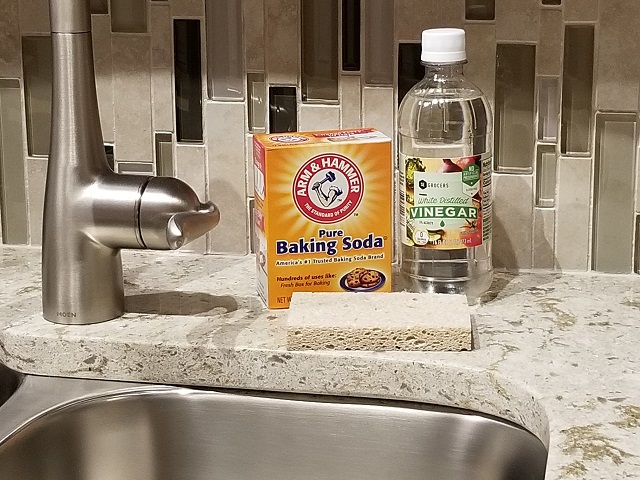
Image Source: www.duncanscreativekitchens.com
Why Does Rust Appear in Kitchen Sinks?
Rust, or iron oxide, forms when iron or steel comes into contact with oxygen and moisture. In a kitchen sink, this can happen for several reasons:
- Metal Objects Left in the Sink: Sponges with metal scrubbers, steel wool pads, cans of food, or even some decorative items made of iron or steel can leave rust marks if left to sit in a wet sink.
- Corrosion of Fixtures: Older faucets, drain stoppers, or even parts of the sink itself can corrode over time, releasing rust particles.
- Hard Water: Water with a high mineral content, particularly iron, can deposit rust onto the sink’s surface.
- Leaky Faucets: A dripping faucet constantly wets the sink, creating an ideal environment for rust to form and spread.
- Scratches and Dents: Damage to the sink’s protective layer can expose the underlying metal, making it susceptible to rust.
Different Sink Materials and Rust Removal
The best method for rust removal depends on the material of your kitchen sink cleaning. Using the wrong approach can damage the surface.
Stainless Steel Sink
Stainless steel sinks are popular for their durability and aesthetic appeal. However, they are not entirely immune to rust.
Mild Rust Stains on Stainless Steel
For light rust spots, a gentle approach is usually sufficient.
Method 1: Baking Soda Paste
Baking soda is a mild abrasive and a fantastic natural cleaner.
What you’ll need:
- Baking soda
- Water
- Soft cloth or sponge
- Gloves (optional)
Steps:
- Make a paste: Mix baking soda with just enough water to form a thick paste, similar to toothpaste.
- Apply the paste: Gently spread the paste over the rust stains.
- Let it sit: Allow the paste to sit on the rust for about 10-15 minutes. This gives the baking soda time to work on the stain.
- Scrub gently: Using a soft cloth or sponge, gently scrub the affected area in a circular motion. Avoid using harsh scrubbing pads that can scratch the stainless steel.
- Rinse thoroughly: Rinse the sink with clean water to remove all the baking soda residue.
- Dry: Dry the sink with a soft towel to prevent water spots and further rust formation.
Method 2: Vinegar and Baking Soda Fizz
This combination creates a gentle fizzing action that can help lift stains.
What you’ll need:
- Baking soda
- White vinegar
- Spray bottle (optional)
- Soft cloth or sponge
Steps:
- Sprinkle baking soda: Generously sprinkle baking soda over the rust stains.
- Add vinegar: Lightly spray or pour white vinegar over the baking soda. It will start to fizz.
- Let it react: Allow the fizzing to continue for about 5-10 minutes.
- Scrub gently: Use a soft cloth or sponge to gently scrub the area.
- Rinse and dry: Rinse the sink thoroughly with water and dry with a soft towel.
Method 3: Lemon Juice and Salt
The acidity of lemon juice can help break down rust, while salt acts as a mild abrasive.
What you’ll need:
- Lemon juice
- Salt
- Soft cloth or sponge
Steps:
- Apply salt: Sprinkle a generous amount of salt over the rust stains.
- Add lemon juice: Squeeze fresh lemon juice over the salt until it’s well-covered.
- Let it sit: Allow the mixture to sit for at least 30 minutes, or even longer for tougher stains.
- Scrub: Use the lemon rind or a soft cloth to scrub the rust away.
- Rinse and dry: Rinse the sink thoroughly and dry it.
Tougher Rust Stains on Stainless Steel
For more stubborn rust, you might need a slightly stronger approach.
Method 4: Cream of Tartar Paste
Cream of tartar is another acidic ingredient that can be effective.
What you’ll need:
- Cream of tartar
- Water
- Soft cloth or sponge
Steps:
- Make a paste: Mix cream of tartar with a small amount of water to create a thick paste.
- Apply: Spread the paste over the rust stains.
- Let it work: Allow it to sit for 15-30 minutes.
- Scrub and rinse: Gently scrub with a soft cloth and rinse thoroughly. Dry the sink.
Method 5: Commercial Stainless Steel Cleaners
There are many stain remover products specifically designed for stainless steel. Always choose one that is safe for your sink material and follow the manufacturer’s instructions carefully. Look for products that explicitly state they are for rust removal.
Important Note for Stainless Steel: Avoid using abrasive cleaners like steel wool, scouring pads, or abrasive powders like Comet, as they can scratch the surface and make it more prone to future staining. Always test any cleaner on an inconspicuous area first.
Cast Iron Sink
Cast iron sinks are very durable but can be prone to rust if their enamel coating is chipped or worn. Rust on cast iron can be more challenging to remove without damaging the enamel.
Mild Rust Stains on Cast Iron
Method 1: Baking Soda and Water
The gentle abrasive quality of baking soda is often a good starting point for cast iron.
What you’ll need:
- Baking soda
- Water
- Soft cloth or sponge
- Gloves
Steps:
- Create a paste: Mix baking soda with water to form a paste.
- Apply to rust: Gently apply the paste to the rust spots.
- Let it sit: Allow the paste to sit for about 15-20 minutes.
- Gently scrub: Use a soft cloth or a non-abrasive sponge to gently rub the area. Avoid aggressive scrubbing.
- Rinse and dry: Rinse the sink thoroughly with water and immediately dry it with a soft towel to prevent further rust.
Method 2: Vinegar (with caution)
Vinegar’s acidity can break down rust, but it can also damage the enamel on cast iron if left too long.
What you’ll need:
- White vinegar
- Water
- Soft cloth or sponge
- Gloves
Steps:
- Dilute vinegar: Mix equal parts white vinegar and water.
- Apply to stain: Dampen a cloth with the vinegar solution and place it directly over the rust stain.
- Short contact time: Let it sit for no more than 5-10 minutes. This is crucial for cast iron to avoid enamel damage.
- Scrub gently: Use a soft cloth or sponge to gently scrub the area.
- Rinse immediately and thoroughly: Rinse the sink with plenty of water.
- Dry completely: Dry the sink immediately and thoroughly with a towel.
Tougher Rust Stains on Cast Iron
If the enamel is significantly damaged, or rust is deeply embedded, you may need a more aggressive approach, but this carries a higher risk of damaging the sink.
Method 3: Bar Keepers Friend (Powdered)
Bar Keepers Friend is a popular stain remover that contains oxalic acid, which is effective against rust. It’s generally considered safe for enameled cast iron but always test in an inconspicuous area first.
What you’ll need:
- Bar Keepers Friend (powdered)
- Water
- Soft cloth or sponge
- Gloves
Steps:
- Make a paste: Mix a small amount of Bar Keepers Friend powder with water to create a paste.
- Apply carefully: Apply the paste to the rust stain.
- Let it sit briefly: Allow it to sit for only a few minutes (3-5 minutes maximum).
- Scrub gently: Use a soft cloth or sponge to gently rub the area.
- Rinse thoroughly: Rinse the sink very well with water.
- Dry immediately: Dry the sink completely with a towel.
Important Note for Cast Iron: Never use steel wool or abrasive cleaners on cast iron sinks, as these will damage the enamel and lead to more rust. If the rust is severe or the enamel is deeply damaged, it may be time to consider professional refinishing or replacement.
Other Sink Materials (Porcelain, Composite, etc.)
- Porcelain Sinks: Porcelain can stain easily. Baking soda paste or a paste of cream of tartar and water are good gentle options. Avoid harsh abrasives. For tougher stains, a mild dish soap with a soft sponge is often effective.
- Composite Sinks: These are generally durable, but check the manufacturer’s recommendations. Baking soda paste or a diluted vinegar solution can work. Avoid abrasive cleaners or harsh chemicals.
DIY Rust Removal: Natural Solutions
Several common household items can be used for DIY rust removal:
1. Baking Soda
How it works: Baking soda is a mild alkali and a gentle abrasive. It helps to lift rust particles from the sink surface without scratching most materials.
Best for: Light to moderate rust stains on stainless steel and other non-delicate surfaces.
2. White Vinegar
How it works: Vinegar contains acetic acid, which can dissolve rust. The acidity is key to breaking down the iron oxide.
Best for: Stainless steel and some other surfaces, but use with caution on enamel or certain composites due to its acidity. Always dilute and don’t leave it on for too long.
3. Lemon Juice
How it works: Lemon juice contains citric acid, another natural acid that can help break down rust. Combined with salt, it becomes a more effective scrubbing agent.
Best for: Stainless steel and porcelain sinks.
4. Cream of Tartar
How it works: This is a powdered byproduct of winemaking and contains tartaric acid, which is effective against rust stains.
Best for: Stainless steel and porcelain.
Using Commercial Rust Removers
When DIY methods don’t cut it, commercial stain remover products can be very effective.
Types of Commercial Rust Removers:
- Oxalic Acid-Based Cleaners: These are common and highly effective against rust. Bar Keepers Friend is a prime example.
- Citric Acid-Based Cleaners: Similar to lemon juice, these use citric acid to break down rust.
- Specialized Rust Removers: Some products are formulated specifically for certain surfaces like stainless steel.
How to Use Commercial Rust Removers:
- Read the Label: Always read and follow the manufacturer’s instructions carefully.
- Ventilation: Ensure the area is well-ventilated, as some cleaners can have strong fumes.
- Gloves: Wear rubber gloves to protect your skin.
- Apply: Apply the cleaner directly to the rust stain or as directed.
- Dwell Time: Allow the product to sit for the recommended time.
- Scrub: Use a soft cloth or non-abrasive sponge to gently scrub the stain.
- Rinse and Dry: Rinse the sink thoroughly and dry it completely.
- Test First: Always test the product on an inconspicuous area of your sink first to ensure it doesn’t cause damage or discoloration.
Prevention: Keeping Rust Away
The best kitchen sink cleaning strategy is prevention. Here are tips to keep rust from returning:
- Dry Your Sink: After each use, wipe down your sink with a soft cloth. This is especially important for stainless steel.
- Don’t Leave Metal Items: Avoid leaving metal sponges, steel wool, cans, or other metal objects in the sink. Store them in a caddy or drawer.
- Fix Leaks: Repair any leaky faucets promptly.
- Use a Sink Mat: A rubber or plastic sink mat can protect the bottom of your sink from scratches and prevent metal items from direct contact with the sink surface.
- Regular Cleaning: Clean your sink regularly with mild soap and water.
- Water Softener: If you have very hard water, consider installing a water softener.
Frequently Asked Questions (FAQ)
Q1: Can I use bleach on rust stains in my kitchen sink?
A1: No, it is generally not recommended to use bleach on rust stains. Bleach can sometimes react with rust and make the stain worse or cause discoloration, especially on stainless steel.
Q2: Is it safe to use steel wool on my stainless steel sink?
A2: No, you should avoid using steel wool or other abrasive scouring pads on stainless steel sinks. They can scratch the surface, removing the protective layer and making it more prone to rust and further staining.
Q3: My cast iron sink has rust spots, but the enamel looks intact. What should I do?
A3: For minor rust spots on intact enamel, try a baking soda paste or a very short application of diluted vinegar. Ensure you rinse and dry immediately. If the enamel is chipped, it’s more serious, and you might need professional refinishing.
Q4: How often should I clean my kitchen sink?
A4: For optimal kitchen sink cleaning and to prevent buildup and staining, it’s best to give your sink a quick wipe-down after each use and a more thorough cleaning with soap and water at least once a day.
Q5: What is the best natural rust remover for my kitchen sink?
A5: For most kitchen sinks, a paste made from baking soda and water is an excellent and safe natural stain remover for rust. For stainless steel, lemon juice and salt is also a good natural option.
Conclusion
Rust stains in your kitchen sink are a common problem, but with the right approach and a few key ingredients, rust removal is achievable. Whether you opt for DIY rust removal using household staples like baking soda, vinegar, or lemon juice, or turn to commercial stain remover products, remember to always consider your sink’s material. Gentle scrubbing and proper drying are essential for both effective cleaning and long-term prevention. By following these tips, you can keep your kitchen sink cleaning routine simple and your sink looking its best.