
Can you restain a kitchen table? Yes, you absolutely can restain your kitchen table! Restaining your kitchen table is a fantastic way to revive its appearance and protect the wood. This DIY guide will walk you through the entire process, from preparation to the final coat. Whether your table has scratches, water damage, or you simply want a new look, this project is achievable for most homeowners. We’ll cover everything you need to know for a successful kitchen table makeover.
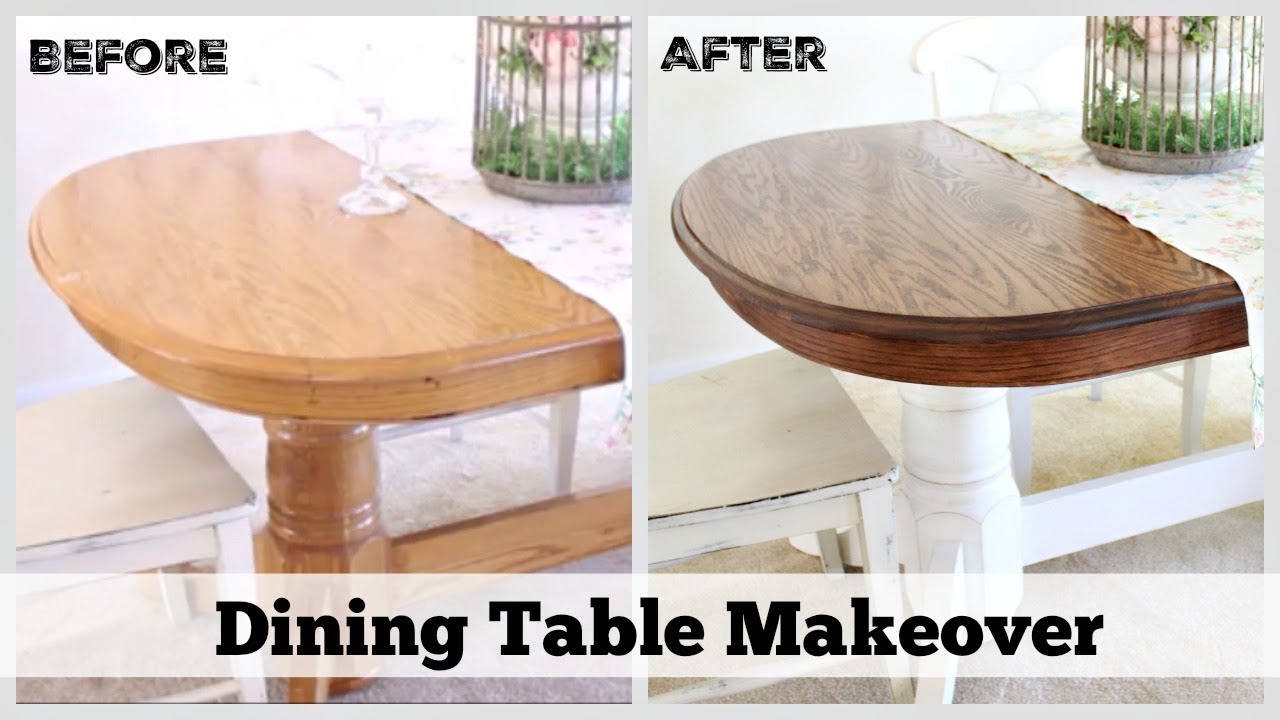
Image Source: i.ytimg.com
Why Restain Your Kitchen Table?
Your kitchen table is a central hub for family life. It sees meals, homework, crafts, and lively conversations. Over time, this constant use can lead to wear and tear. The finish might become dull, scratched, or stained. Restaining your kitchen table is a cost-effective solution to bring it back to life. It’s a rewarding process that allows you to customize the color and protect your investment.
Here are some key reasons to consider restaining:
- Aesthetic Refresh: Update the look of your kitchen without buying new furniture.
- Repair Damage: Cover up scratches, water rings, and other blemishes.
- Color Change: Match your table to new decor or a different style.
- Wood Protection: Apply a fresh layer of protection against future wear.
- Cost Savings: It’s significantly cheaper than purchasing a new table.
This guide focuses on refinishing wood table surfaces, ensuring your kitchen table restoration is both beautiful and durable.
Gathering Your Supplies
Before you begin, having all your tools and materials ready will make the process smoother. Here’s a comprehensive list:
Essential Tools & Materials:
- Sandpaper: A variety of grits (e.g., 80, 120, 180, 220).
- Sanding Block or Orbital Sander: For easier and more even sanding.
- Tack Cloth or Microfiber Cloths: To remove dust.
- Mineral Spirits or Denatured Alcohol: For cleaning.
- Wood Conditioner (Optional but Recommended): Helps stain penetrate evenly.
- Wood Stain: Choose your desired color.
- Applicators for Stain: Foam brushes, natural bristle brushes, or clean rags.
- Polyurethane or Other Topcoat: For protection (e.g., oil-based, water-based, polycrylic).
- Applicators for Topcoat: High-quality synthetic bristle brushes or foam brushes.
- Painter’s Tape: For masking areas you don’t want to stain.
- Drop Cloths or Old Sheets: To protect your work area.
- Safety Gear: Gloves, safety glasses, and a dust mask.
- Screwdriver or Wrench: If you need to remove the tabletop.
Optional but Helpful:
- Wood Filler: For repairing deep gouges or holes.
- Scraper or Putty Knife: For removing old finish.
- Electric Palm Sander: If you have a large table or want to speed up sanding.
Having everything on hand ensures you won’t have to stop mid-project to make a store run.
Preparing Your Workspace
A clean, well-ventilated area is crucial for a successful furniture refinishing project. Kitchen table restoration can get messy, so proper preparation is key.
- Choose Your Location: Work in a well-ventilated space, like a garage with the door open, a shed, or even outdoors on a calm day. Avoid direct sunlight, as it can cause the stain to dry too quickly and unevenly.
- Protect the Floor: Lay down drop cloths, old sheets, or newspapers to protect your floor from dust and spills.
- Disassemble if Necessary: If your table has a separate top and base, it’s often easier to work with them separately. Remove the tabletop if possible.
- Clean the Table: Before any sanding, give the table a thorough cleaning. Use a damp cloth to remove dirt and grease. For stubborn grime, a mild soap and water solution can work, followed by a clean damp cloth to rinse. Allow it to dry completely.
This preparation stage prevents contamination of your new finish and makes the sanding and staining process much more manageable.
Step-by-Step: How to Restain Kitchen Table
This section will guide you through the core steps of refinishing your kitchen table. We’ll cover sanding, staining, and applying a protective topcoat.
Step 1: Removing the Old Finish
If your table has an existing finish (like varnish, lacquer, or paint), you’ll need to remove it before applying a new stain.
- Sanding: The most common method for removing an old finish is sanding. This is also how you’ll prepare the wood for restaining. We’ll detail this in the next step.
- Chemical Strippers: For very stubborn finishes or thick layers of paint, a chemical stripper might be necessary. Follow the manufacturer’s instructions carefully and ensure good ventilation. Wear gloves and eye protection. After stripping, you’ll still need to sand the wood smooth.
Step 2: How to Sand a Table
Sanding is arguably the most important step in how to restain a kitchen table. Proper sanding ensures the stain adheres evenly and the final finish is smooth. This is a crucial part of refinishing wood table surfaces.
Types of Sanding
- Coarse Grit (80-100): Use this grit to remove the old finish, deep scratches, or imperfections.
- Medium Grit (120-150): Use this to smooth out the marks left by the coarse grit and to prepare the surface for finer sanding.
- Fine Grit (180-220): This is for final smoothing. It opens up the wood grain so it can absorb stain evenly.
Sanding Technique
- Start with Coarse Grit: If there’s a significant amount of old finish or damage, begin with an 80 or 100-grit sandpaper. If the existing finish is in good condition, you might be able to start with a 120-grit paper.
- With an Orbital Sander: Move the sander steadily across the surface, going with the grain of the wood. Don’t press down too hard; let the sander do the work. Overlap your strokes slightly.
- With a Sanding Block: Wrap sandpaper around the block and sand with the grain. This method requires more physical effort but gives you great control.
- Progress to Medium Grit: Once the old finish is removed and the surface feels relatively smooth, switch to 120-grit sandpaper. Sand the entire surface again, making sure to remove any scratches left by the coarser paper.
- Finish with Fine Grit: Now, move to 180 or 220-grit sandpaper. This is your final sanding step. The wood should feel very smooth to the touch. This stage is critical for achieving a professional-looking wood table staining.
- Clean Between Grits: After each grit of sandpaper, wipe the surface thoroughly with a tack cloth or a microfiber cloth dampened with mineral spirits. This removes dust and sanding residue, preventing it from being ground into the wood by the next grit.
- Sand with the Grain: Always sand in the direction of the wood grain. Sanding against the grain will create visible scratches that will show through the stain.
- Don’t Forget Edges and Details: Use sanding sponges or folded sandpaper to reach edges, corners, and any carved details.
Table: Sanding Grit Progression for Kitchen Table Restoration
| Stage | Grit | Purpose |
|---|---|---|
| Initial | 80 – 100 | Remove old finish, deep scratches |
| Smoothing | 120 – 150 | Remove coarser grit marks, general smoothing |
| Final Polish | 180 – 220 | Prepare for stain, final smooth finish |
Proper sanding is key to a successful refinish kitchen table project. If you are performing wood table repair on specific areas, ensure those sections are also sanded to match the surrounding area.
Step 3: Applying Wood Conditioner (Optional but Recommended)
Wood conditioner is a pre-stain treatment. It helps to prevent blotchiness, especially on woods like pine, maple, and cherry, which tend to absorb stain unevenly.
- Apply Conditioner: Brush or wipe a thin, even coat of wood conditioner onto the table.
- Let it Penetrate: Allow the conditioner to soak into the wood for the time recommended by the manufacturer (usually 5-15 minutes).
- Wipe Off Excess: Wipe away any excess conditioner with a clean, lint-free cloth. Do not let it dry on the surface.
- Allow to Dry: Let the wood dry completely according to the product’s instructions.
Step 4: Wood Table Staining
Now for the exciting part – applying the stain! This is where you transform the look of your kitchen table.
Choosing Your Stain
- Oil-Based Stains: These are traditional and durable. They penetrate the wood well and are available in a wide range of colors. They require mineral spirits for cleanup and take longer to dry.
- Water-Based Stains: These dry faster, have lower VOCs (volatile organic compounds), and clean up with water. They may not penetrate as deeply as oil-based stains, but modern formulations are excellent.
- Gel Stains: These are thicker and sit more on the surface, making them excellent for covering existing finishes or for woods that are prone to blotchiness. They offer great control.
Application Technique
- Stir, Don’t Shake: If using oil-based stain, stir the can thoroughly. Do not shake it, as this can create bubbles that transfer to the wood. If using gel stain, stir it well.
- Test the Color: Always test your stain on an inconspicuous area of the table (like the underside of the tabletop) or on a scrap piece of wood from the same project. This lets you see how the color will look and how the wood absorbs it.
- Apply Stain:
- With a Rag: Dip a clean, lint-free rag into the stain. Apply it generously to the wood surface, working in the direction of the grain.
- With a Brush: Use a high-quality natural bristle brush (for oil-based stains) or a synthetic brush (for water-based stains) to apply the stain. Work with the grain.
- Allow to Penetrate: Let the stain sit on the wood for the time recommended by the manufacturer. This is typically 5-15 minutes, depending on the desired depth of color.
- Wipe Off Excess: Use a clean, lint-free rag to wipe off the excess stain. Work with the grain. The longer you leave the stain on, the darker the color will be.
- Second Coat (Optional): For a darker or richer color, you can apply a second coat after wiping off the first. Allow the first coat to dry completely (check product instructions), then apply the second coat following the same process.
- Drying Time: Allow the stain to dry completely. This can take anywhere from 4 to 24 hours, depending on the type of stain and the humidity. Ensure the surface is not tacky before moving to the next step.
This meticulous process is key to achieving beautiful wood table staining for your kitchen table restoration.
Step 5: Applying the Topcoat (Protection)
The topcoat protects the stain from wear, spills, and moisture. Without it, your beautiful new finish would be easily damaged. This is vital for kitchen table restoration.
Choosing a Topcoat
- Polyurethane (Oil-Based): Very durable, offers excellent protection, and a warm amber tone. It takes longer to dry and has strong fumes.
- Polyurethane (Water-Based): Dries faster, is clearer (won’t amber the wood color), and cleans up with water. It’s slightly less durable than oil-based.
- Polycrylic: Similar to water-based polyurethane but is even clearer and dries faster. It’s a great choice if you want to maintain the natural color of the wood.
- Lacquer: Dries very quickly and can be applied in thin coats. However, it’s more prone to damage from heat and chemicals.
For kitchen tables, polyurethane (either oil or water-based) or polycrylic are generally the best choices due to their durability.
Application Technique
- Ensure Dryness: Make sure the stain is completely dry to the touch and not tacky.
- Light Sanding (Optional but Recommended): After the stain has dried, you can lightly sand the surface with 220-grit sandpaper or a fine-grit sanding sponge. This scuffs the surface slightly, helping the topcoat adhere better. Wipe away dust with a tack cloth.
- Apply First Coat:
- With a Brush: Use a high-quality synthetic bristle brush. Dip the brush into the topcoat and wipe off excess on the side of the can. Apply thin, even coats in the direction of the wood grain. Avoid over-brushing.
- With a Foam Brush: Foam brushes can also provide a smooth finish.
- Allow to Dry: Let the first coat dry completely according to the product’s instructions. This is usually a few hours for water-based products and longer for oil-based.
- Lightly Sand Between Coats: Once dry, lightly sand the surface with 220-grit sandpaper or a sanding sponge. This is called “de-nibbing” and removes any dust particles or brush strokes, creating a perfectly smooth surface for the next coat. Wipe clean with a tack cloth.
- Apply Subsequent Coats: Apply at least 2-3 coats of topcoat for adequate protection on a kitchen table. Allow each coat to dry thoroughly and sand lightly between coats.
- Curing Time: While the topcoat will be dry to the touch in a few hours, it takes several days to a week or more to fully “cure” and reach maximum hardness. Be gentle with the table during this curing period.
This careful application of topcoat is vital for the longevity of your refinish kitchen table project.
Wood Table Repair Considerations
During the sanding process, you might discover small imperfections that need addressing.
Filling Gouges and Dents
- Wood Filler: For deeper scratches, gouges, or nail holes, use a good quality wood filler.
- Application: Press the filler firmly into the damaged area with a putty knife. Smooth the surface so it’s flush with the surrounding wood.
- Drying: Allow the filler to dry completely according to the product’s instructions. It may shrink slightly as it dries.
- Sanding: Once dry, sand the filled area smooth with the rest of the table, starting with a medium grit (120) and finishing with a fine grit (220). Ensure it blends seamlessly.
Repairing Veneer
If your table has a veneer (a thin layer of wood glued to a core), be extra gentle during sanding.
- Loose Veneer: If edges are lifting, you can often re-glue them with wood glue. Apply glue under the loose veneer, press it down firmly, and weigh it down with heavy objects (with a protective barrier like wax paper) until the glue dries.
- Sanding Veneer: Sand veneer very lightly with fine-grit sandpaper. Avoid sanding through the veneer layer. If it’s badly damaged, it might be challenging to repair without replacing the veneer entirely.
Addressing these wood table repair issues before staining will result in a much more professional finish.
Refinishing Your Dining Table
The process described above applies equally to refinishing a dining table. Dining tables often see even more intensive use than kitchen tables, so a durable topcoat is especially important. Ensure you follow all sanding and application steps with care. The goal is always to restore the beauty and function of the piece.
Kitchen Table Makeover Tips
- Consider the Wood Type: Different woods absorb stain differently. Pine is prone to blotching, so conditioner is highly recommended. Oak, with its prominent grain, can take stain beautifully.
- Practice Makes Perfect: If you’re new to this, practice staining and finishing on scrap wood first.
- Cleanliness is Key: Dust is the enemy of a good finish. Keep your workspace as clean as possible and use tack cloths frequently.
- Ventilation is Crucial: Work in a well-ventilated area and wear a mask and gloves, especially when using stains and finishes.
- Patience: Allow adequate drying time between coats. Rushing the process is the quickest way to ruin a project.
Frequently Asked Questions (FAQ)
Q1: How long does it take to restain a kitchen table?
The actual working time might be just a few hours, spread over several days. This includes sanding, staining, and applying multiple coats of topcoat. Crucially, you need to factor in drying times between steps, which can range from 4 hours to 24 hours or more, depending on the products used and environmental conditions. Allowing for proper curing time (several days to a week) after the final coat is also essential.
Q2: Can I stain over an existing finish?
Generally, no. For the stain to penetrate the wood and provide an even color, the old finish must be completely removed. If you try to stain over varnish or polyurethane, the stain will not adhere properly and will likely look blotchy and uneven. Always strip or sand down to bare wood first.
Q3: What’s the best stain for a kitchen table?
For kitchen tables, durability is paramount. Oil-based stains penetrate well and are often combined with oil-based polyurethane for maximum protection. Water-based stains are faster drying and easier to clean up, and when paired with polycrylic or water-based polyurethane, they offer excellent protection for most kitchen environments. Gel stains are a good option for achieving deep colors and minimizing blotching.
Q4: How many coats of polyurethane do I need on a kitchen table?
For a kitchen table, it’s recommended to apply at least 2-3 coats of polyurethane or polycrylic. If the table is subject to very heavy use, 4 coats might be even better. Ensure each coat is dry and lightly sanded before applying the next for the smoothest and most durable finish.
Q5: How do I fix blotchiness after staining?
Blotchy stain is usually caused by uneven absorption of the stain by the wood. This often happens with woods like pine or maple. If you’ve already stained and it’s blotchy, you can try to correct it by sanding back down to bare wood in the affected areas and re-staining, making sure to use a wood conditioner before applying the stain this time. Future projects should definitely include a pre-stain conditioner to prevent this issue.
This comprehensive guide on how to restain kitchen table should equip you with the knowledge and confidence to tackle your own kitchen table makeover. Enjoy your beautifully restored piece of furniture!