
Can you install a Moen kitchen faucet with a sprayer yourself? Yes, absolutely! With the right tools and a little patience, most homeowners can successfully install a Moen kitchen faucet with a sprayer. This guide will walk you through each step of the process, from preparation to the final tightening of faucet connections, making your kitchen sink faucet replacement a smooth and satisfying DIY project. Whether you’re looking to update your kitchen’s look or fix a leaky faucet, this comprehensive guide on Moen faucet installation will help you achieve a professional result.
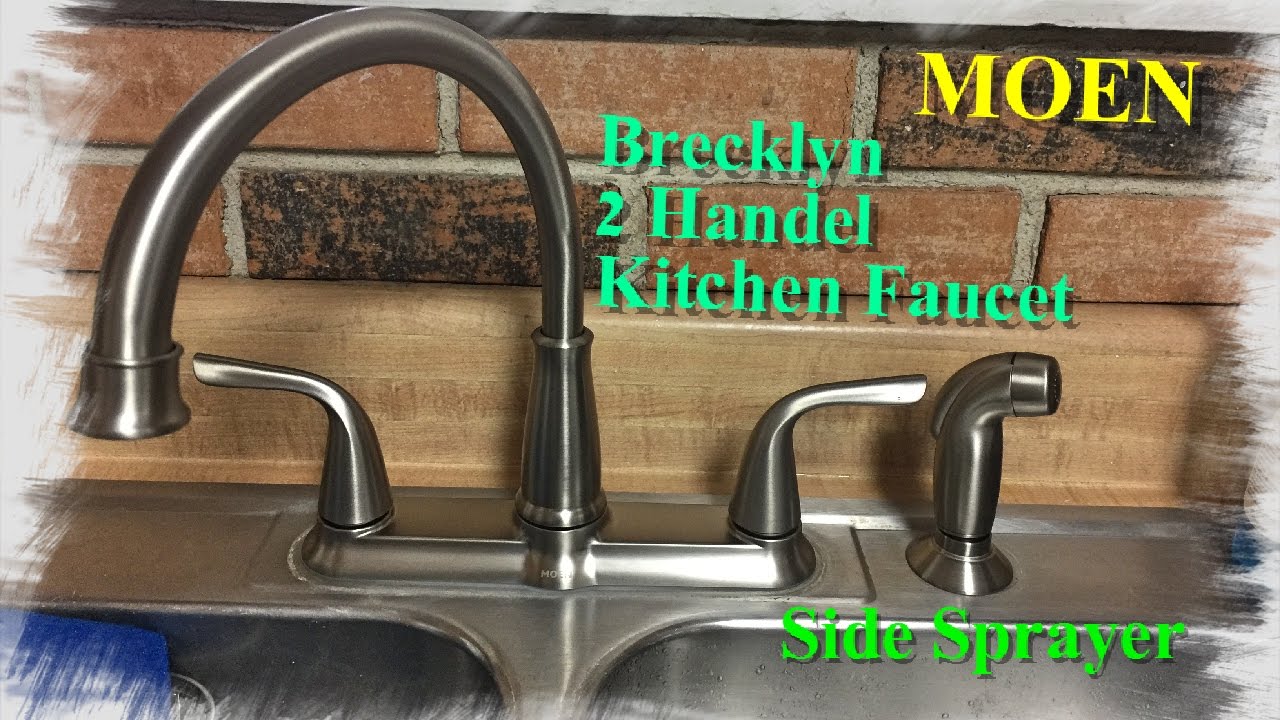
Image Source: i.ytimg.com
Gathering Your Tools and Materials
Before you begin your kitchen sink faucet replacement, it’s crucial to have all the necessary tools and materials ready. This preparation will prevent interruptions and ensure a more efficient installation.
Essential Tools:
- Adjustable Wrench (two are helpful)
- Basin Wrench
- Plumber’s Putty or Silicone Caulk
- Bucket
- Rags or Towels
- Safety Glasses
- Flashlight or Work Light
- Screwdriver (Phillips and flathead)
- Pipe Joint Compound (Teflon tape)
- Scrub Brush or Old Toothbrush
- Penetrating Oil (if old connections are stubborn)
Materials You’ll Need:
- Your new Moen kitchen faucet with sprayer (ensure all parts are present)
- New supply lines (recommended to replace old ones)
- Plumber’s tape (also known as Teflon tape)
Preparing Your Workspace and Removing the Old Faucet
A clean and well-lit workspace is key to a successful installation. Start by clearing out everything from under your kitchen sink. This will give you ample room to work and prevent any items from getting damaged or in the way.
Step 1: Shut Off the Water Supply
This is the most critical first step in any plumbing job. Locate the hot and cold water shut-off valves, usually found directly beneath your sink. Turn them clockwise until they are snug. If you don’t have individual shut-off valves under your sink, you’ll need to turn off the main water supply to your house.
- Action: Turn the shut-off valves clockwise.
- Verification: Turn on your old faucet to drain any remaining water and confirm that the supply has been shut off. Let the water run until it stops completely.
Step 2: Disconnect Supply Lines
With the water off, you can now disconnect the flexible supply lines from the shut-off valves. Use an adjustable wrench to loosen the nuts connecting the supply lines to the valves. Have your bucket ready to catch any residual water that might drip out.
- Tools: Adjustable wrench.
- Tip: If the nuts are difficult to loosen, a bit of penetrating oil might help.
Step 3: Remove the Old Faucet
Now, you’ll need to tackle the nuts holding the old faucet in place. This is where a basin wrench is invaluable. This specialized tool is designed to reach into tight spaces under the sink and grip the faucet mounting nuts.
- Tool: Basin wrench.
- Process: Position the basin wrench on the mounting nuts. Turn the wrench counter-clockwise to loosen and remove the nuts.
- Sprayer Hose: If your old faucet has a separate sprayer, locate its hose connection under the sink and disconnect it. This might involve unscrewing a nut or releasing a clip.
Step 4: Clean the Sink Surface
Once the old faucet is completely removed, take the opportunity to clean the sink deck thoroughly. Use a scrub brush or an old toothbrush to remove any old plumber’s putty, mineral deposits, or grime. A clean surface is essential for a good seal with your new faucet.
- Materials: Scrub brush, old toothbrush, cleaning solution.
- Result: A clean, smooth surface for your new faucet.
Installing Your New Moen Faucet
Now that the old faucet is out and the area is clean, you’re ready for the new faucet installation. This phase involves setting up the new faucet on the sink and connecting all the necessary plumbing components.
Step 1: Prepare the New Faucet
Your new Moen faucet likely comes with its mounting hardware and gaskets already in place or ready to be assembled. Follow the specific instructions provided with your faucet model, but generally, you’ll want to:
- Gasket/Sealant: If your faucet doesn’t have a pre-attached gasket, apply a bead of plumber’s putty or silicone caulk around the base of the faucet where it will meet the sink. This creates a watertight seal.
- Supply Lines: If your new faucet did not come with integrated supply lines, attach your new ones to the faucet body now. Hand-tighten them, and then give them a slight turn with a wrench to ensure they are snug but not overly tight.
Step 2: Position the Faucet on the Sink
Carefully guide the faucet through the holes in your kitchen sink. Ensure the faucet is centered and facing the correct direction. From underneath the sink, thread the mounting nuts onto the faucet shanks.
- Action: Place the faucet onto the sink holes.
- Under the Sink: Screw on the mounting nuts.
Step 3: Secure the Faucet
Use your basin wrench to tighten the mounting nuts. Tighten them evenly, alternating between nuts if there are multiple. The goal is to secure the faucet firmly against the sink surface without overtightening, which could damage the sink or faucet. A snug fit is what you’re after.
- Tool: Basin wrench.
- Technique: Tighten evenly.
- Test: Gently wiggle the faucet from above to ensure it’s stable.
Step 4: Connecting the Supply Lines
This is where you’ll be connecting the water supply to your new faucet.
- New Supply Lines: If you purchased new supply lines, now is the time to connect them to the hot and cold water shut-off valves.
- Connecting: Thread the supply line nuts onto the corresponding shut-off valves. Hand-tighten first, then use your adjustable wrench to tighten them a quarter to a half turn. Avoid overtightening, as this can damage the threads or the fittings.
- Faucet Connection: Ensure the other ends of the supply lines are securely connected to the faucet shanks (if not integrated).
Step 5: Moen Sprayer Hose Installation
The sprayer hose needs to be connected to the faucet body and the sprayer head.
- Faucet Connection: Locate the sprayer hose outlet on the faucet body under the sink. Connect the sprayer hose to this outlet. Moen faucets often use a quick-connect system, where you simply push the hose into the fitting until it clicks into place. Refer to your specific faucet’s manual for the exact connection method.
- Weight Attachment: Many Moen sprayers have a counterweight that attaches to the hose. This weight helps the sprayer retract smoothly. Find the designated spot on the hose (usually indicated in the manual) and clip or screw the weight into place.
Step 6: Connecting the Lift Rod (if applicable)
Some faucets have a lift rod that controls the sink stopper. If yours does, connect it according to the manufacturer’s instructions. Typically, this involves attaching the rod to a lever on the faucet body and then to the stopper mechanism.
Step 7: Final Tightening and Checking Connections
After all connections are made, it’s time for a final check.
- Faucet Connections: Gently try to move the faucet to ensure it’s secure.
- Supply Line Connections: Double-check that all supply line nuts and connections are snug. You don’t want any leaks at this stage.
Testing for Leaks and Completing the Setup
With all the plumbing connections made and the faucet secured, you’re almost done! The next crucial step is to test your work thoroughly to ensure there are no leaks.
Step 1: Turn On the Water Supply
Slowly turn the hot and cold water shut-off valves counter-clockwise to restore water flow. If you had to shut off the main water supply, turn that back on now.
Step 2: Inspect for Leaks
Carefully inspect all the connections you made under the sink:
- Where the supply lines connect to the shut-off valves.
- Where the supply lines connect to the faucet body.
- The sprayer hose connection point.
Look and feel for any drips or moisture. It’s a good idea to have a dry rag or paper towel handy to wipe down the connections and easily spot any leaks.
Step 3: Test the Faucet and Sprayer
Turn on the faucet, testing both hot and cold water. Let the water run for a minute or two.
- Faucet Operation: Check that the single handle faucet operates smoothly.
- Sprayer Function: Pull out the sprayer and test its spray pattern and the function of the sprayer hose. Ensure the hose retracts properly with the weight in place.
- Drain Test: Run water into the sink and check the drain to ensure it’s working correctly and that there are no leaks around the drain assembly (if you had to disturb it).
Step 4: Addressing Minor Leaks
If you discover a small drip, it’s usually an easy fix. Often, the connection just needs a slight tightening.
- Action: Turn off the water supply again.
- Tightening: Tighten the leaky connection a little more, usually about a quarter turn.
- Retest: Turn the water back on and check again.
- Persistent Leaks: If a leak persists, you might need to turn off the water, disconnect the line, check the threads, reapply plumber’s tape, and reconnect.
Table: Common Faucet Installation Issues and Solutions
| Issue | Potential Cause | Solution |
|---|---|---|
| Leaking at supply line nuts | Not tight enough or overtightened | Tighten slightly; if still leaking, disconnect, check threads, reapply tape. |
| Leaking at faucet connection | Gasket not seated properly, or nut too loose | Tighten mounting nut; ensure gasket is flat and centered. |
| Sprayer hose leaks | Loose connection or damaged O-ring | Tighten connection; check for damaged O-ring and replace if necessary. |
| Faucet wiggles | Mounting nuts not tight enough | Tighten mounting nuts with basin wrench until faucet is secure. |
| Water flow is weak | Shut-off valves not fully open or debris in lines | Ensure valves are fully open; flush lines if debris is suspected. |
| Sprayer doesn’t retract well | Counterweight missing or improperly placed | Ensure counterweight is attached correctly according to manual. |
Important Considerations for Moen Faucet Installation
When undertaking a kitchen sink faucet replacement, especially with a brand like Moen, keeping a few key points in mind can make the process smoother.
Compatibility Check
Before you even buy your new faucet, ensure it’s compatible with your existing sink and plumbing setup.
- Number of Holes: Most kitchen sinks have one, two, three, or four holes. Your new faucet must match the number of holes available, or you may need a deck plate to cover unused holes.
- Water Supply Valves: Ensure your under-sink shut-off valves have the correct thread size to accept standard supply lines.
- Clearance: Check for any obstructions under the sink that might interfere with the faucet’s mounting hardware or water lines.
Using the Right Sealant
The choice between plumber’s putty and silicone caulk is important for creating a watertight seal.
- Plumber’s Putty: This is a traditional choice and works well for most sink materials like stainless steel, cast iron, and porcelain. It remains pliable and creates a flexible seal.
- Silicone Caulk: This is often recommended for natural stone or composite sinks, as plumber’s putty can sometimes discolor porous materials. Ensure you use a silicone sealant specifically designed for kitchen and bath applications.
Threading and Tightening
Proper threading and tightening are crucial for preventing leaks and ensuring longevity.
- Hand-Tighten First: Always hand-tighten threaded connections before using a wrench. This helps prevent cross-threading, which can damage the fittings and cause leaks.
- Avoid Overtightening: While you want connections to be snug, overtightening can strip threads or crack plastic components. A common guideline is to tighten compression fittings a quarter to a half turn past hand-tight.
Sprayer Hose Maintenance
The sprayer hose is a common point for potential issues if not installed correctly.
- Smooth Operation: Make sure the sprayer hose has enough slack to pull out and retract easily without kinking.
- Counterweight: The counterweight is vital for the sprayer’s retraction. Ensure it’s properly secured to the hose at the correct position as per the manual. If the weight is too high, the sprayer might not retract fully; if too low, it might not pull out easily.
Frequently Asked Questions (FAQ)
Q1: How long does it typically take to install a kitchen faucet?
A: For a standard Moen kitchen faucet installation, most DIYers can complete the job in 1 to 3 hours. This timeframe can vary depending on your experience level and how easily you can remove the old faucet.
Q2: Do I need to turn off the water to install a faucet?
A: Yes, absolutely. You must shut off both the hot and cold water supply lines before starting any faucet installation or removal to prevent flooding.
Q3: What is the difference between plumber’s putty and silicone caulk for faucets?
A: Plumber’s putty is a pliable, clay-like substance used for sealing around fixtures that come into contact with water. Silicone caulk is a flexible sealant that creates a waterproof barrier. Plumber’s putty is generally safe for most sink materials, while silicone is often preferred for natural stone or porous materials to prevent staining.
Q4: My new faucet is wobbly after installation. What should I do?
A: If your faucet is wobbly, the mounting nuts underneath the sink are likely not tight enough. Use a basin wrench to tighten these nuts securely, ensuring the faucet is firmly seated against the sink surface.
Q5: Can I replace my old faucet with a new one that has a different number of holes?
A: Yes, you can, but you might need a deck plate. If your new faucet has fewer holes than your sink, a deck plate can cover the unused holes and provide a clean aesthetic. If your new faucet requires more holes, you may need to drill new holes in the sink, which can be challenging and may require specialized tools.
Q6: What is a basin wrench and why do I need it?
A: A basin wrench is a specialized plumbing tool with a long shaft and a swiveling jaw at the end. It’s designed to reach into tight, awkward spaces under the sink to grip and turn faucet mounting nuts, which are often difficult or impossible to access with standard wrenches.
Q7: Should I replace my old supply lines when installing a new faucet?
A: It is highly recommended to replace old supply lines with new ones when installing a new faucet. Old supply lines can become brittle, kinked, or develop internal cracks, leading to leaks or bursts. New, flexible stainless steel braided supply lines are a reliable and inexpensive part of the process.
By following these detailed steps and tips, you can confidently approach your Moen kitchen faucet installation and enjoy a beautifully functioning new faucet in your kitchen. Remember to always refer to your specific Moen faucet’s installation manual for detailed instructions and diagrams tailored to your model. Happy plumbing!