
Can you hide electrical outlets in a kitchen? Yes, you absolutely can hide electrical outlets in your kitchen to achieve a cleaner, more seamless aesthetic. This is a common goal for homeowners and designers alike, aiming to reduce visual clutter and integrate appliances and functionality without compromising the overall look of the space. Achieving this involves thoughtful planning, creative solutions, and understanding various kitchen power outlet solutions available today.
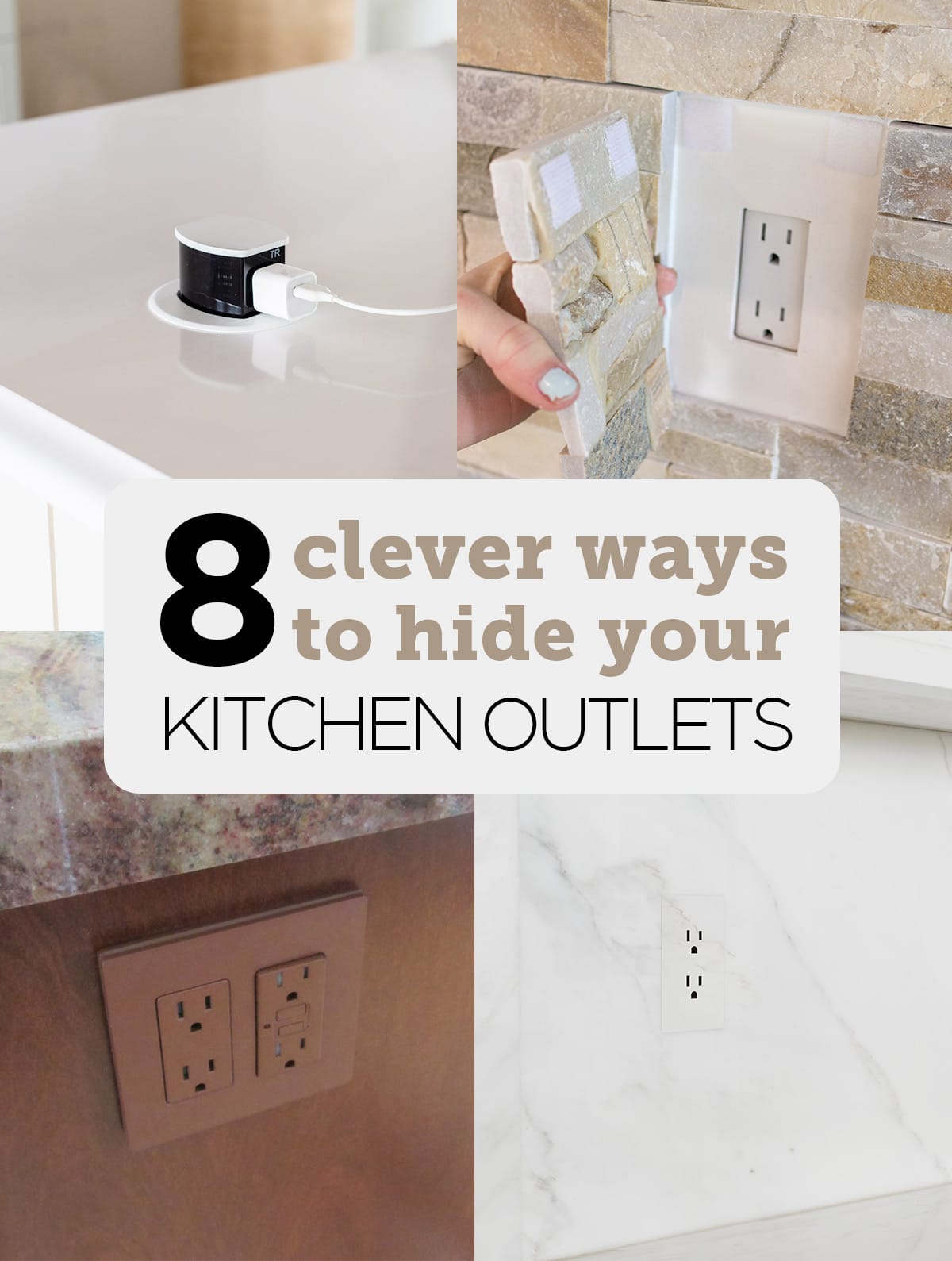
Image Source: www.jennasuedesign.com
The Appeal of Discreet Power Outlets
In modern kitchen design electrical considerations often move beyond mere functionality to encompass aesthetics. A kitchen is more than just a place to cook; it’s a hub for family life, entertaining, and a focal point of the home’s design. Exposed outlets can disrupt the visual flow, especially in minimalist or sleek kitchen designs. This is where the desire to conceal electrical sockets and hide electrical plugs becomes paramount. The goal is to have power readily available but not visually intrusive, creating a more polished and sophisticated appearance.
Why Hide Kitchen Outlets?
- Aesthetics: The primary driver is to enhance the visual appeal of the kitchen. Clean lines, minimalist cabinets, and beautiful backsplashes can be significantly marred by unsightly outlets.
- Cleanliness: Outlets, particularly those above countertops, can become dust and grease magnets. Hiding them can make cleaning easier.
- Safety: While not the primary reason, certain hidden outlet solutions can offer a slightly safer environment, especially for curious children, though proper safety precautions are always necessary regardless of outlet placement.
- Modern Design: Many contemporary kitchen trends emphasize clean surfaces and integrated features, making hidden outlets a natural fit.
Strategies for Seamless Kitchen Electrical
When planning your kitchen renovation or build, electrical outlet placement is a critical decision. Thinking about where you’ll need power and how to integrate it seamlessly from the outset will save you headaches and improve the final outcome. Here are several effective ways to hide outlets in the kitchen:
1. Under-Cabinet Outlets
This is perhaps the most popular and effective method for hiding outlets on kitchen backsplashes.
How They Work:
Outlets are mounted underneath the kitchen cabinets, facing downwards or slightly forward. This keeps them out of direct line of sight from the front, preserving the visual integrity of the backsplash.
Design Considerations:
- Placement: Position them strategically where you’ll most likely use small appliances like toasters, blenders, or coffee makers. Consider placing them at regular intervals for convenience.
- Type of Outlet: You can opt for standard outlets housed in decorative plates, or specialized under-cabinet outlet strips that offer multiple outlets and sometimes even USB ports in a single, low-profile unit.
- Wiring: Ensure the wiring is neatly concealed within the cabinet structure or run discreetly. This often requires planning during the cabinet installation phase.
- Ease of Access: While hidden, they should still be easily accessible for plugging and unplugging devices.
Advantages:
- Significantly reduces visual clutter on the backsplash.
- Keeps countertops clear of visible cords.
- Easy to access for everyday use.
Disadvantages:
- Can be slightly more expensive than standard outlets due to specialized installation.
- If not planned well, they might not be in the ideal location for all appliance needs.
2. Inside Cabinets or Drawers
For specific appliances that are stored and used within cabinets, such as charging stations or small appliance garages, outlets can be installed inside.
How They Work:
An outlet is wired and installed inside a cabinet or a dedicated drawer. This is perfect for items that are plugged in and then hidden away.
Design Considerations:
- Ventilation: Ensure adequate ventilation if you’re hiding appliances that generate heat (like a charging station with multiple devices).
- Safety: Use outlets specifically designed for in-cabinet use, often with safety features. The cabinet door should be able to close securely without pinching cords.
- Appliance Garage: Consider a dedicated “appliance garage” with a pull-out shelf and integrated outlets for appliances like toasters or mixers.
- Drawer Outlets: Some modern drawers can be fitted with outlets for charging phones or tablets discreetly.
Advantages:
- Completely hides the outlet and often the appliance itself.
- Great for creating dedicated charging zones or appliance storage.
Disadvantages:
- Requires careful planning and custom cabinetry or modification.
- Limited to specific use cases and appliance types.
3. Pop-Up Outlets (Countertop Outlets)
These are an increasingly popular kitchen power outlet solution that offers a sleek, modern look when not in use.
How They Work:
Pop-up outlets are installed flush with the countertop surface. With a simple push or twist, they emerge from the counter, revealing the outlets. When not needed, they can be pushed back down, blending seamlessly with the countertop.
Design Considerations:
- Countertop Material: These are best suited for solid countertops like quartz, granite, or solid surface materials that can be precisely cut.
- Placement: They can be placed on the countertop itself, near the backsplash, or even on an island. Consider where you’ll need temporary power for small appliances or charging devices.
- Waterproofing: Ensure the pop-up outlet units are rated for kitchen use and have adequate protection against spills and moisture seeping into the countertop. Some models have a sealed top surface.
- Height and Configuration: They come in various heights and configurations, including standard outlets, USB ports, and even wireless charging pads.
Advantages:
- Extremely discreet when closed, maintaining a clean countertop.
- Provides convenient access to power right on the work surface.
- Modern and high-tech appearance.
Disadvantages:
- Can be a significant investment.
- Requires precise cutting of the countertop, which can be costly and irreversible.
- Potential for food debris to get into the mechanism if not designed with a good seal.
- Requires careful electrical planning during the renovation.
4. Outlet Strips with Integrated USB Ports
While not strictly “hidden,” modern outlet strips can offer a more streamlined look.
How They Work:
These are long, low-profile strips that can be mounted under cabinets, along the toe kick, or even in a more visually appealing way on the backsplash itself. Many now include USB ports, reducing the need for bulky adapters.
Design Considerations:
- Mounting Location: Consider mounting them on the underside of cabinet overhangs or along the front edge of the counter.
- Color Matching: Choose strips that match your cabinetry or backsplash color for better integration.
- Cord Management: Opt for strips with integrated cord management features.
Advantages:
- Provides multiple outlets and USB ports in one place.
- Can be more aesthetically pleasing than individual outlets.
- Offers flexibility in placement.
Disadvantages:
- Still visible to some extent, depending on placement.
- Cords may still be visible if not managed carefully.
5. Color-Matched Outlets and Plates
A simpler yet effective method for hiding electrical plugs is to make the outlets blend in with their surroundings.
How They Work:
Choose outlet plates and cover colors that match the adjacent wall, tile, or cabinet material. You can also get outlets in different colors.
Design Considerations:
- Paintable Plates: Many outlet plates are designed to be painted, allowing them to perfectly match your wall color.
- Material Matching: For wood cabinets or stone backsplashes, look for plates made from similar materials or in complementary finishes.
- Placement: Even with color matching, consider the placement. Recessing outlets slightly or using them in conjunction with other hiding methods can further improve the look.
Advantages:
- Inexpensive and easy to implement.
- Significantly reduces the visual impact of outlets.
Disadvantages:
- Doesn’t completely conceal the outlet, just makes it less noticeable.
6. Recessed Outlets
This involves creating a small recess or niche in the wall or cabinetry where the outlet is installed.
How They Work:
A shallow box is installed in the wall or cabinetry, and the outlet is mounted within it, sitting slightly back from the surface.
Design Considerations:
- Cabinet Recesses: A small notch can be cut into the back of a cabinet to house an outlet, keeping it invisible from the front.
- Wall Niches: For outlets on an open wall, a shallow niche can be created during construction or by adding a mounting block.
Advantages:
- Provides a degree of concealment without complex mechanisms.
- Can protect the outlet from accidental bumps.
Disadvantages:
- May require more significant installation work.
- Access can be slightly more difficult.
7. Appliance Garages and Dedicated Hubs
As mentioned earlier, dedicated spaces for appliances offer a complete solution.
How They Work:
A custom-built cabinet, often with a sliding or hinged door, houses appliances like toasters, mixers, or coffee makers. Outlets are installed inside these units.
Design Considerations:
- Size and Ventilation: Ensure the garage is sized appropriately for your appliances and has good ventilation.
- Door Mechanism: Choose a door style (lift-up, sliding, bi-fold) that works best for your workflow and space.
- Power Routing: Plan how the power will be routed to the appliance garage during construction or renovation.
Advantages:
- Completely hides appliances and their cords.
- Keeps countertops clear and tidy.
Disadvantages:
- Takes up cabinet space.
- Requires custom design and installation.
Outlet Options Kitchen and Disguised Outlets: Beyond the Basics
Let’s delve deeper into some more creative and modern outlet options kitchen designers are employing to achieve truly seamless kitchen electrical.
Creative Outlet Cover Ideas
Beyond standard paintable plates, consider these innovative outlet cover ideas:
- Tile-In Covers: For tiled backsplashes, you can find outlet covers designed to accommodate a small tile, making the outlet appear as part of the tile pattern.
- Wood Grain or Finish Matches: For kitchens with extensive wood cabinetry, look for outlet plates that mimic the wood grain or are finished to match perfectly.
- Stainless Steel or Brushed Metal: These can blend well with stainless steel appliances and hardware, offering a sophisticated look.
- Custom Graphics or Patterns: While less common for hiding, some decorative covers can integrate a small outlet into a larger design motif.
Advanced Kitchen Power Outlet Solutions
- Induction Charging Surfaces: Imagine a countertop that can wirelessly charge compatible devices simply by placing them on the surface. This technology is still evolving but offers a glimpse into the future of truly invisible power.
- Under-Counter LED Lighting with Integrated Power: Some under-cabinet lighting systems now include discreet power outlets or USB ports, combining illumination with functionality.
- Modular Outlet Systems: These systems allow you to customize the number and type of outlets in a single strip or unit, often with sleek, retractable covers.
Electrical Outlet Placement – The Strategic Approach
The best way to hide outlets is to think about their placement from the very beginning of your kitchen design process.
Key Placement Strategies:
- Prioritize Work Zones: Identify where you’ll be using appliances most frequently. This includes areas around the toaster, coffee maker, blender, microwave, and charging stations.
- Consider Height:
- Countertop Level: For immediate access to small appliances. Under-cabinet or pop-up outlets are ideal here.
- Upper Cabinet Level: Can be used for lighting or less frequently used appliances.
- Lower Cabinet/Toe Kick Level: Useful for charging stations or appliances tucked away.
- Island Power: Islands often need outlets for convenience. Consider pop-up outlets integrated into the countertop, or outlets mounted on the sides of the island, angled for better access and less visibility.
- Avoid High-Traffic Areas: Try not to place outlets directly in the main pathways of the kitchen where they are constantly visible or could be bumped.
- Work with Your Designer/Electrician: Collaborate closely with your kitchen designer and electrician. They can advise on the feasibility of different placement options and ensure all electrical work is up to code and safely installed. They are experts in kitchen design electrical integration.
Seamless Kitchen Electrical – The Big Picture
Achieving seamless kitchen electrical isn’t just about hiding individual outlets; it’s about an integrated approach to power throughout the space.
Integrating Power Thoughtfully:
- Minimize Cord Clutter: Beyond hiding outlets, think about how you manage the cords themselves. Cable management solutions can be integrated into cabinets or behind appliances.
- Multi-Functional Fixtures: Opt for fixtures that serve multiple purposes, like under-cabinet lighting with integrated USB ports.
- Plan for the Future: Consider what technology might evolve. Having a few extra, discreetly placed outlets can be beneficial down the line.
- Balance Aesthetics with Accessibility: While hiding outlets is desirable, ensure they remain functional and easy to reach when needed. No one wants to contort themselves to plug in a toaster.
Hiding Electrical Plugs – Best Practices
When you do have visible plugs, here are tips to make them less obtrusive:
- Cord Colors: Use cords that match your appliance or the surface they are resting on.
- Cord Wraps: Utilize cord wraps to keep excess cord length neatly tucked away.
- Cable Sleeves: For appliances that are frequently used and have visible cords, cable sleeves can bundle multiple wires together for a cleaner look.
- Dedicated Appliance Spots: If possible, have a specific spot for each appliance, and keep it plugged in and neatly tucked away when not in use.
Table: Common Outlet Options Kitchen and Their Visibility
| Outlet Type | Primary Method of Hiding | Visibility Level (When Not in Use) | Ease of Installation | Cost Consideration | Best For |
|---|---|---|---|---|---|
| Under-Cabinet Outlets | Mounted below cabinets, out of direct view | Low | Moderate | Moderate | Backsplashes, small appliance use |
| Pop-Up Outlets | Recessed flush with countertop, pop up when needed | Very Low (when closed) | High (requires cutting) | High | Countertops, islands, modern aesthetic |
| Inside Cabinet Outlets | Installed within cabinets or drawers | None (when cabinet is closed) | Moderate | Moderate | Charging stations, appliance garages, storage |
| Color-Matched Outlets | Plates/outlets match surrounding surface | Low (blends in) | Easy | Low | General use, reducing visual impact |
| Recessed Outlets | Mounted in a small recess or niche | Low | Moderate | Moderate | Walls, cabinets, slightly more protected |
| Outlet Strips (Low-Pro) | Mounted discreetly under cabinets or along edges | Moderate | Easy | Low-Moderate | Multiple device charging, flexible placement |
| Appliance Garages | Integrated into custom cabinetry | None | High (custom build) | High | Hiding appliances and their connections |
Frequently Asked Questions (FAQ)
Q1: Is it safe to hide outlets in my kitchen?
A1: Yes, it is safe as long as the outlets are installed by a qualified electrician according to local building codes and safety standards. Proper ventilation and protection from moisture are crucial, especially for pop-up outlets or those within cabinets.
Q2: Can I install pop-up outlets myself?
A2: While DIY is possible for experienced individuals, it is highly recommended to have pop-up outlets installed by a licensed electrician. Cutting into countertops requires precision, and electrical connections must be made safely and correctly.
Q3: How do I deal with visible cords from appliances?
A3: Use cord management solutions like cord wraps, cable clips, or sleeves. Whenever possible, unplug appliances and store them away, or keep them plugged into discreetly placed outlets with cords neatly managed.
Q4: What are the most cost-effective ways to hide outlets?
A4: The most cost-effective methods include using paintable outlet plates that match your wall color and strategically placing standard outlets in less visible areas like under cabinets or along the toe kick.
Q5: Will hiding outlets affect the resale value of my home?
A5: On the contrary, thoughtful kitchen design electrical solutions that result in a clean, seamless look are often seen as desirable features and can positively impact a home’s resale value. They contribute to a modern and well-designed kitchen.
By carefully considering these outlet options kitchen designers and homeowners have, you can successfully conceal electrical sockets and achieve a beautiful, functional, and seamless kitchen electrical experience. The key is planning, creativity, and working with skilled professionals.