
Can you keep a dog out of the kitchen? Yes, you absolutely can keep a dog out of the kitchen with a combination of physical barriers, training, and consistent management. The kitchen is often a dog’s favorite room, filled with tantalizing smells and the promise of dropped food. But for safety, hygiene, and to prevent your furry friend from developing unhealthy habits, it’s essential to establish clear boundaries. This guide will walk you through effective strategies and easy tips to achieve a kitchen-free zone for your canine companion.
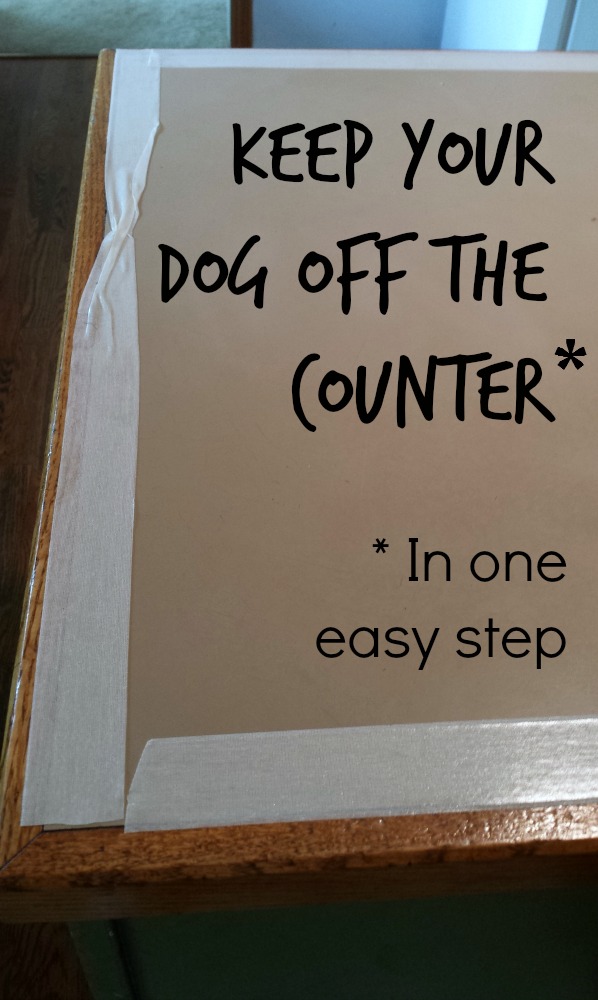
Image Source: www.makesomethingdaily.com
Why the Kitchen is a Magnet for Dogs
It’s no secret that the kitchen is a dog’s culinary paradise. The air is usually thick with the aroma of delicious food, from roasting chicken to simmering stews. These scents are a powerful draw, triggering your dog’s natural instincts to seek out sustenance. Beyond the smells, there’s the visual stimulation of you preparing meals, and the potential for accidental (or intentional!) food drops. For many dogs, the kitchen represents a place of abundance and excitement, making it a challenging area to keep them out of.
The Importance of Kitchen Boundaries
Establishing boundaries around the kitchen isn’t just about convenience; it’s about your dog’s well-being and your home’s cleanliness.
- Safety First: Kitchens can be dangerous places for dogs. Hot stoves, sharp knives, cleaning chemicals, and electrical cords are all potential hazards. Keeping your dog out of the kitchen when you’re cooking or cleaning can prevent accidents.
- Preventing Undesirable Habits: Allowing dogs unrestricted access can lead to begging, counter-surfing, and even stealing food. These behaviors can be hard to break once they start.
- Hygiene: Dogs can track dirt and fur into the kitchen, compromising hygiene. Keeping them out of this food preparation area helps maintain a cleaner environment.
- Training and Structure: Setting clear rules, like keeping the dog out of the kitchen during meal prep, helps reinforce training and teaches your dog about household expectations.
Physical Barriers: The First Line of Defense
Sometimes, the most straightforward approach is the best. Physical barriers are excellent tools to manage your dog’s access to the kitchen.
Using a Kitchen Gate for Dogs
A kitchen gate for dogs is one of the most effective ways to block off this area. These gates come in various forms, from simple pressure-mounted ones to more secure hardware-mounted options.
- Pressure-Mounted Gates: These are easy to install and remove without tools. They are good for temporary use or for blocking wider openings. Ensure they are sturdy and tall enough for your dog.
- Hardware-Mounted Gates: These are bolted to the wall or doorframe and offer maximum security. They are ideal for larger, stronger dogs or for permanent blocking of an entrance. Many hardware-mounted gates also have swing-through doors, making it easy for you to pass while keeping your dog contained.
Baby Gates for Pets: Versatile Solutions
Baby gates for pets are often designed with dogs in mind and can be incredibly versatile. They come in various heights and widths, some even with specialized features like small pet doors.
- Height Matters: Choose a gate that your dog cannot easily jump over. For most medium to large dogs, a gate that is 30-36 inches high is usually sufficient.
- Width Adaptability: If your kitchen entrance is wider than standard gates, look for extra-wide options or connect multiple gates.
- Sturdiness: Opt for gates made from durable materials like metal or sturdy wood. Plastic gates can be less durable, especially for dogs that might chew or push against them.
Other Physical Barriers
Beyond gates, consider these options for dog proofing kitchen spaces:
- Closed Doors: The simplest barrier is a closed door. If your kitchen has one, use it consistently.
- Exercise Pens (X-Pens): For temporary containment in a larger area or when you need to block multiple access points, an exercise pen can be a good option. You can arrange panels to create a barrier around the kitchen entrance.
- Furniture Arrangement: Strategically placed furniture, like a sturdy console table or a bench, can sometimes act as a deterrent or partial barrier. However, ensure this doesn’t create new climbing opportunities for your dog.
Training Dogs Out of the Kitchen: Beyond Barriers
While physical barriers are crucial, they are not the only solution. Effective training is key to long-term success and a well-behaved dog. Training dogs out of kitchen access involves teaching your dog that the kitchen is off-limits.
Command Training for Dogs: Building Good Habits
Command training for dogs is fundamental to managing their behavior around the kitchen.
- “Leave It” Command: This command is invaluable. Teach your dog to ignore tempting items, including food on the floor or in your hand. Practice this command with various distractions. Start with low-value treats and gradually move to higher-value ones.
- “Stay” Command: A solid “stay” command can be used to keep your dog in their designated spot while you are in the kitchen. Reward them for holding their stay.
- “Go to Place” or “Mat” Command: Train your dog to go to a specific bed or mat and stay there. This gives them a designated spot to relax while you are busy in the kitchen.
Positive Reinforcement for Dogs: Rewarding Good Behavior
Positive reinforcement for dogs is the most effective and humane way to teach them what you want. Instead of punishing your dog for being in the kitchen, focus on rewarding them for staying out or for obeying commands.
- Reward Out-of-Kitchen Behavior: When your dog voluntarily stays out of the kitchen or lies down in their designated spot while you’re in there, reward them with praise, a gentle pet, or a small, healthy treat.
- Counter-Surfing Prevention: If your dog is prone to jumping on counters, redirect this behavior. When you see them eyeing the counter, redirect their attention with a toy or a command like “sit.” If they are successful, reward them.
- Consistency is Key: Everyone in the household must be consistent with the rules and training. Inconsistency will confuse your dog and make training much harder.
Leash Training for Dogs: Controlled Access
Leash training for dogs can be a useful tool, especially during the initial training phases or when you need to supervise them closely.
- Tethering: You can tether your dog to a piece of furniture in another room or at a safe distance from the kitchen entrance with a leash. This allows them to be near you but prevents them from entering the kitchen.
- Supervised Kitchen Time: If you want your dog to be in the same general area but not in the kitchen, you can keep them on a leash and in an adjacent room or hallway. This allows them to see and hear you but keeps them physically out of the restricted zone.
Managing Temptations: Dog Proofing the Kitchen
Beyond gates and training, actively managing the environment is crucial for dog proofing kitchen areas.
Keeping Dog Off Counters and Tables
Counter-surfing is a common issue. Here’s how to tackle it:
- No Food Left Unattended: This is the golden rule. Always clear counters of food, crumbs, and even dirty dishes promptly.
- Secure Trash Cans: Use trash cans with secure lids that your dog cannot easily open. Many dogs consider a full trash can a treasure trove.
- Discourage Climbing: If your dog jumps on chairs or tables to get to counters, prevent access to those items when unsupervised. You might place chairs neatly under the table or use a deterrent spray on surfaces they tend to climb.
Managing Food Scraps and Droppings
- Immediate Cleanup: Clean up any food scraps or spills immediately. Don’t leave tasty temptations lying around.
- Feeding Your Dog Separately: Feed your dog in their own designated area, away from the kitchen, to prevent them from associating the kitchen with their mealtime.
Addressing Specific Scenarios
Different situations require tailored approaches.
When You Are Cooking
Cooking is often when the kitchen is most tempting and most dangerous.
- Use a Gate: A kitchen gate for dogs is ideal during cooking times.
- Designated “Safe Zone”: Have your dog relax on their bed or in another room with a puzzle toy or chew.
- Supervision: If your dog is generally well-behaved, you can allow them to be in the same room but on a leash, practicing their “place” command.
When You Have Guests
Entertaining can be chaotic. Guests might not be as vigilant about keeping the dog out of the kitchen.
- Inform Guests: Politely let your guests know that the kitchen is off-limits to the dog.
- Secure the Dog: Before guests arrive, ensure your dog is safely contained in their designated area with something engaging to do.
If Your Dog is a Counter-Surfer
Counter-surfing is a persistent problem for many owners.
- Make Counters Unappealing: Some people use sticky mats or motion-activated deterrents on counters, though these can sometimes startle dogs.
- Increase Exercise and Mental Stimulation: A tired dog is less likely to engage in destructive or attention-seeking behaviors like counter-surfing. Ensure your dog gets enough physical activity and mental challenges.
What to Do If Your Dog Gets Into the Kitchen
Accidents happen. Here’s how to handle them constructively:
- Stay Calm: Avoid yelling or punishing your dog after the fact, as they won’t connect the punishment to the action.
- Reinforce Boundaries: If you find your dog in the kitchen, calmly lead them out and then immediately implement a barrier or redirect them to their designated spot.
- Analyze the Cause: Was a gate left open? Was food left unattended? Identify the breakdown in your system and adjust accordingly.
Tools and Products to Help
Several products can assist you in keeping your dog out of the kitchen.
| Product Type | Description | Best For |
|---|---|---|
| Kitchen Gate for Dogs | Pressure-mounted or hardware-mounted barriers designed to block doorways. | Blocking kitchen entrances, high-traffic areas. |
| Baby Gates for Pets | Similar to baby gates, often with wider spans or chew-resistant materials. | Varied doorway sizes, strong chewers. |
| Heavy-Duty X-Pens | Portable, modular panels that can create enclosed spaces. | Temporary containment, blocking multiple entry points. |
| Elevated Food Bowls | Can help some dogs eat more comfortably, but don’t directly help with kitchen access. | Dogs with joint issues or that eat too quickly. |
| Puzzle Feeders | Toys that dispense food slowly, providing mental stimulation. | Keeping dogs occupied and mentally engaged while you are in the kitchen. |
| Deterrent Sprays | Sprays with bitter or unpleasant tastes for dogs (use with caution and test on an inconspicuous area first). | Discouraging chewing on furniture or potential counter-climbing aids. |
| Sticky Mats | Mats with a sticky surface that dogs dislike stepping on. | Discouraging dogs from entering specific areas. |
| Motion-Activated Air Sprayers | Devices that emit a harmless burst of air when motion is detected. | Startling dogs away from forbidden areas. |
Making it a Habit: Long-Term Success
Keeping your dog out of the kitchen is an ongoing process. It requires commitment and consistency.
- Regular Training Reinforcement: Periodically review commands like “leave it” and “stay” to keep them sharp.
- Adapt as Your Dog Grows: If you have a puppy, you’ll need to use higher or more robust barriers as they grow and become more agile.
- Environmental Checks: Routinely check that your gates are secure and that no food or tempting items are left accessible.
By combining physical barriers with consistent and positive training methods, you can effectively train dogs out of the kitchen and create a safer, cleaner, and more harmonious living environment for everyone. Remember, patience and a clear, consistent approach are your greatest allies in this endeavor.
Frequently Asked Questions (FAQ)
Q1: How tall should a kitchen gate for dogs be?
A1: The height of a kitchen gate for dogs depends on your dog’s size and jumping ability. For most medium to large breeds, a gate between 30-36 inches high is usually sufficient. However, if you have a particularly athletic or agile dog, you may need a taller gate.
Q2: Can I use baby gates for pets to keep my dog out of the kitchen?
A2: Yes, baby gates for pets are often an excellent and cost-effective solution. Many are designed to be sturdy enough for dogs and can be easily installed and removed. Just ensure the gate is appropriate for your dog’s size and strength.
Q3: What is the best way to keep my dog off the kitchen counters?
A3: The best way to keep dog off counters involves a multi-pronged approach: consistent training using commands like “leave it” and “down,” immediate cleanup of food and crumbs, using secure trash cans, and ensuring your dog receives adequate exercise and mental stimulation. Physical deterrents can also be used temporarily.
Q4: Is it effective to yell at my dog when they go into the kitchen?
A4: Yelling is generally not an effective long-term training strategy. While it might startle your dog in the moment, it doesn’t teach them what to do. Positive reinforcement for dogs is far more effective. Instead of punishment, focus on rewarding them for staying out of the kitchen or for obeying commands.
Q5: How can leash training for dogs help keep them out of the kitchen?
A5: Leash training for dogs can be used to manage your dog’s proximity to the kitchen. You can tether them in an adjacent room or hallway, allowing them to be near you but preventing access to the kitchen. This is a good temporary solution during training or when supervision is paramount.
Q6: What if my dog is very persistent about getting into the kitchen?
A6: If your dog is very persistent, it may indicate a strong desire for food, boredom, or anxiety. You may need to reinforce barriers more strictly, increase their physical activity and mental stimulation (e.g., puzzle toys, training sessions), and ensure that no food is ever left unattended in the kitchen. Consider consulting a professional dog trainer for persistent issues.
Q7: How can I make sure everyone in the house follows the kitchen access rules?
A7: Effective communication and consistency among all household members are crucial for training dogs out of kitchen access. Hold a family meeting to explain the rules and why they are important. Designate one person to be in charge of enforcing the rules if necessary, and ensure everyone is on the same page about rewarding good behavior and redirecting unwanted behavior.
Q8: Are there any training methods that don’t involve physical barriers?
A8: While physical barriers are often the easiest and most immediate solution, the core of training dogs out of kitchen access relies on command training for dogs and positive reinforcement for dogs. Commands like “leave it,” “stay,” and “go to your place” are essential. However, it takes time and consistency for dogs to reliably avoid a highly tempting area like the kitchen without a physical barrier.