
What are the best ways to clean kitchen pipes and prevent clogs? The best ways involve regular preventative maintenance using natural methods, addressing minor blockages promptly with DIY solutions, and knowing when to call a professional. This guide will walk you through everything you need to know about kitchen pipe maintenance to keep your plumbing flowing smoothly.
Your kitchen sink is the workhorse of your culinary space, but it’s also a prime spot for plumbing problems. Grease, food scraps, soap scum, and other debris can build up over time, leading to slow drains and frustrating clogs. Regular kitchen drain cleaning is essential to prevent these issues and maintain a healthy plumbing system. Ignoring these build-ups can escalate into significant problems, requiring costly repairs. This article is your comprehensive guide to keeping your kitchen pipes clear and free from kitchen pipe blockages. We’ll cover everything from everyday habits to more in-depth cleaning techniques for unclogging kitchen sink issues.
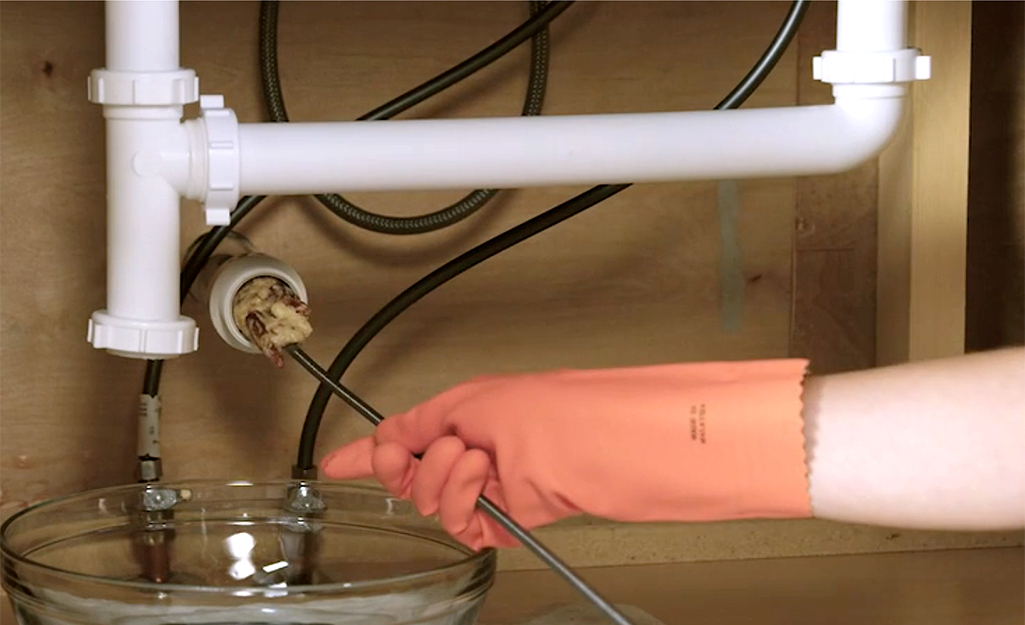
Image Source: contentgrid.homedepot-static.com
The Culprits Behind Kitchen Pipe Clogs
Before diving into cleaning methods, it’s helpful to understand what causes kitchen pipe blockages.
- Grease and Fat: This is the number one enemy of your kitchen pipes. When hot grease or oil is poured down the drain, it cools as it travels through the pipes. This liquid fat solidifies and sticks to the pipe walls, gradually narrowing the passage. Over time, even small amounts of grease can combine with other debris to form a stubborn clog.
- Food Scraps: While it might seem harmless to rinse small bits of food down the drain, they can accumulate. Fibrous foods like celery or potato peels, coffee grounds, eggshells, and even pasta or rice can expand when wet, contributing to blockages.
- Soap Scum: The combination of soap and hard water minerals can create a sticky residue known as soap scum. This film coats the inside of your pipes, trapping other debris and making it easier for clogs to form.
- Foreign Objects: Accidentally dropping small items like bottle caps, silverware, or even jewelry down the drain can quickly create a blockage.
- Hair: While more commonly associated with bathroom drains, long hair can find its way into kitchen sinks and contribute to clogs, especially if combined with other debris.
DIY Kitchen Drain Cleaning: Natural and Effective Methods
Fortunately, many common kitchen pipe blockages can be tackled with simple, natural ingredients readily available in your kitchen. These methods are not only effective but also environmentally friendly and less harsh on your pipes than chemical drain cleaners. This is your guide to DIY kitchen drain cleaning.
1. Boiling Water Flush: A Simple Start
A simple flush with boiling water can be surprisingly effective for minor grease build-up.
How to do it:
- Boil a kettle or pot of water.
- Slowly and carefully pour the boiling water directly down the drain.
- Wait a few minutes, then run hot tap water to see if the drain flows better.
Best for: Dissolving minor grease and soap scum.
Frequency: Weekly or as a preventative measure.
Caution: Avoid this method if you have PVC pipes that are old or have any signs of damage, as extreme heat could potentially warp them. For most modern PVC and metal pipes, it’s safe.
2. Baking Soda and Vinegar: The Classic Duo
This fizzy, bubbling reaction is a time-tested method for kitchen drain cleaning. It helps break down grease, soap scum, and minor food particles.
What you’ll need:
- 1/2 cup baking soda
- 1/2 cup white vinegar
- Boiling water
- A drain stopper or old rag
How to do it:
- Pour the baking soda directly into the drain.
- Immediately follow with the white vinegar.
- The mixture will start to fizz and bubble. Quickly cover the drain with a stopper or rag to direct the reaction downwards into the pipes.
- Let it sit for 30 minutes to an hour.
- Remove the stopper and flush the drain with a kettle of boiling water.
Best for: Grease, soap scum, and deodorizing. It’s an excellent method for kitchen pipe odor removal.
Frequency: Monthly, or whenever you notice slow draining.
3. Salt and Baking Soda: A Gritty Solution
Salt acts as an abrasive, helping to scrub away build-up, while baking soda provides the cleaning power.
What you’ll need:
- 1/2 cup salt
- 1/2 cup baking soda
- Boiling water
How to do it:
- Mix the salt and baking soda together.
- Pour the mixture down the drain.
- Let it sit for at least 30 minutes, or even a few hours for tougher build-ups.
- Flush with boiling water.
Best for: Mild grease and grime.
Frequency: Monthly.
4. Lemon Juice and Baking Soda: For Shine and Scent
For a pleasant-smelling drain that’s also cleaner, try lemon juice. Its acidity can help break down minor build-ups, and it leaves a fresh scent.
What you’ll need:
- 1/2 cup baking soda
- 1/4 cup lemon juice (fresh or bottled)
- Boiling water
How to do it:
- Pour the baking soda down the drain.
- Add the lemon juice.
- Let it fizz for about 15-20 minutes.
- Flush with boiling water.
Best for: Mild cleaning and kitchen pipe odor removal.
Frequency: As needed for freshness and light cleaning.
Tools for Tackling Stubborn Clogs
When natural methods aren’t enough, you might need a little mechanical help to dislodge tougher clogs. These are effective for unclogging kitchen sink problems.
1. The Plunger: A Classic Problem Solver
A plunger is a simple yet powerful tool for kitchen drain cleaning. The suction it creates can dislodge many common clogs.
How to do it:
- Ensure there’s enough water in the sink to cover the bell of the plunger. If not, add some water.
- Create a tight seal around the drain with the plunger.
- Pump the plunger up and down vigorously for about 20-30 seconds.
- Quickly pull the plunger away from the drain.
- Repeat the process several times if necessary.
Best for: Most types of clogs, especially those caused by food debris.
Tips: If you have a double sink, block off the second drain with a wet rag to create better suction.
2. The Drain Snake (Auger): For Deeper Blockages
A drain snake is a flexible metal cable that you feed into the pipe to physically break up or retrieve a clog. This is a go-to for more significant kitchen pipe blockages.
How to do it:
- Feed the end of the snake into the drain.
- Crank the handle to push the cable further into the pipe.
- When you feel resistance, you’ve likely hit the clog. Rotate the handle to break up the blockage or hook onto it.
- Slowly pull the snake back out, bringing the debris with it.
- Repeat as needed.
- Flush the drain with hot water.
Best for: Deeper clogs that a plunger can’t reach.
Tips: Keep a bucket or trash bag handy to catch any gunk pulled out of the pipe.
3. Cleaning the P-Trap: A Direct Approach
The P-trap is the U-shaped pipe beneath your sink. It’s designed to hold water, which prevents sewer gases from entering your home, but it’s also a common place for debris to accumulate. This is a key step in cleaning kitchen plumbing.
What you’ll need:
- Bucket
- Adjustable wrench or pliers
- Rubber gloves
- Old towels or rags
How to do it:
- Place the bucket directly beneath the P-trap to catch any water and debris.
- Loosen the slip nuts on either side of the P-trap using your wrench or pliers.
- Carefully remove the P-trap. Be prepared for water and potential gunk to spill out.
- Clean out the P-trap thoroughly. You can use a brush, hot water, or a stiff wire to remove stubborn build-up.
- Check the pipes leading into and out of the P-trap for any visible obstructions.
- Reassemble the P-trap, ensuring the slip nuts are tightened securely, but not so tight that you crack the plastic or metal.
- Run water to check for leaks.
Best for: Stubborn clogs located right under the sink.
Frequency: As needed, or as part of a deep cleaning routine every 6-12 months.
Advanced Cleaning and Maintenance for Kitchen Pipes
Beyond immediate clog removal, there are methods for deeper kitchen pipe descaling and long-term maintenance to prevent future issues.
1. Chemical Drain Cleaners: Use with Caution
While widely available, chemical drain cleaners should be a last resort. They are often corrosive and can damage pipes, especially older ones. They also pose environmental and health risks. If you choose to use one, follow the instructions precisely.
Best for: Extremely stubborn clogs when other methods fail.
Frequency: Very rarely, if ever.
Caution: Never mix different chemical drain cleaners, as this can create dangerous fumes. Wear gloves and eye protection. Ensure good ventilation.
2. Enzyme Drain Cleaners: A Safer Alternative
Enzyme drain cleaners use biological agents (enzymes and bacteria) to break down organic waste like grease and food particles. They are much gentler on pipes and the environment than chemical cleaners.
How to do it:
- Follow the product instructions. Typically, you pour the solution down the drain and let it work overnight.
- Flush with water in the morning.
Best for: Regular maintenance and preventing build-up, as well as kitchen pipe odor removal.
Frequency: Monthly or quarterly for ongoing kitchen pipe maintenance.
3. Hydro-Jetting: Professional Pipe Cleaning
For severe build-up, significant kitchen pipe blockages, or if you want a deep clean for your entire plumbing system, professional hydro-jetting is an option. This involves using high-pressure water to blast away stubborn debris from the inside of your pipes.
Best for: Thorough kitchen pipe descaling and removing hardened grease and mineral deposits.
Frequency: Every few years, or as recommended by a plumber.
Kitchen Sink Disposal Cleaning
If you have a garbage disposal, it’s crucial to keep it clean as well. Food particles can get stuck in the disposal, causing odors and potential clogs.
1. Ice Cubes and Salt: A Natural Scrubber
How to do it:
- Pour a handful of ice cubes into the disposal.
- Add about 1/2 cup of coarse salt.
- Run cold water and turn on the disposal. The ice and salt act as an abrasive to clean the grinding chamber.
Best for: General cleaning and deodorizing.
2. Citrus Peels: For Freshness
How to do it:
- Cut up a lemon, lime, or orange peel into small pieces.
- Run the disposal with cold water while feeding the peels in.
Best for: Kitchen pipe odor removal and a fresh scent.
3. Baking Soda and Vinegar (Disposal Edition)
How to do it:
- Pour 1/2 cup of baking soda into the disposal.
- Follow with 1/2 cup of white vinegar.
- Let it fizz for 10-15 minutes.
- Flush thoroughly with cold water while running the disposal.
Best for: Deeper cleaning and tackling odors.
Preventing Future Kitchen Pipe Blockages
The best way to deal with kitchen pipe blockages is to prevent them from happening in the first place. Consistent habits are key to effective kitchen pipe maintenance.
- Scrape Plates: Always scrape food scraps into the trash or compost bin before rinsing plates.
- Avoid Pouring Grease Down the Drain: Never pour cooking oil, grease, or fat down the sink. Let it cool and solidify, then dispose of it in the trash. You can also use a dedicated grease disposal container.
- Use a Sink Strainer: A good quality sink strainer will catch most food particles and debris, preventing them from entering your pipes. Clean it regularly.
- Run Cold Water: When using the garbage disposal, always run cold water. This helps solidify any grease so it can be ground up and flushed away.
- Regular Flushing: Periodically flush your drains with boiling water or the baking soda and vinegar mixture to keep build-up at bay.
- Mindful Disposal Use: Be judicious with what you put down the garbage disposal. Avoid fibrous materials, large bones, coffee grounds, and expandable foods like rice or pasta in large quantities.
When to Call a Professional Plumber
While DIY methods can solve many common problems, there are times when you’ll need to call in the experts.
- Persistent Clogs: If you’ve tried multiple methods and the drain remains clogged, it’s time to call a plumber.
- Multiple Clogged Drains: If several drains in your house are backing up simultaneously, it could indicate a more serious issue in your main sewer line.
- Foul Odors: Persistent bad smells that you can’t eliminate through cleaning might signal a deeper problem.
- Water Backing Up: If water is backing up from one drain when you use another fixture (like a toilet or shower), this is a clear sign of a significant blockage.
- Lack of Confidence: If you’re uncomfortable performing any of the DIY cleaning kitchen plumbing tasks, it’s always safer to hire a professional.
A plumber has specialized tools and expertise to diagnose and fix complex kitchen pipe blockages and can perform services like camera inspections to identify the exact cause of the problem. They can also perform deep kitchen pipe descaling more effectively than most home methods.
Table: DIY Kitchen Pipe Cleaning Methods at a Glance
| Method | Primary Ingredients | Best For | Frequency |
|---|---|---|---|
| Boiling Water Flush | Boiling Water | Minor grease, loosening build-up | Weekly |
| Baking Soda & Vinegar | Baking Soda, Vinegar | Grease, soap scum, deodorizing | Monthly |
| Salt & Baking Soda | Salt, Baking Soda | Mild grease, scrubbing | Monthly |
| Lemon Juice & Baking Soda | Baking Soda, Lemon Juice | Light cleaning, odor removal | As needed |
| Plunger | Plunger | Most types of clogs, food debris | As needed |
| Drain Snake | Drain Snake | Deeper clogs, physical removal of obstructions | As needed |
| P-Trap Cleaning | None (tools required) | Stubborn clogs under the sink | As needed / Semi-annually |
| Enzyme Cleaners | Enzyme-based products | Regular maintenance, preventing build-up, deodorizing | Monthly/Quarterly |
Frequently Asked Questions About Kitchen Pipe Cleaning
Q1: How often should I clean my kitchen pipes?
A1: For preventative maintenance, a simple boiling water flush weekly and a baking soda/vinegar treatment monthly is a good routine. If you notice slow draining, address it immediately.
Q2: Can I use bleach to clean my kitchen pipes?
A2: It is generally not recommended to use bleach for kitchen drain cleaning. Bleach can be harsh on pipes, especially older ones, and its fumes can be dangerous if mixed with other chemicals or if ventilation is poor. Natural methods are safer and often just as effective for regular cleaning.
Q3: My garbage disposal smells. How do I clean it?
A3: To combat odors, try running ice cubes and coarse salt through the disposal, or use the baking soda and vinegar method described earlier. Citrus peels also help leave a fresh scent. Always run cold water when using the disposal.
Q4: What should I do if I pour grease down the drain by accident?
A4: Immediately after pouring the grease, flush the drain with a large amount of very hot or boiling water. This helps to melt the grease and move it through the pipes before it solidifies. Then, follow up with a baking soda and vinegar treatment.
Q5: How can I tell if my kitchen pipes need professional cleaning?
A5: Signs include persistent clogs that DIY methods can’t fix, multiple drains backing up, foul odors that cleaning doesn’t resolve, or water backing up from one drain when another is used. If you’re unsure, it’s always best to consult a plumber.
By incorporating these regular cleaning habits and knowing how to tackle minor issues, you can significantly reduce the risk of frustrating kitchen pipe blockages and keep your kitchen plumbing running smoothly for years to come. Consistent kitchen pipe maintenance is the key to avoiding costly repairs and maintaining a clean, functional kitchen.