
Deciding on the right amount of overhang for your kitchen island is a crucial step in creating a functional and comfortable space. The ideal kitchen island seating overhang typically ranges from 10 to 12 inches for comfortable dining, while standard countertop overhang depth for walking clearance is usually 1 to 1.5 inches. This guide will delve into the specifics, helping you determine the perfect balance for your kitchen island seating and countertop needs.
A kitchen island can transform your cooking space from utilitarian to a social hub. It can be a place to prep meals, enjoy a quick breakfast, or gather with friends while you cook. But a poorly planned island can be a hindrance. The overhang is a key factor in making your island both beautiful and practical. It’s where people sit, where you place your drinks, and it impacts how much space you have to move around. Getting this right means more enjoyment and less frustration.
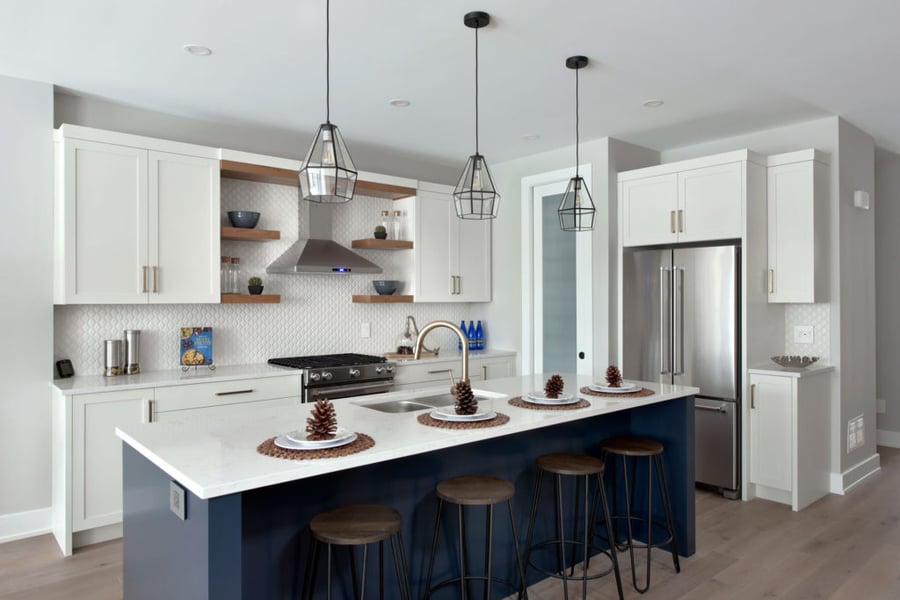
Image Source: www.deslaurier.com
Why Overhang Matters for Your Kitchen Island
The overhang on a kitchen island serves several vital purposes:
- Comfortable Seating: It provides legroom for those seated at the island, allowing them to tuck their legs underneath comfortably.
- Countertop Functionality: It extends the usable surface area of your countertop, offering space for serving dishes, appliances, or simply a place to lean.
- Aesthetics: A well-proportioned overhang adds visual balance and can make the island appear less blocky.
- Protection: It can help protect the island’s cabinetry from spills and accidental bumps.
- Support for Bar Seating: It’s essential for supporting seating like stools, ensuring stability and preventing tipping.
Without adequate overhang, your island can feel cramped and unwelcoming for guests or family members who want to sit and chat. Too much overhang, however, can sometimes affect structural integrity or create an awkward balance.
Gauging the Right Amount: Kitchen Island Seating Overhang
When planning for seating at your kitchen island, the overhang is paramount. This is where guests will be dining, working, or simply enjoying conversation. The goal is to provide enough space for legs without making the island feel unbalanced or intrusive into the surrounding walkway.
Factors Influencing Seating Overhang:
- Type of Seating: Will you have standard counter stools, bar stools, or perhaps chairs for a dining table island feel? Different seating heights and styles require different overhang depths.
- Usage: Is this primarily for quick breakfasts, or will it be a main dining spot? More extensive use warrants more generous overhang.
- Aesthetics: The overall design of your kitchen and island will influence how the overhang looks and feels.
Recommended Kitchen Island Seating Overhang Depths:
Here’s a breakdown of common recommendations for kitchen island seating overhang, ensuring comfortable and practical use:
- Minimum Overhang for Dining (Casual Seating): For simple, quick meals or to provide just enough space to tuck in, 10 inches of overhang is often considered the minimum. This allows for comfortable seating with basic legroom. This is suitable for island overhang for stools where people won’t be spending extended periods.
- Comfortable Overhang for Seating (Standard Counter Height): For counter-height seating (around 36 inches high), 12 inches of overhang is a widely accepted standard for comfortable dining. This provides ample legroom for most adults. This is a great depth for bar seating overhang or general overhang for counter stools.
- Extended Overhang for Dining (Table Height or Extended Use): If you envision your island serving as a more formal dining area or if you have guests who prefer more legroom, consider an overhang of 15 to 18 inches. This is especially beneficial for an overhang for dining table island setups.
- Generous Overhang for Enhanced Comfort: For ultimate comfort, especially if people will be seated for longer durations, a 15-inch overhang is highly recommended. This is often what’s meant by a comfortable overhang for seating.
Table 1: Recommended Kitchen Island Seating Overhangs
| Seating Style | Recommended Overhang (inches) | Usage Notes |
|---|---|---|
| Casual/Quick Meals | 10 | Minimum for basic legroom, good for occasional use. |
| Standard Counter Stool Seating | 12 | Most common and comfortable for general dining and socializing. |
| Extended Dining/More Legroom | 15 | Ideal for longer stays, allows more freedom of movement. |
| Enhanced Comfort/Table Height Feel | 15-18 | Best for islands that double as dining tables; ensures maximum comfort. |
Considering the Stool Depth
When planning your island overhang for stools, remember to factor in the actual depth of the stools themselves. A thick, padded stool might require a slightly deeper overhang to achieve the same level of comfort as a slimmer stool. It’s always a good idea to have your stools on hand when finalizing your island design.
Mastering the Countertop Depth: Beyond Seating
While seating is a major consideration, the overhang on the sides of the island that aren’t used for seating also needs attention. This is where the countertop overhang depth plays a role in both aesthetics and practicality.
Standard Countertop Overhang Depth:
For the sides of the island that will be walked past, a minimal overhang is usually sufficient.
- 1 to 1.5 inches: This is the standard and generally recommended overhang for the non-seating sides of kitchen islands. It provides a slight edge for aesthetic appeal and helps protect the cabinetry from accidental bumps or spills without encroaching on walkways. This is the most common countertop overhang depth.
Why a Minimal Overhang on Non-Seating Sides?
- Safety and Clearance: The primary reason is to maintain adequate clearance in walkways. You don’t want the island to feel like a barrier. A minimal overhang ensures that people can move around the island freely and safely.
- Aesthetics: A subtle overhang often looks cleaner and more modern. It prevents the countertop from looking “stuck on” to the cabinet base.
- Cost and Material Usage: Larger overhangs require more robust support, which can add to the cost. They also use more countertop material.
Structural Support: A Critical Consideration
The amount of overhang you can comfortably have, especially for seating, is directly tied to the material of your countertop and the necessary support systems. A cantilevered kitchen island overhang (where the countertop extends beyond the base without visible support) requires careful planning.
Countertop Material and Support Needs:
Different countertop materials have varying strengths and flexibility:
- Granite and Quartz: These are strong and durable materials. They can typically support a 10-12 inch overhang with proper support from underlying cabinets or specialized brackets. For overhangs exceeding 12 inches, especially for seating, additional support is often recommended.
- Marble: While beautiful, marble is softer and more prone to chipping or cracking than granite or quartz. It may require a slightly shorter overhang or more robust support, especially for seating.
- Laminate: Laminate countertops are generally less rigid and may not be suitable for significant overhangs without strong internal support.
- Wood/Butcher Block: Wood can handle moderate overhangs, but it can also warp or sag over time if not properly supported, especially with wider spans.
Support Systems for Overhangs:
- Cabinetry Support: The island’s cabinetry itself provides primary support for smaller overhangs. Ensure the cabinet structure is robust.
- Metal Brackets: For larger overhangs, especially those intended for seating, specialized metal brackets are essential. These can be L-shaped, trapezoidal, or even fully hidden “waterfall” brackets that attach to the island’s base or a supporting frame. The type and spacing of brackets depend on the countertop material and the desired overhang.
- Knee Bracing: For very large overhangs or in areas of high traffic, internal knee bracing can offer additional support from below.
- Leg Supports: In some designs, especially for island overhang for dining table configurations, legs or a structural support system can be incorporated into the design to provide substantial stability.
How Far Should Island Overhang Extend?
The question of how far should island overhang extend is best answered by combining material capabilities with functional needs. For seating, aim for the 10-15 inch range with appropriate support. For non-seating sides, 1 to 1.5 inches is usually sufficient and safe. Always consult with your cabinet maker or countertop installer regarding the specific support requirements for your chosen materials and overhang dimensions.
Planning for Different Island Configurations
The perfect overhang can vary slightly based on the shape and intended use of your kitchen island.
Perpendicular Seating vs. Waterfall Edges:
- Perpendicular Seating: This is the most common setup where seating is placed along one or more sides of the island. The 10-15 inch overhang for seating and 1-1.5 inch for non-seating sides apply directly here.
- Waterfall Edges: In this style, the countertop material extends vertically down the sides of the island. While visually striking, it means there’s no traditional overhang on those sides for seating. If you want seating with a waterfall edge, you’ll need to incorporate an overhang on the remaining sides, or design the waterfall to stop at a certain point to allow for seating. A cantilevered kitchen island overhang can be integrated into waterfall designs by extending the countertop material beyond the waterfall base.
Island with a Dining Table Extension:
If your island is designed to double as a dining table, you’ll want a more substantial overhang on the dining side.
- Overhang for Dining Table Island: Aim for at least 15 inches of overhang. This provides enough space for chairs to tuck under comfortably and allows diners to sit without their knees hitting the island’s cabinetry. Some prefer even more, up to 18 inches, for maximum comfort. Ensure this extended overhang is adequately supported, perhaps with additional legs or substantial bracing.
Peninsula vs. Island:
While similar, peninsulas are attached to the wall on one end, creating an L-shape. The overhang principles are the same, but you might have more flexibility with support as one side is anchored.
Maximizing Comfort: Key Considerations for Seating
Beyond just the depth of the overhang, several other factors contribute to comfortable seating at your kitchen island.
Knee Clearance:
This is directly related to the overhang. A minimum overhang kitchen island for seating needs to allow enough space for knees and thighs. 10 inches is functional, but 12-15 inches offers a more relaxed experience. Also, consider the thickness of the countertop itself. If your countertop is very thick (e.g., 3cm), you’ll effectively have less knee space with the same overhang dimension.
Stool Height and Back Support:
- Counter Height Stools: These are typically 24-26 inches tall and pair well with 36-inch high counters, requiring a 10-12 inch overhang.
- Bar Height Stools: These are typically 28-30 inches tall and pair with 40-42 inch high bars or islands, often needing a 12-15 inch overhang.
- Back Support: Stools with backs offer more comfort for longer periods. Ensure the back of the stool doesn’t hit the countertop edge when pushed in.
Walkway Clearance:
This is perhaps the most critical factor when determining how far should island overhang extend, especially on non-seating sides.
- Minimum Walkway: Aim for at least 36 inches of clear walkway space around the island for one person to pass comfortably.
- Ideal Walkway: 42-48 inches is even better, allowing two people to pass or providing more comfortable space for working around the island.
If you have a seating overhang that extends significantly, ensure it doesn’t impede essential walkways. This is particularly important in smaller kitchens.
Calculating Your Island Overhang: Practical Steps
- Determine Your Island’s Dimensions: Know the total length and width of your island’s base cabinetry.
- Decide on Seating Areas: Identify which sides will have seating.
- Choose Your Seating Height: Counter height (36″) or bar height (40-42″).
- Select Your Desired Overhang: Based on comfort and usage, pick your ideal overhang (10-15 inches for seating, 1-1.5 inches for non-seating sides).
- Factor in Countertop Thickness: Subtract the countertop thickness from your desired overhang to determine the actual knee clearance. For example, a 12-inch overhang with a 1.5-inch thick countertop gives you 10.5 inches of knee clearance.
- Check Walkway Clearance: Measure the space around the island. Ensure that even with seating, you maintain at least 36 inches of clear passage.
- Consult with Professionals: Always discuss your overhang plans with your countertop fabricator and cabinet installer. They can advise on structural limitations and necessary support systems based on your chosen materials.
Aesthetics and Balance: The Visual Impact
The overhang isn’t just about function; it contributes significantly to the visual appeal of your kitchen island.
Proportion and Scale:
A large island can handle a more substantial overhang without looking out of place. A smaller island might look overwhelmed by a very deep overhang. The overhang should complement the overall scale of the island and the kitchen.
Edge Profiles:
The edge profile of your countertop can also influence the perceived overhang. A thick, bullnose edge might make a 10-inch overhang feel more substantial than a thin, straight edge.
Material Consistency:
If your island has seating on one side and a different material or finish on another, the overhangs should still feel cohesive.
Frequently Asked Questions (FAQ)
Q1: What is the minimum overhang for kitchen island seating?
A1: The minimum recommended overhang for casual seating at a kitchen island is 10 inches. This provides basic legroom for comfortable dining.
Q2: How much overhang do I need for bar seating overhang?
A2: For bar seating (typically at a 40-42 inch high counter), an overhang of 12 to 15 inches is ideal for comfort and ample legroom.
Q3: Can I have a 15-inch overhang for my island overhang for stools?
A3: Yes, a 15-inch overhang is excellent for comfort and provides generous legroom. However, ensure it is adequately supported, especially if it’s a cantilevered kitchen island overhang.
Q4: What is a standard countertop overhang depth for non-seating sides?
A4: A standard countertop overhang depth for sides of the island that are not used for seating is typically 1 to 1.5 inches.
Q5: How much overhang for counter stools is considered comfortable for dining?
A5: For counter stools, a comfortable overhang for dining is generally between 10 and 15 inches, with 12 inches being the most common recommendation for good legroom.
Q6: How far should island overhang extend if I want to use it as a dining table island?
A6: If using the island as a dining table island, aim for an overhang of at least 15 inches to comfortably accommodate chairs and diners.
Q7: Is a 10-inch overhang enough for kitchen island seating?
A7: A 10-inch overhang is the minimum and is functional for quick meals or casual seating. For more comfortable, extended dining, 12-15 inches is preferred.
Q8: What are the support requirements for a cantilevered kitchen island overhang?
A8: A cantilevered kitchen island overhang requires robust support, often in the form of thick countertop material, strong underlying cabinetry, or specialized metal brackets installed by professionals. The specific needs depend on the size of the overhang and the countertop material.
Conclusion: Finding Your Perfect Fit
Choosing the right overhang for your kitchen island is a balance of comfort, functionality, and style. By carefully considering your intended use, seating arrangements, and countertop material, you can achieve a kitchen island that is not only a beautiful focal point but also a practical and enjoyable space for everyone. Remember to prioritize adequate legroom for seating and safe clearance in walkways, and always consult with professionals to ensure structural integrity and a flawless finish. With the right overhang, your kitchen island will be the heart of your home.