
So, how wide should a kitchen be for an island? Generally, you need at least 9 feet of width to comfortably fit an island and maintain good traffic flow. This allows for a standard island depth, adequate walkways, and potential seating.
Adding an island to your kitchen can be a game-changer. It provides extra counter space for cooking and prep, a casual spot for meals, and can even offer valuable storage. But the success of your island hinges on one crucial factor: the size of your kitchen. Getting the measurements right is key to ensuring your kitchen feels spacious and functional, not cramped.
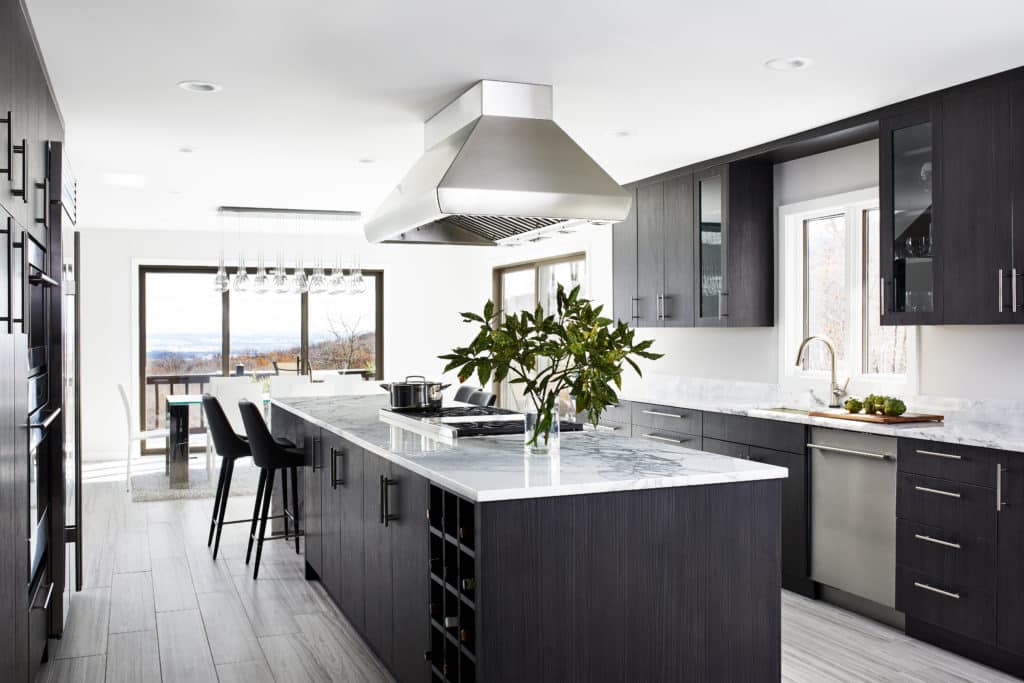
Image Source: jackrosen.com
Fathoming Kitchen Island Width Requirements
When planning your kitchen island, the kitchen island width requirements are directly tied to the overall dimensions of your kitchen and how you intend to use the island. It’s not just about the island itself, but the space around it.
The Core Question: How Much Space Do You Really Need?
The most common question is about the minimum space needed. For a kitchen to comfortably accommodate an island, a minimum width of around 8 feet is often cited. However, this is a very tight squeeze and might only work for very specific, compact island designs with minimal clearance.
For a more functional and comfortable kitchen, aiming for a kitchen width of at least 9 to 10 feet is a much better starting point. This allows for:
- A functional island: Giving you space for a decent-sized island.
- Adequate walkways: Ensuring people can move freely.
- Potential seating: If you want to add bar stools.
Let’s break down the key measurements that influence your kitchen’s overall width when an island is involved.
Minimum Walkway Width Around an Island
The single most important measurement for island placement is the minimum walkway width around island. This is the space between your island and other kitchen elements like countertops, appliances, or walls.
- For single walkways (e.g., between island and a wall or cabinet): A minimum of 36 inches (91 cm) is generally considered the absolute minimum for passage. However, this can feel tight, especially if someone is standing or working in the walkway.
- For primary traffic paths or areas where people will regularly walk past each other: A more comfortable and recommended clearance is 42 to 48 inches (107 to 122 cm). This allows two people to pass each other easily, or for someone to open appliance doors without obstruction.
- If you plan to have seating at the island: You’ll need additional space behind the seating for chairs to be pulled out and for people to sit comfortably without bumping into the island or the back wall.
Kitchen Island to Counter Distance
This is a specific measurement of the walkway between your island and your main kitchen perimeter cabinets or appliances. It’s crucial for workflow.
- Ideal Kitchen Island to Counter Distance: The ideal kitchen island dimensions often include a generous space between the island and perimeter counters. A good rule of thumb is 42 to 48 inches (107 to 122 cm). This allows for:
- Easy movement between the island and the prep/cooking zones.
- Opening appliance doors (refrigerator, dishwasher, oven).
- Multiple people working in the kitchen without feeling crowded.
- Minimum Kitchen Island to Counter Distance: If space is very limited, you might try to get away with 36 inches (91 cm) in some areas, but be aware this will feel more restrictive.
Kitchen Work Triangle Island Integration
The concept of the kitchen work triangle (sink, refrigerator, and stove) is still relevant, even with an island. An island can become a central part of this triangle or even a fourth point.
- When an island is part of the triangle: Ensure the pathways connecting the sink, fridge, and stove remain unobstructed. Placing the island strategically can improve workflow. For example, if your sink is on the perimeter counter and your island has a prep sink, you can create a very efficient prep zone on the island.
- Island as a work zone: Often, the island itself becomes a primary work zone for chopping, mixing, and plating. The width of your kitchen needs to accommodate this zone plus the necessary circulation space.
Galley Kitchen Island Clearance
Galley kitchen island clearance presents unique challenges. In a galley kitchen, you have two parallel runs of cabinets and appliances. Adding an island can significantly reduce the usable space.
- Minimum for a functional galley island: You generally need at least 8 feet (2.4 meters) of total width to consider a galley island. This assumes:
- One side is a run of cabinets/appliances (approx. 24 inches deep).
- The island is placed in the center (approx. 24-36 inches deep).
- You have walkways on either side of the island.
- Calculation for galley kitchens:
- Cabinet depth (approx. 24 inches)
- Walkway 1 (min 36 inches)
- Island width (let’s say 30 inches for a narrower island)
- Walkway 2 (min 36 inches)
- Total = 24 + 36 + 30 + 36 = 126 inches = 10.5 feet.
- This demonstrates why 9-10 feet is a more realistic minimum for comfortable galley island use, allowing for slightly more generous walkways or a slightly narrower island.
- Ideal for galley kitchens: Aim for at least 10-12 feet of kitchen width to have comfortable 42-48 inch walkways on either side of a galley island. This is crucial for functionality and safety.
Narrow Kitchen Island Spacing
If your kitchen is on the narrower side, you might be looking at narrow kitchen island spacing. This doesn’t mean sacrificing all clearance, but rather being very strategic.
- Narrow Island Dimensions: Consider islands that are narrower than the standard 36-42 inches, perhaps in the 24-30 inch range. This can still offer prep space and storage without dominating the room.
- Maximizing Walkways: Focus on keeping your walkways as generous as possible. Even with a narrower island, 36 inches is the absolute minimum. Prioritize 42 inches if you can.
- Island Placement: In a narrow kitchen, a long, narrow island might fit better than a wide, square one. It can often run parallel to the main counter run, similar to a galley setup but with a central island.
Island Depth for Small Kitchens
For those with smaller kitchens, island depth for small kitchens is a key consideration. You don’t want an island that eats up all your floor space.
- Standard Island Depth: Most standard islands are around 36 inches deep (including countertop overhang for seating).
- Shallow Islands for Small Kitchens: You can opt for shallower islands, perhaps 24 to 30 inches deep. These can still provide useful prep space and storage without making the kitchen feel claustrophobic.
- Considerations for shallow islands:
- Seating: If you want seating, ensure there’s enough overhang for knees. A 12-inch overhang is common for counter-height seating.
- Countertop Thickness: Factor this into your depth calculation. A 1.5-inch thick countertop on a 28.5-inch base cabinet results in a 30-inch total depth.
Deciphering Ideal Kitchen Island Dimensions
The ideal kitchen island dimensions aren’t fixed; they are a balance between your kitchen’s overall size, your needs, and aesthetic preferences.
Standard Island Sizes vs. Custom Fit
- Standard Islands: Pre-fabricated islands often come in common sizes like 3×5 feet, 4×6 feet, etc. While convenient, they might not be the perfect fit for your space.
- Custom Islands: Building a custom island or adapting a base cabinet system allows you to perfectly tailor the size and features to your kitchen and your kitchen island placement guidelines.
How Much Space Does an Island Need?
To determine how much space your island needs, consider these factors:
- Island Dimensions: Length and depth of the island itself.
- Walkway Clearance: The space needed around the island.
- Appliance Doors: Clearance for refrigerators, dishwashers, ovens, etc.
- Seating: Space for chairs to be pulled out.
Table: Recommended Clearances Around a Kitchen Island
| Clearance Type | Recommended Minimum | Ideal Minimum | Notes |
|---|---|---|---|
| Island to Perimeter Counter | 36 inches (91 cm) | 42-48 inches (107-122 cm) | Essential for movement and appliance access. |
| Island to Wall/Tall Cabinet | 36 inches (91 cm) | 42-48 inches (107-122 cm) | Same as above; ensures comfortable passage. |
| Walkway between two islands | 42 inches (107 cm) | 48 inches (122 cm) | If you have a U-shaped kitchen with an island, or a large open plan, ensure ample space between zones. |
| Space behind seating | 36 inches (91 cm) | 42-48 inches (107-122 cm) | Allows people to sit and stand up without hitting the island. |
| Walkway around seating area | 48 inches (122 cm) | 54 inches (137 cm) | If the seating area is a main traffic path, more clearance is needed. |
Calculating Your Kitchen Width for an Island
Let’s do a sample calculation for a standard kitchen layout with an island.
- Perimeter Cabinet Depth: 24 inches
- Walkway: 42 inches (ideal)
- Island Width: 36 inches (a common, moderately sized island)
- Walkway: 42 inches (ideal)
- Perimeter Cabinet Depth: 24 inches
Total Kitchen Width Required = 24 (cabinet) + 42 (walkway) + 36 (island) + 42 (walkway) + 24 (cabinet) = 168 inches = 14 feet.
This calculation shows that for a truly functional kitchen with a moderately sized island and good clearance, a width of 14 feet is a good target.
If your kitchen is narrower, you can adjust:
- Narrower Island: Use a 30-inch island: Total width = 24 + 42 + 30 + 42 + 24 = 162 inches = 13.5 feet.
- Slightly Tighter Walkways: Use 36-inch walkways (minimum): Total width = 24 + 36 + 36 + 36 + 24 = 156 inches = 13 feet.
As you can see, even with adjustments, you are consistently looking at 13-14 feet minimum for a comfortable setup.
Island Depth for Small Kitchens: Maximizing Functionality
In smaller kitchens, the island depth for small kitchens becomes paramount. You need to balance the desire for an island with the need for efficient movement.
When Size Matters (Less!)
- Narrower Islands: Opt for islands that are only 24-30 inches deep. These can still offer a decent countertop surface for prep.
- Consider a Rolling Cart: If a built-in island feels too permanent or intrusive, a high-quality kitchen cart on casters can offer flexibility. You can move it out of the way when not in use.
- Peninsula Instead of Island: If your kitchen layout is more rectangular, a peninsula might be a better fit. It attaches to the wall on one side, reducing the need for clearance on that side and often requiring less overall space than a freestanding island.
Island Placement Guidelines for Smaller Spaces
Proper kitchen island placement guidelines are critical in small kitchens to avoid creating bottlenecks.
- Central Placement: If your kitchen is roughly square, a central island is often best. This allows for equal walkways around all sides.
- Asymmetrical Placement: In a rectangular kitchen, you might place the island slightly off-center to create a wider primary pathway on one side.
- Avoid Blocking Essential Zones: Never place an island where it blocks access to the refrigerator door, oven, or a primary work area.
Kitchen Island with Seating Clearance
If your dream island includes seating, the kitchen island with seating clearance is a non-negotiable element.
Space for Chairs and People
- Behind Seating: You need at least 36 inches behind the seating area for a person to sit and stand up comfortably.
- Traffic Flow: If the walkway behind the seating is a main thoroughfare, increase this to 42-48 inches. This allows someone to walk behind a seated person without them having to move their chair.
- Island Depth for Seating: Most islands designed for seating have a depth of at least 36 inches to accommodate the seating overhang (typically 12 inches for counter-height seating).
Calculation Example with Seating:
- Perimeter Cabinet Depth: 24 inches
- Walkway: 42 inches
- Island Depth (with seating overhang): 36 inches (base cabinet 24″ + overhang 12″)
- Space behind seating: 42 inches
- Perimeter Cabinet Depth: 24 inches
Total Kitchen Width Required = 24 + 42 + 36 + 42 + 24 = 168 inches = 14 feet.
This confirms that if you want seating, the minimum width requirements increase.
The “Kitchen Work Triangle Island” Concept
The kitchen work triangle island allows the island to become an active participant in your kitchen’s workflow.
Enhancing Efficiency
- Prep Station: Many people use their island as the primary prep station. This means it needs to be conveniently located between the refrigerator (for getting ingredients) and the sink (for washing produce).
- Serving Area: An island can also act as a buffet or serving area, especially for casual meals.
- Storage Hub: Islands can house dishwashers, microwaves, wine fridges, or extra cabinet storage, becoming central hubs for specific tasks.
Strategic Placement
- No Obstructions: Ensure the island doesn’t create a barrier within the work triangle. The paths between the sink, stove, and refrigerator should remain clear and easy to navigate.
- Distance: An island positioned too far from the main work areas can actually hinder workflow. The goal is to reduce steps, not increase them.
Frequently Asked Questions (FAQ)
What is the absolute minimum kitchen width for an island?
The absolute minimum width for a kitchen to accommodate any kind of island and have a usable walkway is around 8 feet. However, this is extremely tight and not recommended for functionality. For a comfortable experience, aim for at least 9-10 feet.
Can I fit an island in a galley kitchen?
Yes, you can fit an island in a galley kitchen, but it requires careful planning. You need at least 8 feet of width to consider it, but 10-12 feet is much better to allow for adequate 42-48 inch walkways on either side of the island.
How close can an island be to the cabinets?
The minimum recommended clearance between an island and perimeter cabinets is 36 inches. However, 42-48 inches is ideal for comfortable movement and access to appliance doors.
What is the ideal island depth for small kitchens?
For small kitchens, consider island depths of 24-30 inches. This provides prep space and potential storage without overwhelming the room. Standard islands are typically 36 inches deep.
How much space is needed behind island seating?
You need at least 36 inches of space behind island seating for a person to comfortably sit and get up. If this is a primary traffic path, aim for 42-48 inches.
What is the best way to place an island in a kitchen?
Island placement should prioritize workflow and traffic. It should not obstruct appliance doors or create bottlenecks. Consider the kitchen work triangle and ensure easy access between the island and key zones like the sink, refrigerator, and stove.
Conclusion: Planning for Success
Designing a kitchen with an island is an exciting endeavor. By carefully considering your kitchen’s overall width and adhering to essential clearance guidelines, you can create a functional, beautiful, and efficient space. Remember that kitchen island width requirements are not just about the island itself but the entire ecosystem of movement and usability within your kitchen. Always measure twice, plan thoroughly, and consider how you’ll use your kitchen daily. A well-planned island can transform your cooking experience!