
Can you line kitchen cabinets? Yes, you absolutely can line kitchen cabinets! Lining kitchen cabinets is a fantastic way to protect your cabinetry from spills, stains, and general wear and tear, while also adding a touch of style. It’s an affordable and relatively easy DIY project that can make a big difference in the appearance and longevity of your kitchen storage. This guide will walk you through everything you need to know to successfully line your kitchen cabinets, from choosing the right materials to the step-by-step process.
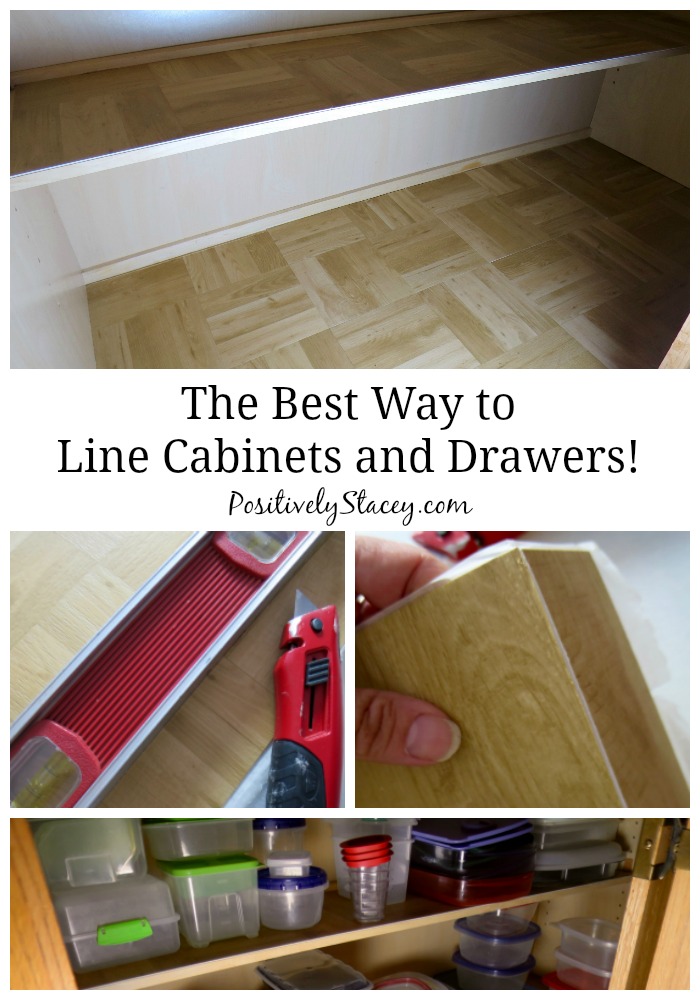
Image Source: positivelystacey.com
Why Line Your Kitchen Cabinets? The Benefits Explained
Lining kitchen cabinets offers a surprising number of advantages for both the functionality and aesthetics of your kitchen. Beyond just looking nice, cabinet liners serve a crucial protective role.
Protecting Your Investment
Kitchen cabinets are a significant investment in your home. Over time, spills from oils, sauces, cleaning products, or even just condensation can seep into the wood or laminate, causing stains, warping, or peeling. Shelf liners act as a barrier, preventing these liquids from reaching the cabinet surfaces. This is especially important in areas prone to moisture, like under the sink.
Keeping Things Clean and Hygienic
Spills are inevitable in a kitchen. When they happen on bare shelves, cleaning can be a hassle. You might have to scrub hard, and sometimes stains are permanent. With drawer liners and shelf liners, a spill can simply be wiped up from the liner itself. This makes cleaning much faster and more efficient, contributing to a more hygienic kitchen environment. It’s much easier to pull out a liner and wash it than to scrub the inside of a cabinet.
Enhancing Appearance and Style
Let’s not forget the decorative aspect! Contact paper cabinet liners and other decorative options come in a vast array of colors, patterns, and textures. This allows you to:
- Add a pop of color: Brighten up dull cabinets with a vibrant pattern.
- Introduce a new look: Mimic the look of wood, marble, tile, or even fabric without a full renovation.
- Conceal imperfections: Cover up minor scratches or discolored areas on older cabinets.
- Create a cohesive theme: Tie your cabinet interiors into your overall kitchen decor.
This is where decorative cabinet liners truly shine. They offer an inexpensive way to refresh the look of your kitchen without undertaking costly cabinet refacing or replacement.
Reducing Noise
The clatter of dishes, glasses, and cans can be quite loud. Adding a soft liner to your shelves and drawers can help absorb some of this sound, creating a quieter kitchen environment.
Preventing Scratches
As you place and remove items from your cabinets, sharp edges can cause scratches. Vinyl liners and other durable materials provide a protective layer that absorbs impact and prevents these unsightly marks.
Choosing the Best Cabinet Liners: A Buyer’s Guide
With so many options available, selecting the best cabinet liners can feel overwhelming. Here’s a breakdown of popular types and what to consider:
Types of Cabinet Liners
-
Vinyl Liners: These are very popular due to their durability and water resistance. They are often waterproof cabinet liners, making them ideal for areas where spills are common. Vinyl liners are also typically easy to clean cabinet liners, as most messes can be wiped away with a damp cloth. They come in a wide variety of patterns and colors.
-
Contact Paper Cabinet Liners: Often synonymous with vinyl liners, “contact paper” generally refers to the peel-and-stick nature of these liners. They are usually self-adhesive, making application straightforward. Many are designed to be both decorative and functional.
-
Adhesive Shelf Liners: Similar to contact paper, these liners have a sticky backing. Some offer stronger adhesion than others, so it’s important to check reviews if you plan to remove them later.
-
Non-Adhesive Shelf Liners: These liners lie flat on the shelf and stay in place through friction or the weight of items placed on them. They are a great option if you prefer not to deal with adhesive or if you anticipate needing to change them frequently. They are often made of materials like cork, rubber, or foam.
-
Decorative Cabinet Liners: This is more of a category than a specific material. It encompasses any liner chosen for its aesthetic appeal, whether it’s a vibrant pattern, a realistic faux finish, or a subtle texture. These can be made from various materials, including vinyl, paper, or fabric.
What to Consider When Buying
When you’re looking for the best cabinet liners for your needs, keep these factors in mind:
- Material Durability: How long do you want the liners to last? For high-traffic areas or heavy use, a thicker, more durable material like vinyl is recommended.
- Water Resistance: If you’re lining cabinets that might be exposed to moisture (e.g., under the sink, near the dishwasher), choose waterproof cabinet liners.
- Ease of Cleaning: Look for easy to clean cabinet liners. Most vinyl and plastic liners are simple to wipe down.
- Adhesion (if applicable): Do you want a self-adhesive cabinet liner? Consider how strong the adhesive is and whether it might damage your cabinets upon removal. Non-adhesive options are also available.
- Thickness: Thicker liners offer more cushioning and sound dampening but can sometimes make it harder to cut precisely.
- Pattern and Color: Choose something that complements your kitchen’s style. Consider whether you want a bold statement or a subtle enhancement.
- Budget: Prices vary significantly. Measure your cabinet space to get an estimate of how much you’ll need and compare costs.
- Ease of Installation: While most liners are designed for DIY, some are more forgiving than others. Liners with a grid pattern on the back can help with straight cuts.
Popular Liner Materials and Their Pros & Cons
| Liner Type | Pros | Cons | Best For |
|---|---|---|---|
| Vinyl | Durable, waterproof, easy to clean, wide variety of designs, affordable. | Can be sticky to work with, may leave residue if adhesive is strong. | High-traffic areas, under sink, drawers, any cabinet needing protection. |
| Contact Paper | Same as vinyl; often refers to the peel-and-stick nature. | Same as vinyl; ensure good quality to avoid tearing during application. | Similar to vinyl, great for decorative upgrades. |
| Adhesive Mats | Strong adhesion, good protection, can be repositioned (some types). | Can be difficult to remove, may leave residue, limited design options. | Cabinets where permanent lining is desired. |
| Non-Adhesive | Easy to remove and clean, no sticky residue, good grip. | Can shift or curl, less protection from liquid seeping underneath. | Renters, temporary solutions, areas with less risk of heavy spills. |
| Cork | Natural look, good grip, some cushioning, eco-friendly. | Can absorb moisture if not sealed, may stain, less variety in design. | Pantries, areas where a natural look is desired, good for glass shelves. |
| Fabric | Soft, adds texture, wide range of patterns, can be washable. | Not waterproof, stains easily, can snag, less durable than vinyl. | Display cabinets, areas not prone to spills or heavy use. |
Preparing Your Cabinets for Lining
Proper preparation is key to achieving a professional-looking finish. Don’t skip these steps!
Step 1: Empty and Clean Your Cabinets
This is the most crucial preparatory step.
- Remove Everything: Take out all dishes, glasses, containers, and anything else stored in the cabinets and drawers you plan to line. This gives you full access to the surfaces.
- Thorough Cleaning:
- Dust and Debris: Use a broom or vacuum cleaner with a brush attachment to remove all loose dust and cobwebs.
- Wipe Down: Use a mild all-purpose cleaner and a damp cloth or sponge to wipe down all interior surfaces – shelves, walls, and ceilings of the cabinets, as well as the insides of drawers.
- Stubborn Stains: For any sticky residue or dried-on spills, a bit of degreaser or a paste of baking soda and water can work wonders.
- Dry Thoroughly: Ensure all surfaces are completely dry before proceeding. Any moisture trapped beneath the liner can lead to mold or mildew. You can speed this up with a fan or by leaving the cabinet doors open for a few hours.
Step 2: Measure Accurately
Precise measurements will save you frustration and material waste.
- Measure Each Surface: For each shelf or drawer, measure the length and width.
- Account for Edges: If you plan to wrap the liner slightly up the sides of the shelves or around the edges of drawers, add a small amount for overlap.
- Record Your Measurements: Write down the dimensions for each cabinet or drawer. This will help you when cutting.
Step 3: Gather Your Tools and Materials
Having everything ready before you start makes the process smoother.
- Cabinet Liner: Your chosen contact paper cabinet liners, vinyl liners, or other material.
- Measuring Tape: For accurate measurements.
- Cutting Tool: A sharp utility knife or craft knife is best for clean cuts. Scissors can also work for thinner materials.
- Straight Edge: A metal ruler or a piece of stiff cardboard is essential for guiding your cuts with the utility knife.
- Smoothing Tool: A plastic smoother, credit card, or even your hand can be used to press out air bubbles as you apply the liner.
- Cleaning Supplies: All-purpose cleaner, cloths, paper towels.
- Optional:
- Heat Gun or Hair Dryer: Can help with conforming the liner around corners or making adhesive stick better (use with caution).
- Painter’s Tape: To temporarily hold liners in place or mark lines.
- Screwdriver: If you need to remove drawer pulls or hinges.
How to Line Kitchen Cabinets: A Step-by-Step Guide
This guide focuses on applying peel-and-stick liners, the most common type for decorative and protective lining.
For Shelves:
Step 1: Cut the Liner
- Layout: Unroll your liner material on a flat surface.
- Measure and Mark: Use your recorded measurements to mark the dimensions of your shelf onto the backing of the liner. Many liners have a grid pattern on the back that makes marking and cutting easier.
- Cut Precisely: Place your straight edge along the marked line. Using your sharp utility knife or craft knife, make a smooth, continuous cut. Take your time for the best results. It’s often better to make multiple light passes with the knife than one heavy pass.
- Test Fit: Before peeling off the backing, lay the cut piece on your shelf to ensure it fits correctly. Trim if necessary.
Step 2: Apply the Liner
- Peel Backing: Gently peel back a few inches of the backing paper from one edge of the liner. For shelves, starting with the edge that will be against the back of the cabinet or a wall is usually easiest.
- Align and Stick: Carefully align the edge of the liner with the edge of your shelf. Press down firmly.
- Smooth as You Go: Slowly peel away the remaining backing paper with one hand while using your smoothing tool with the other hand to press the liner onto the shelf surface. Work from the center outwards to push out any air bubbles.
- Dealing with Bubbles: If you get an air bubble, you can often gently lift the liner back up and reapply, smoothing it out again. For stubborn bubbles, you can sometimes prick them with a fine needle and gently press the air out.
Step 3: Finish the Edges
- Neat Edges: For a clean finish, you can either trim the liner precisely at the edge of the shelf or wrap it slightly up the sides or back.
- Wrapping (Optional): If you’re wrapping the liner, press it firmly into the corners. A little heat from a hairdryer on a low setting can help the material conform to the corner and stick better. Be careful not to overheat or melt the material.
Step 4: Repeat for All Shelves
- Follow the same process for all the shelves in your cabinets.
For Drawers:
Step 1: Cut the Liner
- Measure: Measure the inside length, width, and depth of the drawer.
- Cut: Cut the liner to fit the bottom of the drawer. You can also cut strips to cover the sides if desired, though this is less common and requires more precise cutting. Some people like to cut a small piece to fit the underside of the drawer front for extra protection when the drawer is closed.
Step 2: Apply the Liner
- Peel and Place: For the drawer bottom, peel back a portion of the backing and carefully place the liner in the drawer.
- Smooth: Peel away the backing and smooth the liner down, working from the center out to eliminate air bubbles. Ensure it lies flat and securely.
Step 3: Consider Drawer Sides and Fronts (Optional)
- Sides: If you want to line the sides, cut strips to fit. This can be a bit trickier. A self-adhesive cabinet liner that is slightly flexible can work well here.
- Fronts: For the front of the drawer, you might want to consider removing the drawer pull first. Apply the liner to the drawer front, then carefully poke a hole for the drawer pull screw. Reattach the pull.
Tips for a Professional Finish
- Work in Good Light: This helps you see air bubbles and ensure straight lines.
- Take Your Time: Rushing can lead to mistakes like tears, misalignments, or trapped air bubbles.
- Use a Sharp Blade: A dull knife will tear the material rather than cut it cleanly.
- Overlap Strategically: If your shelf is slightly longer than the liner, you can overlap two pieces. Place the second piece over the first, ensuring the pattern matches, and then use your knife and straight edge to cut through both layers to create a seamless seam.
- Clean Up Adhesive Residue: If you use a strong adhesive and need to remove it later, Goo Gone or a similar adhesive remover can be helpful. Test in an inconspicuous area first.
Creative Ways to Use Cabinet Liners
Lining your cabinets is a fantastic starting point. Here are some ideas to get even more creative:
- Backsplash Panels: Use a durable, waterproof cabinet liner with an attractive pattern to create a temporary or decorative backsplash behind your stove or sink. Ensure it’s heat-resistant if used near a heat source.
- Drawer Fronts: Apply a contrasting or complementary liner to the outside of your drawer fronts for a unique look.
- Cabinet Doors: For a bolder statement, consider lining the inside of your cabinet doors. This adds a surprise element of color or pattern when the doors are opened.
- Contact Paper “Wallpaper” for Cabinets: For a truly dramatic change, you can even apply contact paper cabinet liners to the exterior of cabinet doors and drawer fronts for a full makeover.
Frequently Asked Questions About Lining Kitchen Cabinets
Q1: Can I use contact paper on painted cabinets?
A1: Yes, you can use contact paper cabinet liners on painted cabinets, but it’s important to test in an inconspicuous area first. Ensure the paint is well-adhered. If the paint is peeling, the contact paper might pull it off. You may want to lightly sand and seal painted cabinets before applying the liner for better adhesion and easier removal later.
Q2: Will the adhesive damage my cabinets?
A2: Most quality self-adhesive cabinet liners are designed for removal without damage, especially if they are applied to a clean, sealed surface. However, always test in a hidden spot first. If you’re concerned about damage, opt for non-adhesive liners or use a spray adhesive that offers repositionability and easier removal.
Q3: How do I remove cabinet liners?
A3: Gently peel the liner back at an angle. If there’s adhesive residue, you can often remove it with a mild adhesive remover, warm soapy water, or a hairdryer to warm the adhesive and make it more pliable.
Q4: What are the best cabinet liners for humid areas like under the sink?
A4: For areas prone to moisture, waterproof cabinet liners made of vinyl or a similar plastic material are the best choice. They will prevent water damage and are easy to wipe clean.
Q5: Can I line the shelves in my refrigerator?
A5: Yes, many people line their refrigerator shelves using similar materials. Ensure the liner is food-safe and easy to clean. Vinyl liners are a good option here too, as they are washable and prevent spills from affecting the refrigerator’s interior.
Conclusion: Upgrade Your Kitchen with Cabinet Liners
Lining your kitchen cabinets is a simple yet effective way to protect your cabinets, keep them clean, and add a touch of personal style to your kitchen. Whether you opt for durable vinyl liners, chic decorative cabinet liners, or practical shelf liners, the process is straightforward and the results are rewarding. With this comprehensive guide, you’re well-equipped to tackle this DIY project and enjoy a more beautiful, protected, and functional kitchen space. Happy lining!