
What makes a restaurant kitchen run smoothly? A well-oiled machine, that’s what! Running a restaurant kitchen is a complex dance of organization, skill, and constant vigilance. It’s the heart of any eatery, where raw ingredients transform into memorable meals. This comprehensive guide dives deep into the strategies and secrets behind successful kitchen management, covering everything from staffing to inventory control to ensure your culinary operations are top-notch. We’ll explore the crucial elements of effective back of house management and provide actionable advice for aspiring and seasoned culinary leaders.
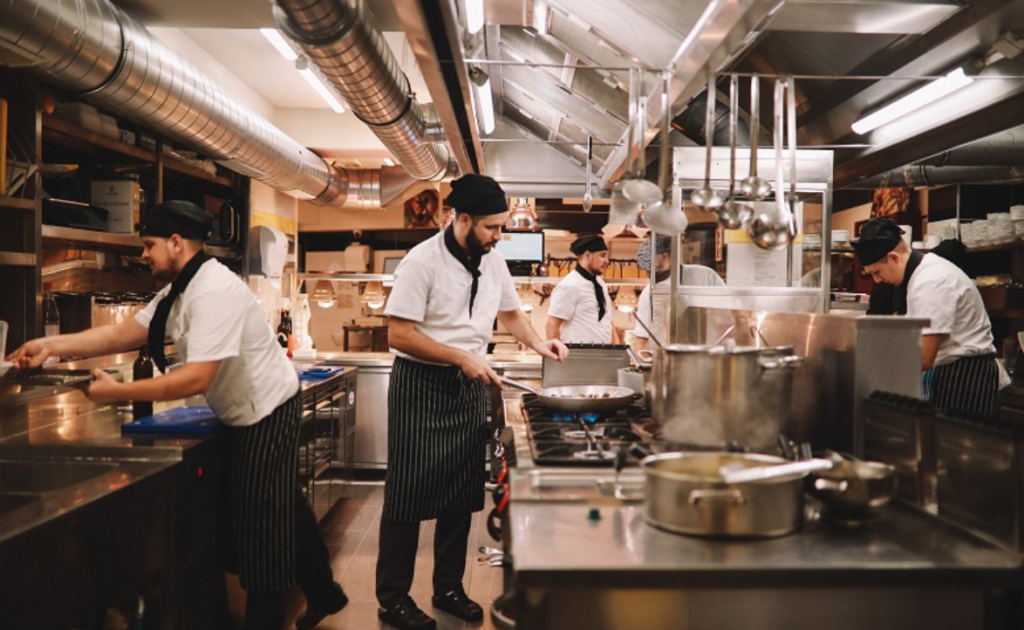
Image Source: www.blueorbiting.com
The Foundation: Planning and Organization
Before the first order ticket prints, a solid plan is essential. This isn’t just about having a menu; it’s about meticulous preparation that impacts every aspect of restaurant operations.
Menu Engineering and Development
A successful menu is more than just a list of dishes; it’s a strategic tool. Menu costing is the backbone of profitability. Each item needs a precise cost analysis to ensure healthy profit margins.
Costing Each Dish
- Ingredient Costs: Accurately measure and price every single ingredient used in a dish. Don’t forget small things like spices or garnishes.
- Labor Costs: Factor in the time and skill required to prepare each dish.
- Waste Calculation: Account for potential spoilage and trim. Aim for a food cost percentage that aligns with your business model, typically between 25-35%.
Balancing the Menu
- Popularity vs. Profitability: Identify your “stars” (popular and profitable), “plowhorses” (popular but less profitable), “puzzles” (profitable but less popular), and “dogs” (neither popular nor profitable). Adjust accordingly.
- Seasonality: Incorporate seasonal ingredients for freshness, cost savings, and to offer variety.
- Dietary Needs: Consider common dietary restrictions and preferences (vegetarian, vegan, gluten-free, allergies).
Kitchen Layout and Workflow Design
The physical layout of your kitchen directly impacts operational efficiency. A well-designed space minimizes movement and maximizes productivity.
Key Zones
- Receiving Area: Where deliveries arrive and are inspected.
- Storage Areas: Dry storage, walk-in refrigerators, freezers. Organization is paramount here.
- Prep Stations: Dedicated areas for washing, chopping, and preparing ingredients.
- Cooking Line (Hot Line): Grills, fryers, ranges, ovens. This is the high-intensity zone.
- Plating and Pass Area: Where dishes are assembled and handed off to servers.
- Dishwashing Area: Separate from food prep to maintain food safety.
Optimizing Workflow
- Logical Flow: Arrange stations so that food moves efficiently from receiving to plating without unnecessary backtracking or cross-contamination.
- Accessibility: Ensure essential tools and equipment are within easy reach of staff.
- Cleanliness: Designate clear cleaning stations and provide adequate space for sanitation.
Staffing: The Backbone of the Kitchen
Great food is impossible without a great team. Kitchen staff management is critical for a positive and productive environment. Hiring the right people and keeping them motivated is an ongoing challenge.
Hiring the Right Talent
Look for individuals who possess not only technical skills but also a positive attitude, a strong work ethic, and the ability to work under pressure.
Key Roles
- Executive Chef/Head Chef: Oversees all kitchen operations, menu development, and staff.
- Sous Chef: Assists the Executive Chef and often leads the kitchen in their absence.
- Line Cooks: Responsible for preparing specific dishes on the cooking line.
- Prep Cooks: Handle ingredient preparation, mise en place.
- Dishwashers/Pot Washers: Crucial for maintaining cleanliness and ensuring a smooth workflow.
- Kitchen Porter/Steward: Assists with various tasks, from cleaning to minor prep.
Training and Development
Invest in your staff. Proper training reduces errors, improves consistency, and boosts morale.
Training Components
- Standard Operating Procedures (SOPs): Documented procedures for every task.
- Food Safety and Sanitation: Non-negotiable. Regular training is essential.
- Recipe Mastery: Ensure all cooks can execute dishes perfectly.
- Equipment Operation: Safe and efficient use of all kitchen machinery.
- Teamwork and Communication: Foster a collaborative environment.
Motivation and Retention
A happy team is a productive team. High turnover is costly and disruptive.
Strategies for Success
- Fair Compensation and Benefits: Competitive wages and benefits.
- Positive Work Environment: Respectful communication, team building.
- Opportunities for Growth: Training, promotion, skill development.
- Recognition and Appreciation: Acknowledge good work.
- Clear Expectations: Define roles and responsibilities.
Operational Efficiency: Streamlining Processes
Efficiency is the key to profitability and customer satisfaction. Small improvements can have a significant impact on operational efficiency.
Inventory Management: The Art of Control
Effective inventory control prevents waste, reduces costs, and ensures you always have what you need.
Key Principles
- First-In, First-Out (FIFO): Use older stock before newer stock to minimize spoilage.
- Regular Audits: Conduct frequent physical counts of all inventory.
- Par Levels: Set minimum and maximum quantities for each item.
- Supplier Relationships: Build strong relationships for reliable deliveries and pricing.
- Technology: Utilize inventory management software for tracking and forecasting.
Table: Sample Inventory Tracking Sheet
| Item | Unit | Current Stock | Min Par | Max Par | Reorder Point | Supplier | Cost Per Unit | Last Order Date | Expiry Date |
|---|---|---|---|---|---|---|---|---|---|
| Chicken Breast | lb | 50 | 20 | 80 | 30 | Sysco | $2.50 | 2023-10-26 | 2023-11-02 |
| Roma Tomatoes | lb | 30 | 15 | 50 | 20 | Local Farm | $1.20 | 2023-10-27 | 2023-11-03 |
| All-Purpose Flour | lb | 100 | 50 | 150 | 75 | US Foods | $0.50 | 2023-10-20 | 2024-10-20 |
Waste Reduction Strategies
Minimizing waste directly impacts your bottom line.
Practical Tips
- Portion Control: Standardize portion sizes to prevent overproduction.
- Creative Use of Trims: Utilize vegetable scraps for stocks, meat trimmings for pâtés or ground meats.
- Proper Storage: Ensure ingredients are stored at the correct temperatures and in appropriate containers.
- Accurate Forecasting: Predict demand to avoid over-ordering.
- Regular Equipment Maintenance: Prevent spoilage due to malfunctioning refrigerators or freezers.
Speed and Service
In a busy restaurant, speed is essential, but it must never come at the expense of quality or food safety.
Maximizing Throughput
- Mise en Place: Ensure all ingredients are prepped and ready before service begins.
- Station Organization: Keep cooking stations clean and well-stocked.
- Clear Communication: Effective use of order tickets and verbal cues.
- Expediting System: A designated expediter to manage the flow of orders to the kitchen and from the kitchen to the pass.
Food Safety and Sanitation: A Non-Negotiable Priority
Maintaining the highest standards of food safety is paramount. A single lapse can have severe consequences, including health code violations, customer illness, and reputational damage.
Key Pillars of Food Safety
- Temperature Control:
- The Danger Zone: Keep perishable foods between 41°F (5°C) and 135°F (57°C).
- Proper Cooking Temperatures: Ensure all foods are cooked to their safe internal temperatures.
- Rapid Cooling: Cool cooked foods quickly to inhibit bacterial growth.
- Hygiene:
- Handwashing: Frequent and thorough handwashing is critical.
- Clean Surfaces and Equipment: Sanitize all food contact surfaces regularly.
- Personal Hygiene: Clean uniforms, hair restraints, and proper attire.
- Cross-Contamination Prevention:
- Separate Raw and Cooked Foods: Use different cutting boards and utensils for raw meats and ready-to-eat foods.
- Proper Storage: Store raw meats below ready-to-eat foods in the refrigerator.
- Pest Control: Implement a robust pest management program.
Sanitation Procedures
Detailed cleaning schedules are vital.
Daily Tasks
- Clean and sanitize all prep surfaces.
- Wash and sanitize all cutting boards, knives, and utensils.
- Clean and sanitize dishwashing machines.
- Wipe down stoves, ovens, and grills.
- Empty and clean trash receptacles.
Weekly Tasks
- Deep clean refrigerators and freezers.
- Clean ovens and grills thoroughly.
- Sanitize walls and floors.
- Clean grease traps.
Monthly Tasks
- Check and clean all ventilation hoods.
- Inspect and clean all storage areas.
- Calibrate thermometers.
Kitchen Management Software and Technology
Modern technology can significantly enhance kitchen management and restaurant operations.
Tools for Success
- Inventory Management Software: Tracks stock levels, automates reordering, and provides valuable data.
- Point of Sale (POS) Systems: Integrates order taking with kitchen display systems (KDS) or printers.
- Kitchen Display Systems (KDS): Replaces paper tickets with digital displays, improving accuracy and speed.
- Recipe Management Software: Standardizes recipes, calculates costs, and ensures consistency.
- Scheduling Software: Streamlines staff scheduling and manages labor costs.
Controlling Costs and Maximizing Profitability
Beyond menu costing, several other factors influence profitability.
Labor Cost Management
- Efficient Scheduling: Schedule staff based on anticipated demand.
- Cross-Training: Train staff in multiple roles to provide flexibility.
- Productivity Monitoring: Track staff output and identify areas for improvement.
Food Cost Management
- Accurate Inventory and Waste Tracking: As discussed earlier, this is crucial.
- Supplier Negotiation: Regularly review pricing and negotiate with suppliers.
- Portion Control: Enforce strict portion sizes.
- Menu Pricing: Ensure prices reflect ingredient costs and desired profit margins.
Energy Efficiency
- Equipment Maintenance: Well-maintained equipment runs more efficiently.
- Turn Off Unused Equipment: Lights, fans, and cooking equipment when not in use.
- Induction Cooktops: More energy-efficient than traditional gas or electric stoves.
Fostering a Positive Kitchen Culture
A kitchen is a high-pressure environment. Creating a positive culture is essential for morale, teamwork, and retention.
Communication and Collaboration
- Open Lines of Communication: Encourage staff to voice concerns and ideas.
- Teamwork: Foster a sense of camaraderie and mutual support.
- Pre-Shift Meetings: Brief the team on specials, expected volume, and any specific issues.
Leadership by Example
- Professionalism: Maintain a calm and professional demeanor, especially during busy periods.
- Respect: Treat all staff members with respect.
- Accountability: Hold yourself and your team accountable for performance and standards.
Conflict Resolution
- Address Issues Promptly: Don’t let conflicts fester.
- Fairness: Investigate disputes impartially.
- Mediation: Help staff find constructive solutions.
Frequently Asked Questions (FAQ)
Q1: What are the most important aspects of kitchen management?
A1: The most important aspects include efficient kitchen staff management, rigorous food safety protocols, accurate inventory control, effective menu costing, and a focus on operational efficiency to ensure smooth restaurant operations and profitability.
Q2: How can I reduce food waste in my restaurant kitchen?
A2: Reduce food waste by implementing strict portion control, utilizing trims creatively, improving forecasting, proper storage techniques, and conducting regular inventory audits.
Q3: What is the role of a Sous Chef?
A3: A Sous Chef is the second-in-command in the kitchen. They assist the Executive Chef with daily operations, manage the kitchen staff, oversee food preparation, and often lead the kitchen in the Executive Chef’s absence.
Q4: Why is FIFO important in a restaurant kitchen?
A4: FIFO (First-In, First-Out) is crucial for inventory control to ensure that older stock is used before newer stock, minimizing spoilage and reducing food waste.
Q5: How do I ensure food safety in my kitchen?
A5: Ensure food safety by strictly adhering to temperature controls for cooking, holding, and cooling food, practicing excellent hygiene (handwashing, sanitation), preventing cross-contamination, and implementing a robust pest control program. Regular training for all kitchen staff is vital.
Q6: What is menu costing and why is it important?
A6: Menu costing is the process of calculating the exact cost of each ingredient in a dish to determine its selling price and ensure profitability. It’s vital for setting competitive prices and maintaining healthy profit margins.
Q7: How can technology improve kitchen operations?
A7: Technology, such as inventory management software, POS systems, and Kitchen Display Systems (KDS), can streamline processes, improve accuracy, reduce waste, enhance communication, and provide valuable data for better decision-making, thereby boosting operational efficiency.
Q8: What are the key components of good kitchen staff management?
A8: Good kitchen staff management involves fair hiring practices, comprehensive training, clear communication of expectations, opportunities for professional development, fair compensation, and fostering a positive and respectful work environment to improve morale and retention.
Running a restaurant kitchen is a demanding but incredibly rewarding endeavor. By mastering the principles of kitchen management, focusing on operational efficiency, and prioritizing food safety, you can build a thriving and successful culinary operation. It’s a continuous cycle of planning, execution, and refinement, where attention to detail and a passion for food converge to create memorable dining experiences.